Making your kitchen look and feel great means adding texture. What is texture in kitchen design? It’s about the surface feel and look of materials. It makes a space interesting to see and touch. Texture stops a kitchen from looking flat or boring. It gives the room depth and character. You can add texture in many ways. Think about the walls, cabinets, floor, and even small decorations. Adding texture makes your kitchen feel warm and inviting. It helps tell a story about your home.
Let’s look at how to bring texture into your kitchen.
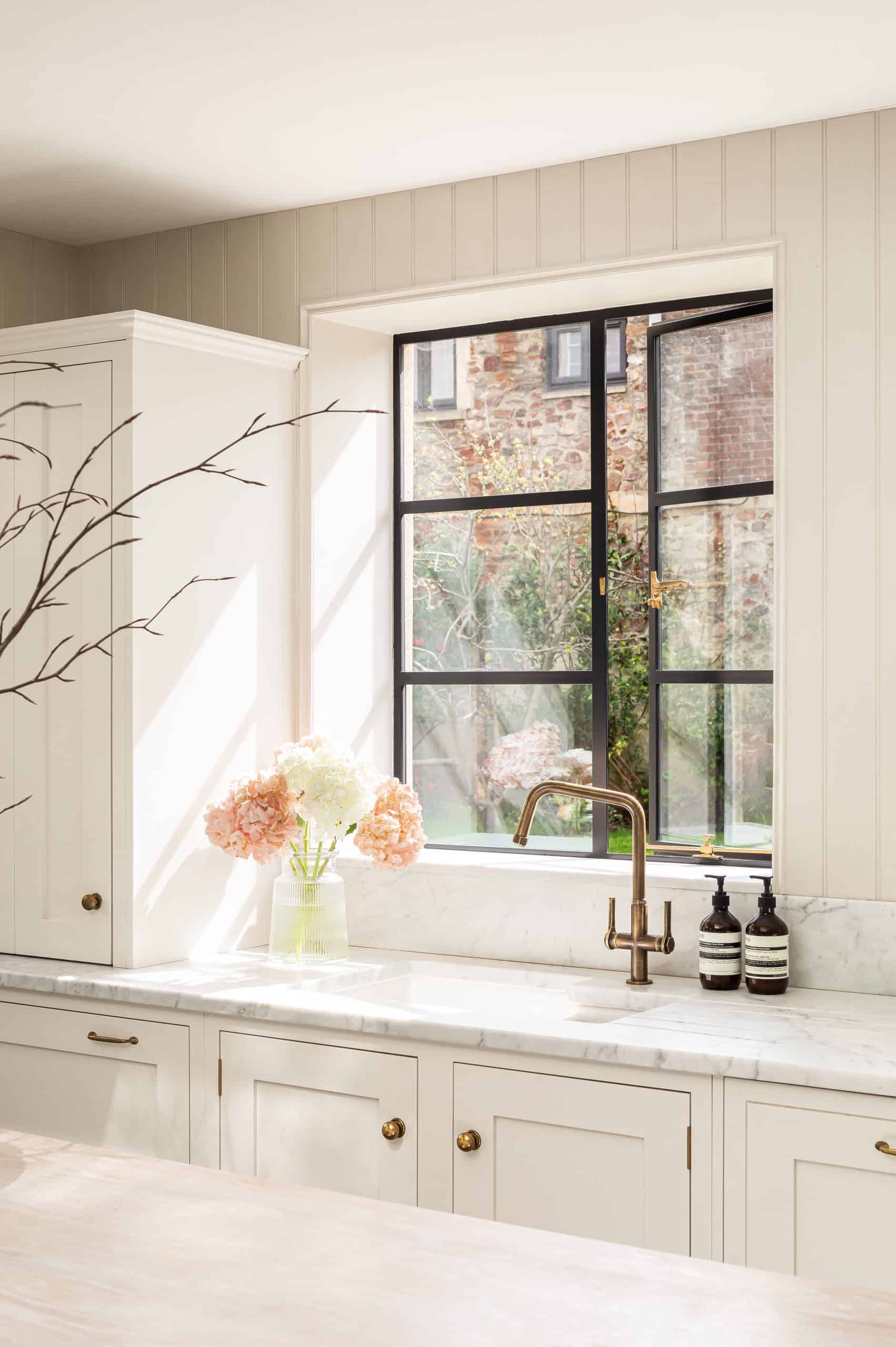
Image Source: john-lewis.co.uk
Why Texture Matters in Your Kitchen
Texture is a key part of good design. It works with color, light, and shape. Without texture, a room can feel cold and plain. Adding texture gives your kitchen personality. It draws the eye and makes the space more engaging. It creates visual interest kitchen design. Different textures can make a room feel cozy, modern, rustic, or elegant. It helps you make the kitchen feel just right for you.
Exploring Kitchen Wall Texture
Walls are big surfaces in any kitchen. They offer a lot of room for adding texture. You can do more than just paint them flat.
Using Textured Paint
One simple way is using textured kitchen paint. This paint has small bits in it. Or you use a special roller or tool. This makes the wall feel rough or uneven. It can look like sand, stone, or stucco.
* Pros:
* Hides small flaws in the wall.
* Adds a subtle tactile feel.
* More durable than flat paint in some cases.
* Cons:
* Can be harder to paint over later.
* May collect dust more easily depending on the finish.
* Applying it can take practice.
Think about how much texture you want. A light sandy finish is subtle. A heavy stucco look is much bolder. Textured paint adds depth without adding something to the wall.
Wallpaper with Feel
Wallpaper is another great option for kitchen wall texture. Many wallpapers have a raised pattern. This gives them a physical texture.
* Embossed Wallpaper: Patterns are pressed into the paper. This creates a raised design. It can look like fabric, wood grain, or geometric shapes.
* Flocked Wallpaper: This paper has raised fibers. It feels soft, like velvet. This is often used for classic or formal looks.
* Natural Material Wallpaper: Papers made from grasscloth, jute, or bamboo bring natural textures. They add warmth and organic feel.
* Vinyl Wallpaper: Some vinyl papers mimic other textures well. They can look like brick, tile, or concrete. Plus, they are easy to clean. This is good for kitchens.
Choose wallpaper for a feature wall. Or use it above cabinets. Wallpaper adds color and pattern too. The texture makes the pattern pop.
Other Wall Treatments
Beyond paint and wallpaper, other materials add significant kitchen wall texture.
* Shiplap or Wood Paneling: Wood planks on walls add a rustic kitchen textures feel. The lines between boards create texture. Painted shiplap is popular for a farmhouse look. Natural wood brings warmth and grain texture.
* Brick: Real or veneer brick walls offer a strong, rough texture. Brick fits well with industrial or rustic styles. The uneven surface and mortar lines add deep texture.
* Stone Veneer: Thin pieces of stone applied to walls. This brings natural stone texture kitchen feel without the weight of solid stone. It adds a rugged, earthy element.
* Textured Plaster: Special plaster finishes can create unique textures. Think about Venetian plaster for a smooth, layered look. Or rougher stippled or troweled finishes for a more hand-done feel.
Wall texture sets the mood. It’s a background for everything else. Choose a texture that fits your style.
Adding Cabinet Finishes Texture
Kitchen cabinets take up a lot of space. The finish you choose has a big impact on texture. Cabinet finishes texture can be smooth or rough.
* Smooth Finishes: Painted cabinets are often smooth. Lacquer and high-gloss finishes are very smooth and shiny. These give a sleek, modern look. The texture is more visual from the shine than physical touch.
* Wood Grain: Cabinets showing the natural wood grain have texture. The grain pattern is visible. You can often feel the lines of the wood. Different wood types have different grain textures. Oak has a strong, open grain. Maple has a finer, less noticeable grain. Stains can highlight or hide the grain.
* Distressed Finishes: These finishes make new cabinets look old. Techniques like rubbing off paint, adding dents, or glazing create texture. This adds a lot of character. It fits well with rustic kitchen textures or vintage styles.
* Textured Laminates or Melamine: Some modern cabinet materials mimic other textures. They can look like wood grain, concrete, or linen. These finishes are durable and easy to clean. The texture is often printed on the surface. Sometimes, it has a slight physical feel too.
* Thermofoil: This is a vinyl film wrapped around MDF doors. It can have smooth or textured finishes. Textured thermofoil can look like wood grain or other patterns.
* Wire-Brushed Wood: A brush is used to remove the softer wood parts. This leaves the harder grain raised. It creates a distinct physical texture that highlights the wood’s natural pattern.
Consider the door style too. Shaker doors have simple frames. Raised panel doors have more shape and shadow lines. These shapes add visual texture even with a smooth finish. Open shelves also add texture. They show the texture of the items on the shelves.
Kitchen Backsplash Texture Ideas
The backsplash is a perfect spot for texture. It’s protected from heavy use. It’s a focal point behind the sink or stove. Kitchen backsplash texture ideas are endless.
* Tile: This is a classic choice. Tiles come in many shapes, sizes, colors, and textures.
* Ceramic and Porcelain: Common and versatile. Can have smooth, matte, or glossy finishes. Some have intentional texture patterns.
* Natural Stone Tiles: Marble, travertine, slate, and granite tiles. These have beautiful natural variations and textures. Slate is rough and layered. Travertine has pits and veins. Marble is smooth but has veining patterns. Stone texture kitchen backsplashes add natural beauty.
* Glass Tiles: Can be smooth, frosted, or textured on the back. They add shine and light reflection.
* Three-Dimensional Tiles: Tiles designed with raised patterns or shapes. These create shadows and deep texture on the wall. They can be geometric, wavy, or sculptural.
* Brick or Zellige: Thin brick veneers or handmade Zellige tiles offer lots of texture. Zellige tiles from Morocco are known for their imperfect, uneven surface and variations. This makes each tile unique. Laying them creates a richly textured wall.
* Wood: Reclaimed wood planks or specially treated wood panels can be used for backsplashes. Wood adds warmth and rustic texture. It needs sealing to protect against moisture and stains.
* Metal: Stainless steel is common, but textured metals are also an option. Hammered copper, corrugated metal, or metal tiles add shine and industrial texture.
* Concrete: Poured or panel concrete backsplashes offer an urban, minimalist texture. It can be smooth or have slight imperfections for a raw feel.
Mixing tile shapes and sizes also adds texture. Using subway tiles but with different grout colors changes the look. Laying tiles in patterns like herringbone or chevron creates visual texture.
Kitchen Flooring Texture
The floor covers a large area. Its texture affects the whole room’s feel. Kitchen flooring texture needs to be durable and safe.
* Wood Floors: Solid hardwood or engineered wood. Wood has natural grain and variation. Different finishes affect the texture. A smooth, polished finish is sleek. A wire-brushed or hand-scraped finish adds significant rustic texture. Reclaimed wood brings knots, nail holes, and a sense of history.
* Tile Floors: Ceramic, porcelain, or stone tiles. Similar to backsplashes, floor tiles offer many textures.
* Large format tiles offer fewer grout lines, a cleaner look.
* Smaller tiles like mosaics mean more grout lines, adding texture.
* Tiles mimicking wood or stone bring those textures in a durable form.
* Textured tiles can improve grip, making them safer when wet.
* Natural Stone Floors: Slate, travertine, limestone. These are porous and need sealing but offer unique, natural textures. Slate is uneven and rugged. Travertine has a soft, pitted surface. Stone texture kitchen floors are beautiful but can be costly.
* Concrete Floors: Polished concrete is smooth. But concrete can also be stained, stamped, or textured. A broom finish gives a slightly rough texture. Concrete offers a modern, industrial feel.
* Vinyl or LVT (Luxury Vinyl Tile): Modern vinyl flooring can realistically mimic wood or stone texture. The texture is often embossed on the surface. This provides the look and some feel of natural materials with easy care.
* Linoleum: A natural material option. It’s typically smooth but can have subtle patterns that add visual texture.
Consider how the floor texture works with the rest of the kitchen. A highly textured floor might need smoother surfaces elsewhere to balance it.
Grasping Kitchen Material Texture
Texture comes from the materials you use. Kitchen material texture is about how a material looks and feels. Mixing different materials is key to rich texture.
* Stone: Natural stone texture kitchen elements like granite, marble, quartz, or slate offer unique textures. Countertops, backsplashes, or floors can use stone. Stone feels cool and solid. Its texture comes from its natural patterns, veins, and surface finish (polished, honed, leathered). Leathered granite has a slightly bumpy, matte finish.
* Wood: Wood adds warmth and a natural, organic texture. Used for cabinets, floors, beams, or open shelves. Different wood species have different grain patterns and hardness. Unfinished or roughly finished wood adds more rustic kitchen textures. Smooth, sealed wood is refined.
* Metal: Stainless steel is common and smooth. But other metals add texture. Copper, brass, or iron used in hardware, lighting, or range hoods add visual texture and shine. Hammered or brushed metal surfaces have physical texture.
* Glass: Smooth and reflective. Used in cabinet doors, backsplashes, or lighting. Ribbed or frosted glass adds texture while still letting light through.
* Concrete: Versatile texture. Can be smooth and polished for a modern look. Or left rough and raw for an industrial or rustic feel. Used for countertops, floors, or backsplashes.
* Tile (Ceramic/Porcelain): Offers a huge range of manufactured textures. From smooth gloss to matte, to structured 3D shapes, to surfaces mimicking wood or stone.
Layering these materials creates depth. For example, a kitchen with smooth cabinets, a textured tile backsplash, a stone countertop, and wood floors uses four different material textures. This creates a lot of visual interest kitchen design.
Adding Texture with Kitchen Decor
Don’t forget the smaller items. Adding texture with kitchen decor is easy and can be changed often.
* Textiles: Rugs, curtains, dishtowels, seat cushions. A woven rug adds soft texture underfoot. Linen curtains add a relaxed, natural texture. Textured dishtowels hung over a handle add a small touch.
* Accessories: Vases, bowls, cutting boards, storage containers.
* Ceramic or pottery bowls have handmade textures.
* Wooden cutting boards show wood grain.
* Woven baskets add a rustic, tactile element.
* Metal canisters add smooth or hammered texture.
* Plants add organic texture and life. The texture of leaves and pots.
* Lighting: The fixture itself can have texture. A pendant light with a woven shade adds texture. A metal fixture can be smooth, brushed, or hammered. Light also creates shadows that highlight the texture of surfaces like a textured wall or backsplash.
* Open Shelving Displays: What you put on open shelves adds texture. Stacks of textured dishes, wooden bowls, woven baskets, cookbooks, and decorative objects all bring different textures.
Decor items are low commitment. You can swap them out to change the texture mix in the room. This is a simple way to add texture without major renovation.
Rustic Kitchen Textures
If you like a rustic style, texture is key. Rustic design celebrates natural, imperfect textures.
* Wood: Lots of wood. Reclaimed wood beams, rough-sawn wood shelves, cabinets with visible grain. Distressed wood finishes are perfect.
* Stone: Natural stone texture kitchen elements are essential. A stone fireplace (if open plan), a stone backsplash, or stone accents. Uneven flagstone floors or slate tiles fit well.
* Metal: Aged or blackened metal hardware, hammered copper sinks, iron lighting fixtures. These metals show their raw texture.
* Brick: Exposed brick walls or backsplashes. The rough, uneven surface is very rustic.
* Textiles: Burlap, linen, cotton weaves. Natural fibers with visible texture.
* Decor: Woven baskets, pottery, items made from natural materials like wood or metal.
Rustic kitchen textures are about celebrating the raw beauty of materials. They often feel warm, cozy, and connected to nature.
Putting Textures Together for Visual Interest Kitchen Design
Creating a kitchen with great texture is about layering. You don’t want just one texture everywhere. That would be boring. Mixing textures makes the space dynamic.
* Combine Smooth and Rough: Pair smooth countertops with a textured backsplash. Or smooth cabinets with a rough stone wall. This contrast is appealing.
* Mix Natural and Man-Made: Wood cabinets (natural) with a ceramic tile backsplash (man-made). Stone floors (natural) with stainless steel appliances (man-made). Kitchen material texture from different sources adds richness.
* Vary Scale: Use large format floor tiles and small mosaic backsplash tiles. Or a wall with large wood planks and shelves holding small, detailed decor items.
* Consider Light: How light hits a textured surface changes its look. Natural light or under-cabinet lighting can highlight the depth of textures like a textured tile backsplash or a textured paint wall.
* Don’t Overdo It: Too many competing textures can make a space feel busy or messy. Choose a few main textures and let them shine. Then add smaller textures with decor.
A good rule is to pick one or two main textures for the large surfaces (floors, cabinets, main walls, countertops). Then add one or two different textures with the backsplash and other walls. Finally, layer in more textures with lighting and decor. This builds depth and visual interest kitchen design step by step.
Comprehending How Texture Affects Feel
Texture isn’t just about how things look. It’s also about how they make you feel.
* Smooth, Glossy: Feels sleek, modern, clean, perhaps a bit formal or cool. Think polished stone, glass tile, high-gloss cabinets.
* Rough, Uneven: Feels casual, warm, grounded, perhaps rustic or industrial. Think exposed brick, rough wood, natural stone with cleft finish.
* Soft, Plush: Feels cozy, comfortable, inviting. Think fabric textures in rugs or seating.
* Hard, Solid: Feels durable, strong, stable. Think stone countertops, tile floors.
Think about the mood you want in your kitchen. Do you want it to feel like a warm hug? Add lots of wood, rustic kitchen textures, soft textiles. Do you want it to feel clean and modern? Use smooth surfaces, subtle kitchen material texture, perhaps textured paint instead of deep physical texture.
Fathoming the Role of Grout
Grout might seem minor. But it adds texture, especially with tile.
* Grout Line Width: Wide grout lines create a grid texture. Thin grout lines make the tiles look more seamless.
* Grout Color: Contrasting grout color makes each tile stand out. This adds visual texture. Grout color close to the tile color reduces the visual texture of the lines.
* Grout Finish: Standard grout has a slightly sandy texture. Epoxy grouts can be smoother. Glitter or metallic grouts add sparkle and different visual texture.
Even a simple subway tile backsplash gets texture from the grout lines.
Incorporating Metal Textures
Metal appears in many kitchen elements. Its texture varies greatly.
* Stainless Steel: Usually smooth and reflective. Can have a brushed finish which adds subtle lines and reduces shine, creating a different visual texture.
* Copper: Can be smooth, polished, or hammered. Hammered copper has deep physical texture and catches light beautifully. It also changes color over time (patina), adding visual texture evolution.
* Brass: Can be polished and shiny or brushed/aged for a softer look with subtle texture.
* Iron: Often used for hardware or lighting. Can have a rough, cast texture or a smoother forged texture. Blackened iron adds a strong visual texture.
Metal textures add highlights and contrast. They are often cooler than wood or stone.
Planning Your Texture Mix
Before you start adding texture everywhere, make a plan.
1. Define Your Style: Are you going for modern, rustic, traditional, industrial? This helps guide your texture choices. Rustic kitchen textures will differ greatly from modern ones.
2. Look at Existing Elements: What textures are already there? Your floor? Your appliances? Your existing cabinets?
3. Pick Your Main Texture Players: Decide which large surfaces will have prominent texture (e.g., a textured wall, a stone countertop, wood floors).
4. Choose Supporting Textures: Select backsplashes, cabinet finishes texture, and smaller wall areas to complement the main textures.
5. Add Layers with Decor: Use decor items to introduce smaller, flexible textures.
6. Get Samples: Look at samples of materials side-by-side. See how the kitchen material texture works together. How does the kitchen wall texture look next to the cabinet finishes texture? How do the kitchen backsplash texture ideas feel with the countertop?
Thinking through your choices helps create a cohesive and textured kitchen that has personality and depth. It ensures you achieve the visual interest kitchen design you want.
Final Thoughts on Adding Texture
Adding texture to your kitchen is one of the most effective ways to make it feel custom and inviting. It’s more than just how things look; it’s also how they feel and how they make the room feel. From kitchen wall texture and cabinet finishes texture to kitchen backsplash texture ideas and kitchen flooring texture, every surface is an opportunity. Don’t forget adding texture with kitchen decor and incorporating rich kitchen material texture like stone texture kitchen elements or rustic kitchen textures. By carefully selecting and layering textures, you can create a kitchen that is not only beautiful but also rich with sensory detail, truly boosting visual interest kitchen design.
Frequently Asked Questions (FAQ)
Q: Can I mix many textures in a small kitchen?
A: Yes, you can mix textures in a small kitchen. Use fewer types but vary the feel. Keep the main elements simpler. Add texture with the backsplash, hardware, and decor. This stops the space feeling too busy.
Q: Is textured paint hard to clean in a kitchen?
A: Some textured paints can be harder to wipe clean than smooth paint. Finishes like eggshell or satin are usually easier to clean than matte. A light texture is easier to manage than a deep, rough one. Consider the texture type and paint finish if easy cleaning is a top need.
Q: What is the best way to add rustic texture?
A: The best way is using natural, raw materials. Think reclaimed wood, natural stone texture kitchen parts, exposed brick, or hammered metal. Focusing on materials that show their original form adds authentic rustic kitchen textures.
Q: How can I add texture without changing big things like cabinets or floors?
A: Focus on walls, backsplashes, and decor. Add kitchen wall texture with paint or wallpaper. Use a textured tile for the backsplash. Change out hardware for metal with texture. Add texture with kitchen decor like rugs, plants, woven items, and textured bowls or vases. This is the easiest way to add texture without a big budget or renovation.
Q: Does adding texture make a kitchen feel smaller?
A: Deep, dark, or very rough textures can make a surface feel closer. But using texture doesn’t have to make a kitchen feel smaller. Using lighter colors and good lighting with texture helps. Texture used on specific areas like a backsplash or feature wall adds interest without shrinking the space. Smooth, reflective textures can actually make a space feel bigger by bouncing light. It’s about balance and how you use it.