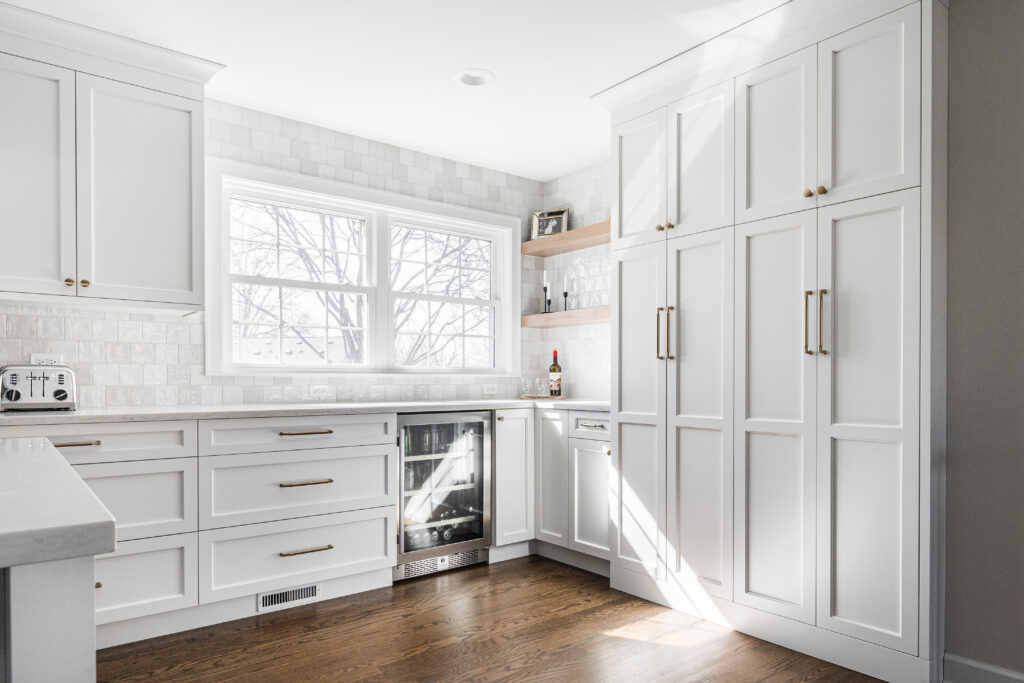
Image Source: decorcabinets.com
All About: How Tall Is Kitchen Cabinets Standards
Kitchen cabinets come in different heights. Knowing the standard sizes helps you plan your kitchen right. The most common standard kitchen cabinet height for base cabinets is 34.5 inches. Upper cabinets have more height options, often 30, 36, or 42 inches. These sizes work for most homes and people. They help create a workspace that feels comfortable.
Getting the right height for your cabinets matters a lot. It affects how easy it is to cook and use your kitchen. It also changes how your kitchen looks. We will look at the usual heights for all types of cabinets. We will see why these sizes are common. We will also talk about when you might need different sizes.
Examining Base Cabinet Height
Base cabinets sit on the floor. The countertop rests on them. The base cabinet height is a key number. It sets the height of your main work surface.
Standard Base Cabinet Height
The most common standard for base cabinets is 34.5 inches. This height is measured from the floor to the top of the cabinet box. It does not include the countertop thickness.
Why is 34.5 inches standard?
* It is about making kitchen tasks easy. This height works well for most adults.
* People can chop, mix, and prep food without bending too much.
* When you add a countertop, the total height goes up.
* Most countertops are about 1.5 inches thick.
* So, a 34.5-inch cabinet plus a 1.5-inch counter makes the total height 36 inches.
* 36 inches is the usual finished counter height. This is good for most people’s ergonomics.
Parts of Base Cabinet Height
The 34.5 inches height includes different parts.
* Cabinet Box: This is the main part. It holds drawers or shelves.
* Toe Kick: This is a space at the very bottom, near the floor. It is set back a bit. It gives you space for your toes when you stand close to the counter. Standard toe kicks are usually 4.5 inches tall. This height is part of the 34.5 inches total. So the cabinet box itself is 30 inches tall (34.5 – 4.5 = 30).
So, a standard base cabinet height is made of:
* 30 inches for the main cabinet box.
* 4.5 inches for the toe kick area.
* Total: 34.5 inches.
This setup allows for easy standing and reduces strain on your back and legs while working at the counter.
Countertop Thickness
The thickness of the countertop adds to the final working height.
* Laminate countertops are often 1.5 inches thick.
* Solid surface, granite, quartz, or wood counters can be 1.5 inches, 2 cm (about 0.8 inches), 3 cm (about 1.2 inches), or even thicker.
* A standard base cabinet (34.5 inches) with a standard 1.5-inch counter gives a 36-inch high workspace.
* If you use a thicker counter, say 2 inches, your final height will be 36.5 inches.
* If you use a thinner counter, like 0.8 inches (2 cm stone), your final height will be 35.3 inches.
The 36-inch finished counter height is the goal for many standard kitchens. The 34.5-inch base cabinet height helps reach this goal with common materials.
Variations in Base Height
While 34.5 inches is standard, you can find or order base cabinets that are:
* Slightly lower: Sometimes needed for specific designs or users.
* Slightly higher: Maybe for very tall people or to match unusual features.
* Different toe kick heights: Some designs have taller or shorter toe kicks.
However, most stock or semi-custom cabinets follow the 34.5-inch rule closely. This makes planning easier and costs lower. It is a key part of kitchen cabinet specifications.
Table: Standard Base Cabinet Specs (Common)
| Feature | Standard Dimension | Notes |
|---|---|---|
| Base Cabinet Height | 34.5 inches | From floor to top of cabinet box |
| Toe Kick Height | 4.5 inches | Part of the 34.5″ total |
| Cabinet Box Height | 30 inches | The main storage area height |
| Standard Depth | 24 inches | From front face to back wall (box) |
| Counter Depth | 25 to 26 inches | Includes overhang past the box front |
Note: Base cabinet widths vary a lot (e.g., 9″, 12″, 15″, 18″, 21″, 24″, 30″, 36″, 48″). Height and depth are usually standard.
Getting the base height right is the first step in kitchen layout. It sets the stage for the counters and everything above them.
Interpreting Upper Cabinet Heights
Upper cabinets, also called wall cabinets, hang on the wall above the counter. Their height is also standard, but there is more choice here than with base cabinets. The main difference is how tall they are.
Standard Upper Cabinet Height Options
The most common standard heights for upper cabinets are:
* 30 inches
* 36 inches
* 42 inches
These are the full heights of the cabinet box. They do not sit on the floor. They hang on the wall.
Why Different Upper Heights?
The height you choose for upper cabinets often depends on:
* Ceiling Height: Taller cabinets look better in rooms with higher ceilings. They also give more storage.
* Desired Storage: 42-inch cabinets offer more vertical storage space than 30-inch ones.
* Design Style: Some designs prefer cabinets that go all the way to the ceiling. Some like a gap above the cabinets.
* Cost: Taller cabinets usually cost more.
* Accessibility: How high can you reach comfortably?
Let’s look at how ceiling height affects choices.
- Standard Ceiling (8 feet or 96 inches):
- You might use 30-inch tall upper cabinets. This leaves a gap above them (for molding or just space).
- You might use 36-inch tall upper cabinets. This leaves a smaller gap above them.
- You might use 42-inch tall upper cabinets. These can go closer to the ceiling or all the way up with a small trim piece.
- Higher Ceilings (10 feet or 120 inches and up):
- You often use 42-inch cabinets.
- You might stack smaller cabinets on top of the 42-inch ones to reach the ceiling. For example, a 42-inch cabinet plus a 18-inch cabinet stacked could reach 60 inches high. This is done to use all vertical space.
So, the choice of upper cabinet height is linked to your room’s height and storage needs.
Wall Cabinet Dimensions
Wall cabinets have other important sizes besides height. These are part of the full wall cabinet dimensions.
* Height: As discussed (30″, 36″, 42″ are standard).
* Depth: How far they stick out from the wall. Standard depth is usually 12 inches. Some are 15 inches or even 18 inches. Deeper cabinets offer more storage but can feel closer to your face when working at the counter.
* Width: Like base cabinets, widths vary greatly (e.g., 9″, 12″, 15″, 18″, 21″, 24″, 30″, 36″).
Table: Standard Upper Cabinet Specs (Common)
| Feature | Standard Dimension | Notes |
|---|---|---|
| Upper Cabinet Height | 30″, 36″, 42″ | Most common options |
| Standard Depth | 12 inches | From wall to front face |
| Other Depths | 15″, 18″ | Less common but available |
| Widths | 9″ to 48″ (in 3″ increments) | Varies based on space and design needs |
Choosing the right upper cabinet height needs thought about your whole kitchen plan. It’s not just about one cabinet, but how they all fit together and how they will be used.
Fathoming the Gap Between Cabinets
There is a space between the base cabinets (with the counter) and the upper cabinets. This space is very important. It affects how you use your counter space. It also holds the backsplash and often lights.
Height of Cabinets Above Counter
How high should the upper cabinets be placed above the counter? There is a standard for this distance.
The height of cabinets above counter is usually 18 inches. This is the distance from the top of the finished countertop to the bottom of the upper cabinet box.
This 18-inch space is a key measurement in kitchen design.
Standard Gap Between Counter and Upper Cabinets
Why is 18 inches the standard gap between counter and upper cabinets?
* Appliance Clearance: This height allows most small kitchen appliances to fit under the cabinets. Think blenders, toasters, coffee makers.
* Workspace: It provides enough open space to work comfortably on the counter.
* Visibility: It helps ensure enough light reaches the counter surface, especially if lighting is installed under the upper cabinets.
* Backsplash: It provides a good amount of wall space for a decorative backsplash.
* Code Requirements: Building codes often have minimum height rules, especially near the stove.
So, the 18-inch gap is a practical and functional standard.
How Gap Height Affects Total Height
Let’s put the standards together for an 8-foot ceiling (96 inches):
- Floor to top of counter: 36 inches (34.5″ base + 1.5″ counter)
- Counter to bottom of upper cabinet: 18 inches (the standard gap)
- Bottom of upper cabinet to top of upper cabinet: This is the upper cabinet height. Let’s use 30 inches as an example.
Add these up:
36 inches (counter height) + 18 inches (gap) + 30 inches (upper cabinet height) = 84 inches.
This 84 inches is the total height from the floor to the top of a 30-inch upper cabinet.
An 8-foot ceiling is 96 inches.
So, with 30-inch uppers and the standard gap, you have 96 – 84 = 12 inches of space above the cabinets. This space can be left open or used for molding, soffits, or decoration.
If you use 36-inch uppers:
36 inches (counter) + 18 inches (gap) + 36 inches (upper) = 90 inches.
Space above cabinets: 96 – 90 = 6 inches. (Often used for crown molding)
If you use 42-inch uppers:
36 inches (counter) + 18 inches (gap) + 42 inches (upper) = 96 inches.
This brings the top of the cabinet right up to an 8-foot ceiling. You might need a very small trim piece to finish it.
Variations in the Gap
While 18 inches is standard, you can change this gap:
* Lower Gap (e.g., 15 inches): Sometimes used for shorter people to reach higher shelves more easily. This reduces the space under cabinets for appliances. Minimum heights, especially near cooking surfaces, must still be met based on code.
* Higher Gap (e.g., 20 inches): Can make the space feel more open. It works well for very tall users. It might be needed if you have very tall counter appliances. It might make the highest shelves in the upper cabinets harder to reach.
Always check local building codes, especially for the space needed above ranges or cooktops. This is a critical part of kitchen cabinet specifications. Codes often require more clearance here for fire safety.
Grasping Kitchen Cabinet Specifications
When you buy cabinets, they come with specs. Kitchen cabinet specifications list all the important sizes and details. This includes height, width, depth, materials, finishes, door styles, and construction methods.
The standard heights we have discussed are key parts of these specs for many cabinet types.
* Stock Cabinets: These are pre-made in common sizes. They strictly follow standard heights (34.5″ base, 30/36/42″ uppers). This is the most affordable option. Sizes are fixed.
* Semi-Custom Cabinets: These start with standard sizes but allow some changes. You might be able to slightly adjust height or depth. You have more style choices.
* Custom Cabinets: These are built from scratch for your kitchen. You can specify almost any height, width, or depth you want.
Knowing the standard specs helps you compare different cabinet options. It helps you plan your layout accurately.
Other Specifications Related to Height
Beyond the main cabinet box height, specs include things like:
* Toe Kick Height: (Standard 4.5″ for base)
* Finished Height with Counter: (Standard 36″ total)
* Clearance Needed Above Range: (Often stated in appliance or cabinet specs, typically 30 inches from cooktop to unprotected surface above, but check code and manufacturer guides).
* Height of Specific Units: Pantry cabinets, oven cabinets, refrigerator cabinets have their own standard or common heights designed to fit specific appliances or needs. For example, a refrigerator cabinet is often around 60-66 inches tall and placed on top of a base cabinet height section to go over the fridge. Tall pantry cabinets might be 84, 90, or 96 inches tall to go from floor to near ceiling.
Reviewing the full kitchen cabinet specifications is important for any remodel or new build. It ensures everything will fit and work together correctly.
Thinking About Minimum and Maximum Heights
While standards exist, there are also practical limits on how low or high cabinets can be. These relate to use, comfort, and safety.
Minimum Cabinet Height
What is a minimum cabinet height? This question applies differently to base and upper cabinets.
- Base Cabinets: It’s hard to go much lower than the standard 34.5 inches and still have a comfortable counter height for most people. You might build a platform for a very short person, but the cabinet itself isn’t usually much lower in standard lines. ADA (Americans with Disabilities Act) guidelines suggest counter heights of 34 inches for accessibility, which is close to the standard. Going much lower than 34.5 inches would make the counter too low for ergonomic use by average adults.
- Upper Cabinets: The main limit for uppers is the gap above the counter. Codes, especially near stoves, set a minimum height of cabinets above counter. This is often 30 inches above a cooking surface if the cabinet is not protected. Away from cooking surfaces, the 18-inch standard gap is common, but you could theoretically hang them lower if codes allow and you accept less counter space clearance. However, going too low (e.g., less than 15 inches) is impractical for most kitchens. It makes the counter feel cramped and limits what appliances fit.
So, while there aren’t strict universal minimum cabinet box heights (you could technically build a 6-inch tall cabinet), the practical minimums are driven by the need for a usable counter height (base) and sufficient clearance over the counter (uppers).
Maximum Cabinet Height
What about the maximum cabinet height?
- Base Cabinets: Base cabinet height is usually limited to the standard 34.5 inches plus counter. Making them taller than 36 inches overall (with counter) makes the workspace too high for most people. Very tall users might go slightly higher, but significantly taller requires custom cabinet heights.
- Upper Cabinets: The maximum height for a single upper cabinet box in standard or semi-custom lines is typically 42 inches. If you want cabinets to go higher, you usually stack a smaller cabinet on top of a 42-inch one, or use custom cabinet heights. The absolute maximum height is usually limited by the ceiling height of the room. There is no point in building a cabinet taller than your room unless it’s a very unique design.
Maximum heights for reach are also a factor. Most people can comfortably reach items around 70-80 inches from the floor. A standard 36-inch counter plus 18-inch gap means the bottom of the upper cabinet is at 54 inches. The top of a 30-inch upper would be 84 inches (54+30). The top of a 42-inch upper would be 96 inches (54+42). Reaching the top shelves in a 42-inch upper requires a step stool for most people. This practical reach limit influences maximum comfortable heights.
Custom Cabinet Heights Explained
Sometimes, standard sizes just do not work. This is where custom cabinet heights come in.
You might choose custom heights if:
* You or a family member are very tall or very short: You can adjust base cabinet height for a more ergonomic counter height. You can adjust the gap above the counter for easier reach.
* You have unusual ceiling heights: Sloped ceilings, very low ceilings, or extremely high ceilings might require cabinets built to specific, non-standard heights to fit the space well.
* You have specific appliances: Maybe you have a special mixer that is taller than average, needing a slightly larger gap under an upper cabinet. Or a unique oven that needs a non-standard cabinet opening height.
* You want a unique look: A specific design might call for cabinets that are taller or shorter than standard for aesthetic reasons.
* Accessibility Needs: ADA standards require specific clearances and heights for wheelchair users or others with mobility issues. Custom cabinets are often needed to meet these requirements perfectly.
How Custom Heights Differ
With custom cabinets:
* You are not limited to 34.5″ base or 30/36/42″ uppers.
* You can specify heights in smaller increments, maybe even fractions of an inch.
* The toe kick height can be changed.
* The depth of cabinets can be changed (though height is the focus here).
Choosing custom cabinet heights offers maximum flexibility. However, it comes at a higher cost and takes longer to build and deliver compared to standard or semi-custom options.
Planning for Custom Heights
If you go custom, you need careful planning:
* Measure accurately: Measure your space and any appliances carefully.
* Consider user needs: Think about who uses the kitchen and what heights are best for them.
* Draw it out: Sketch the layout with the exact custom heights to visualize the space.
* Work with a designer: A kitchen designer can help determine the best custom heights for your needs and space.
* Check codes: Ensure any custom heights meet local building codes, especially for clearances near heat sources.
Custom heights mean you can create a kitchen perfectly suited to you. They move away from the general standards to fit your specific situation.
Recapping Standard Heights and Dimensions
Let’s quickly review the key standard numbers for standard kitchen cabinet height and wall cabinet dimensions.
Standard Base Cabinets
- Total Height (box + toe kick): 34.5 inches
- Toe Kick Height: 4.5 inches
- Cabinet Box Height: 30 inches
- Standard Depth: 24 inches (box)
- Finished Counter Height: Around 36 inches (with ~1.5″ counter)
Standard Upper (Wall) Cabinets
- Common Heights: 30 inches, 36 inches, 42 inches
- Standard Depth: 12 inches
- Clearance Above Counter (Standard Gap): 18 inches
- Bottom of Upper Cabinet Height (with standard base/counter): 54 inches (36″ counter + 18″ gap)
These standard dimensions are the basis for most kitchen layouts. They are designed to be practical and comfortable for the average person.
Why Standards Exist
Standards make things easier.
* Manufacturing: Companies can make cabinets in large batches. This lowers costs.
* Planning: Designers and builders know what sizes are available. They can quickly create layouts.
* Renovations: Replacing a standard-sized cabinet is easy.
* Appliance Fit: Appliances like dishwashers and ranges are built to fit with standard cabinet heights. Dishwashers are typically about 24 inches wide and fit under a 34.5-inch cabinet base with a 36-inch counter height. Standard ranges are 30 inches wide and slide into a space between base cabinets. Hood vents are designed to be installed at a certain height above a standard range, which connects to the height of cabinets above counter.
* Ergonomics: As mentioned, the 36-inch counter height works well for many kitchen tasks for many people.
Standards provide a good starting point. They work for the majority of kitchens and users. However, they are not the only option. Custom cabinet heights offer flexibility when standards do not fit.
The minimum cabinet height and maximum cabinet height are often related to practicality, safety, and code. You need enough space to work and move safely.
All these sizes and rules are part of the larger picture of kitchen cabinet specifications. They define how cabinets are built and installed.
Choosing the right height for your cabinets is a big decision. It impacts how you use your kitchen every day. Think about who uses the kitchen, what you do in it, and how the space feels. Standard heights are a great starting point, but knowing about custom options and the reasons behind the standards helps you make the best choice for your home.
FAQ: Common Questions About Cabinet Height
Here are answers to some questions people often ask about how tall kitchen cabinets are.
h4: What is the standard height for kitchen cabinets?
The most common standard kitchen cabinet height depends on the type. For base cabinets (on the floor), the standard height is 34.5 inches. For upper cabinets (on the wall), common standard heights are 30, 36, and 42 inches.
h4: How tall should base cabinets be?
Base cabinet height is typically 34.5 inches. This height, plus a standard countertop (around 1.5 inches), results in a total counter height of about 36 inches. 36 inches is seen as an good height for most adults to work at comfortably.
h4: What is the standard upper cabinet height?
Standard upper cabinet height options are usually 30 inches, 36 inches, or 42 inches. The best height depends on your ceiling height and how much storage you need.
h4: What are standard wall cabinet dimensions?
Standard wall cabinet dimensions include height (30″, 36″, 42″), depth (most often 12 inches), and width (which varies a lot, from 9 inches up to 48 inches or more in standard increments).
h4: How high above the counter should cabinets be?
The height of cabinets above counter is standardly 18 inches. This is the gap between the finished countertop surface and the bottom of the upper cabinet.
h4: Is the gap between the counter and upper cabinets always 18 inches?
No, the standard gap between counter and upper cabinets is 18 inches, but it can be changed. Some people choose 15 inches for easier reach or slightly higher (20+ inches) for a more open feel or to fit tall appliances. Code requirements, especially near stoves, might require a larger minimum gap.
h4: What does kitchen cabinet specifications mean?
Kitchen cabinet specifications detail everything about the cabinets. This includes their sizes (height, width, depth), materials, construction, finish, door style, and hardware. Height is a key spec.
h4: Is there a minimum cabinet height I need to follow?
There is no strict minimum height for a cabinet box itself, but practical needs and building codes create minimums. Base cabinets need to be high enough for a usable counter (around 34.5 inches standard). Upper cabinets need enough clearance above the counter (often 18 inches standard, or more like 30 inches minimum above a stove based on code). These practical needs act as a minimum cabinet height guideline.
h4: Can I have cabinets that reach the ceiling?
Yes, you can. This often requires using the tallest standard cabinets (42 inches for an 8-foot ceiling) or stacking cabinets. For higher ceilings, you will likely need custom cabinet heights or stacked standard cabinets (e.g., a 42-inch cabinet with a shorter cabinet on top) to reach the ceiling.
h4: When would I need custom cabinet heights?
You might need custom cabinet heights if you or someone in your home is much taller or shorter than average, if you have unusual ceiling heights (like sloped ceilings), if you have special appliances that need specific clearances, or if you want a unique kitchen design not possible with standard sizes.
Getting the heights right is crucial for a kitchen that looks good and works well for you. Standard sizes are popular for a reason, but knowing your options helps you make the best choice for your home.