The most common height for a kitchen island is the same as standard kitchen counters, typically around 36 inches (91 cm) tall. However, islands can also be taller, like bar height (around 42 inches or 107 cm), or even lower, like table height (around 30 inches or 76 cm). The best height for your island depends on how you plan to use it.
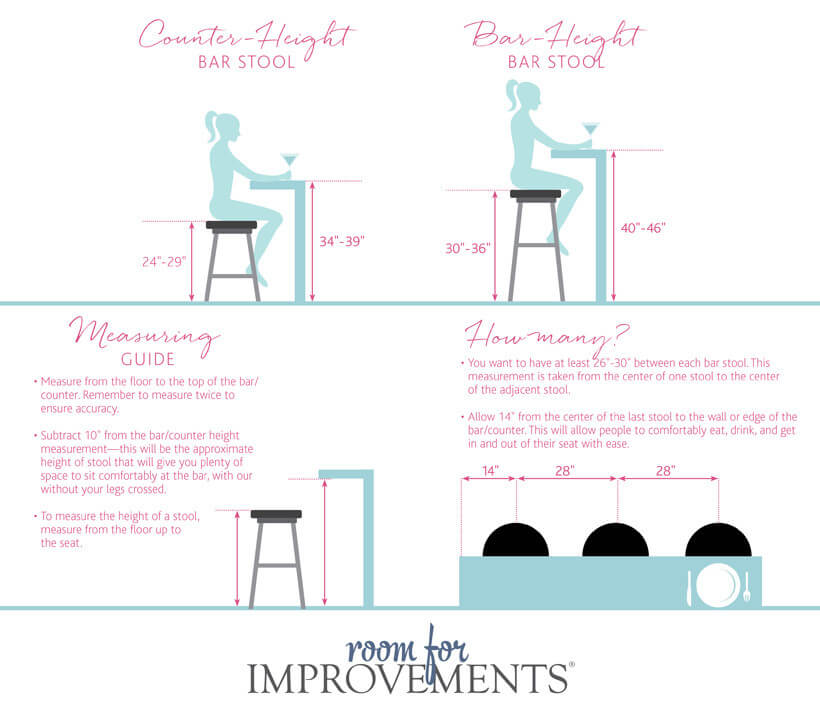
Image Source: www.signaturekab.com
Grasping Standard Island Heights
Kitchen islands are helpful for many things. They add counter space. They can be a spot for eating or doing homework. They offer extra storage. Their height is a big part of how they work in your kitchen.
The standard kitchen island height often matches your main countertops. This makes for a smooth look in the kitchen. It also keeps things easy for cooking and prep work. Most people find this height comfortable for cutting, mixing, and other kitchen tasks.
Think about your main kitchen countertop height. This is usually the base height for many kitchen layouts. A standard kitchen counter height is set to be comfortable for most adults to work at standing up. Islands often follow this rule.
But islands offer more choices. They can be higher or lower than the main counters. This lets them serve different purposes. A higher island is good for casual eating with stools. A lower island feels more like a traditional table.
Knowing the different heights helps you pick the best island. It should fit your kitchen’s style. It should also fit how you live and use your space every day.
Examining Different Island Heights
Islands come in a few common heights. Each height works best for different uses. Let’s look at the main ones.
Counter Height Island Details
This is the most popular height. A counter height island is typically 36 inches (91 cm) tall. This matches the standard kitchen counter height. It makes the island a simple extension of your main workspace.
- Uses: This height is great for food prep. You can chop vegetables, roll dough, or use small appliances easily. It provides lots of space right where you need it.
- Seating: You can put stools at a counter height island. The seat height needed is usually around 24 to 26 inches (61-66 cm). This height is comfortable for a quick meal or coffee. It also works well for kids doing homework while you cook.
- Benefits:
- Seamless look with existing counters.
- Great for cooking and prep tasks.
- Comfortable standing height for most adults.
- Easy to clean spills from counters.
- Offers casual seating without being too high.
This height is the average island height you will see in many homes. It’s a safe and functional choice for most kitchens. The recommended island height for a versatile workspace is often counter height.
Bar Height Island Details
A bar height island is taller than counter height. It’s usually around 40 to 42 inches (102-107 cm) tall. This height is similar to a traditional bar counter.
- Uses: This height is best for casual dining or drinks. It creates a separate zone for eating away from the main prep area. It can also offer a standing spot for guests to gather while you cook.
- Seating: You need taller stools for a bar height island. The seat height should be around 28 to 30 inches (71-76 cm). This provides the right legroom. Bar height seating feels more like a raised table.
- Benefits:
- Clearly separates the cooking area from the eating area.
- Provides a natural gathering spot for guests.
- Can hide a messy workspace from view on the seating side.
- Works well in open-plan homes to define spaces.
- Offers a different style than standard counters.
When you think about island with seating height, bar height is often what comes to mind for a distinct eating area.
Table Height Island Details
This is the lowest standard island height. It’s typically around 30 inches (76 cm) tall. This is the same height as a standard dining table.
- Uses: A table height island functions much like a kitchen table placed in the center of the room. It’s ideal for sit-down meals, games, or longer activities like craft projects. It’s less common for heavy-duty food prep tasks that require standing.
- Seating: You use standard dining chairs with a table height island. The seat height is typically around 18 inches (46 cm).
- Benefits:
- Provides comfortable, standard seating for meals.
- Feels more relaxed and social than higher options.
- Easier for children and people with mobility issues to use.
- Can blend the kitchen with an adjacent dining area.
Table height islands are less frequent as the primary island function but can be a great choice for specific needs. They might be part of a multi-level island design.
Comparing Island Heights
Let’s look at the heights side-by-side.
| Island Height Type | Typical Height | Best Use Case | Seating Type Needed |
|---|---|---|---|
| Counter Height | 36 inches (91 cm) | Food Prep, General Workspace, Casual Seating | Stools (24-26 in) |
| Bar Height | 40-42 inches (102-107 cm) | Casual Dining, Gathering Spot | Stools (28-30 in) |
| Table Height | 30 inches (76 cm) | Sit-down Meals, Extended Activities | Chairs (18 in) |
Choosing the right height depends on your needs. Most homes opt for counter height for its balance of function and seating. Bar height is popular for creating a dedicated dining area. Table height is best when the island’s main role is eating or family time.
Deciphering Your Optimal Island Height
Picking the best height for your kitchen island needs thought. It’s not just about what looks good. It’s about how you will use the space. The optimal kitchen island height is the one that works best for your lifestyle.
Several things play a part in this choice.
Considering Intended Uses
How will you use your island most often?
* Mostly for cooking and food prep? Counter height (36 inches) is likely the best choice. It matches your main counters. This keeps your workflow smooth. It’s the most functional height for chopping, mixing, etc.
* Mostly for casual eating or drinks? Bar height (40-42 inches) is a strong option. It sets the eating area apart. People can sit and chat without being right in your workspace.
* Mostly for sit-down meals or activities? Table height (30 inches) is ideal. It’s comfortable for long periods of sitting. It feels like a dining table.
If you want the island for many uses, a multi-level design might be the answer. This can offer different heights on one island. For example, part could be counter height for prep, and another part could be bar height for seating.
Factoring in User Height
Who will use the island the most?
* For taller people, a counter height island might feel a bit low for prep work. Some might prefer a slightly taller counter height, maybe 37 or 38 inches, if it’s a custom build.
* For shorter people, even counter height might be a reach. A table height section could be easier for some tasks.
* If children will use the island, table height is easiest for them to sit at. Counter height with the right stools works too. Bar height is less kid-friendly for sitting.
The average island height of 36 inches works for many people. But consider if your household is taller or shorter than average.
Reviewing Kitchen Layout
How does the island fit into your kitchen space?
* In a small kitchen, a counter height island can make the space feel bigger and more open than a bar height one, which creates a visual break.
* In open-plan living spaces, a bar height island can act as a divider between the kitchen and living areas. It shields the kitchen mess from view.
* Think about walking paths around the island. Height affects how the space feels. A taller island might feel more imposing in a small area.
Kitchen island dimensions overall play a role here too. A very long island at bar height might look like a commercial bar. A wide island at counter height gives lots of prep space.
Assessing Seating Needs
How many people need to sit at the island? How often will they sit there?
* For quick snacks or coffee, counter height seating is fine.
* For regular meals, table height or comfortable counter height stools are better.
* Bar height provides a dedicated eating spot. But make sure you have enough knee space underneath. We’ll cover island with seating height details more soon.
The recommended island height often balances prep space and seating. For general use, 36 inches is hard to beat.
Exploring Island Dimensions Beyond Height
While height is key, kitchen island dimensions include length and width too. These also affect how the island works and looks in your kitchen.
- Length and Width: How much counter space do you need? How many people need to sit? A small kitchen needs a smaller island. A large kitchen can handle a bigger one. Make sure there’s at least 36 inches (91 cm), and ideally 42-48 inches (107-122 cm), of walkway space around all sides of the island.
- Depth: For an island with seating, you need enough overhang for knees. For counter height, aim for at least 12 inches (30 cm) of overhang. For bar height, you need about 10-11 inches (25-28 cm). For table height, you need the standard table overhang of 18 inches (46 cm).
The overall size should fit your kitchen scale. A giant island in a tiny kitchen looks wrong. A tiny island in a huge kitchen looks lost.
Fathoming Island With Seating Height
Adding seating to an island makes it much more useful. But you need to get the height right for comfort. This depends directly on the island’s height. The key is the distance between the seat and the underside of the island top. You need enough room for legs and knees.
Seat Height Rules
There’s a simple rule of thumb for choosing stool or chair height based on your island height:
- For a 36-inch (91 cm) counter height island: Use stools with a seat height of about 24-26 inches (61-66 cm). These are called counter height stools.
- For a 40-42 inch (102-107 cm) bar height island: Use stools with a seat height of about 28-30 inches (71-76 cm). These are called bar height stools.
- For a 30-inch (76 cm) table height island: Use chairs with a seat height of about 18 inches (46 cm). These are standard dining chairs.
You want roughly 10 to 12 inches (25-30 cm) between the top of the seat and the underside of the island counter. This gives enough knee room.
Knee Space and Overhang
The overhang of the countertop is where you tuck your knees. This space is vital for comfortable seating.
- Counter Height (36 inches): Aim for at least a 12-inch (30 cm) overhang. More is better if space allows, up to 15 inches (38 cm).
- Bar Height (40-42 inches): A 10-11 inch (25-28 cm) overhang is usually enough because the seating is higher.
- Table Height (30 inches): Like a dining table, you need about 18 inches (46 cm) of overhang for full comfort.
If the island has cabinets or supports underneath, make sure they don’t block legroom. For seating, the underside of the counter should be clear space in the seating area.
How Many Seats Fit?
How wide does the seating area need to be per person?
* Allow about 24 inches (61 cm) of width per person at counter or table height.
* Allow about 24-26 inches (61-66 cm) per person at bar height. Bar stools can sometimes be narrower, but giving enough space is better for comfort.
So, a 6-foot long island might comfortably seat three people at counter or bar height. A longer island seats more.
Getting the island with seating height correct makes the space usable and pleasant for eating, chatting, or working. It’s a key part of the island’s function.
Comprehending Options Beyond Standard
Most islands are built to standard heights. But there are other options. These can fit special needs or offer more flexibility.
Adjustable Height Islands
Some modern islands have mechanisms to change their height. This might be manual or electric.
- Uses: These are great for multi-use islands. You can raise it for comfortable standing prep. Lower it for comfortable seated dining or a workspace accessible to all heights.
- Benefits:
- Maximum flexibility for different tasks and users.
- Can adapt to various activities like baking (lower height) or chopping (higher height).
- Can be great for accessibility needs.
Adjustable height islands cost more than fixed-height ones. They also need power if electric.
Multi-Level Islands
As mentioned, an island can have different sections at different heights.
- Uses: A common design is a counter height area for prep and a raised bar height section for seating. Or a counter height area with a lower table height section attached.
- Benefits:
- Combines the benefits of different heights in one unit.
- Clearly separates kitchen tasks from eating or social areas.
- Adds visual interest to the kitchen design.
Multi-level islands can take up more space than single-level ones. Planning the transitions between heights is important for looks and function.
Custom Heights
Sometimes, standard sizes just don’t work. Maybe you are very tall or short. Maybe you have specific accessibility needs. You can build a custom island at any height.
- Uses: Tailored workspace height for specific users. Lower sections for wheelchair access. Higher sections for ergonomic benefits for tall cooks.
- Benefits:
- Perfect fit for the primary users.
- Addresses unique needs not met by standard sizes.
- Allows for truly personalized kitchen design.
Custom heights cost more and require careful planning. But they can make a big difference in comfort and usability.
Thinking about these non-standard options broadens your choices. They can help create a truly unique and functional kitchen island.
Planning for Island Installation
Once you decide on the height and type of island, plan the install carefully.
Accurate Measuring
Measure your space twice (or three times!).
* Check the length and width the island will take up.
* Ensure there is enough clearance around all sides. Remember the 36-48 inch walkway rule.
* Consider appliance door swings (oven, dishwasher, fridge). Will they hit the island?
* If the island is replacing a table, picture the difference in height and size.
Flooring Matters
Will the island sit on top of your finished floor, or will the flooring go around it?
* If the flooring goes around, the island base sits directly on the subfloor. This is best if you ever want to change the flooring later. It means the island height measurement is from the subfloor up.
* If the island sits on the finished floor, the height is measured from the finished floor. If you change flooring later, you might need to adjust the island height or deal with gaps.
Most islands are installed before the final flooring goes down. This is something to discuss with your contractor.
Electrical Outlets
Many building codes require electrical outlets on kitchen islands.
* Think about where you need power (mixers, blenders, laptops, phone chargers).
* Plan the location of outlets based on the island’s height and function. Outlets need to be accessible but not in the way.
* The height of the outlet box matters for inspection and convenience.
Integrating with Existing Counters
If your island is the same height as your existing standard kitchen counter height (36 inches), the materials should ideally match or complement well.
* Think about countertop materials. Will the island top match the main counters? Or will it be different? Different materials can work, but make sure they look good together.
* Consider the edge profile of the countertop. Should it match the main counters?
Making sure the new island fits visually and functionally with your existing kitchen is key.
Picturing Different Heights in Your Kitchen
Let’s imagine how each height feels in a real kitchen setting.
- Counter Height (36 inches): Picture a standard kitchen. The island sits at the same level as the rest of the counters. It feels like an extension of the main workspace. Stools are tucked under neatly. It feels open and part of the main kitchen flow. This height supports the idea of the kitchen as a busy, functional space.
- Bar Height (40-42 inches): Imagine a slight wall or barrier. The island feels taller. People sitting on bar stools are at a higher level. This height can make the kitchen feel more like an entertaining area. The raised counter can hide things on the main counter from view. It creates a distinct zone for guests or family members not involved in cooking.
- Table Height (30 inches): See a traditional table placed in the kitchen area. People sit on standard chairs. It feels lower, more grounded, and inviting for a relaxed meal or activity. This height changes the feeling of the kitchen. It makes it feel more like a dining or family hub rather than just a workspace.
Visualizing these differences helps you decide which height fits the ‘feel’ you want for your kitchen.
Avoiding Common Island Height Mistakes
Choosing an island height seems simple, but some common errors can make it less useful or comfortable.
Choosing the Wrong Height for Primary Use
The biggest mistake is picking a height that doesn’t match how you’ll use the island most.
* If you love to bake and roll dough, a bar height island is a poor choice for that task. It’s too high to lean over comfortably.
* If you want the island mainly for family dinners, counter or bar height seating might not be comfortable enough for long periods.
* Think carefully about the main purpose before getting fixed on a height.
Not Accounting for Seating Space
If you plan to add seating, make sure there’s enough room.
* Not enough overhang means people hit their knees.
* Not enough width per person makes seating cramped and awkward.
* Don’t forget the space behind the stools. People need room to pull the stools out and sit down, and for others to walk behind them. Allow at least 3 feet (91 cm) behind seated individuals, ideally 4 feet (122 cm) for busy walkways.
The island with seating height and dimensions must work together.
Ignoring User Height
If you or other main users are significantly taller or shorter than average, standard heights might not be comfortable.
* A tall person might hunch over a 36-inch counter for prep.
* A shorter person might struggle to reach across a deep counter or sit comfortably at a high stool.
* Consider a custom height or a multi-level island if standard sizes won’t work for the people who will use it most.
Overlooking Electrical Needs
Forgetting to plan for outlets can be a headache later.
* Adding outlets after the island is installed is harder and costs more.
* Plan where you need power outlets during the design phase.
Careful planning avoids these issues. It helps ensure your island is a truly valuable addition to your kitchen.
FAQ: Your Island Height Questions Answered
Here are some common questions people ask about kitchen island heights.
Q: What is the standard kitchen island height?
A: The most common height is 36 inches (91 cm), matching standard kitchen counters.
Q: Is 30 inches a good height for a kitchen island?
A: 30 inches (76 cm) is table height. It’s great if you want the island to function mainly as a dining table with chairs. It’s less common for primary prep work.
Q: What is the difference between counter height island and bar height island?
A: A counter height island is typically 36 inches (91 cm) tall. A bar height island is usually 40-42 inches (102-107 cm) tall. They use different height stools and serve slightly different purposes (prep vs. casual dining).
Q: What stool height do I need for a 36-inch island?
A: You need counter height stools, typically 24-26 inches (61-66 cm) tall.
Q: What stool height do I need for a 42-inch island?
A: You need bar height stools, typically 28-30 inches (71-76 cm) tall.
Q: How much overhang is needed for island seating?
A: For counter height (36 inches), aim for at least 12 inches (30 cm). For bar height (40-42 inches), 10-11 inches (25-28 cm) is usually enough. For table height (30 inches), aim for 18 inches (46 cm).
Q: What is the optimal kitchen island height?
A: The optimal height depends on its main use. 36 inches is optimal for prep work. 40-42 inches is optimal for a separate casual eating area. 30 inches is optimal for sit-down meals with chairs.
Q: Does kitchen island dimensions include height?
A: Yes, when people talk about island dimensions, they usually mean length, width (or depth), and height. All three dimensions are important for fitting the island into your space and making it functional.
Q: Is 36 inches the same as standard kitchen counter height?
A: Yes, 36 inches (91 cm) is the widely accepted standard height for kitchen counters and matching islands.
Q: What is the average island height?
A: The average island height is 36 inches (91 cm) because this is the standard counter height and the most popular choice for islands.
Q: Is a recommended island height always 36 inches?
A: While 36 inches is often recommended for general use because it works well for prep and casual seating, the true recommended height depends on your specific needs and how you plan to use the island.
In Conclusion
Choosing the right height for your kitchen island is a key decision. It affects how you use your kitchen every day. The standard kitchen island height of 36 inches is a popular and versatile choice. It works well as extra prep space and allows for casual seating.
Higher bar height islands create a distinct area for dining. Lower table height islands offer comfortable seating for meals or family activities.
Think about what you need the island for most. Consider who will use it and how it fits into your kitchen layout. Don’t forget about seating needs and the right stool height or chair height (island with seating height).
Whether you choose the average island height of 36 inches, a taller or shorter option, or even a multi-level design, getting the height right makes your island a perfect fit for your home and lifestyle. Careful planning ensures your island is not just a beautiful part of your kitchen, but a truly functional one too.