Image Source: assets.wfcdn.com
Standard Heights & More: How Tall Is A Kitchen Table?
How tall is a kitchen table? Most kitchen tables are about 28 to 30 inches tall. This is the most common height. People call this the standard dining height. But tables can be different heights for different uses. We will explore the standard kitchen table height and other common heights like counter height and bar height, explaining what makes each one right for a space.
Deciphering Standard Dining Table Height
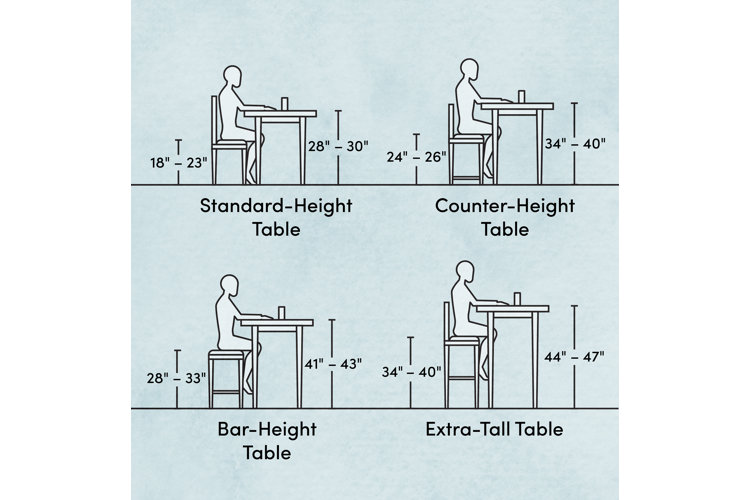
Let’s look at the most common table height first. This height is called standard dining height. It is also the standard kitchen table height for many homes. These tables are usually 28 to 30 inches tall. This is roughly 71 to 76 centimeters.
Why is this height so common? It works very well with standard dining chairs. Standard dining chairs have seats that are about 18 inches from the floor. Sometimes they are 17 to 19 inches high. This leaves a good space for your legs under the table. It gives you about 10 to 12 inches of space between the chair seat and the table top. This is the right amount of space for most people to sit comfortably while eating.
This height feels natural for many uses. It is perfect for family meals. It is good for doing homework. It works for playing board games. It is easy to reach food in the middle of the table. Many people find this height comfortable for long periods. Your arms can rest on the table edge without lifting your shoulders too high. This helps your posture. It makes sitting and talking easier.
When you buy a dining set, the table is most likely this height. It is the average dining table height people think of. You can check the label or measure it yourself. These dining table measurements inches are key when buying furniture. You need to make sure chairs and tables work together. A standard height table is a safe and popular choice. It fits well in dining rooms. It works great in many kitchen spaces too. It offers a stable surface for many everyday tasks. This height has been used for a long time because it simply works for most people and most common activities. It is easy for people of different ages to use, from children to older adults.
Exploring Counter Height Tables
Some tables are a bit taller than the standard type. One popular taller height is called counter height. The standard kitchen counter in most homes is about 36 inches tall. Counter height tables match this height. They are usually 34 to 36 inches tall. This is about 86 to 92 centimeters.
Why would you choose a counter height table? They can be good for smaller spaces. They do not take up as much visual room. They can make a kitchen area feel more open. They are also great for casual eating. They work well for a quick breakfast or lunch. Often, a breakfast bar height is set at this level.
You need different seats for counter height tables. You need counter height stools. The seats of these stools are usually 24 to 26 inches high. This gives you the right space for your legs under the taller table. It keeps the 10-12 inch gap between the seat and the table top.
A counter height table standard goes well with a kitchen island. Many kitchen island height standard designs have a counter height section. This lets you use the island for both food prep (standing) and eating (sitting on stools). It creates a nice flow in the kitchen.
Counter height tables let people stand and talk easily with people who are sitting. This makes them good for gathering in the kitchen. People can lean on the table while standing. This feels relaxed and social.
However, there are things to think about with this height. It can be harder for young children to get onto the stools. It might also be difficult for some older adults or people with mobility issues. The stools can sometimes feel less stable than regular dining chairs. Make sure the stools have a footrest. This helps you sit comfortably. Your feet need a place to rest at this height.
This height changes the feel of the space. It lifts things up higher. It can make the room feel more active. It is a modern choice. It is often used in open kitchen and living areas. It bridges the gap between the kitchen workspace and the dining area. It offers a different way to interact in the space compared to a lower table.
- Counter Height Range: 34 to 36 inches (86-92 cm)
- Matching Stool Seat Height: 24 to 26 inches (61-66 cm)
- Typical Use: Casual meals, quick snacks, social gathering in kitchen, extra workspace.
- Pros: Can make space feel open, good for casual use, works well with kitchen counters/islands.
- Cons: Harder for young kids/some adults, requires specific stools.
Fathoming Bar Height Tables
The tallest common table height is bar height. These tables are even higher than counter height tables. They are usually 40 to 42 inches tall. This is about 102 to 107 centimeters. Think of the high tables and counters you see in bars or pubs. They are typically this high.
If you choose a bar height table, you need special, very tall stools. These are called bar height stools. The seats of these stools are usually 28 to 30 inches high. This keeps the needed 10-12 inch gap between the seat and the table top.
Bar height tables are great for small areas. They take up little floor space visually. They work well for standing around and chatting. They are good for drinks or quick snacks. Some kitchen designs use this height for a breakfast bar height section. This is usually a raised part of the counter or island.
Bar height table dimensions mean they stand quite tall in the room. This can add visual interest. It can create a defined zone in an open space. They can feel very casual and social. People can stand easily next to someone sitting.
But this height is not the best choice for everyone. It is the hardest for young children and older adults to use. The stools are very tall. Getting on and off can be a challenge. Stability can be a bigger concern with such tall stools. They are not comfortable for long meals or activities like homework. Your arms might feel awkward resting on such a high surface for a long time.
Bar height tables are less common as the main eating table for a family. They are often used as extra seating or a place to hang out. They work well in game rooms, basements, or entertainment areas. They give a specific, more formal bar feel. They are a design choice that makes a strong statement in the room.
- Bar Height Range: 40 to 42 inches (102-107 cm)
- Matching Stool Seat Height: 28 to 30 inches (71-76 cm)
- Typical Use: Drinks, quick snacks, standing gatherings, small spaces, entertainment areas.
- Pros: Saves visual space, creates a distinct zone, good for standing interaction.
- Cons: Hardest to use for kids/some adults, requires tall stools, less comfortable for long sits/meals.
Interpreting Kitchen Island Height Standards
Kitchen islands are a key part of many modern kitchens. They often serve multiple purposes. An island can be a workspace for cooking. It can also be a place to eat or gather. The height of the eating area on a kitchen island is important.
A common kitchen island height standard matches the main kitchen counter height. This is about 36 inches tall. This counter height island is great because it works for food prep on top. People can sit on one side using counter height stools (24-26 inch seats). This is a popular setup for a casual breakfast or a place for people to sit while you cook.
Some islands have two different levels. The main part might be 36 inches high for cooking. A section for seating could be raised higher. This raised section is often bar height, about 42 inches tall. This is sometimes called a raised breakfast bar height. It hides the mess on the main counter a bit. It needs bar height stools (28-30 inch seats). This gives two different areas with different uses and looks. The lower part is clearly the work zone. The higher part is the social or eating zone.
Less often, a kitchen island might have a section that drops down to standard dining height (28-30 inches). This is good if you want the feel of a regular table connected to your island. It needs standard dining chairs. This setup is great for families who want the island as their main eating area but prefer the comfort and ease of standard chairs.
The height of your kitchen island determines what kind of seating you need. It also affects how the space is used. A counter height island is very versatile. It flows well from the main counters. A bar height island creates a strong visual break. It feels more like a dedicated bar area. Consider how you plan to use your island most often. This helps you decide on the best height or combination of heights.
Considering ADA Table Height for Accessibility
Designing spaces for everyone is important. This includes people with disabilities. The Americans with Disabilities Act (ADA) has rules for public spaces. These rules ensure tables are usable by people in wheelchairs. An ADA table height needs to meet specific requirements.
An ADA-compliant table top must be 28 to 30 inches from the floor. This is the same range as standard dining height. This height allows a wheelchair to roll under the table.
But table height is not the only rule. You also need enough space under the table for knees and feet. This is called knee clearance. The space under the table, from the floor to the bottom of the table surface or apron (the frame under the top), must be at least 27 inches high. It must also be at least 30 inches wide. And it must be at least 19 inches deep.
This clear space is vital. It lets someone in a wheelchair get close enough to the table. They can pull up and use the table comfortably. Without enough knee clearance, even a 28-30 inch table height might not work.
While ADA rules are for public places, they are good guidelines for homes too. If someone in your home or a frequent visitor uses a wheelchair, looking for an ADA table height is a good idea. It ensures comfort and usability. Choosing a table with a thin top and no thick apron helps meet the knee clearance rule. Tables with pedestal bases often offer better knee clearance than tables with legs at the corners, as long as the base is not too wide. An ADA table height with proper knee clearance makes the table welcoming for all.
Grasping Ergonomic Dining Table Height
Ergonomics is about making things fit people well. This makes using them more comfortable and healthy. An ergonomic dining table height is one that works best for the people using it. It helps you sit with good posture. Good posture means less strain on your body.
The right table height depends on the height of the chair you are using. And it depends on the height of the people sitting there. As mentioned before, there should be about 10 to 12 inches between the seat of your chair and the top of the table. This allows space for your legs. It also lets you sit straight with your arms resting comfortably.
If the table is too high for the chair:
* Your shoulders might go up.
* Your arms reach up too much.
* This can cause neck and shoulder pain.
* It is hard to eat or write comfortably.
If the table is too low for the chair:
* You might slouch over the table.
* Your legs might feel cramped under the table.
* This can cause back pain.
* It feels awkward to eat or work.
Choosing the right table height for chairs is key to ergonomics. If you have chairs you want to keep, measure their seat height first. Then look for a table that is 10-12 inches taller than the seat. If you are buying a set, the maker has usually matched the heights correctly.
Think about the people who will use the table most.
* Are they mostly adults of average height? Standard dining height (28-30 inches) is usually good.
* Are there young children? Standard height with booster seats or kids’ tables is better than high tables.
* Are there very tall people? A slightly taller table might be more comfortable, or chairs with higher seats if possible.
* Are there shorter adults? Making sure their feet can touch the floor or use a footrest is important at any height.
An ergonomic dining table height supports good posture. It makes sitting for meals or other activities more pleasant. It helps prevent aches and pains that come from sitting awkwardly. It is about making the furniture fit the person, not making the person fit the furniture.
Additional Table Height Variations
Besides the main types, there are other table heights:
- Children’s Tables: These tables are made for young kids. They are much lower, often 20 to 24 inches high. They match small chairs or stools for kids.
- Adjustable Height Tables: Some modern tables can change height. You might turn a crank or push a button. They can go from coffee table height up to dining or even standing desk height. These offer great flexibility.
- Coffee Tables: While not kitchen tables, they show lower heights. Coffee tables are usually 16 to 18 inches tall. They are for placing drinks or books while sitting on a sofa. This shows how height changes function.
Knowing these different heights helps you see the range of options. It is not just about eating. It is about how the table fits into your life and space.
Choosing the Right Height for Your Home
Picking the best table height for your home is a big decision. It affects how you use the space every day. Here are some things to think about:
-
How Will You Use It?
- Is it mainly for family dinners? Standard dining is usually best.
- Is it for quick breakfasts and casual chats? Counter height or a kitchen island section works well.
- Is it for entertaining with drinks and snacks? Bar height might be a fun choice.
- Will kids do homework here? Standard dining height is often good.
- Will older adults use it often? Standard dining or ADA height might be easier.
-
Who Will Use It Most?
- Consider the average height and age of the people in your home.
- Think about ease of getting on and off chairs or stools.
-
How Much Space Do You Have?
- Measure your room carefully. Use those dining table measurements inches to see what fits.
- Remember to leave space around the table for chairs and walking. You need at least 3 feet of space around the table.
- Taller tables (counter/bar) can make a small room feel less crowded visually.
-
Do You Have Chairs Already?
- If you have chairs you love, find a table that matches their seat height (10-12 inches difference).
- Buying a set ensures they match.
-
What is Your Style?
- Standard height tables feel classic and formal.
- Counter height and bar height tables feel more modern and casual.
- Think about the overall look and feel you want for your room.
-
Do You Need Accessibility?
- If you need space for a wheelchair, look for an ADA table height with proper knee clearance (28-30 inch top, 27+ inch knee clearance).
Navigating the choices means thinking about your lifestyle. It is about comfort. It is about how the table fits into your daily life. It is about making your home work for you.
Recap: Key Kitchen Table Heights
To sum things up, here are the main table heights:
- Standard Dining Height (Standard Kitchen Table Height): 28-30 inches. Most common. Works with standard chairs (17-19 inch seats). Good for formal and casual meals, homework, long sits. Comfortable for most people. This is the average dining table height.
- Counter Height Table Standard: 34-36 inches. Matches kitchen counters. Works with counter height stools (24-26 inch seats). Good for casual eating, quick snacks, works well with kitchen islands.
- Bar Height Table Dimensions: 40-42 inches. Tallest common type. Works with bar height stools (28-30 inch seats). Good for drinks, standing interaction, small spaces, casual feel.
- Kitchen Island Height Standard: Often matches counter height (36 inches) or includes a raised bar height (42 inches) section. Needs matching stools.
- ADA Table Height: 28-30 inches with at least 27 inches of knee clearance below. Important for accessibility.
Choosing the right height is about more than just inches. It is about how you want to live and use your space. Think about your needs, your family, and your style. The right table height makes your kitchen or dining area more comfortable and more functional. It makes your house feel more like home.
Frequently Asked Questions (FAQ)
h4: What is the most common kitchen table height?
The most common kitchen table height is standard dining height. This is about 28 to 30 inches tall.
h4: Can I use dining chairs with a counter height table?
No, standard dining chairs are too low for a counter height table. Dining chair seats are usually 17-19 inches high. Counter height tables are 34-36 inches tall. You would need special counter height stools with seats around 24-26 inches high.
h4: What is the average space needed between a chair seat and the table top?
A good rule is to have about 10 to 12 inches of space between the top of the chair seat and the bottom of the table top. This gives enough room for your legs and helps you sit comfortably with good posture.
h4: What is knee clearance under a table?
Knee clearance is the clear open space from the floor up to the bottom of the table. This space is needed for your legs and knees. For ADA rules, this space must be at least 27 inches high, 30 inches wide, and 19 inches deep to allow wheelchair access.
h4: Are bar height tables practical for families with young children?
Bar height tables can be difficult for young children to use. They require very tall stools that can be hard for kids to get onto and off safely. Standard dining height tables are generally a better and safer choice for families with young children.
h4: Does kitchen island height standard always match counter height?
No, the standard height for a kitchen island seating area often matches counter height (about 36 inches), but many islands have a raised section that is bar height (about 42 inches). Some islands even have a lower section at standard dining height.