Image Source: images.squarespace-cdn.com
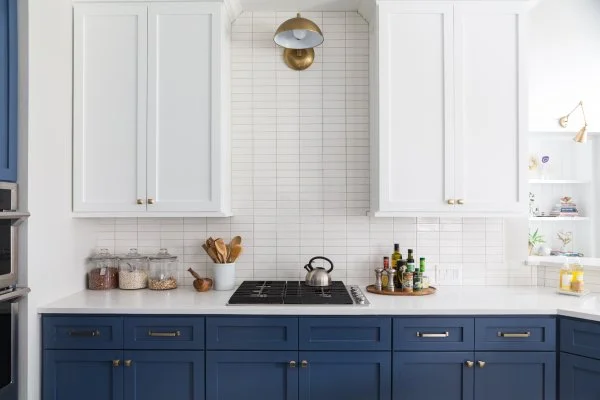
Guide: How Tall Are Upper Kitchen Cabinets Standard Sizes
How tall are upper kitchen cabinets standard sizes? Standard upper kitchen cabinet height often falls within a range, commonly 30, 36, or 42 inches. This is the typical height of wall cabinets you see in many kitchens. These sizes are standard because they work well in most homes and fit different ceiling heights. Let’s look closer at these common sizes and other important kitchen cabinet dimensions standard. We will talk about how high they hang and how much space sits between the countertop and upper cabinets.
Grasping Standard Cabinet Heights
Kitchen cabinets that hang on the wall come in set sizes. These are called standard sizes. Knowing these sizes helps you plan your kitchen layout. It also helps when you buy cabinets.
The most common standard upper kitchen cabinet height options are:
- 30 inches tall
- 36 inches tall
- 42 inches tall
These heights are measured from the bottom of the cabinet to the top. They do not include any decorative trim or crown molding that might be added later.
Why These Heights?
These typical height of wall cabinets work in many kitchens.
- 30-inch cabinets: These are often used when the kitchen has lower ceilings. They also work when cabinets do not go all the way up to the ceiling. They leave space above the cabinets for decoration or just open air.
- 36-inch cabinets: These are a very popular choice. They work well with standard ceiling heights, like 8 feet (96 inches). When you put 36-inch cabinets above the usual empty space over the counter, they often reach close to an 8-foot ceiling. This gives you good storage space.
- 42-inch cabinets: These cabinets are taller. They are often used in kitchens with higher ceilings, like 9 feet or more. Using 42-inch cabinets can make them reach closer to the ceiling. This gives you the most storage possible. It also gives a look where cabinets feel more built-in and grand.
Think about your kitchen’s ceiling height first. This helps you pick the right standard cabinet height. You want the cabinets to fit well in the space.
Knowing the Mounting Height
It’s not just how tall the cabinet is. It’s also about how high up the wall you put it. This is called the wall cabinet mounting height. This height is measured from the floor to the bottom edge of the upper cabinet.
The most common wall cabinet mounting height is 54 inches from the finished floor.
Why 54 inches? Let’s break it down simply:
- Countertop Height: Kitchen countertops are usually 36 inches high from the floor.
- Empty Space Above Counter: There is usually an empty space between the top of the counter and the bottom of the upper cabinets.
- Standard Space: This space between countertop and upper cabinets is most often 18 inches tall.
So, 36 inches (counter) + 18 inches (empty space) = 54 inches. This means the bottom of the upper cabinets sits 54 inches from the floor. This is the standard kitchen cabinet height from floor for wall cabinets.
Why 18 Inches Above the Counter?
Having 18 inches of space above the counter is standard for a few reasons:
- Appliances: Many small kitchen appliances, like blenders, coffee makers, and toaster ovens, need room to fit under the cabinets. 18 inches gives enough space for most of these.
- Workspace: This amount of space makes it easy to work on the counter. You have room to chop food, mix things, and use your counter space comfortably.
- Code: In some places, building rules might suggest or require a certain amount of space for safety, especially above the stove for ventilation hoods. While not always exactly 18 inches everywhere, it’s a widely accepted and practical measurement.
- Looks: This space ratio looks good in most kitchens. It feels balanced.
So, when you hear about standard cabinet height, remember there are two main heights to think about:
- The height of the cabinet itself (like 30, 36, or 42 inches).
- The height from the floor to where the cabinet starts (usually 54 inches).
The height from the floor sets the space above your counter. The height of the cabinet fills the wall space above that empty area.
Standard Wall Cabinet Depth
Besides height, the other main dimension for upper cabinets is depth. Depth means how far the cabinet sticks out from the wall.
Standard wall cabinet depth is usually 12 inches.
This means the cabinet box itself is 12 inches deep. The door adds a little bit more, usually less than an inch. So, the total depth from the wall might be closer to 12.5 inches.
Why 12 Inches Deep?
- Reach: Most people can easily reach items at the back of a 12-inch deep cabinet. Cabinets that are too deep make it hard to get things from the back.
- Headroom: A 12-inch depth gives you space to work on the counter without hitting your head on the cabinets.
- Looks: This depth looks right in most kitchens. It doesn’t stick out too far into the walking space.
- Storage: It provides a good amount of storage for plates, glasses, cans, and other kitchen items.
While 12 inches is standard wall cabinet depth, you can sometimes find deeper wall cabinets. These might be 15 or 18 inches deep. But they are less common. Deeper cabinets offer more storage. But they can make the counter space feel smaller and might be harder to reach into.
So, typical kitchen cabinet dimensions standard for upper cabinets are:
- Height: 30, 36, or 42 inches
- Depth: 12 inches (mostly)
- Width: Widths come in many sizes, usually in 3-inch steps (like 12, 15, 18, 21, 24, 27, 30, 33, 36 inches wide). Width depends on the space you have on the wall.
Putting it Together: Standard Heights and Layouts
Let’s see how the height of the cabinet and the mounting height work together. We will look at standard 8-foot ceilings (96 inches).
Imagine you have an 8-foot ceiling. You set the wall cabinet mounting height at 54 inches from the floor. This leaves an 18-inch space above your 36-inch counter.
- Using 30-inch cabinets: The cabinet goes from 54 inches up to 54 + 30 = 84 inches from the floor. Your 8-foot ceiling is 96 inches high. This leaves 96 – 84 = 12 inches of space between the top of the cabinets and the ceiling. This space is often used for crown molding or is left open.
- Using 36-inch cabinets: The cabinet goes from 54 inches up to 54 + 36 = 90 inches from the floor. This leaves 96 – 90 = 6 inches of space between the top of the cabinets and the ceiling. This 6 inches is perfect for adding standard crown molding. This makes the cabinets look like they go all the way up to the ceiling edge. This is a very common setup.
- Using 42-inch cabinets: The cabinet goes from 54 inches up to 54 + 42 = 96 inches from the floor. This height is exactly 8 feet. So, 42-inch cabinets placed at the standard 54-inch mounting height will go all the way up to an 8-foot ceiling. This uses all the vertical space for storage.
Here is a simple table showing this:
| Ceiling Height | Counter Height | Space Above Counter | Mounting Height (from floor) | Upper Cabinet Height | Top of Cabinet (from floor) | Space Above Cabinet (to ceiling) | Common Use Case |
|---|---|---|---|---|---|---|---|
| 96 inches (8 ft) | 36 inches | 18 inches | 54 inches | 30 inches | 84 inches | 12 inches | Lower ceilings, space above needed |
| 96 inches (8 ft) | 36 inches | 18 inches | 54 inches | 36 inches | 90 inches | 6 inches | Standard look, fits crown molding |
| 96 inches (8 ft) | 36 inches | 18 inches | 54 inches | 42 inches | 96 inches | 0 inches | Cabinets go to ceiling |
| 108 inches (9 ft) | 36 inches | 18 inches | 54 inches | 42 inches | 96 inches | 12 inches | Leaves space above for molding or stacking |
(Note: Sometimes people put shorter cabinets and stack smaller cabinets on top to reach higher ceilings. This gives a different look and more storage. This isn’t covered in this basic table.)
Considering Tall Wall Kitchen Cabinets Height
We talked about 42 inches being the tallest standard height. But what about very tall wall kitchen cabinets height? Sometimes cabinets are made taller than 42 inches. Or people stack cabinets to reach very high ceilings.
Very tall cabinets or stacked cabinets might be used in kitchens with 9, 10, or even 12-foot ceilings.
- For a 9-foot ceiling (108 inches): You could use 42-inch cabinets mounted at 54 inches (top at 96 inches). This leaves 108 – 96 = 12 inches above. This space could be filled with crown molding or another small cabinet box on top (like a 12-inch or 15-inch high cabinet).
- For a 10-foot ceiling (120 inches): You might use 42-inch cabinets and stack 18-inch or 21-inch cabinets on top. This reaches up to 96 + 18 = 114 inches or 96 + 21 = 117 inches. This gets close to the ceiling.
Tall cabinets offer a lot of storage. They also give a grand look to the kitchen. But reaching the top shelves can be hard. You might need a step stool or ladder.
When You Might Need Custom Upper Cabinet Heights
While standard sizes work for many homes, sometimes you need cabinets that are not standard. This is where custom upper cabinet heights come in.
You might need custom heights if:
- Unusual Ceiling Height: Your ceiling isn’t a standard 8, 9, or 10 feet. Maybe it slopes or is an odd height. Custom cabinets can be made to fit this exact space.
- Specific Appliances: You have a special appliance that needs more or less space above the counter than the standard 18 inches. For example, a very tall stand mixer.
- Design Look: You want a very specific look that standard sizes can’t give you. Maybe cabinets that end exactly in line with a window top, even if it’s not a standard height.
- Older Homes: Older homes can have uneven floors or walls. Standard cabinets might not fit neatly. Custom sizes can fix this.
- Matching Old Cabinets: If you are adding cabinets to a kitchen that already has old cabinets, you might need custom ones to match the existing height.
Custom cabinets cost more than standard cabinets. They take longer to make. But they can give you a perfect fit and a unique look for your kitchen.
What Affects Cabinet Height Choices?
Choosing the right height for your upper cabinets involves thinking about a few things. It’s more than just picking a size you like.
Here are key factors:
- Ceiling Height: This is the most important factor. Standard cabinet heights (30, 36, 42 inches) are made to work with common ceiling heights (8, 9 feet). Know your ceiling height before you choose.
- Desired Look: Do you want cabinets to go all the way to the ceiling? Do you want space above them? Do you want a traditional look (often with space above for molding) or a modern look (often going right to the ceiling)?
- Storage Needs: Taller cabinets give you more storage room. If you have lots of dishes or appliances to store, taller cabinets are better.
- Who Uses the Kitchen: How tall are the people who use the kitchen? If people are shorter, very high cabinets might be hard to reach. If people are tall, standard mounting height (54 inches) might feel a bit low above the counter.
- Appliance Clearance: As we talked about, the 18-inch space above the counter is standard for small appliances. Make sure your chosen height and mounting height give you enough room for things like coffee makers and blenders. Also, consider space needed above the range for a hood fan.
- Window and Door Frames: Cabinets usually end or start around windows and doors. The height of your windows or door frames can affect where cabinets can go and how tall they should be.
- Budget: Custom cabinets cost more than standard sizes. If you need to save money, sticking to standard 30, 36, or 42-inch cabinets is a good idea.
Thinking about these things helps you make the best choice for your kitchen.
Tips for Planning Cabinet Height
Planning your upper cabinet height correctly is key to a good kitchen. Here are simple tips:
- Measure Everything: Measure your ceiling height in a few spots. Floors and ceilings might not be perfectly flat or level. Measure the height of your windows and doors. Note where outlets are.
- Mark on the Wall: Use a pencil to draw lines on the wall where the bottom of the upper cabinets will go (usually 54 inches from the floor). Draw lines where the tops will go based on the cabinet height you choose (54 + cabinet height). This helps you see how it will look.
- Check Appliance Fit: If you have a tall appliance you want under the cabinets, measure its height. Make sure the standard 18-inch space above the counter is enough. If not, you might need to adjust the mounting height slightly (but be careful not to make it too low to work comfortably).
- Think About Crown Molding: If you are using 36-inch cabinets with 8-foot ceilings, the 6 inches above is usually for standard crown molding. If you use 30-inch cabinets, you’ll have more space (12 inches). You can use bigger molding or leave space.
- Plan Around Hoods: The cabinet above the stove is usually different. It needs to fit a range hood. The hood itself has rules about how high it must be above the stove top (usually 18-30 inches, check your hood’s rules). This affects the cabinet above it.
- Consider Reach: Stand where the cabinets will be. Can you easily reach the shelves? If you use 42-inch cabinets or stack them, plan for a small step stool if needed.
Following these steps helps you avoid problems and ensures your cabinets fit well and work for you.
Reviewing Key Standard Dimensions
Let’s quickly review the main standard kitchen cabinet dimensions standard for upper cabinets.
- Standard Upper Cabinet Height: Most common heights are 30 inches, 36 inches, and 42 inches.
- Standard Wall Cabinet Depth: Usually 12 inches.
- Wall Cabinet Mounting Height: Typically 54 inches from the finished floor to the bottom of the cabinet.
- Space Between Countertop and Upper Cabinets: This is usually 18 inches. This space is from the top of the standard 36-inch high counter to the bottom of the upper cabinet mounted at 54 inches.
- Kitchen Cabinet Height from Floor: For wall cabinets, the bottom edge is usually 54 inches from the floor. Base cabinets (the ones on the floor) are usually 34.5 inches tall, bringing the counter height to 36 inches.
These numbers are the basic building blocks for planning a kitchen with standard cabinets.
Getting the Right Fit for Your Home
Choosing the right height and placement for your upper kitchen cabinets is important for how your kitchen looks and how well it works. Standard sizes like 30, 36, and 42 inches offer good choices for most homes, especially with common 8-foot or 9-foot ceilings.
Setting the standard upper kitchen cabinet height at 54 inches from the floor creates the usual 18-inch space above the counter. This is a practical and popular choice. This space helps with workspace and fitting small appliances.
Remember standard wall cabinet depth is typically 12 inches. This depth helps with reach and comfort while working at the counter.
If your kitchen has unusual shapes, heights, or needs, custom upper cabinet heights are an option. They cost more but give a perfect fit.
Always measure your space carefully. Think about your ceiling height, storage needs, and who will use the kitchen. Use the standard kitchen cabinet dimensions standard as a guide, but make sure they work for your specific situation.
Tall wall kitchen cabinets height options, like 42 inches or stacked cabinets, are great for high ceilings or lots of storage. But think about how you will reach the top shelves.
By understanding these standard sizes and how they relate to your kitchen space, you can plan a kitchen that is both beautiful and easy to use.
Frequently Asked Questions About Upper Cabinet Height
How high should upper cabinets be from the floor?
Upper kitchen cabinets are usually mounted so their bottom edge is 54 inches from the finished floor. This is the standard kitchen cabinet height from floor for wall cabinets.
How much space should be between the counter and upper cabinets?
The standard space between countertop and upper cabinets is 18 inches. This is measured from the top of the counter (usually 36 inches high) to the bottom of the upper cabinet.
What are the typical height of wall cabinets?
The typical height of wall cabinets are standard sizes: 30 inches, 36 inches, and 42 inches tall.
What is standard upper kitchen cabinet height for an 8-foot ceiling?
For an 8-foot ceiling (96 inches), 36-inch tall upper cabinets are very common. When mounted at 54 inches from the floor, they leave about 6 inches at the top, which is good for crown molding. 30-inch and 42-inch cabinets are also used depending on the desired look.
Can upper cabinets be mounted higher or lower than 54 inches?
Yes, the wall cabinet mounting height can be changed. Sometimes it’s raised a little for taller users or lowered slightly. But changing this standard space (usually 18 inches above the counter) might make it hard to fit appliances or affect comfort.
What is the standard wall cabinet depth?
Standard wall cabinet depth is typically 12 inches, not including the door thickness.
How tall are tall wall kitchen cabinets height options?
Beyond standard 42 inches, cabinets can be custom-made taller, or standard cabinets (like 42 inches) can have smaller cabinets (like 12, 15, or 18 inches) stacked on top to reach higher ceilings, creating taller units.
What are standard kitchen cabinet dimensions standard overall?
Standard kitchen cabinet dimensions standard include base cabinets (around 34.5 inches tall, 24 inches deep) and upper cabinets (30, 36, or 42 inches tall, 12 inches deep). Widths come in many standard sizes, typically increasing in 3-inch steps.
Is 15 inches space above counter enough?
15 inches of space above the counter is sometimes used, especially for shorter people or specific designs. However, it’s tighter than the standard 18 inches and might not fit all small appliances. It can also make the counter feel less open.
How do I know what height upper cabinets to choose?
Consider your ceiling height first. Decide if you want space above the cabinets or want them to go near the ceiling. Think about your storage needs and who will use the cabinets. Check space needed for appliances above the counter and stove.