Many people ask how often they should change their kitchen. A big kitchen update often lasts about 10 to 15 years. But this time can change based on many things. How much you use it, the quality of the things you put in, and your personal style all play a part. Let’s look at the facts to help you decide when it’s the right time for you.
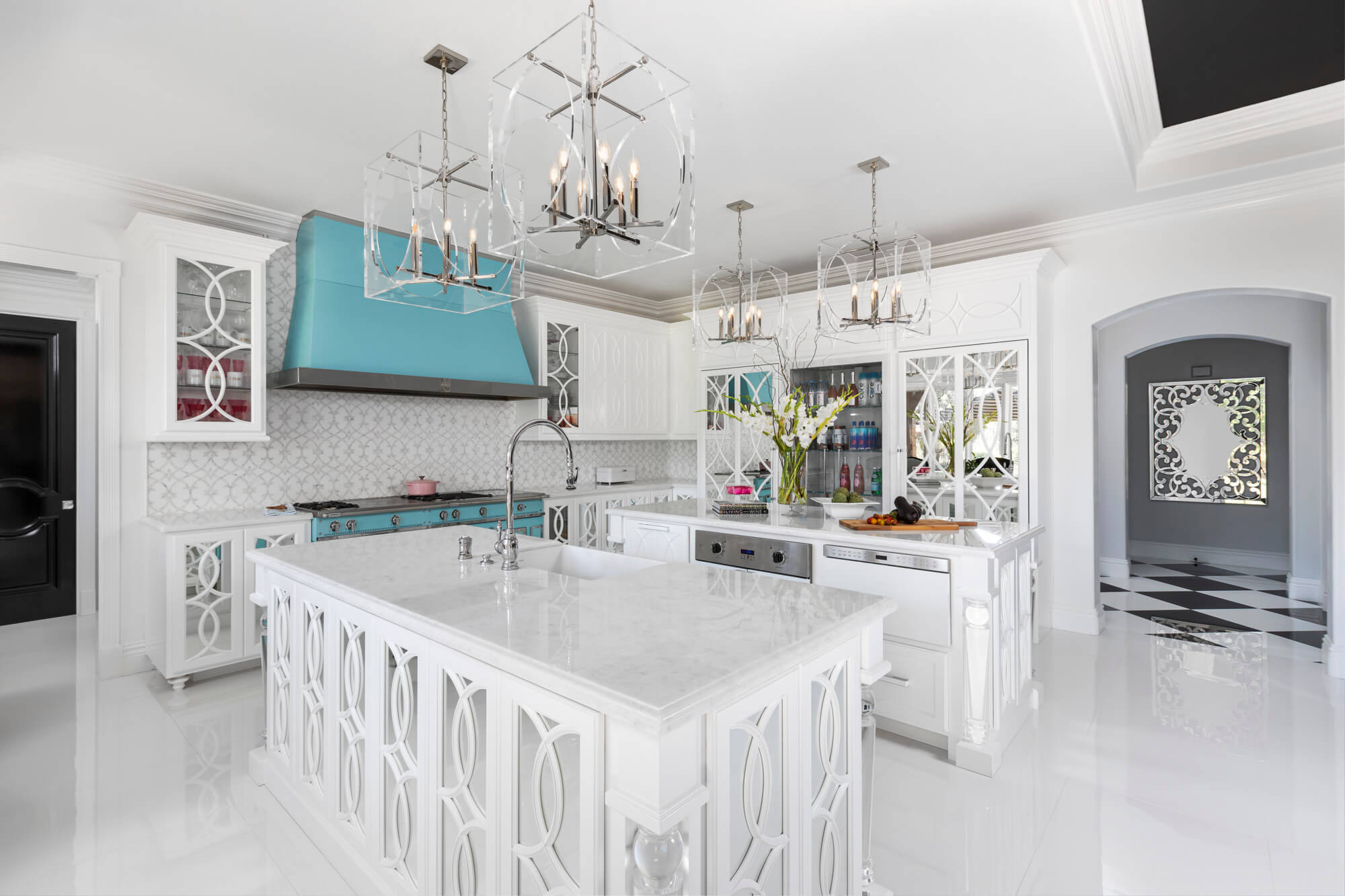
Image Source: www.seapointe.com
Figuring Out How Often to Change Your Kitchen
Thinking about changing your kitchen is a big step. It costs time and money. Knowing how long a kitchen usually lasts helps you plan. It’s not always about waiting until things break. Sometimes you just want a fresh look or need more space.
What is the Average Kitchen Remodel Lifespan?
A big kitchen remodel, where you change cabinets, counters, floors, and more, often stays looking good and working well for about 10 to 15 years. This is the average kitchen remodel lifespan. After this time, things might start to look old or wear out.
But not all updates are the same. A small update, like painting cabinets or changing lights, might only look fresh for 5 to 7 years. A very high-end kitchen with the best parts might last even longer than 15 years. It really depends on what you do and how well it is done.
Why You Might Need a New Kitchen Sooner
Sometimes, you can’t wait 10 or 15 years. There are clear signs that tell you it’s time to think about fixing up your kitchen.
Grasping the Signs Your Kitchen Needs Remodeling
Look for these things that show your kitchen is ready for a change:
- Things Look Worn Out:
- Are the cabinet doors falling off or scratched?
- Are the countertops stained, burned, or chipped?
- Is the floor scratched, cracked, or peeling?
- Is the paint on the walls or cabinets peeling or dirty?
These are clear signs your kitchen needs remodeling. Heavy use over many years makes things look old and tired.
- Things Don’t Work Right:
- Do the drawers stick when you try to open or close them?
- Are the cabinet doors not shutting properly?
- Are your appliances very old and maybe not working as well as they should? (More on appliances soon!)
- Is the layout of your kitchen just awkward? Do you bump into things? Is it hard to cook or move around?
- Is there not enough space to store your food, dishes, or cooking tools?
A kitchen that doesn’t work well day after day is frustrating. Updating an old kitchen can make cooking and living so much easier.
- It Looks Very Old-Fashioned:
- Does your kitchen look like it’s from a different time? Think bright orange countertops or dark, heavy cabinets from the 70s or 80s.
- Are the colors, styles, and materials just not what you like anymore?
Even if everything works, an outdated style can make your whole house feel old. Updating an old kitchen can give your home a fresh, modern feel.
- There are Safety Problems:
- Are there problems with the electrical outlets or lights?
- Are there plumbing leaks under the sink?
- Is the floor uneven and easy to trip on?
Safety issues are a big reason to renovate quickly. Don’t wait if your kitchen is not safe.
- Your Family Needs Have Changed:
- Did you have more children? You might need a bigger kitchen or a better layout for family meals.
- Are you getting older and need things to be easier to reach or a floor that’s not slippery?
- Do you like to entertain more and need an open space?
Sometimes, your life changes, and your kitchen needs to change with it. When to renovate kitchen often depends on these personal life changes.
How Long Do Kitchen Parts Last?
Your kitchen is made of many parts. Each part has its own life. Knowing how long each piece might last helps you see if you need a small fix or a big change.
Lifespan of Kitchen Cabinets
Cabinets are a big part of your kitchen’s look and cost. How long they last depends a lot on how they were made.
- Builder-Grade Cabinets: These are often the cheapest kind. They might be made of particleboard or thin wood with plastic-like finishes. They might only look good for 5 to 10 years, especially with heavy use. Doors might sag or finishes might peel.
- Mid-Range Cabinets: These use better materials like solid wood fronts and stronger boxes. They are built better and can last 10 to 20 years or even longer.
- Custom Cabinets: These are made just for your kitchen with the best materials and building methods. They can last 20, 30, or even more years. They are built to be very strong and can often be refinished or repainted over time.
The lifespan of kitchen cabinets is also affected by how you take care of them and how much you use them. Spills, steam, and slamming doors can make them wear out faster.
Here’s a simple idea of how long cabinets might last:
| Cabinet Type | How Long They Might Last (Simple Idea) |
|---|---|
| Builder-Grade | 5 to 10 years |
| Mid-Range | 10 to 20 years |
| Custom/High-End | 20+ years |
If your cabinets are old, falling apart, or look very outdated, it’s a strong sign you need a kitchen update.
How Long Do Kitchen Appliances Last?
Appliances are the working tools of your kitchen. They get used every day. Like cars, they have a lifespan.
- Refrigerators: Often last about 10 to 15 years. Fancy ones with ice makers or screens might have more things that can break.
- Dishwashers: Usually last around 9 to 10 years. Minerals in your water can affect how long they last.
- Ovens/Ranges (Gas or Electric): Can last 10 to 15 years or even longer. Electric parts might fail first. Gas stoves are often very durable.
- Microwave Ovens: Smaller ones might only last 7 to 10 years. Built-in models might last a bit longer.
- Vent Hoods: Can last 10 to 15 years or more, as they have fewer moving parts than other appliances.
How long do kitchen appliances last depends on the brand, the model, how often you use them, and if you clean and care for them. If many of your appliances are nearing the end of their typical life, replacing them might be part of your kitchen plan. Sometimes, old appliances use more energy too. New ones can save you money on electric or gas bills.
Here’s a simple idea of appliance lifespans:
| Appliance | How Long It Might Last (Simple Idea) |
|---|---|
| Refrigerator | 10 to 15 years |
| Dishwasher | 9 to 10 years |
| Oven/Range | 10 to 15 years |
| Microwave Oven | 7 to 10 years |
| Vent Hood | 10 to 15+ years |
Other Parts (Counters, Floors, Fixtures)
- Countertops: How long countertops last depends a lot on the material. Laminate might show wear in 10-15 years. Solid surface or quartz can last 20-30 years or more. Granite, if sealed well, can last a lifetime. Wear and tear like scratches, stains, or chips show it’s time to change.
- Flooring: Kitchen floors get lots of foot traffic, spills, and maybe dropped items. Vinyl or laminate floors might last 10-20 years. Tile or solid hardwood can last much longer, maybe 30+ years or even a lifetime if cared for.
- Faucets and Sinks: These get a lot of use too. Faucets might start to leak or look old after 10-15 years. Sinks, depending on material (stainless steel, cast iron), can last 15-30 years or more, but might get stained or scratched.
When many of these different parts are all getting old at the same time, it’s often smarter and more cost-effective to do a bigger remodel instead of fixing one thing at a time.
Does a New Kitchen Add Home Value?
Many people update their kitchen not just to enjoy it now, but also to help the value of their home when they sell later.
Interpreting Kitchen Remodel Return on Investment
Kitchen remodel return on investment (ROI) means how much money you get back on your renovation cost when you sell your home. For example, if you spend $10,000 and your home’s value goes up by $7,000, your ROI is 70%.
Kitchen and bathroom updates usually give the best ROI compared to other home projects. Buyers look closely at these rooms. A nice, updated kitchen can make a buyer choose your home over another.
However, you almost never get 100% of the money back that you spend on a kitchen remodel. The ROI changes based on:
- How Big the Project Is: Often, smaller updates give a higher percentage of money back than very large, expensive ones. A minor refresh might give you 70-80% ROI, while a major, high-end remodel might give you only 50-60%.
- Your Home’s Value: An expensive kitchen in a modest home might not add as much value as a mid-range kitchen in a mid-range home. The kitchen should fit the rest of the house and the neighborhood.
- What Buyers Want: Trends change. A kitchen that looks great now might look old in 10 years.
- How Well the Work Was Done: Good quality work adds value. Poor work costs money to fix and can lower value.
- The Housing Market: In a strong market, you might get more money back.
So, while a new kitchen is a good investment for living in your home, don’t plan to get every dollar back if you sell soon after. The value is also in enjoying your kitchen while you live there.
How Much Does Changing Your Kitchen Cost?
Knowing the cost of kitchen renovation is key to planning. The cost can change a lot depending on what you do.
Deciphering the Cost of Kitchen Renovation
Many things affect the cost:
- Size of Your Kitchen: A bigger kitchen needs more cabinets, countertops, flooring, etc., which costs more.
- What You Change: Are you just painting cabinets? Or changing everything including moving walls and plumbing?
- Materials You Pick: Laminate counters are much cheaper than granite or quartz. Builder-grade cabinets cost less than custom ones. Simple appliances cost less than high-end, smart ones.
- Where You Live: Costs for labor and materials are higher in some areas than others.
- Who Does the Work: Doing some work yourself (like painting) can save money, but major work needs professionals (contractors, plumbers, electricians).
Here are simple cost ideas for different types of kitchen updates. These are just average ranges and can be very different based on where you live and your choices.
| Remodel Type | Simple Cost Range (Estimate) | What It Might Include (Simple Idea) |
|---|---|---|
| Minor Update | $10,000 – $20,000+ | Painting cabinets, new hardware, new faucet, new lights, maybe new sink, painting walls, maybe new appliance or two. |
| Mid-Range Remodel | $20,000 – $50,000+ | New cabinets (not custom), new counters (like granite or quartz), new appliances, new sink/faucet, new flooring, maybe some lighting or layout changes. |
| Major Remodel | $50,000 – $100,000+ or more | Moving walls, changing layout, new everything (often custom or high-end cabinets, best counters, high-end appliances), new plumbing, new electrical work. |
It’s important to get written quotes from a few different contractors when you are planning. Make sure the quotes list everything they will do. Always plan for a little extra money (10-20%) for unexpected costs that might come up during the work.
What is the Kitchen Remodel Timeline?
A kitchen remodel is not a quick job. It takes time to plan and build. Knowing the kitchen remodel timeline helps you get ready for the mess and not having your kitchen ready to use for a while.
Fathoming the Steps and Time
Here are the simple steps in a kitchen remodel and how long each might take:
- Planning and Design: This is where you decide what you want, pick materials, and get drawings. This can take 1 to 4 weeks or even longer if you are making big changes or waiting for design ideas.
- Finding a Contractor: Getting quotes and picking someone you trust takes time. This can be 1 to 3 weeks.
- Ordering Materials: Cabinets, appliances, counters, and other special items need to be ordered. Cabinets can take 4 to 12 weeks to arrive, or even longer for custom ones. Special order counters, tiles, or appliances also take time. This waiting time is a big part of the timeline, even before building starts.
- Getting Permits (If Needed): If you are moving walls, changing plumbing, or doing major electrical work, you will need permits from your city or town. This can take 1 to 6 weeks or more. Building cannot start until permits are approved.
- Demolition: Taking out the old kitchen. This is fast but messy, maybe 1 to 3 days.
- Building and Installation: This is the main work.
- Putting in new plumbing and electrical wires (behind walls).
- Putting in walls or changing the layout.
- Installing new flooring.
- Putting in cabinets.
- Putting in new windows or doors if needed.
- Installing countertops (often measured after cabinets are in).
- Putting in appliances, sink, and faucet.
- Adding backsplash tile.
- Painting.
This part of the work usually takes 4 to 12 weeks or more, depending on how big the project is and if there are any problems.
- Finishing Touches: Adding hardware to cabinets, final cleaning, touch-up paint. This takes a few days.
So, from the moment you start planning to the moment your kitchen is ready to use, a kitchen remodel timeline can be 2 to 6 months or even longer. This means you will be without your main kitchen for many weeks during the building phase. Planning ahead for cooking (maybe setting up a temporary kitchen somewhere else) is important.
Here is a simple look at the timeline:
| Step | Simple Time Idea |
|---|---|
| Planning and Picking | 1 to 4+ weeks |
| Getting Quotes/Contractor | 1 to 3 weeks |
| Ordering Things | 4 to 12+ weeks (waiting) |
| Getting Permits | 1 to 6+ weeks |
| Demolition | 1 to 3 days |
| Building Work | 4 to 12+ weeks |
| Finishing Up | A few days |
| Total Time (Estimate) | 2 to 6+ months |
The actual building part is shorter than the whole process, but you can’t use your kitchen during the building part.
Putting It Together: When to Renovate Your Kitchen
There’s no single perfect answer for when to renovate kitchen. It’s a mix of practical needs, how things look, and your personal situation.
Your Kitchen Renovation Frequency
Thinking about your kitchen renovation frequency involves looking at several things:
- The Age and Condition of Your Kitchen: Are the main parts (cabinets, appliances) reaching the end of their typical lifespan? Do you see many signs your kitchen needs remodeling?
- How Well Your Kitchen Works: Does the layout make sense? Is there enough storage? Is it easy to cook and clean?
- Your Budget: Do you have the money saved up or planned for the cost of kitchen renovation?
- Your Plans for Your Home: Are you planning to sell soon? If so, a minor or mid-range update might be best for kitchen remodel return on investment. Are you planning to stay for many years? Then you can build the kitchen you truly want, focusing on what you love, not just resale value.
- Your Personal Style: Do you just really dislike the way your kitchen looks? Does updating an old kitchen feel important to you for enjoying your home?
Most people will update their kitchen at least once if they live in a home for a long time. It might be a small update after 10-15 years and maybe a bigger one after 20-30 years.
You don’t have to wait for everything to break. Sometimes, getting ahead of problems makes sense. For example, if your appliances are 12 years old and you plan a remodel next year, it might be better to replace them as part of the project rather than having one break right before you start.
Think about what is most important to you: fixing problems, making it look better, or adding home value. Your reasons will help you decide the best time for your kitchen renovation frequency.
Questions People Ask (FAQ)
Here are some common questions about changing your kitchen:
- How often should kitchens be remodeled?
Many people update their kitchen every 10 to 15 years for a big change. Smaller updates happen more often. - What is the average kitchen remodel lifespan?
A full kitchen remodel typically lasts well for 10 to 15 years. The quality of the work and materials can make this longer or shorter. - What are the main signs my kitchen needs fixing?
Look for things that are broken or worn out (like scratched counters or broken cabinets), a bad layout, old appliances that don’t work well, safety problems, or a style that looks very old-fashioned. - Does updating my kitchen add value to my home?
Yes, usually. Kitchen updates are popular with buyers. But you might not get back every dollar you spend. Kitchen remodel return on investment is often high, but rarely 100%. - How long do kitchen parts last?
The lifespan of kitchen cabinets can be from 5 years (cheap ones) to 20+ years (good ones). How long do kitchen appliances last is often 10-15 years for fridges and ovens, and less for dishwashers or microwaves. - Is updating an old kitchen always a big job?
No. Updating an old kitchen can be simple like painting cabinets and changing the faucet. Or it can be a major project changing everything and moving walls. You can choose the level of update that fits your needs and budget. - How long does a kitchen remodel take?
The kitchen remodel timeline from start to finish (planning, ordering, building) is usually 2 to 6 months or even longer for big jobs. The time you can’t use your kitchen (during building) is shorter, often 4 to 12 weeks. - When should I start planning a kitchen renovation?
Start planning long before you want to start building. You need time to think about design, get quotes, and wait for materials to arrive. This planning phase can take weeks or months.
Deciding when to renovate kitchen is a personal choice. Look at your kitchen’s age, how well it works for you, how it looks, and what you can spend. Knowing the facts about how long things last and what’s involved helps you make the best decision for your home and your family.