How much weight can a kitchen cabinet hold? Kitchen cabinets, including wall and base types, can typically hold a good amount of weight, but it varies a lot based on how they’re made and put in. Wall cabinets often safely hold between 50 to 100 pounds per shelf, or around 150 to 200 pounds total, if hung correctly. Base cabinets, resting on the floor, can handle much more, often several hundred pounds per cabinet box. How much weight can kitchen shelves support inside these cabinets also differs, usually holding from 15 to 50 pounds per square foot depending on the shelf material and thickness. Knowing the Kitchen cabinet weight capacity helps keep your kitchen safe and your cabinets in good shape.
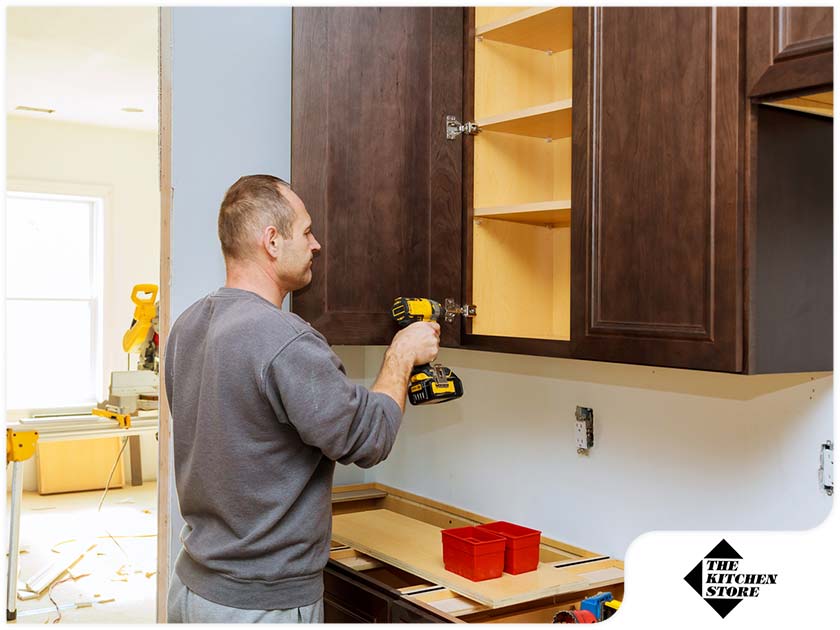
Image Source: www.thekitchenstore.net
Why Knowing Cabinet Limits Matters
It’s important to know the weight limits for your kitchen cabinets. Why? It helps you keep your kitchen safe and makes your cabinets last longer.
Keeping Your Kitchen Safe
Imagine a shelf loaded with heavy dishes. If the shelf can’t hold that weight, it might sag, crack, or even break. This could cause things to fall out, potentially hurting someone or breaking your valuable items. Knowing the Safe weight limit for kitchen cabinets stops accidents from happening.
Making Cabinets Last Longer
Putting too much weight in cabinets puts stress on them. This can make the shelves bend, the cabinet box twist, or the connections weaken over time. By staying within the Maximum weight for kitchen cabinets, you help them stay strong and look good for many years. This means you won’t need to fix or replace them as soon.
What Makes Cabinets Strong
Several things affect how much weight a kitchen cabinet can hold. It’s like building a house; the materials and how they are put together are key.
What Cabinets Are Made Of
The stuff your cabinets are built from is a big factor in their strength.
Wood Power
Solid wood is often the strongest material. Think of hard woods like maple, oak, or cherry. Cabinets made from these materials are usually very sturdy and can hold a lot of weight. Plywood, especially thicker grades, is also very strong and stable. It’s made of thin layers of wood glued together, which gives it good strength.
Board Basics
Other materials are used too. Particleboard is made of wood chips pressed and glued. MDF (Medium-Density Fiberboard) is made of fine wood fibers pressed and glued. These are less expensive but not as strong as solid wood or plywood. They can be more likely to sag or break under heavy loads, especially if they get wet. The type of material greatly affects the overall Cabinet loading capacity.
How Cabinets Are Built
How cabinet pieces are joined together and the overall structure matters a lot.
Strong Joints Matter
Corners and connections need to be strong. Methods like dovetails or dado joints (where pieces fit into grooves) make stronger cabinets than simply stapling or nailing pieces together. A strong cabinet box is the base for its ability to hold weight.
Backing It Up
The back panel of a cabinet also plays a role. A thin, flimsy back might not offer much support, while a thick plywood back helps keep the cabinet square and adds to its strength, especially when it’s attached to the wall.
How Cabinets Are Put In
How cabinets are attached is super important, especially for wall cabinets.
Hanging Them Right
Wall cabinets must be screwed into the wooden studs inside your walls. These studs are strong and designed to hold weight. Just screwing into drywall using anchors is not safe for heavy kitchen items. If a wall cabinet isn’t properly anchored into studs, its Wall cabinet weight limit is very low, and it could fall. Screws should be long enough to go through the cabinet back, the drywall, and deep into the stud.
Standing Tall
Base cabinets sit on the floor, so they handle weight differently. The weight goes down through the cabinet box to the floor. They still need to be anchored to the wall, but this is more to keep them from tipping forward than to hold their main weight. Base cabinet weight capacity is generally much higher than wall cabinets.
Shelves and Their Supports
The shelves inside the cabinets and what holds them up are key to the Cabinet shelf load limit.
Shelf Stuff
What the shelf is made of is vital. A solid wood or thick plywood shelf holds much more weight than a thin particleboard or MDF shelf of the same size. The thickness of the shelf also matters. A thicker shelf will sag less and hold more weight over the same span. This directly impacts how much weight can kitchen shelves support.
Holding Them Up
How the shelf is held up is also important. Metal shelf pins are common, but they need to be good quality and seated properly in strong holes. Sometimes, cleats (strips of wood running along the sides of the cabinet) offer even better support for heavy loads, especially in pantry cabinets or for wide shelves. The strength of the shelf pins and the material they are pushed into impacts the shelf’s ability to carry weight.
Typical Weight Limits for Kitchen Cabinets
While limits vary, we can give you some general ideas about the Load capacity of kitchen cupboards. Remember, these are just estimates. Always check with the cabinet maker if you can.
Hanging High: Wall Cabinets
Wall cabinets are the ones mounted on the wall above your counters.
Average Limits
A standard 30-inch wide wall cabinet, properly installed into studs, can typically hold between 150 and 200 pounds total. This is the total weight spread across all its shelves and inside the cabinet box. So, the weight per shelf is less, usually around 50 to 100 pounds depending on the shelf material and supports. This gives you an idea of the Wall cabinet weight limit.
What Fits Inside?
Think about what people put in wall cabinets:
- Plates: A stack of 12 dinner plates might weigh 15-25 pounds.
- Glasses/Mugs: A dozen glasses or mugs could be 5-10 pounds.
- Bowls: Stacks of bowls might be 10-20 pounds.
- Canned Goods: A few cans are heavy, perhaps 1-2 pounds each.
Filling a wall cabinet with just plates might reach the limit faster than filling it with lighter items like plastic containers or spices. Spreading heavy items across different shelves and cabinets helps. The Load capacity of kitchen cupboards on the wall needs careful consideration of item weight.
Standing Strong: Base Cabinets
Base cabinets sit on the floor and form the base for countertops.
Average Limits
Base cabinets are much stronger because their weight rests on the floor. A standard 30-inch wide base cabinet can often hold several hundred pounds, sometimes 500 pounds or more, especially if it has sturdy construction and good shelf supports. The Base cabinet weight capacity is much higher than wall cabinets, making them suitable for heavier items.
What Fits Inside?
Base cabinets are good for heavier things:
- Pots and Pans: A set of cookware can be quite heavy, easily 50-100 pounds or more for a full collection.
- Small Appliances: Mixers, slow cookers, or food processors are heavy.
- Heavy Food Items: Bags of flour, sugar, or cases of drinks are often stored here.
- Dishes: Sometimes heavy dish sets are stored in lower cabinets for ease of access.
Because they are floor-standing, the main limit for base cabinets is often the strength of the shelves and drawers inside, and whether the cabinet box itself is well-made and stable.
Tall Storage: Pantry Cabinets
Pantry cabinets are tall cabinets, often floor-to-ceiling, used for food or supplies.
Average Limits
Pantry cabinet weight capacity varies greatly based on size, build, and shelf type. A large, tall pantry cabinet might hold hundreds of pounds in total. The weight is spread across many shelves. Like base cabinets, they rest on the floor, but their height means they must be securely anchored to the wall to prevent tipping.
What Fits Inside?
Pantry cabinets hold a mix:
- Canned goods and dry food (heavy)
- Small appliances
- Baking supplies
- Cleaning supplies
The shelves in a pantry cabinet are often deeper and wider than wall cabinet shelves. The maximum weight for kitchen cabinets of the pantry type depends heavily on the shelf material and how well those deep shelves are supported along their length and at the back. How much weight can kitchen shelves support in a pantry needs shelves that are extra strong, often thicker or with cleats.
Finding Your Cabinet’s Limit
How can you figure out the specific Kitchen cabinet weight capacity for your own cabinets? It’s not always easy, but here are some steps.
Check the Maker’s Info
If you know who made your cabinets, look for their website or contact them. They might have specifications or guides that list the load capacity of kitchen cupboards they make. This is the best way to get an accurate number. Look for papers that came with the cabinets when they were new.
Look at How It’s Built
If you can’t find maker info, look closely at your cabinets:
- Materials: Are they solid wood, plywood, particleboard, or MDF? Stronger materials mean higher limits.
- Shelf Thickness: Thicker shelves hold more weight without bending.
- Shelf Supports: Are they small metal pins or strong cleats? Cleats offer more support for the Cabinet shelf load limit.
- Cabinet Back: Is it thin and flimsy or thick and sturdy?
- Installation: For wall cabinets, can you see or feel where they are screwed into the wall studs?
These observations can give you a rough idea of how robust your cabinets are. A well-built cabinet with sturdy materials will have a higher Safe weight limit for kitchen cabinets.
Try a Safe Test (Use Caution!)
You can get a sense of a shelf’s strength with a simple, careful test. Place known weights (like bags of sugar or flour, or weights from a gym) onto a shelf slowly. Watch closely. Stop if you see any bending or hear any cracking noises. Do not put a lot of weight on at once. This is just to get a feeling for the shelf’s stiffness. It’s much better to rely on maker specs or expert opinion if possible. Never test wall cabinets this way by adding excessive weight; the risk of them falling is too high. This test is mainly for base cabinet or pantry shelves.
Loading Your Cabinets Wisely
Knowing the limits is one thing; loading them the right way is another. Smart loading helps you stay within the Maximum weight for kitchen cabinets and prevents problems.
Heavy Stuff Goes Down
Always put your heaviest items in lower cabinets (base cabinets) or on the lowest shelves in pantry cabinets. These locations are best equipped to handle weight, as it goes directly to the floor. Avoid putting very heavy items on high shelves in wall cabinets.
Spread the Weight
Don’t stack all your heaviest dishes or cans on just one shelf or in one spot on a shelf. Distribute the weight evenly across the shelf surface. Also, spread heavy items across different cabinets rather than packing one cabinet full of only heavy things. This helps manage the overall Kitchen cabinet weight capacity of your kitchen system.
Don’t Go Over the Top
Even if you think your cabinets are strong, it’s best not to push the limits constantly. Leave some room below the estimated limit. Overloading, even slightly, repeatedly over time can cause damage. Keep the load within the Safe weight limit for kitchen cabinets.
What Happens If You Overload?
Putting too much weight in your cabinets can cause problems. Here are some signs that your cabinets might be overloaded or under strain.
Sagging Shelves
This is the most common sign. A shelf that is holding too much weight will start to bend downwards in the middle. This is especially true for longer shelves or shelves made of weaker materials like particleboard. Sagging shelves mean the Cabinet shelf load limit has been exceeded.
Loose Cabinets
For wall cabinets, overloading can stress the mounting points. You might notice the cabinet pulling away from the wall slightly, or the screws might seem loose. This is a dangerous sign and means the Wall cabinet weight limit has likely been surpassed, putting the cabinet at risk of falling.
Doors Not Closing
If a cabinet box is twisting or shifting due to too much weight, the doors might not line up correctly or close properly. This can happen in base cabinets if the internal structure is compromised, affecting the Base cabinet weight capacity integrity.
Cracks and Breaks
In severe cases, the cabinet material itself can crack, especially around joints or where shelves are supported. Shelves can snap. This is a clear sign that the Load capacity of kitchen cupboards was pushed too far.
Making Cabinets Stronger
If you need more storage or have heavy items and feel your cabinets aren’t strong enough, there are ways to boost their capacity or reinforce them.
Add More Supports
For sagging shelves, adding extra shelf pins or supports can help distribute the weight. For longer shelves, a support cleat running along the back wall or even a vertical support piece in the middle can significantly increase the Cabinet shelf load limit.
Get Thicker Shelves
Replacing thin or weak shelves with thicker ones made of sturdier material like 3/4-inch plywood will greatly improve how much weight can kitchen shelves support.
Fix Loose Cabinets
If wall cabinets feel loose, they need to be re-secured properly into wall studs with longer, stronger screws. This is critical for safety and ensuring the Wall cabinet weight limit is based on proper installation, not just cabinet strength.
Reinforce the Back
Adding a thicker plywood back panel to a cabinet, especially a wall cabinet, and screwing through it into studs makes the cabinet box stronger and more stable when mounted, adding to the overall Kitchen cabinet weight capacity.
Frequently Asked Questions
Can I Put Heavy Appliances in Wall Cabinets?
Generally, no. Small appliances like microwaves or toasters are usually too heavy for standard wall cabinet shelves, which have a lower Safe weight limit for kitchen cabinets compared to base cabinets or countertops. Put heavy appliances on the counter or in sturdy base cabinets.
How Often Should I Check My Cabinets?
It’s a good idea to check your cabinets visually every few months or at least once a year. Look for sagging shelves, loose doors, or any signs that the cabinet is pulling away from the wall, especially for wall cabinets. This helps you catch potential issues early.
Does Humidity Affect Cabinet Strength?
Yes, high humidity can affect cabinet strength, especially if they are made of particleboard or MDF. These materials can soak up moisture, swell, and lose strength, which reduces their Load capacity of kitchen cupboards and can cause shelves to sag more easily. Keeping humidity levels stable in your kitchen is helpful.
Conclusion
Knowing how much weight your kitchen cabinets can hold is really important for safety and for keeping your cabinets in good condition. While there’s no single exact answer, you can get a good idea by looking at what they’re made of, how they were built, and how they were put in. Wall cabinets hold less than base cabinets. Shelves have their own limits based on their material and supports. By loading your cabinets smartly, putting heavy things low down, and spreading weight around, you can make sure your cabinets stay strong and safe for everything you need to store. If you’re unsure, it’s always best to put less weight rather than too much.