So, how much does it cost to rent a commercial kitchen? Typically, commercial kitchen rental costs can range widely, often starting from around \$20-\$30 per hour for basic shared space and going up to \$500-\$2000 or more per month for dedicated or premium facilities. The exact price depends on many things like where the kitchen is, how big it is, what equipment is there, and if you need it for just a few hours or many months. Renting commercial kitchen space is a necessary step for many food businesses that can’t use a home kitchen due to health rules. Let’s break down what goes into this cost.
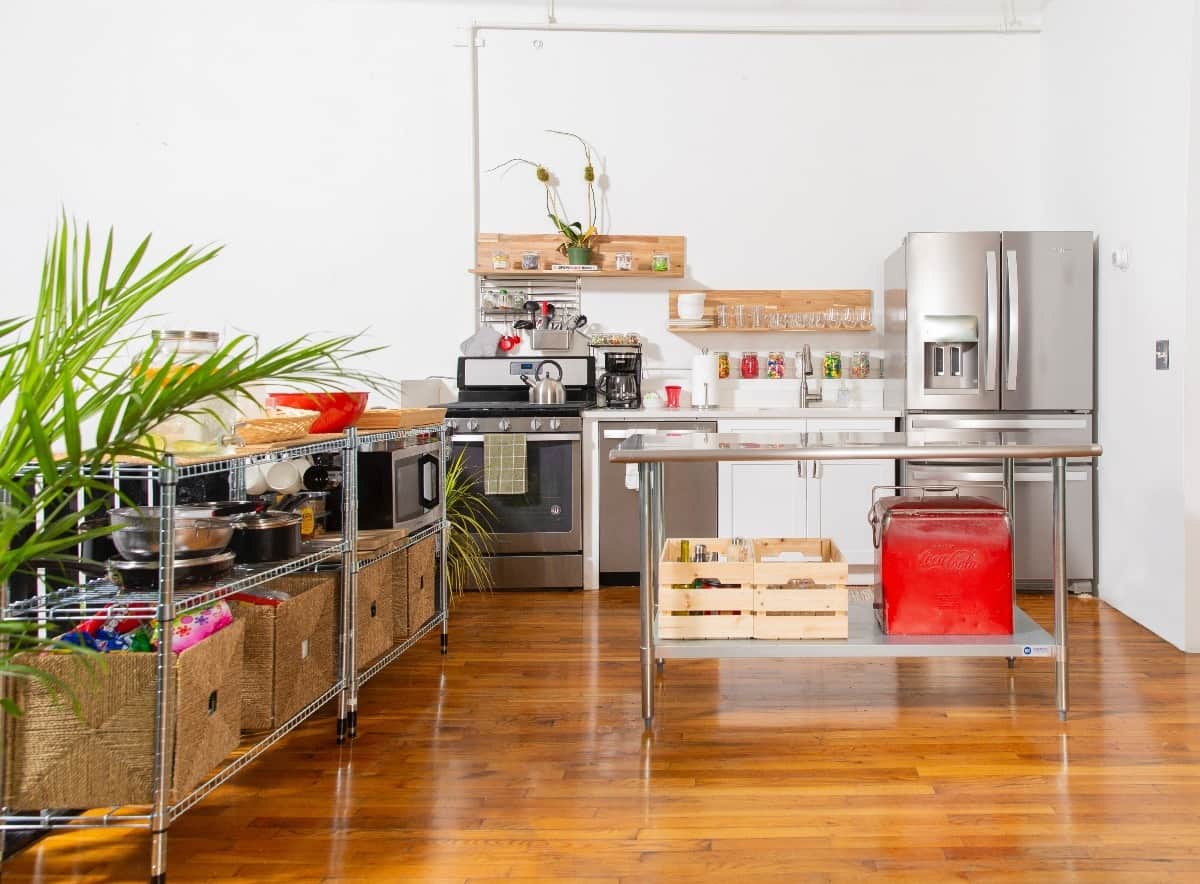
Image Source: www.peerspace.com
Why You Need a Commercial Kitchen
If you want to sell food to people, you usually cannot make it in your home kitchen. Health laws and rules from the government require food sold publicly to be made in a licensed, approved kitchen. This place must meet strict standards for cleanliness, equipment, and safety.
Renting a commercial kitchen gives you a place that meets these rules. It lets you get the right permits and licenses to sell your food legally and safely. It opens the door for your business to grow.
Using a shared or rented kitchen saves you from the huge cost of building or buying your own kitchen space. Building a kitchen is very expensive. Renting lets you start small and grow your business without a massive upfront investment.
Different Kinds of Commercial Kitchens
Not all places where you can rent kitchen space are the same. There are different types, and each has its own way of charging and its own set of rules. Knowing the types helps you pick the right one and understand the prices better.
Shared-Use Kitchens (Commissary Kitchens)
These are like gyms for cooks. Many different food businesses use the same space at different times. This is a common option for food trucks, caterers, bakers, and packaged food makers.
- How they work: You book time slots to use the kitchen. You share the equipment and space with others.
- Benefits: Lower cost because many people share the expenses. Access to a wide range of equipment you might not be able to afford yourself. You might meet other food business owners and learn from them.
- Things to think about: You must book time in advance. Popular times can be hard to get. You need to bring your own ingredients and maybe small tools. You must clean up completely after your time is done. Storage space might be extra or limited.
- Commissary kitchen costs: Often charged hourly or monthly. We will look at these prices later.
Dedicated Kitchens (Ghost Kitchens)
These kitchens are set up mostly for delivery-only food businesses. Sometimes called dark kitchens or cloud kitchens.
- How they work: You rent a private kitchen space, usually smaller, within a larger building that has many such kitchens. It’s your space alone, 24/7. There is often a shared area for delivery drivers to pick up food.
- Benefits: Your own space, so no scheduling conflicts. You can set it up exactly how you need it. No shared cleaning worries during your shifts. Designed for high-volume delivery.
- Things to think about: Generally more expensive than shared kitchens. Only really makes sense if your business model is focused on delivery or takeout. Less interaction with other food makers.
- Ghost kitchen rental: Usually a higher monthly fee than shared space.
Food Business Incubators and Accelerators
These places are more than just kitchens. They offer support for new food businesses. This can include help with business planning, marketing, getting permits, and finding buyers for your products.
- How they work: They offer kitchen space (often shared), but they also give you advice and sometimes have programs or classes.
- Benefits: Great for new businesses that need guidance. The support can be very helpful for growth. Access to shared resources and a network.
- Things to think about: There might be an application process to join. The rules might be stricter. The food business incubator cost often includes the kitchen time plus the support services, so the overall price structure might be different.
- Food business incubator cost: Can be a mix of membership fees, hourly rates, or monthly fees, often with a focus on helping your business become strong.
Breaking Down the Renting Costs
What makes the price of renting a commercial kitchen go up or down? Many factors play a role. Looking at these helps you see why prices differ so much.
Location, Location, Location
Just like with homes, where the kitchen is matters a lot for the price.
- Big cities vs. smaller towns: Kitchens in big, expensive cities will cost more than those in rural areas or smaller towns. High rent for the building means high rent for you.
- Neighborhood: A kitchen in a busy, popular area might charge more than one in a less central spot.
- Demand: If there are many food businesses needing kitchen space in one area, the prices will likely be higher because of the high demand.
Size and Equipment
The space you get and what’s inside it affects the price.
- Size: Do you need just a small station or a large area? More space usually costs more.
- Basic vs. specialized equipment: A kitchen with just ovens, stoves, and mixers will be cheaper than one with special equipment like combi ovens, blast chillers, large proofing boxes, or specific ethnic cooking tools.
- Quality and age: Newer, high-end equipment might mean higher rental fees compared to older, more basic setups.
- Shared vs. dedicated equipment: In a shared kitchen, you use common equipment. In a dedicated ghost kitchen, the equipment might be included in your private space rent, but you pay for it through the higher fee.
Time of Day and Day of Week
When you need the kitchen can change the hourly kitchen rental rates.
- Peak hours: Evenings and weekends are often the busiest and most expensive times because more businesses want to use the kitchen then.
- Off-peak hours: Early mornings, afternoons, or late nights during the week might have lower rates to encourage use during slower times.
- Booking ahead: Some kitchens offer discounts for booking many hours or booking far in advance.
Membership Fees and Structure
Many shared or commissary kitchens have a membership plan.
- Membership fee: You pay a regular fee (monthly or yearly) to be able to book time in the kitchen. This fee doesn’t include the kitchen time itself, but it gives you access. It helps the kitchen cover basic costs and manage who uses the space.
- Hourly rates for members: Members then pay an hourly rate on top of the membership fee. This hourly rate is usually lower than what someone without a membership would pay (if that’s even an option).
- Minimum hours: Some places might require you to book a minimum number of hours per month as part of your membership.
Lease Length and Commitment
How long you agree to rent the space can impact the monthly kitchen rental price or hourly rates.
- Short-term/Hourly: Highest flexibility, but highest per-hour cost. Good for testing an idea or short projects.
- Monthly: More commitment, lower average cost per hour or per session. Good for regular production.
- Long-term Lease: Renting commercial kitchen space for a year or more, like commercial kitchen lease rates for a dedicated ghost kitchen, often results in the lowest monthly cost compared to short-term options. But it’s a big commitment.
Typical Price Ranges
Let’s talk numbers. What can you really expect to pay? These are just guides, as prices vary a lot.
Hourly Rental Rates
This is the most common way shared kitchens charge.
- Low End (\$20 – \$35 per hour): You might find these rates in smaller towns, off-peak hours, or in very basic kitchens with older equipment. Sometimes this rate requires a monthly membership on top.
- Mid Range (\$35 – \$60 per hour): This is a common rate in many shared kitchens in mid-sized cities or for slightly better equipped facilities. This rate often comes with a membership fee.
- High End (\$60+ per hour): Expected in big cities, prime locations, peak hours, or for kitchens with top-of-the-line or specialized equipment.
Keep in mind that the hourly rate might drop if you book many hours at once or commit to a certain number of hours per month.
Monthly Rental Price
This applies more to dedicated spaces like ghost kitchens or if you rent a shared kitchen space for a large block of time each month as part of a tiered plan.
- Shared Kitchen (membership + minimum hours): A monthly membership fee might be \$100 – \$500. Then you pay hourly on top, perhaps with a minimum spending requirement (e.g., \$300 minimum kitchen usage per month). So your total monthly bill for a shared kitchen could be anywhere from \$400 to \$2000+ depending on the membership tier and hours used.
- Dedicated Ghost Kitchen Rental: Renting an entire small kitchen unit for yourself usually has a flat monthly fee. This could range from \$1500 to \$5000 or more per month, depending on the size, location, and what’s included (like utilities or shared services). These commercial kitchen lease rates cover the exclusive use of your space.
Tiered Pricing Plans
Some kitchens offer different levels of membership or rental plans.
- Basic: Lower monthly fee, higher hourly rate, maybe access only during certain hours.
- Standard: Higher monthly fee, lower hourly rate, more flexible access times.
- Premium: Highest monthly fee, lowest hourly rate, priority booking, maybe included storage or other perks.
These tiers let businesses pick a plan that fits their budget and how much kitchen time they need.
Table: Comparing Kitchen Rental Types and Costs
Here is a simple table to show the general cost comparison between different types of rented kitchens.
| Kitchen Type | How You Pay | Typical Cost Range (Very General) | Best For… |
|---|---|---|---|
| Shared/Commissary Kitchen | Hourly + Membership | \$20 – \$60 per hour + \$100 – \$500/month | Startups, food trucks, caterers, small producers |
| Dedicated/Ghost Kitchen | Flat Monthly | \$1500 – \$5000+ per month | Delivery-only restaurants, high-volume takeout |
| Food Business Incubator | Membership + Usage/Program Fee | Varies widely, often includes program costs | New businesses needing support and kitchen space |
Remember, these are rough numbers. Kitchen space for rent price can vary greatly.
Costs Beyond the Rent
The hourly or monthly fee is not the only money you will spend. There are other necessary costs when renting a commercial kitchen. You need to plan for these too.
Insurance
This is a big one and usually required by the kitchen owner.
- Why you need it: Protects you and the kitchen from accidents. If a customer gets sick from your food, or you cause damage to the kitchen equipment, insurance can help cover the costs.
- Cost: General liability insurance for a small food business might cost \$50 – \$200 per month, or even more depending on your business type and coverage needed.
Permits and Licenses
You need permits from the health department and possibly other local groups.
- Why you need them: To show you are following food safety rules. The kitchen itself has permits, but your business needs its own too.
- Cost: Can range from under \$100 to several hundred dollars per year, depending on your location and business type.
Cleaning Fees and Supplies
While you must clean your station, some kitchens charge extra for deep cleaning or common area cleaning.
- Daily Cleaning: You are responsible for cleaning your workspace and equipment after use. This costs you time and cleaning supplies.
- Common Area/Deep Cleaning Fees: The kitchen might add a fee to your bill (maybe \$10 – \$30 per hour, or a set monthly fee) to cover professional cleaning of shared spaces or periodic deep cleaning of the whole kitchen.
- Supplies: You need to buy your own cleaning chemicals, sanitizers, paper towels, and gloves.
Storage Space
You will need a place to keep your ingredients, packaging, and finished products.
- Dry Storage: Shelves or bins for non-refrigerated items.
- Refrigerated Storage: Space in a walk-in cooler.
- Freezer Storage: Space in a walk-in freezer.
- Cost: Storage space is often an extra charge in shared kitchens. It can be priced per shelf, per bin, or by the square foot, costing anywhere from \$20 to \$200+ per month depending on the amount and type of space needed. Dedicated ghost kitchens might include some storage or have it available at an extra cost.
Waste Removal
Getting rid of your trash, recycling, and maybe food waste.
- Cost: Some kitchens include this in the rent. Others might charge a separate fee based on how much waste you produce.
Utilities
Usually, gas, electricity, and water are included in the rental fee for shared and ghost kitchens. However, always double-check the agreement.
Table: Potential Extra Costs
Here are some costs to remember besides the basic rental fee.
| Extra Cost | What it is | Estimated Monthly Cost |
|---|---|---|
| Insurance | Protects your business and the kitchen | \$50 – \$200+ |
| Permits/Licenses | Legal permission to operate | \$10 – \$50 (averaged yearly) |
| Cleaning Supplies | Soap, sanitizer, paper towels, gloves | \$20 – \$50+ |
| Deep Cleaning Fee | Charged by kitchen for common areas/deep cleans | \$50 – \$200+ (if applicable) |
| Storage Space | Keeping ingredients and products | \$20 – \$200+ |
| Waste Removal | Taking out trash, recycling | May be included or extra (\$20 – \$50+) |
| Pest Control Fee | Kitchen might add a fee for this service | May be included or extra (\$10 – \$30+) |
These costs add up, so include them when figuring out your total commercial kitchen rental costs.
The Benefit of Renting vs. Owning
Why rent instead of building your own kitchen?
- Lower Startup Cost: Building or buying a fully equipped commercial kitchen can cost hundreds of thousands of dollars, maybe even millions. Renting lets you start for a few thousand dollars (first month’s rent, deposit, insurance).
- Flexibility: You can rent only the time you need. If your business grows, you can rent more time or a bigger space. If things change, you are not stuck with a huge building.
- Access to Equipment: Rented kitchens already have expensive equipment like large mixers, powerful ovens, and ventilation systems that would be very costly to buy and install yourself.
- Reduced Hassle: The kitchen owner handles building maintenance, repairs, and maybe even some utility bills. You focus on making food.
How to Find a Commercial Kitchen
Finding a kitchen space for rent price that works for you takes some looking.
- Online searches: Look for “commercial kitchen for rent,” “commissary kitchen [your city],” “shared kitchen space,” “ghost kitchen rental,” “food business incubator [your area].”
- Ask other food businesses: Food truck owners, bakers, or caterers in your area might know of available spaces.
- Local food business groups: Connect with local food entrepreneurs.
- Check with local health department: They often have a list of permitted commercial kitchens in the area, some of which might offer rental time.
- Look at kitchen networking websites: Some websites list commercial kitchens available for rent across different areas.
Questions to Ask Before You Sign
Before you agree to rent, make sure you understand everything.
- What is the hourly kitchen rental rates or monthly kitchen rental price?
- Is there a membership fee? How much is it? What does it include?
- What are the peak hours and off-peak hours pricing?
- What is included in the rental price (utilities, basic equipment)?
- What equipment is available? Is there any specialized equipment I can use?
- Are there extra fees for cleaning, storage, or waste? How much?
- What are the rules for booking time? How far in advance do I need to book?
- What are the rules about cancellation?
- What kind of insurance do I need? What is the required coverage amount?
- Are there storage options available (dry, fridge, freezer)? What is the cost per month?
- What permits do I need, and how do I get them? (They can often guide you).
- Is there pest control? Is there a fee?
- Can I take a tour of the kitchen?
- What is the process if something breaks?
- Are there any rules about guests or employees?
- What are the requirements for cleaning my station after use?
Getting clear answers to these questions will help you figure out the real commercial kitchen rental costs and avoid surprises.
Saving Money on Kitchen Rental
Renting space can be expensive, but there are ways to lower the cost.
- Use Off-Peak Hours: If your production schedule is flexible, using the kitchen during slower times (like weekdays during the day, or late at night) can significantly reduce your hourly rates.
- Plan Your Production: Be very organized to use your booked time efficiently. Do all your prep work (like chopping vegetables) at home if possible (check kitchen rules first!), so you spend your paid kitchen time only on cooking and baking that requires the commercial space.
- Book Longer Shifts: Some kitchens offer lower hourly rates if you book a block of 4 or more hours at once.
- Compare Membership Tiers: Calculate if a higher monthly membership fee with lower hourly rates saves you money based on how many hours you plan to use the kitchen each month.
- Minimize Storage Needs: Only rent the storage you absolutely need. Buy ingredients more often in smaller amounts if that saves you storage fees.
- Negotiate: Especially if you plan to use the kitchen for many hours consistently, you might be able to negotiate a slightly better rate or package deal.
- Share Time (Carefully): If allowed by the kitchen and your business type, could you split a block of time or a membership with another trusted business owner who has a similar schedule need? (Make sure this is permitted and you trust them completely).
- Be Super Clean: Avoid extra cleaning fees by leaving your station spotless, better than you found it.
Every dollar saved on renting commercial kitchen space is a dollar that stays in your business.
Grasping the Price of Commissary Kitchens
Let’s focus a bit more on commissary kitchen costs, as these are very common for many small businesses.
- Membership Structure: Most commissary kitchens work on a membership model. You pay a recurring fee (e.g., \$100 – \$400 per month) to be a member. This fee covers the kitchen’s general upkeep, licenses, and management.
- Hourly Use Fees: On top of the membership, you pay for the hours you actually spend cooking. This is where the \$20 – \$60+ per hour rates come in.
- Minimums: Some memberships require you to use or pay for a minimum number of hours per month, even if you don’t use them, to ensure a certain revenue for the kitchen.
- Shared Kitchen Rental Fees: These fees cover your access to shared equipment like ovens, stoves, mixers, basic pots/pans, and prep tables during your booked time. They don’t cover your ingredients or specific small tools you might need.
- Why the Fee Structure? The membership helps the kitchen have a steady income to cover their fixed costs (rent, utilities, insurance, manager salary). The hourly fee covers the variable costs related to usage (like increased utility use during heavy cooking).
So, when budgeting for a commissary kitchen, don’t just look at the hourly rate. Add the membership fee and factor in storage costs and insurance to get the full picture of shared kitchen rental fees.
Interpreting Ghost Kitchen Rental Expenses
Ghost kitchens are different because you are renting a private space, often empty or with basic hookups, and you bring in or rent your own key equipment (or it’s included at a higher price).
- Flat Monthly Rate: The primary cost is a fixed monthly rent, similar to renting a small shop space, but designed specifically as a kitchen. This is where the \$1500 – \$5000+ monthly range comes in.
- Commercial Kitchen Lease Rates: When you rent a ghost kitchen, you are often entering into a commercial lease agreement, typically for a year or more. These commercial kitchen lease rates are higher than shared kitchens because you get exclusive access 24/7.
- What’s Included: The monthly fee often includes the bare space, utilities, and access to shared infrastructure like grease traps, ventilation hoods (installed), and a shared delivery pick-up area.
- Equipment Costs: You might need to buy or lease your own specific cooking equipment, which is a major extra cost not included in the rent unless you rent a “fully equipped” unit (which will have a much higher rent).
- Ideal User: Ghost kitchens are best for businesses that have high, consistent order volume, primarily through delivery, and need constant access to their own dedicated space.
Understanding these points helps you see why the kitchen space for rent price is higher for a ghost kitchen compared to a shared one. It’s a trade-off between cost and control/access.
Deciphering Food Business Incubator Costs
Food business incubators have a unique model. They are focused on helping new businesses grow.
- Program Fees: The cost isn’t just for kitchen time. It often includes access to business classes, mentorship, networking events, and guidance on things like getting funding or scaling production. The food business incubator cost covers this support structure.
- Kitchen Access Model: Kitchen use might be included in the overall program fee up to a certain number of hours, or it might be charged hourly or monthly on top of a base membership or program fee.
- Investment: Think of this as an investment in your business education and growth, not just paying for kitchen space.
- Selection Process: Most incubators have an application process. They select businesses they believe have potential to succeed, often with a focus on unique concepts or social impact.
- Potential for Lower Hourly Kitchen Rental Rates: While the overall cost might be higher due to the support services, the hourly rate for kitchen use itself might be competitive or even lower than a standard commissary, as the incubator’s goal is to help you reduce barriers.
If you are a new business needing more than just space – you need guidance and a community – looking into the food business incubator cost model might be the right path, even if the upfront expense seems higher than just renting hours.
Final Thoughts on the Cost
The real cost of renting a commercial kitchen is more than just the hourly or monthly fee. It includes insurance, storage, supplies, potential extra cleaning fees, and maybe membership costs.
Renting commercial kitchen space is a smart financial step for many food businesses starting out. It allows you to operate legally and grow without the massive upfront investment of building your own kitchen.
By understanding the different types of kitchens, the factors that affect pricing, and all the potential extra costs, you can create an accurate budget for your business and find the right kitchen space at the right price. Comparing options and asking detailed questions are key steps in figuring out your total commercial kitchen rental costs.
Frequently Asked Questions (FAQ)
Q: How quickly can I start using a rented commercial kitchen?
A: Once you find a kitchen with available space and agree on terms, you typically need to get your business insurance and required health permits. This process can take anywhere from a few days to several weeks, depending on your local health department and insurance provider. The kitchen might also have an onboarding process.
Q: Can I store my own equipment in a rented kitchen?
A: In a shared kitchen, personal equipment storage is often limited and might cost extra. You usually bring your own small tools (knives, specific pans) for your booked time and take them with you. Larger, shared equipment stays in the kitchen. Dedicated ghost kitchens offer more flexibility for bringing your own equipment into your private space.
Q: Do I need a specific type of business license to rent a commercial kitchen?
A: Yes, you will need a registered business entity (like an LLC or S-corp) and likely a food business permit from your local health department. The kitchen will require proof of this before you can rent space.
Q: Are utilities included in the rental price?
A: For most shared and ghost kitchens, basic utilities like electricity, gas, and water are included in the hourly or monthly rental fee. However, it is very important to confirm this in your rental agreement, especially for dedicated spaces with high energy use.
Q: What if I only need the kitchen for a few hours a month?
A: Shared or commissary kitchens with hourly rates are best for low-usage needs. Look for kitchens that don’t require a high minimum number of hours per month, or see if they offer non-member rates (though these are usually higher).
Q: Can I bring my own staff to the rented kitchen?
A: Usually, yes. However, they may need to be listed on your insurance policy and might need to complete a basic food handler safety course, depending on local rules and the kitchen’s requirements. Always check the kitchen’s specific rules on staff.