Thinking about updating your home? A kitchen or bathroom remodel can make a big difference. People often ask, “How Much To Renovate Kitchen And Bathroom?” The truth is, costs vary a lot. A simple update might cost a few thousand dollars. A full gut job can cost tens of thousands. It depends on many things. We will explore these costs here.
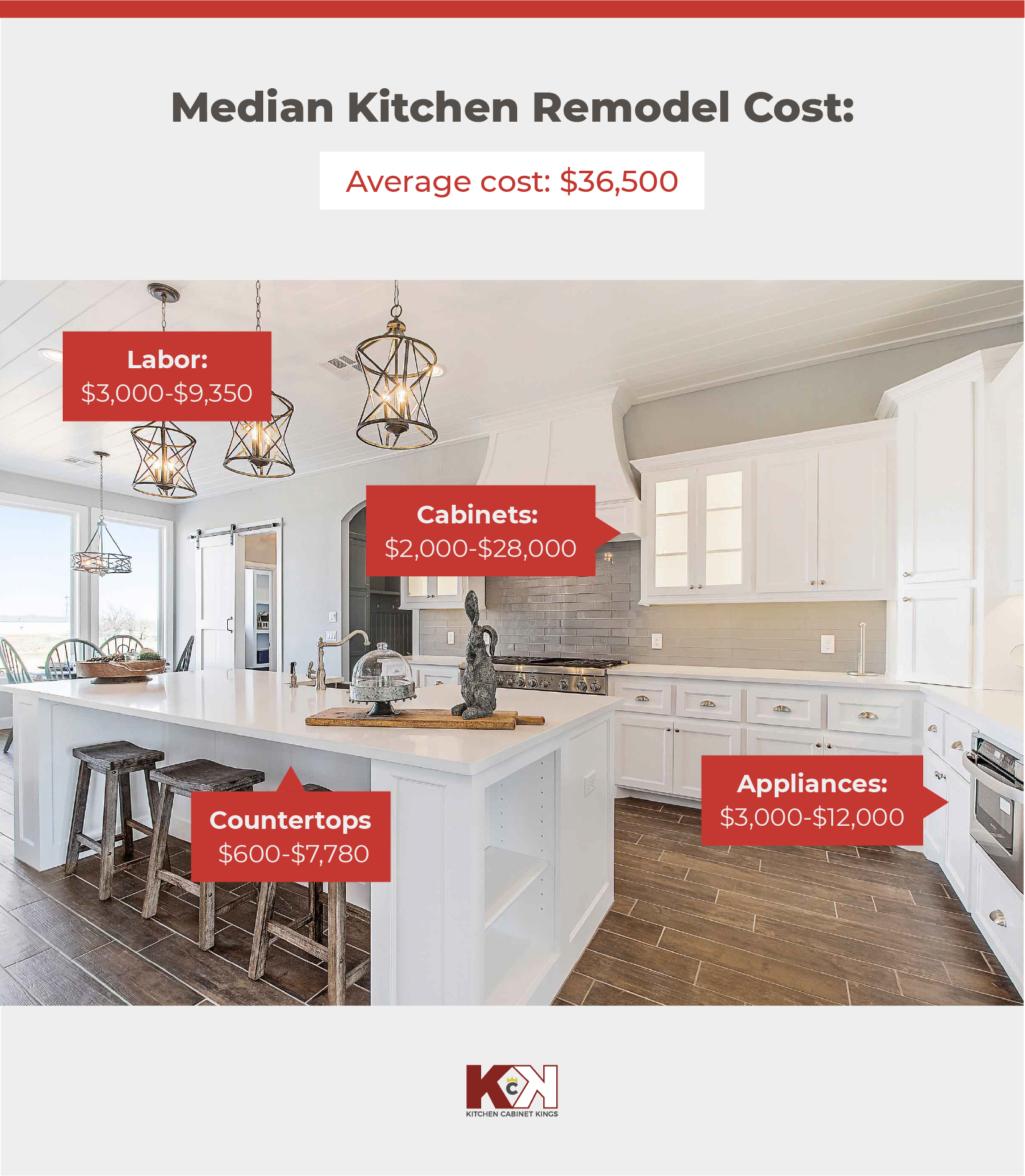
Image Source: cdn.kitchencabinetkings.com
Why Kitchens and Bathrooms Cost Money
These rooms are special. They use water and electricity. This means pipes and wires. They also have expensive parts. Think about cabinets, sinks, toilets, and tile. These items cost a lot. Labor also costs a lot. Skilled workers are needed. They need to know about plumbing and electrics. This makes these renovations pricey.
Average Costs for These Jobs
Let’s talk about money numbers. What is the average kitchen renovation cost? What is the average bathroom renovation cost? These numbers are just guides. Your cost can be higher or lower.
Average Kitchen Renovation Cost
Kitchen costs vary greatly. It depends on the size. It depends on what you change.
- Small Kitchen Update: This might mean new paint. Maybe new cabinet doors. New lights can help. New faucet too. This costs less. Maybe $5,000 to $20,000.
- Medium Kitchen Remodel: You change cabinets. You get new counters. Maybe new floors. New appliances. This costs more. $20,000 to $50,000 is common.
- Large Kitchen Remodel: This is a big job. You move walls. You change the layout. All new cabinets. High-end counters. New everything. This costs the most. $50,000 to $100,000 or more.
The average kitchen renovation cost in the US is often around $25,000 to $30,000. But remember, this is just an average.
Average Bathroom Renovation Cost
Bathrooms are smaller. But they can still cost a lot. Water is involved.
- Small Bathroom Refresh: New paint. New light fixture. Maybe a new vanity top. New toilet. Change the shower head. This is cheaper. Maybe $3,000 to $10,000.
- Mid-Range Bathroom Remodel: New tile floors. New tile in the shower. New vanity. New toilet. New tub or shower stall. New mirror and lights. This costs more. $10,000 to $25,000 is typical.
- High-End Bathroom Remodel: You move plumbing. Change the layout. Custom shower. Freestanding tub. Heated floors. Luxury tile. This costs a lot. $25,000 to $50,000 or more.
The average bathroom renovation cost is often around $15,000 to $20,000. Again, this is just an average number.
Factors Influencing Renovation Costs
Many things change the price. It’s not just the size of the room. Let’s look at what makes costs go up or down. These are the factors influencing renovation costs.
- Size of the Room: A bigger room needs more stuff. More cabinets. More tile. More floor. So bigger rooms cost more. A small bathroom renovation cost will be less than a big one.
- Scope of Work: What exactly are you doing? Are you just painting? Or are you changing the layout? Moving walls costs a lot. Moving pipes costs a lot. More changes mean higher costs.
- Materials Chosen: This is a big one. Laminate counters are cheap. Granite or quartz costs more. High-end marble costs a lot. Basic ceramic tile is cheap. Fancy mosaic tile is expensive. Simple cabinets cost less. Custom cabinets cost much more. Your choices matter a lot.
- Labor Costs: Who does the work? A general contractor manages everything. They charge a fee. Different contractors charge different rates. Workers like plumbers and electricians have hourly rates. These rates change by where you live. Labor is a big part of the cost.
- Your Location: Where do you live? Costs are higher in big cities. Costs are lower in smaller towns. Workers charge more in expensive areas. Materials might also cost more.
- Age of the Home: Older homes can have problems. Old pipes might break. Old wiring might not be safe. Walls might not be straight. Fixing these hidden problems adds to the cost. This can make the project take longer too.
- Permits and Inspections: You need permits for many jobs. Especially if you change plumbing or electrics. Permits cost money. Inspectors check the work. This ensures it’s safe. This adds time and cost.
- Unexpected Issues: Sometimes you open a wall. You find mold. You find rotten wood. You find old wiring that is not safe. These are surprises. They add cost to the job. It’s wise to have some extra money for surprises.
These factors all work together. They determine your final bill.
Grasping the Cost Breakdown
Where does the money go? Let’s look at a typical kitchen and bathroom remodel cost breakdown. This shows you what parts cost what percentage. These are rough numbers. They can change.
Kitchen Cost Breakdown Example
| Category | Percentage of Total Cost |
|---|---|
| Cabinets & Hardware | 25% – 35% |
| Installation Labor | 15% – 25% |
| Appliances | 10% – 20% |
| Countertops | 10% – 15% |
| Flooring | 5% – 10% |
| Lighting | 5% – 10% |
| Plumbing & Faucet | 4% – 8% |
| Walls & Ceiling | 3% – 5% |
| Design & Permits | 1% – 3% |
As you see, cabinets and labor are big parts. Appliances and counters are also costly. This breakdown helps you see where your money goes.
Bathroom Cost Breakdown Example
| Category | Percentage of Total Cost |
|---|---|
| Labor | 40% – 50% |
| Fixtures (Toilet, Tub/Shower, Sink) | 15% – 20% |
| Tile (Floor, Walls, Shower) | 10% – 15% |
| Vanity & Mirror | 10% – 15% |
| Plumbing | 5% – 10% |
| Lighting & Vent | 5% – 10% |
| Permits | 1% – 3% |
Labor is a very big part of bathroom costs. This is because many different skilled workers are needed in a small space. Plumbers, tilers, electricians, drywallers.
Cost Per Square Foot
People sometimes talk about cost per square foot. This is another way to estimate. It works better for some jobs than others. It can be useful for bathrooms. What is the cost per square foot bathroom remodel?
It can range from $70 to $250 or even much more. This is a very wide range. Why? Because material choices matter so much.
– Basic materials might be $70-$100 per square foot.
– Mid-range might be $100-$150 per square foot.
– High-end can be $150-$250+ per square foot.
Let’s say you have a small bathroom. It is 5×8 feet. That is 40 square feet.
– At $100/sq ft, the cost is $4,000.
– At $200/sq ft, the cost is $8,000.
This is just for materials and labor on average. It does not include design or surprises. Using cost per square foot bathroom remodel can be a quick check. But get real quotes for accuracy.
For kitchens, cost per square foot is less useful. Kitchens have very expensive items like appliances and complex cabinets. These don’t scale simply with square footage. The kitchen and bathroom remodel cost breakdown tables are more helpful.
Setting a Kitchen Renovation Budget
Planning is key. How do you set a kitchen renovation budget? It takes thought.
- Know Your Goal: Why are you renovating? Do you need more space? Do you want a modern look? Do you need better function? Your reason affects what you do.
- Know Your Money: How much can you spend? Look at savings. Look at loans. Figure out your total limit. Be honest here.
- Get Estimates: Contact contractors. Tell them what you want. Get kitchen remodel cost estimates. Get at least three quotes. This helps you see the range of costs.
- Add a Buffer: Always add extra money for surprises. 10% to 20% is smart. If the job costs $30,000, add $3,000 to $6,000. This buffer saves stress if problems come up.
- Prioritize: What is most important to you? New counters? Better layout? High-end stove? Spend money where it matters most to you. Save money on other things.
- Track Spending: Keep records of what you spend. Make sure you stay close to your budget.
Setting a kitchen renovation budget helps you control costs. It prevents overspending. It makes the project less stressful.
Planning Your Bathroom Budget
Setting a budget for a bathroom is similar.
- Define What You Want: Simple update or full gut? What style? What features?
- Check Your Funds: How much cash do you have? Can you get a loan?
- Get Quotes: Ask contractors for estimates. A small bathroom renovation cost estimate will be different from a large one. Get several quotes.
- Build in a Buffer: Again, add 10-20% for unexpected issues. Old pipes or wiring are common in bathrooms.
- Pick Your Splurges: Do you want a fancy shower head? Heated floors? Decide where you want to spend more. Save on things less important to you.
- Monitor Costs: Keep track of every cost. Make sure you are on track.
Having a clear budget for your bathroom renovation is just as important as for a kitchen.
Saving Money on Renovations
Renovations are expensive. Can you save money? Yes, you can.
- Keep the Layout: Changing where things are is costly. Moving pipes or walls adds a lot. If you can keep the sink, toilet, or stove in the same place, you save money.
- Choose Materials Wisely: This is the biggest saver. Don’t pick the most expensive tile or counter. Look for sales. Look for alternatives that look similar but cost less. Laminate counters are much cheaper than granite. Vinyl plank floors can look like wood but cost less.
- Do Some Work Yourself: Are you handy? Can you paint? Can you remove old tile? Doing some simple tasks yourself saves labor costs. But know your limits. Don’t do skilled work like plumbing or electrics unless you are qualified. Mistakes cost more to fix.
- Refinish Instead of Replace: Can you repaint kitchen cabinets instead of buying new ones? Can you refinish a tub instead of replacing it? This can save a lot of money.
- Buy Used Items: Sometimes you can find good deals on appliances or fixtures. Check places that sell used building materials.
- Shop Around for Contractors: Get multiple quotes. Compare prices. Don’t just pick the cheapest. Look for good reviews and experience too. A good contractor helps the job run smoothly and on budget.
Saving money means making smart choices. It means knowing where you can cut costs.
Financing Home Renovations
Most people don’t pay for big renovations with just cash. They need help. How can you pay for the work? This is about financing home renovations.
- Savings: The best way is to use your own money. No interest to pay back.
- Credit Cards: Okay for small costs. But interest rates can be high. Don’t use for big jobs unless you can pay it off fast.
- Home Equity Line of Credit (HELOC): You borrow against your home’s value. You get a line of credit you can use as needed. Interest rates are usually lower than credit cards. The interest might be tax deductible.
- Home Equity Loan: You get a lump sum of money. You pay it back over a set time. Interest rates are usually fixed. This is good if you know the total cost upfront.
- Cash-Out Refinance: You get a new, larger mortgage. You take the extra cash out. Use it for renovations. This can get a lot of money. But it restarts your mortgage term.
- Personal Loan: Not secured by your home. Interest rates can be higher than home equity loans. Good for smaller projects.
- Renovation Loans: Some loans are made just for fixing up homes. FHA 203(k) loans are one type. They include the renovation costs in the mortgage.
Talk to a bank or lender. See which option is best for you. Think about the interest rate. Think about the payment schedule. Financing home renovations lets you do the work now.
Renovation ROI Kitchen Bathroom
Will you get your money back when you sell? This is about renovation ROI kitchen bathroom. ROI means Return on Investment.
Kitchens and bathrooms are very important to buyers. People look closely at them.
- Kitchen ROI: A kitchen remodel usually gives good ROI. Buyers want a nice kitchen. A mid-range kitchen remodel might get back 60-80% of its cost when you sell. A major, high-end remodel might get back less percentage-wise, maybe 50-60%. Don’t overspend for your neighborhood. A $100,000 kitchen in a $200,000 house will not give good ROI.
- Bathroom ROI: Bathrooms also give good ROI. A mid-range bathroom remodel might get back 60-70% of its cost. A small bathroom renovation cost often has a good ROI percentage too. Updating a tired old bathroom makes a big difference to buyers.
ROI is not just about money. It is also about how you live in your home. A new kitchen or bathroom makes your life better. You use these rooms every day. The enjoyment you get is also a return. Don’t just think about resale value. Think about your own comfort.
Renovation ROI kitchen bathroom is strong. They are top projects for getting money back.
Getting Kitchen Remodel Cost Estimates
You need to know the real price. Getting kitchen remodel cost estimates is crucial.
- Write Down What You Want: Be clear. Make a list. What cabinets? What counters? What appliances? What layout? This helps contractors give accurate quotes.
- Find Contractors: Ask friends or neighbors for names. Check online reviews. Look for licensed and insured contractors.
- Meet Several Contractors: Talk to at least three. Show them the space. Explain your plan. Ask questions.
- Get Written Estimates: Don’t accept a verbal quote. Get everything in writing. The estimate should list everything included. It should show costs for materials and labor. It should include permits.
- Compare Estimates: Look at the total cost. Look at what is included. Are they quoting the same work? Do they use similar quality materials?
- Ask About the Timeline: How long will the job take? Delays can cost you money and time.
- Check References: Call past clients. Ask if they were happy. Was the job on time? Was it on budget?
Getting good kitchen remodel cost estimates takes time. But it is worth it. It helps you find the right contractor. It helps you avoid surprises.
Getting Bathroom Remodel Cost Estimates
Getting estimates for a bathroom is similar. A small bathroom renovation cost estimate will be less complex. But still get multiple quotes.
- Detail Your Plan: What exactly do you want to change? New vanity? New shower? New tile everywhere?
- Find Bathroom Specialists or GCs: Some contractors focus on bathrooms. Others are generalists. Find ones with good reviews for bathroom work.
- Have Them Visit: Walk them through the bathroom. Explain your ideas.
- Request Detailed Written Quotes: Make sure the quote lists specific items. Toilet model? Tile type? Shower door style?
- Compare Quotes Carefully: Look at everything. Is demo included? Are materials priced out? What about cleanup?
- Discuss the Schedule: Bathrooms are often out of use during renovation. Know how long it will take.
- Verify Credentials: Check their license and insurance.
Getting good estimates is your first step. It turns the ‘average’ costs into your ‘real’ costs.
Understanding the Process
Knowing how a renovation works helps.
- Planning and Design: You decide what you want. Maybe work with a designer.
- Getting Estimates and Hiring: You get quotes. You pick a contractor.
- Permits: The contractor gets needed permits.
- Demolition: Old stuff is removed. This is messy.
- Rough-in: New pipes and wires are put in the walls and floor.
- Inspections: City inspectors check plumbing and electrics.
- Closing Walls: Drywall is put up. It is taped and mudded.
- Flooring: New floors are installed.
- Cabinets and Fixtures: Cabinets go in. Then toilet, tub, sink.
- Countertops: Counters are put on cabinets.
- Tile Work: Tile is installed on walls or backsplashes.
- Painting: Walls and trim are painted.
- Final Fixtures: Lights, faucets, hardware are put on.
- Final Inspection: City inspector checks everything is done right.
- Cleanup: The crew cleans up.
This process takes time. A bathroom can take 1-3 weeks. A kitchen can take 3-8 weeks or longer. It depends on the size and complexity.
The Value of Hiring Professionals
Can you DIY? Yes, for simple things. Painting, putting in a faucet, changing a light. But complex jobs need pros.
– Plumbing: Wrong pipes cause leaks. Leaks cause mold and damage.
– Electrical: Wrong wiring causes fires. It is very dangerous.
– Structural: Moving walls needs knowledge. You could damage your house.
– Tile: Good tile work is hard. Bad tile looks bad and can leak.
Professionals cost money (this is the labor part of the kitchen and bathroom remodel cost breakdown). But they have skills. They have insurance. They get permits. They often do the job faster. For major changes, hiring pros is wise.
Thinking About Small Renovations
Not every job needs to be huge. A small bathroom renovation cost is much less. A small kitchen update is also cheaper.
- Bathroom: Change the vanity and sink. New toilet. New mirror and light. Paint. New shower head. This feels fresh. It costs much less than re-tiling everything.
- Kitchen: Paint cabinets. New hardware. New backsplash tile. New light fixtures. New faucet. New paint. Maybe a new counter overlay. This can update the look. It does not cost as much as new cabinets and counters.
These smaller jobs can still improve your home a lot. They are easier on the budget. They take less time. They are a good option if you don’t have a lot of money or time. The renovation ROI kitchen bathroom can still be good even for small updates. Buyers like seeing fresh, clean spaces.
Interpreting Kitchen Remodel Cost Estimates
When you get estimates, look closely.
- Is it detailed? Does it list specific materials? Or just say “cabinets”?
- Does it include everything? Demo? Permits? Cleanup? Hauling away trash?
- Are taxes included?
- What is the payment schedule? How much upfront? When are other payments due?
- Is there a warranty? For labor? For materials?
- What happens if there are changes? How are “change orders” handled?
- Is it fixed price or time and materials? Fixed price means the price is set. Time and materials mean you pay for hours worked and materials used. Fixed price is usually better for you.
Comparing estimates is not just about the bottom line. It’s about comparing what you get for the money.
Final Thoughts on Costs
Knowing the average kitchen renovation cost and average bathroom renovation cost helps you start. But your final cost depends on your choices. The factors influencing renovation costs are many. Getting detailed kitchen remodel cost estimates is key. Setting a clear budget and planning for financing home renovations are important steps. Think about the renovation ROI kitchen bathroom, but also think about how you will enjoy your new space. Whether it’s a small bathroom renovation cost for an update or a full kitchen gut, careful planning makes a difference.
Frequently Asked Questions
Q: How long do kitchen and bathroom renovations take?
A: A bathroom often takes 1-3 weeks. A kitchen can take 3-8 weeks or longer for big jobs. It depends on the work involved.
Q: Should I use a general contractor?
A: For bigger jobs with many steps, yes. A general contractor manages workers and the schedule. They handle permits. This makes the job easier for you.
Q: Is it cheaper to buy my own materials?
A: Maybe. But contractors often get discounts. They also know the best places to buy. And if materials are damaged, it’s their problem, not yours. Discuss this with your contractor.
Q: What’s the most expensive part of a kitchen remodel?
A: Cabinets and labor are usually the biggest costs.
Q: What’s the most expensive part of a bathroom remodel?
A: Labor is often the biggest cost, followed by fixtures and tile.
Q: How much buffer should I add to my budget?
A: 10% to 20% is a good idea for unexpected issues, especially in older homes.
Q: Can I live in my house during renovation?
A: Yes, usually. But it will be messy and noisy. You might not have a working kitchen or bathroom for a while. Plan for this. Maybe set up a temporary kitchen.