What is the average cost to change kitchen countertops? The average cost to change kitchen countertops can range significantly, from a few hundred dollars for a DIY laminate replacement to upwards of $15,000 or more for high-end natural stone installations in a large kitchen. Factors like the material chosen, the size of your kitchen, the complexity of the existing layout, and whether you hire professionals all play a role.
When you’re thinking about updating your kitchen, changing the countertops often tops the list. They are a major visual element and play a crucial role in the functionality of your cooking space. But how much does this renovation actually cost? Deciphering the kitchen countertop replacement cost can feel overwhelming with so many material options and variables. This guide will break down the expenses associated with various countertop materials, helping you budget effectively for your dream kitchen.
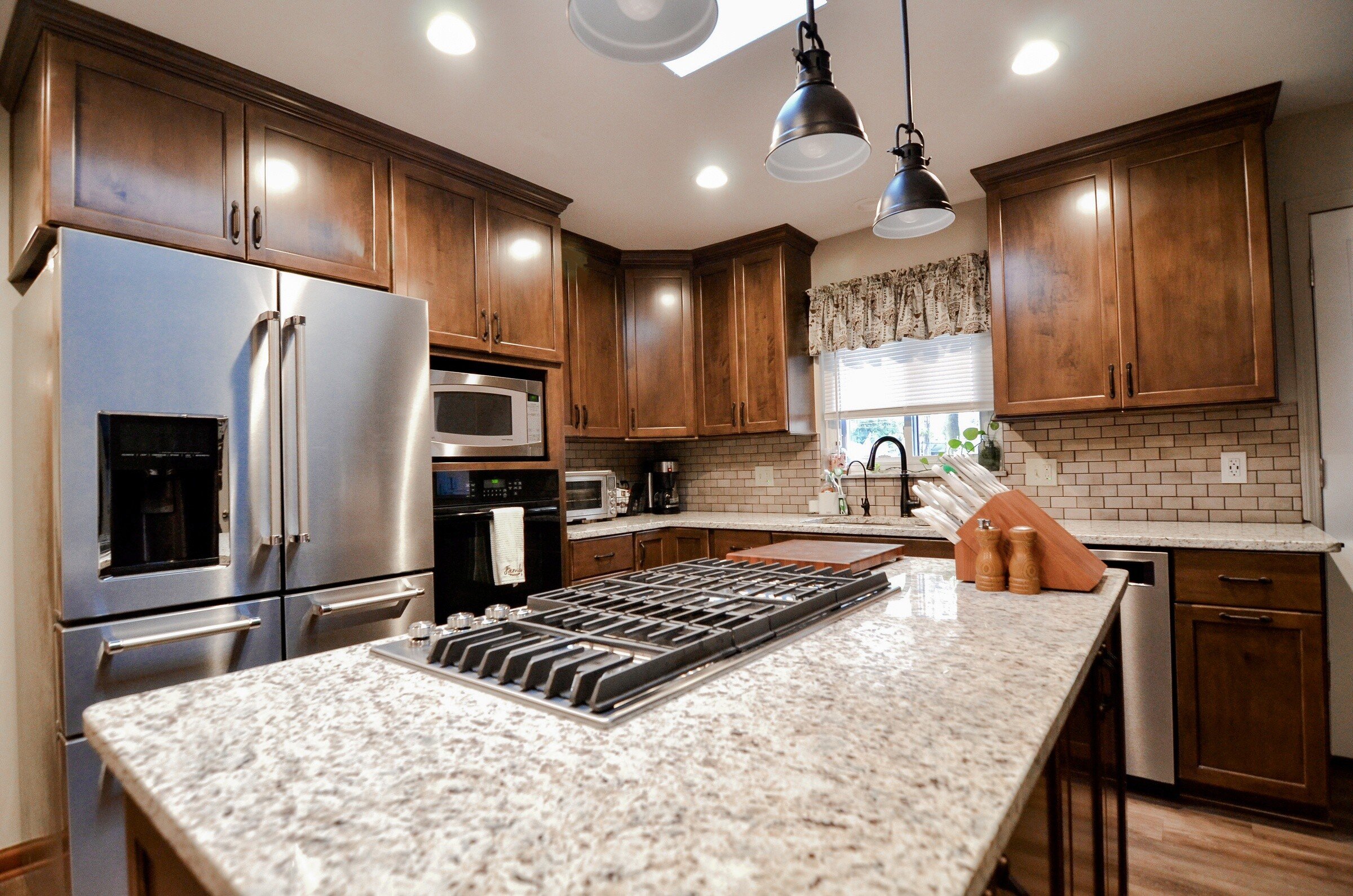
Image Source: www.jsbhomesolutions.com
Fathoming the Factors Affecting Countertop Costs
Before diving into specific materials, let’s explore the general factors that influence the overall kitchen countertop replacement cost. These elements apply regardless of whether you opt for granite, quartz, or something else entirely.
Material Choice: The Biggest Driver
This is, by far, the most significant factor in determining your budget. The price per square foot varies wildly between materials. We’ll delve into this in detail later, but think of it like buying fabric: cotton is cheaper than silk, and the same applies to countertops.
Kitchen Size and Layout
The larger your kitchen, the more countertop material you’ll need. Measure your existing countertops carefully, and add a bit for cuts and waste. Complex layouts with many seams, curves, or cutouts for sinks and cooktops can also increase labor costs and material waste, driving up the overall expense.
Labor and Installation
Do you plan on a DIY installation, or will you hire professionals? While DIY can save money on labor, it’s often not recommended for more intricate materials like granite or marble, which require specialized tools and expertise. Professional installation includes measuring, fabrication (cutting and shaping), and fitting the countertops. The cost to install granite countertops, for instance, includes these specialized services.
Edge Profiles
Simple, straight edges are typically the most budget-friendly. More elaborate edge profiles, such as ogee, bullnose, or custom designs, require more fabrication time and specialized tooling, thus increasing the price.
Sink and Cooktop Cutouts
The number and complexity of cutouts for your sink and cooktop will affect the final cost. Undermount sinks or integrated cooktops might require more precise and potentially more expensive fabrication compared to drop-in models.
Removal and Disposal of Old Countertops
Don’t forget to factor in the cost of removing and disposing of your old countertops. Some installers include this in their quote, while others charge separately.
Backsplash
While not technically part of the countertop itself, many homeowners choose to update their backsplash at the same time. This can add to the overall project cost but can also streamline the renovation process.
Location
Geographic location can also play a role in pricing, with labor costs and material availability varying by region.
Delving into Countertop Material Costs
Now, let’s explore the pricing of popular kitchen countertop materials. Prices are typically quoted per square foot and can vary based on quality, thickness, brand, and pattern.
Natural Stone Countertops
Natural stones offer timeless beauty and durability, but they come with a higher price tag.
Granite Countertops
Granite is a popular choice known for its natural beauty, durability, and heat resistance. The cost to install granite countertops varies widely depending on the type of granite and its rarity.
- Average Cost: $50 to $250+ per square foot (installed)
-
Factors influencing cost:
- Type of Granite: Common granite varieties are less expensive than exotic or rare types.
- Thickness: Standard thickness is 3cm, but 2cm is also available at a lower cost.
- Edge Profile: Simple eased or straight edges are most affordable.
- Seams: More seams mean more fabrication and installation work.
- Installation Complexity: Intricate layouts increase costs.
-
Pros: Extremely durable, heat resistant, unique patterns, increases home value.
- Cons: Requires periodic sealing, can chip or crack under extreme impact, porous (though sealing mitigates this).
Marble Countertops
Marble is prized for its luxurious appearance and veining, offering a sophisticated look. However, it is softer and more porous than granite, requiring more careful maintenance. The marble countertop installation cost reflects its delicate nature and the skill needed for fabrication and installation.
- Average Cost: $75 to $250+ per square foot (installed)
-
Factors influencing cost:
- Type of Marble: Carrara and Calacatta are common, while exotic marbles are pricier.
- Thickness and Edge Profile: Similar to granite, these affect cost.
- Veining and Pattern: Intricate or book-matched patterns can increase the price.
- Installation Expertise: Marble is prone to chipping, requiring skilled installers.
-
Pros: Unmatched elegant appearance, naturally cool surface, unique veining.
- Cons: Very porous (stains easily), susceptible to etching from acids (like lemon juice or vinegar), requires regular sealing and careful cleaning, can chip or scratch.
Quartzite Countertops
Quartzite is a natural stone that is incredibly hard and durable, often compared to granite but with a marble-like appearance.
- Average Cost: $80 to $200+ per square foot (installed)
- Factors influencing cost: Rarity of the specific quartzite slab, complexity of installation.
- Pros: Very hard and durable, resistant to heat and scratches, less porous than marble, beautiful natural veining.
- Cons: Can be more expensive than granite, some varieties can still be porous and require sealing.
Engineered Stone Countertops
Engineered stone countertops, particularly quartz, offer a beautiful and low-maintenance alternative to natural stones.
Quartz Countertops
Quartz countertops are made from a blend of natural quartz crystals and resins, offering a non-porous, highly durable, and consistent surface. The average cost of quartz countertops makes them a popular mid-to-high range option.
- Average Cost: $50 to $150+ per square foot (installed)
-
Factors influencing cost:
- Brand and Manufacturer: Premium brands with proprietary technologies will be more expensive.
- Color and Pattern: Solid colors or simple patterns are generally cheaper than intricate veining or exotic designs.
- Thickness: 2cm is typically less expensive than 3cm.
- Edge Profiles and Installation: Similar to natural stones.
-
Pros: Extremely durable, non-porous (stain and bacteria resistant), low maintenance (no sealing required), consistent appearance, wide range of colors and patterns.
- Cons: Can be damaged by prolonged exposure to high heat, seams can be more visible than with some natural stones, not as resistant to UV light as granite.
Laminate Countertops
Laminate countertops are a budget-friendly option known for their versatility and ease of installation. The laminate countertop replacement price is often the most accessible for homeowners on a tight budget.
- Average Cost: $20 to $75 per square foot (installed)
-
Factors influencing cost:
- Quality of Laminate: Higher-end laminates with more realistic patterns and textures cost more.
- Edge Profile: Post-formed edges are common and affordable; custom edges add cost.
- Special Features: Integrated sinks or decorative edge treatments increase the price.
- DIY vs. Professional Installation: DIY is very common and saves on labor.
-
Pros: Most affordable option, wide variety of colors and patterns, easy to clean, relatively easy to install.
- Cons: Not as durable as stone or quartz, susceptible to scratches, heat, and moisture damage, can chip or peel, cannot be repaired if damaged.
Wood Countertops
Wood countertops, such as butcher block, add warmth and a natural aesthetic to a kitchen.
Butcher Block Countertops
Butcher block countertops are made from strips of wood joined together. They are popular for their rustic charm and functionality, especially for food preparation. The butcher block countertop cost can vary depending on the type of wood used.
- Average Cost: $40 to $150+ per square foot (installed)
-
Factors influencing cost:
- Type of Wood: Maple, oak, and beech are common and less expensive. Exotic woods like walnut or teak will cost more.
- Grain Pattern: Edge grain is common and affordable; end grain is more durable and costly.
- Finish: Food-safe mineral oil requires more frequent reapplication than a durable varnish.
-
Pros: Warm and natural appearance, can be sanded and refinished, durable for food prep (if properly maintained), adds character.
- Cons: Requires regular sealing and maintenance to prevent staining, scratching, and warping; susceptible to heat damage; can harbor bacteria if not properly maintained.
Solid Surface Countertops
Solid surface materials, like Corian, are a composite material that offers a seamless look.
- Average Cost: $35 to $100+ per square foot (installed)
- Factors influencing cost: Brand, color, pattern, edge profiles, and integrated sink options.
- Pros: Seamless appearance, non-porous, easy to clean, can be repaired and refinished, wide range of colors.
- Cons: Not as heat or scratch resistant as stone or quartz, can be damaged by harsh chemicals.
Specialty and Unique Materials
Beyond the most common options, there are more unique materials to consider.
Stainless Steel Countertops
Stainless steel countertops are favored in professional kitchens for their durability, hygiene, and sleek, modern look. The stainless steel countertop price reflects its commercial-grade appeal.
- Average Cost: $75 to $150+ per square foot (installed)
- Factors influencing cost: Gauge of the steel, finish (brushed vs. polished), edge treatments, and any integrated features.
- Pros: Extremely durable, non-porous, hygienic, heat resistant, easy to clean, modern aesthetic.
- Cons: Can scratch and dent easily, shows fingerprints, can be noisy, cold appearance.
Concrete Countertops
Concrete countertops offer a modern, industrial, or rustic look and can be customized with various colors, finishes, and embedded elements. The concrete countertop cost can be competitive but involves significant labor.
- Average Cost: $75 to $200+ per square foot (installed)
-
Factors influencing cost:
- Customization: Pigments, aggregates, embedded items, and complex shapes increase cost.
- Finishing: Polishing, staining, and sealing techniques add to the price.
- Thickness: Standard 1.5-inch thickness is typical.
- Professional Installation: Essential for proper curing and finishing.
-
Pros: Highly customizable, durable, heat resistant, unique aesthetic, can be cast in place or pre-fabricated.
- Cons: Porous if not sealed properly (can stain), susceptible to cracking over time, heavy, requires specialized maintenance.
Epoxy Countertops
Epoxy countertops are created by pouring a liquid epoxy resin over a surface, often incorporating decorative elements like metallic pigments or chips. The epoxy countertop cost is generally lower than stone but can vary with complexity.
- Average Cost: $50 to $150+ per square foot (installed)
-
Factors influencing cost:
- Type of Epoxy: Food-grade, UV-resistant epoxies cost more.
- Decorative Elements: Metallic powders, glitter, and layered effects increase labor and material costs.
- Surface Preparation: Proper preparation is crucial for adhesion.
- DIY vs. Professional: DIY kits are available, but professional application ensures a better finish.
-
Pros: Seamless, high-gloss finish, non-porous, customizable colors and effects, relatively affordable compared to stone.
- Cons: Can scratch and chip, susceptible to heat damage, can yellow over time if not UV-resistant, requires careful application to avoid bubbles and imperfections.
Tile Countertops
Tile countertops offer a classic or eclectic look, with a wide range of materials and patterns. The tile countertop replacement expense is highly variable based on the tile chosen.
- Average Cost: $30 to $100+ per square foot (installed)
-
Factors influencing cost:
- Type of Tile: Ceramic, porcelain, natural stone, glass, and mosaic tiles have different price points.
- Grout Lines: More grout lines (smaller tiles) mean more labor.
- Edge Finishing: Bullnose or decorative trim pieces add cost.
- Labor Intensity: Laying tile can be time-consuming.
-
Pros: Durable, heat resistant, stain resistant, can be very affordable with basic ceramic tiles, wide design flexibility.
- Cons: Grout lines can stain and are hard to clean, tiles can chip or crack, seams can be uneven, not a seamless surface.
Budgeting Your Kitchen Countertop Project: A Step-by-Step Approach
To get a realistic estimate for your kitchen countertop replacement cost, follow these steps:
1. Measure Your Kitchen Accurately
- Measure the length and width of each countertop section.
- Note the location and dimensions of sink cutouts, cooktops, and any other appliances or fixtures that will be integrated.
- Measure the height of your backsplash if you plan to replace it as well.
2. Research Materials and Get Samples
- Visit showrooms or order samples of your preferred materials.
- Consider how the material will look in your kitchen’s lighting and with your existing cabinetry and appliances.
- Think about your lifestyle: Are you a meticulous cleaner, or do you need something more forgiving?
3. Get Multiple Quotes from Professionals
- Once you have an idea of the materials you like, contact several reputable countertop fabricators and installers.
- Provide them with your measurements and material preferences.
- Ensure quotes include:
- Material cost (per square foot)
- Fabrication (cutting, edge profiles, sink/cooktop cutouts)
- Installation
- Removal and disposal of old countertops
- Any necessary supports or modifications
- Templating (creating a precise template of your kitchen layout)
4. Factor in Additional Costs
- Plumbing: You may need a plumber to disconnect and reconnect your sink and faucet.
- Electrical: If you’re installing new under-cabinet lighting or changing appliance locations, an electrician might be needed.
- Cabinet Reinforcement: Some heavy materials like granite or concrete may require cabinet reinforcement.
- Permits: Depending on your location and the scope of the renovation, you might need building permits.
5. Compare Quotes and Negotiate
- Don’t automatically go with the lowest bid. Consider the reputation, reviews, and warranties offered by each installer.
- Ask for clarification on any items you don’t understand in the quote.
The Cost Breakdown: An Illustrative Example
Let’s consider a hypothetical kitchen with approximately 50 square feet of countertop space.
| Material | Estimated Cost Per Sq Ft (Installed) | Total Estimated Cost (50 sq ft) | Notes |
|---|---|---|---|
| Laminate | $30 | $1,500 | Basic quality, standard edge, DIY friendly. |
| Butcher Block | $70 | $3,500 | Maple wood, edge grain, standard finish. |
| Quartz | $90 | $4,500 | Mid-range brand, popular color, standard edge. |
| Granite | $110 | $5,500 | Mid-grade granite, standard edge, professional installation. |
| Marble | $150 | $7,500 | Carrara marble, standard edge, professional installation, requires sealing. |
| Stainless Steel | $100 | $5,000 | Standard gauge, brushed finish, professional installation. |
| Concrete | $125 | $6,250 | Custom color and finish, professional installation. |
| Epoxy | $75 | $3,750 | Metallic pigment, professional application. |
| Tile (Porcelain) | $50 | $2,500 | Standard porcelain tiles, professional installation, includes grout and sealing. |
Note: These are illustrative averages and can fluctuate significantly based on the factors discussed previously.
Frequently Asked Questions About Kitchen Countertop Costs
Q1: What is the cheapest material for kitchen countertops?
Laminate countertops are generally the most budget-friendly option, with prices starting as low as $20 per square foot installed.
Q2: Can I save money by installing countertops myself?
For materials like laminate or some types of butcher block, DIY installation can save on labor costs. However, for natural stones like granite or marble, professional installation is highly recommended due to the specialized tools, skills, and precision required. Improper DIY installation can lead to costly mistakes.
Q3: How much does it cost to replace just the countertops without changing cabinets?
The cost to replace just the countertops will primarily be the material cost, fabrication, and installation. If your existing cabinets are in good condition and the layout remains the same, you can avoid the significant expense of cabinet replacement. However, factor in plumbing and electrical disconnections/reconnections.
Q4: Is it worth investing in more expensive countertops?
The value proposition of more expensive countertops like granite or quartz often lies in their durability, aesthetic appeal, and the potential increase in your home’s resale value. They are generally longer-lasting and more resistant to damage than budget options like laminate.
Q5: How do I get an accurate quote for my kitchen countertop replacement?
The best way is to measure your kitchen accurately, decide on your preferred material, and then get detailed quotes from at least three different reputable countertop fabricators and installers in your area. Ensure all aspects of the job (material, fabrication, installation, removal of old countertops) are clearly itemized.
Q6: Are there hidden costs I should be aware of?
Yes, potential hidden costs can include plumbing and electrical work, cabinet reinforcement for heavier materials, sink and faucet costs (if upgrading), backsplash installation, and any necessary permits. Always ask for a comprehensive quote that outlines all potential charges.
Replacing your kitchen countertops is a significant investment, but with careful planning and research, you can find a material and style that fits your budget and enhances your home’s beauty and functionality for years to come.