What is the ideal kitchen island clearance? The ideal kitchen island clearance is typically between 36 and 42 inches (91-107 cm) on all sides, especially in work areas. This ensures comfortable movement and safe operation in the kitchen.
Creating a functional and beautiful kitchen revolves heavily around the strategic placement of your island. Too little room, and you’ll feel cramped, bumping into cabinets or struggling to open drawers. Too much room, and the kitchen can feel sprawling and inefficient, disrupting the flow. This guide dives deep into the crucial question: How much room around a kitchen island is truly necessary? We’ll explore everything from basic clearances to advanced considerations for island size and layout, helping you design a kitchen that is both practical and aesthetically pleasing.
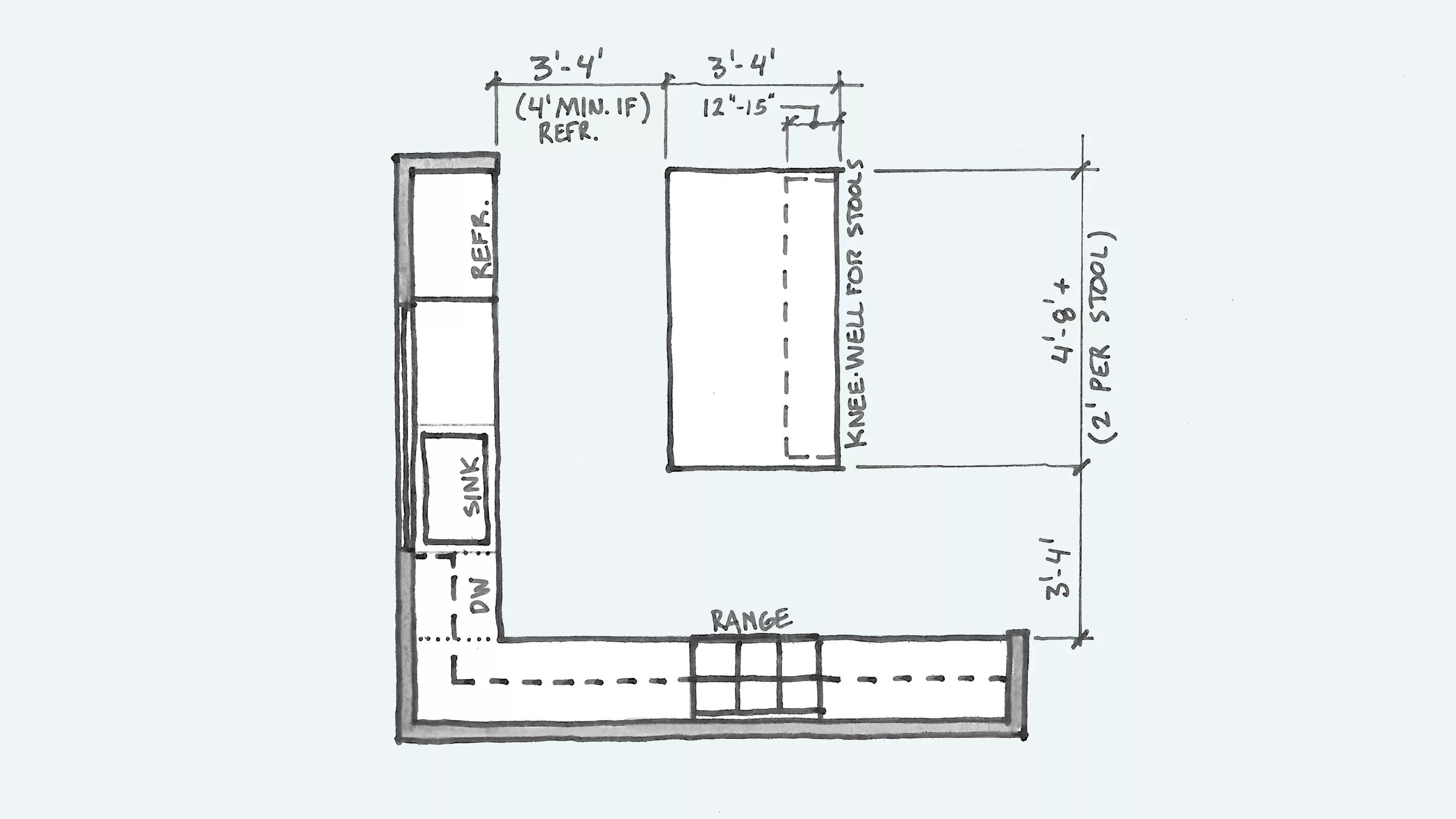
Image Source: www.boardandvellum.com
Gauging Your Kitchen Island Spacing Needs
The amount of space you need around your kitchen island isn’t a one-size-fits-all answer. It depends on several factors, including the size and shape of your kitchen, the island itself, and how you intend to use it. Let’s break down the essential considerations for kitchen island clearance.
The Minimum Distance Kitchen Island Requirements
When planning your kitchen, adhering to minimum distance kitchen island guidelines is paramount. These are not just arbitrary numbers; they are based on practical use and safety.
- Work Zones: The most critical areas needing adequate clearance are the pathways where you’ll be actively working. This includes the space between the island and your main countertops, as well as the walkways behind the island.
- Appliance Doors: Consider how appliance doors, like refrigerators, ovens, and dishwashers, swing open. You need enough space for these doors to open fully without obstruction from the island.
- Seating Areas: If your island will include seating, you’ll need even more space to allow people to pull out chairs and move around comfortably.
Defining Your Kitchen Island Walkway
A well-designed kitchen island walkway is the backbone of an efficient kitchen. It allows for seamless movement between different zones of your kitchen, whether you’re prepping food, cooking, or cleaning up.
- Primary Walkways: These are the main paths people will use to navigate the kitchen. They are typically the areas around the island leading to other rooms or appliances. Aim for at least 42 inches (107 cm) here for comfortable two-way traffic.
- Secondary Walkways: These might be smaller pathways, perhaps between the island and a wall or a less frequently used appliance. While 36 inches (91 cm) might be acceptable, 42 inches is still preferable for better accessibility.
The Art of Kitchen Island Spacing
Achieving the right kitchen island spacing is about balancing accessibility with a sense of proportion. You want to create clear pathways without making the kitchen feel too vast or disconnected.
- Traffic Flow: Imagine yourself moving through your kitchen. Are you carrying groceries? Are two people trying to pass each other? Proper spacing anticipates these everyday scenarios.
- Aesthetic Balance: The space around the island also contributes to the overall look and feel of the kitchen. Too little space can make a large island look overwhelming, while too much can make a small island feel lost.
Key Measurements for Optimal Kitchen Island Placement
Getting the measurements right is crucial for a kitchen that functions smoothly. Let’s delve into the specific distances that define optimal kitchen island placement.
The Crucial Kitchen Island to Counter Distance
This is perhaps the most talked-about measurement when it comes to kitchen islands. The kitchen island to counter distance directly impacts the efficiency of your kitchen’s core work areas.
- Standard Recommendation: For most kitchens, a kitchen island to counter distance of 42 inches (107 cm) is ideal. This provides ample room for a person to work at the island and another to access the perimeter counter or appliances without feeling crowded.
- Working Kitchens: If your kitchen is a primary hub for multiple cooks or frequent entertaining, you might consider increasing this distance to 48 inches (122 cm) for maximum comfort and maneuverability.
- Smaller Kitchens: In very compact kitchens, you might see clearances reduced to 36 inches (91 cm). However, this should be a last resort, as it can compromise workflow and feel tight.
Establishing the Kitchen Island Aisle Width
The kitchen island aisle width refers to the space between the island and any surrounding elements, such as cabinets, appliances, or walls.
- Minimum Aisle Width: The absolute minimum recommended kitchen island aisle width for a primary work area is 36 inches (91 cm). This allows a single person to move through.
- Comfortable Aisle Width: For comfortable passage, especially where two people might need to pass or where appliances open, aim for 42 inches (107 cm) or more. This is especially important between the island and the primary cooking or prep zones.
- Appliance Clearance: Remember to factor in the space needed for appliance doors to open. A dishwasher or oven door opening into the walkway can be a significant hazard if there isn’t enough room.
Considering Kitchen Island Seating Clearance
If your island doubles as a dining or gathering spot, kitchen island seating clearance becomes a critical design element.
- Seating Depth: Typically, you’ll need about 15-18 inches (38-46 cm) of depth for comfortable seating at an overhang.
- Knee Space: Ensure there’s enough knee space. If your island has a cabinet base, this might require a deeper overhang.
- Behind Seated Guests: This is where generous spacing is crucial. You need at least 48 inches (122 cm) between the edge of the island where people are seated and any cabinets or walls behind them. This allows people to get in and out of their seats easily and for others to walk behind them without disruption. If it’s a traffic path, 54-60 inches (137-152 cm) is even better.
Fathoming Kitchen Island Size and Layout
The kitchen island size and layout significantly influences the clearances you’ll need. A massive island will require more surrounding space than a compact, movable cart.
Navigating Different Kitchen Layouts
The shape and size of your kitchen will dictate how you can best incorporate an island and the necessary clearances.
- Galley Kitchens: In a galley kitchen, the island is often placed between two parallel countertops. Here, a minimum distance kitchen island of 42-48 inches (107-122 cm) is essential to allow for comfortable movement between the two sides. A wider island here can make the space feel very narrow.
- L-Shaped Kitchens: With an L-shaped kitchen, the island can be placed to complete the work triangle or extend the counter space. The kitchen island to counter distance should still be a minimum of 42 inches, especially between the island and the sink or cooktop.
- U-Shaped Kitchens: In a U-shaped kitchen, an island can sometimes feel redundant or too close to existing counters. If you opt for one, ensure ample kitchen island walkway space, typically 48 inches or more, to avoid creating a cluttered and confined environment.
Impact of Island Shape on Space Needs
The shape of your island itself also plays a role in how much room is required.
- Rectangular Islands: These are the most common and usually require standard walkway clearances.
- Curved or Kidney-Shaped Islands: These can sometimes feel more open but can also pose challenges if the widest part of the curve encroaches on critical pathways. Always measure the widest points.
- Two-Tiered Islands: These often have a countertop overhang for seating. This requires careful consideration of the seating clearance mentioned earlier.
The Kitchen Island Work Triangle: A Foundational Concept
The kitchen island work triangle connects your refrigerator, sink, and cooktop. A well-designed island can enhance or disrupt this critical workflow.
Optimizing the Kitchen Island Work Triangle
- Placement is Key: If your island houses a sink or cooktop, its placement within the triangle becomes vital. It should facilitate smooth transitions between preparing food, cooking, and cleaning.
- Avoiding Obstructions: Ensure the island doesn’t create a barrier within the triangle. The kitchen island walkway should provide direct access between the key components.
- Island as a Zone: An island can also act as a distinct zone for prep work, keeping this activity separate from the cooking or sink areas, thus streamlining the overall kitchen island work triangle.
Practical Tips for Measuring and Planning
To ensure your kitchen island fits perfectly and functions flawlessly, careful measurement and planning are essential.
Creating a Mock-Up
Before committing to an island, consider creating a mock-up using painter’s tape on your floor. This will help you visualize the space and walk through the clearances.
- Tape Layout: Lay down tape to represent the island’s footprint.
- Walk Through: Imagine yourself using the kitchen. Open cabinet doors, pull out chairs, and simulate cooking tasks. This tactile approach can reveal potential issues.
Measuring Your Space Accurately
- Measure Twice, Cut Once: Measure your kitchen space meticulously. Note the exact locations of windows, doors, existing cabinets, and appliance hookups.
- Consider Door Swings: As mentioned, always factor in the swing of appliance doors and cabinet doors.
- Measure Island Dimensions: Get the precise dimensions of the island you are considering, including any overhangs.
Common Pitfalls to Avoid
Even with careful planning, some mistakes are common when incorporating a kitchen island.
Insufficient Walkway Space
This is the most frequent error. People often underestimate how much room is needed for comfortable movement, especially when multiple people are in the kitchen or when carrying items.
Ignoring Appliance Door Swings
Not leaving enough room for the refrigerator, dishwasher, or oven doors to open fully can lead to constant frustration and potential damage.
Cramped Seating Areas
If seating is integrated, ensure there’s adequate legroom and enough space for people to get in and out of their chairs without disturbing others.
Oversized Islands in Small Kitchens
Trying to fit a large island into a small kitchen will inevitably lead to cramped walkways and an imbalanced aesthetic. Prioritize functionality over sheer island size.
Tables for Quick Reference
To summarize the key spacing recommendations, here are some helpful tables.
Table 1: Minimum and Recommended Kitchen Island Clearances
| Area Description | Minimum Clearance | Recommended Clearance | Notes |
|---|---|---|---|
| Island to Perimeter Counter/Cooktop/Sink | 36 inches (91 cm) | 42 inches (107 cm) | Crucial for workflow and passing. 48 inches if heavy traffic or multiple cooks. |
| Island to Appliance Door (Refrigerator, DW, Oven) | 42 inches (107 cm) | 48 inches (122 cm) | Ensures doors can open fully without hitting the island. |
| Island to Wall or Cabinet (No Door Swings) | 30 inches (76 cm) | 36 inches (91 cm) | Minimum for basic passage. |
| Island to Seating (Behind seated people) | 48 inches (122 cm) | 54-60 inches (137-152 cm) | Allows comfortable movement for seated guests and passage behind them. |
Table 2: Ideal Kitchen Island Walkway Widths by Scenario
| Scenario | Ideal Aisle Width |
|---|---|
| Primary traffic path between island and major work zones | 42-48 inches |
| Path where appliance doors swing open | 48 inches |
| Space for two people to pass comfortably behind seated guests | 54-60 inches |
| Secondary pathway or less trafficked area | 36-42 inches |
Tailoring Space to Your Lifestyle
Ultimately, the ideal kitchen island spacing is one that suits your specific needs and how you use your kitchen daily.
The Gourmet Chef’s Kitchen
If you’re a serious cook who spends a lot of time in the kitchen, you’ll want generous clearances. This allows for multiple people to work simultaneously without getting in each other’s way, enhancing the kitchen island work triangle efficiency.
The Busy Family Hub
For families, the kitchen is often a central gathering place. Ample space around the island ensures that children can move around safely while parents are cooking, and it provides comfortable seating for casual meals or homework sessions.
The Entertainer’s Dream
If you love to host, think about how guests will interact with the kitchen. You’ll need plenty of room for people to mingle around the island without blocking essential pathways. Consider larger kitchen island walkway dimensions.
Conclusion: Creating Harmony in Your Kitchen
The question of how much room around a kitchen island is fundamental to a well-executed kitchen design. By prioritizing adequate kitchen island clearance, thoughtful kitchen island walkway design, and precise kitchen island spacing, you can create a kitchen that is not only beautiful but also highly functional. Remember to consider your kitchen island size and layout, the kitchen island to counter distance, the kitchen island seating clearance, and how your island fits into the overall kitchen island work triangle. With careful planning and attention to these details, you’ll achieve a kitchen that flows beautifully and serves your needs for years to come.
Frequently Asked Questions (FAQ)
Q1: Can I put a kitchen island in a small kitchen?
Yes, you can put a kitchen island in a small kitchen, but it requires careful planning. Opt for a smaller, potentially movable island, or one with a slim profile. Prioritize the minimum distance kitchen island guidelines, especially the kitchen island to counter distance, to avoid making the space feel cramped.
Q2: What is the minimum distance for a kitchen island walkway?
The absolute minimum kitchen island walkway width is 36 inches (91 cm). However, for comfortable passage and better functionality, 42 inches (107 cm) is highly recommended, especially in main work areas.
Q3: How much space do I need behind island seating?
You need at least 48 inches (122 cm) of space behind island seating to allow people to pull out chairs and for others to walk by. For a high-traffic area or if you want more comfort, aim for 54-60 inches (137-152 cm).
Q4: Does the kitchen island have to be centered?
No, the kitchen island doesn’t have to be centered. Its placement should be dictated by the kitchen island work triangle and the most functional workflow in your kitchen. Optimal kitchen island placement is about maximizing usability, not just symmetry.
Q5: What if my kitchen is very narrow?
In very narrow kitchens, a traditional large island might not be feasible. Consider a narrower island, a rolling cart, or even a peninsula that attaches to the wall. Always ensure you maintain at least 36 inches of clear walkway on all working sides.
Q6: How does a kitchen island affect the kitchen work triangle?
A well-placed kitchen island can significantly improve the kitchen island work triangle by providing an additional work surface or by housing essential elements like a sink or cooktop. However, poor placement can obstruct the triangle and hinder workflow.
Q7: What is the ideal kitchen island to counter distance?
The ideal kitchen island to counter distance is typically 42 inches (107 cm) to allow for comfortable movement and work. In kitchens with high traffic or multiple cooks, 48 inches (122 cm) is preferable.