The ideal kitchen island seating overhang is typically between 10 and 15 inches for comfortable dining. Can you have more or less? Yes, but it impacts usability. This guide will help you determine the perfect countertop overhang depth for your kitchen island design, ensuring both style and function.
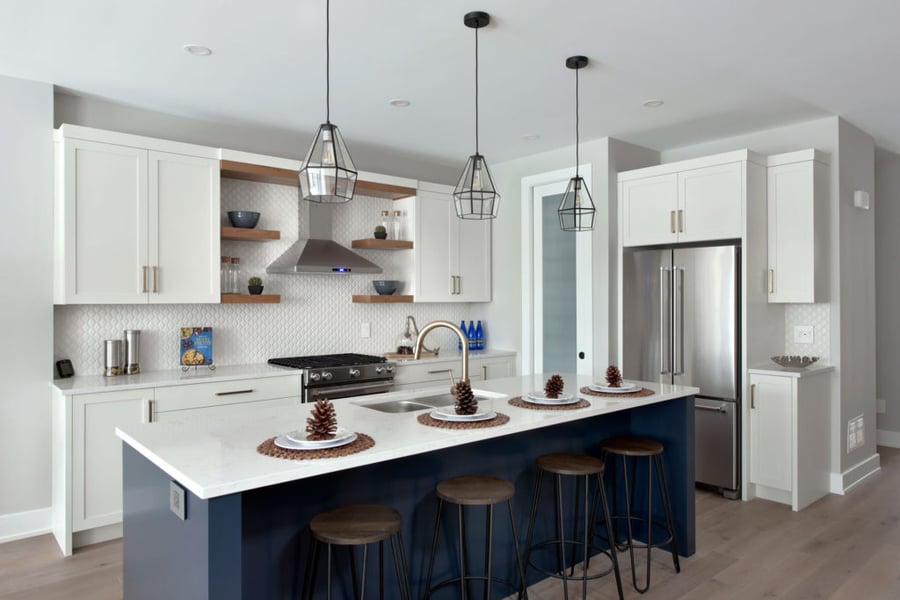
Image Source: www.deslaurier.com
Deciphering Kitchen Island Overhang Needs
When planning a kitchen island, the overhang is a crucial element. It’s not just about aesthetics; it directly influences how usable and comfortable your island will be, especially for seating. Getting this measurement right is key to a successful kitchen remodel or new build. Let’s dive into what makes a good overhang.
The Purpose of an Overhang
An overhang on a kitchen island serves several vital purposes:
- Comfortable Seating: It provides legroom for people sitting at the island, allowing them to tuck in their chairs without bumping into the island’s base.
- Aesthetics: It creates a more balanced and visually appealing look, breaking up the solid mass of the island.
- Functionality: It can provide a landing spot for plates, drinks, or even work surfaces when the island is used for casual dining or entertaining.
Types of Kitchen Island Overhangs
The amount of overhang you need depends on how you plan to use the island:
- No Overhang: Islands without an overhang are often purely for prep space or have cabinets on all sides. They are less common if seating is desired.
- Minimal Overhang (1-6 inches): This is usually for a slight lip to protect countertops or for a very shallow decorative element. It’s not enough for seating.
- Seating Overhang (10-15 inches): This is the sweet spot for comfortable dining. It allows people to sit with ample legroom.
- Deep Overhang (15+ inches): This can be used for more extensive dining or to accommodate deeper stools with wider bases.
Key Considerations for Island Overhang Calculations
Determining the right countertop overhang depth involves more than just picking a number. You need to think about a few things:
Seating Arrangements
How many people do you plan to seat at your island?
- Single Seater: Even one person needs adequate space.
- Multiple Seaters: You’ll need to ensure enough elbow room and legroom for everyone.
Stool or Chair Type
The kind of seating you choose will influence your overhang needs.
- Counter Stools: These are typically around 15-18 inches wide.
- Bar Stools: These can be wider, sometimes up to 20 inches.
- Chairs: If you’re using regular chairs, they may require even more space.
Material Strength and Support
Different countertop materials have varying strengths and require different support systems.
- Granite and Quartz: These are strong and can often support a decent overhang without extra support if the span isn’t too large.
- Marble: Softer than granite or quartz, it may require more support for larger overhangs.
- Butcher Block: Can be prone to warping, so support is often recommended.
- Laminate: Generally less supportive for significant overhangs.
Island Shape and Design
The overall design of your kitchen island plays a role.
- Rectangular Islands: These are straightforward to measure.
- Curved Islands: Overhang calculations can be more complex to ensure consistent legroom.
- Islands with Appliances: If you have a cooktop or sink integrated into the island, this might limit where you can place seating and how deep an overhang you can comfortably add.
Standard Overhang Measurements Explained
Let’s break down the common overhang measurements and what they are best suited for. These are general guidelines, and your specific needs might require adjustments.
For Comfortable Seating Overhang
This is the most popular type of overhang for islands intended for dining or casual meals.
- Minimum for Seating: 10 inches. This is the absolute minimum for most adults to sit comfortably without their knees hitting the island’s base. It’s suitable for shorter meals or if space is very limited.
- Recommended for Seating: 12 inches. This is a widely accepted standard for good comfort. It allows most people to sit without feeling cramped.
- Generous Seating: 15 inches. This provides ample legroom and is ideal for longer meals or for people who like to stretch out a bit. It also accommodates wider stools better.
When thinking about kitchen island seating overhang, aim for at least 10 inches, but 12-15 inches is usually preferred for optimal comfort.
For Bar Overhang Dimensions
If you’re creating a bar-style seating area, the dimensions are similar to dining overhangs, but the context is slightly different.
- Counter Height (36 inches): Typically uses counter stools. An overhang of 10-12 inches is common.
- Bar Height (42 inches): Typically uses bar stools. An overhang of 12-15 inches is usually best.
The key here is the bar overhang dimensions need to allow for the seated person’s legs and the stool itself.
For Dining Overhang for Island
When your island is meant to be a primary dining spot, you’ll want to prioritize comfort.
- Casual Dining: 12 inches is a good starting point.
- Formal Dining: 15 inches or even slightly more can make a significant difference in comfort for extended periods.
A dining overhang for island setups should prioritize ample legroom, making 12-15 inches the sweet spot.
Countertop Overhang Depth Rules
Beyond seating, overhangs can also be for practical or aesthetic reasons.
- Standard Cabinet Base: A typical cabinet base is 24 inches deep. An overhang of 1.5 inches on the working side (where you might place a microwave or have a cutting board) is common. This also helps protect the cabinet edges.
- Full Depth Overhang (36 inches): Some designs might incorporate a seating area on one side and a deeper counter on the other. This creates a more substantial surface.
The general countertop overhang depth you choose will depend on its intended use and the overall island dimensions.
Island Overhang Support: What You Need to Know
This is a critical aspect of kitchen island design that many overlook. Insufficient support can lead to cracked countertops, sagging edges, and even structural failure. Proper island overhang support is non-negotiable for safety and longevity.
When Is Support Necessary?
- Overhang Exceeding 10-12 Inches: For most common countertop materials like granite and quartz, an overhang of 10-12 inches is often self-supporting. However, if you exceed this, support becomes crucial.
- Fragile Materials: Materials like marble, some types of solid surface, and thinner slabs will require support even for smaller overhangs.
- Heavy Loads: If you plan to place heavy appliances (like a microwave) or frequently load the overhang with heavy items, support is advisable.
Types of Island Overhang Support
There are several effective ways to support an island overhang:
- Knee Braces: These are triangular supports that attach to the island’s cabinet base and extend up to the underside of the countertop. They are very effective and can also serve as a design element. They are a popular choice for island overhang support.
- Aprons or Stretchers: These are horizontal pieces of wood that run underneath the countertop, typically attached to the cabinet sides. They distribute the weight across the island’s structure.
- Floating Brackets: These are specialized metal brackets that are hidden beneath the countertop, creating a “floating” look. They are very strong but require careful installation and are best suited for materials like quartz or granite.
- Steel Supports: For very large or heavy overhangs, custom steel supports can be fabricated to provide maximum strength.
- Legs or Pedestals: In some designs, the island might have decorative legs or a central pedestal that inherently supports the overhang.
How Much Seating Overhang Allowance?
When you’re calculating your island’s total length, you need to factor in the space each person needs. A seating overhang allowance of 24 inches per person is a good rule of thumb for comfortable seating. This means if you want to seat three people, you’ll need at least 72 inches (3 x 24 inches) of linear space for them to sit at the island.
This allowance includes the depth of the overhang itself, plus the space the person occupies.
Kitchen Island Design Overhang: Integrating Style and Function
The overhang is a key part of your kitchen island design overhang. It affects both how the island looks and how it functions in your space.
Matching Overhang to Island Style
- Modern Islands: Often feature clean lines and may have minimalist overhangs or sleek, hidden supports. A waterfall edge design, where the countertop material extends down the side of the island, is also a popular modern choice that incorporates overhang visually.
- Traditional Islands: Might have more decorative edges and could accommodate slightly deeper overhangs, often supported by more substantial braces or carved details.
- Rustic Islands: Butcher block islands might have a generous overhang supported by thicker wood pieces, adding to their charm.
Maximizing Seating with Island Overhang Length
The kitchen island overhang length is critical if you want to maximize seating.
- Longer Islands: Naturally allow for longer overhangs and more seating spots.
- Shaped Islands: A curved island can sometimes accommodate more seating with a more consistent overhang depth.
Creating a Dining Overhang for Island Use
If you want your island to double as a dining table, focus on the depth and comfort.
- Depth is Key: As discussed, 12-15 inches is ideal.
- Edge Profile: The edge profile of your countertop can also influence the perceived and actual overhang. A thicker edge might make the overhang feel more substantial.
Countertop Overhang Calculations: A Practical Approach
Let’s put this into practice with some simple calculations.
Basic Seating Overhang Calculation
- Desired Overhang Depth: Let’s say you want a comfortable 12 inches.
- Countertop Thickness: Assume your countertop is 1.5 inches thick.
- Support Requirement: For a 12-inch overhang on granite, you might not need visible support if the span is manageable.
- Total Island Depth: If your base cabinets are 24 inches, and you want a 12-inch overhang, the total island depth at the seating area will be approximately 24 inches (cabinet) + 12 inches (overhang) = 36 inches. However, the overhang itself is just the 12 inches extending past the cabinet face.
Calculating Linear Seating Space
- Total Island Length: Measure the total length of the island where seating will occur.
- Overhang Length: This is the portion of the island designed for seating.
- Space Per Person: Allocate 24 inches of linear space per person.
- Example: If your island is 72 inches long and has a 12-inch overhang along its entire length, you can comfortably seat three people (72 inches / 24 inches per person = 3 people).
Visualizing Your Overhang
- Use Painter’s Tape: Before committing, use painter’s tape on your existing island or floor to mark out different overhang depths. This helps you visualize the space and how it feels.
- Mock-up with Cardboard: For a more accurate representation, create a cardboard mock-up of the proposed overhang.
Frequently Asked Questions (FAQ)
Here are some common questions about kitchen island overhangs:
Q1: What is the minimum overhang for a kitchen island with seating?
A1: The minimum overhang for comfortable seating is generally considered to be 10 inches. This provides enough legroom for most adults to sit without their knees hitting the island’s base.
Q2: Can I have a 15-inch overhang on my kitchen island without support?
A2: For sturdy materials like quartz or granite, a 15-inch overhang might be self-supporting if the span between cabinet supports is not too great. However, it’s highly recommended to use some form of support, such as knee braces or a well-designed apron, to ensure long-term stability and prevent potential cracking. Always consult with your fabricator or a structural engineer for definitive advice based on your specific material and island design.
Q3: How much space does each person need at a kitchen island?
A3: For comfortable seating at a kitchen island, it’s recommended to allow at least 24 inches of linear space per person. This accounts for elbow room and personal space.
Q4: What is the standard countertop overhang depth for decorative purposes only?
A4: For decorative purposes or a slight lip to protect countertop edges, an overhang of 1 to 1.5 inches is common. This does not provide enough space for seating.
Q5: What is the best overhang for a dining overhang for island setup?
A5: For a dining overhang for island use, the most comfortable measurement is typically between 12 and 15 inches. This allows for ample legroom and a pleasant dining experience.
Q6: What are the most common island overhang support methods?
A6: The most common island overhang support methods include knee braces, aprons/stretchers, and hidden floating brackets. The best method depends on the countertop material, the size of the overhang, and the desired aesthetic.
Q7: How much overhang can granite support?
A7: Granite can typically support an overhang of up to 10-12 inches without additional support, provided the slab thickness is adequate (usually 3cm or 1.25 inches) and the span is not excessively long. For larger overhangs, support is essential.
Q8: Does the thickness of my countertop affect the overhang support needed?
A8: Yes, the thickness of your countertop does affect its strength and ability to support an overhang. Thicker countertops (e.g., 3cm or 1.25 inches) are generally stronger and can support slightly larger overhangs than thinner ones (e.g., 2cm or 0.75 inches).
Q9: What is the ideal kitchen island seating overhang for casual dining?
A9: For casual dining at a kitchen island, an overhang of 12 inches is generally considered ideal. It provides sufficient legroom for comfort without being excessively deep.
Q10: Can I have an overhang on only one side of my kitchen island?
A10: Yes, absolutely. It’s very common to have seating on one side, which requires an overhang on that side, while the other sides might have cabinets, drawers, or a flush countertop.
By carefully considering these measurements and support systems, you can create a beautiful and highly functional kitchen island that perfectly suits your needs.