What is the cost to replace kitchen cabinets? The cost to replace kitchen cabinets can range widely, typically from $5,000 to $25,000 or more, depending on the size of your kitchen, the materials you choose, and whether you opt for stock, semi-custom, or custom cabinetry. This figure encompasses not just the cabinets themselves but also potential installation fees, hardware, and any necessary demolition or preparation work.
Remodeling a kitchen is a significant undertaking, and often, the cabinets are the star of the show. They define the style, functionality, and overall feel of your culinary space. When the time comes to upgrade, knowing the potential kitchen cabinet replacement cost is crucial for budgeting and planning. This guide aims to provide a thorough breakdown of the factors influencing this cost, offering insights into different options and helping you make informed decisions for your dream kitchen.
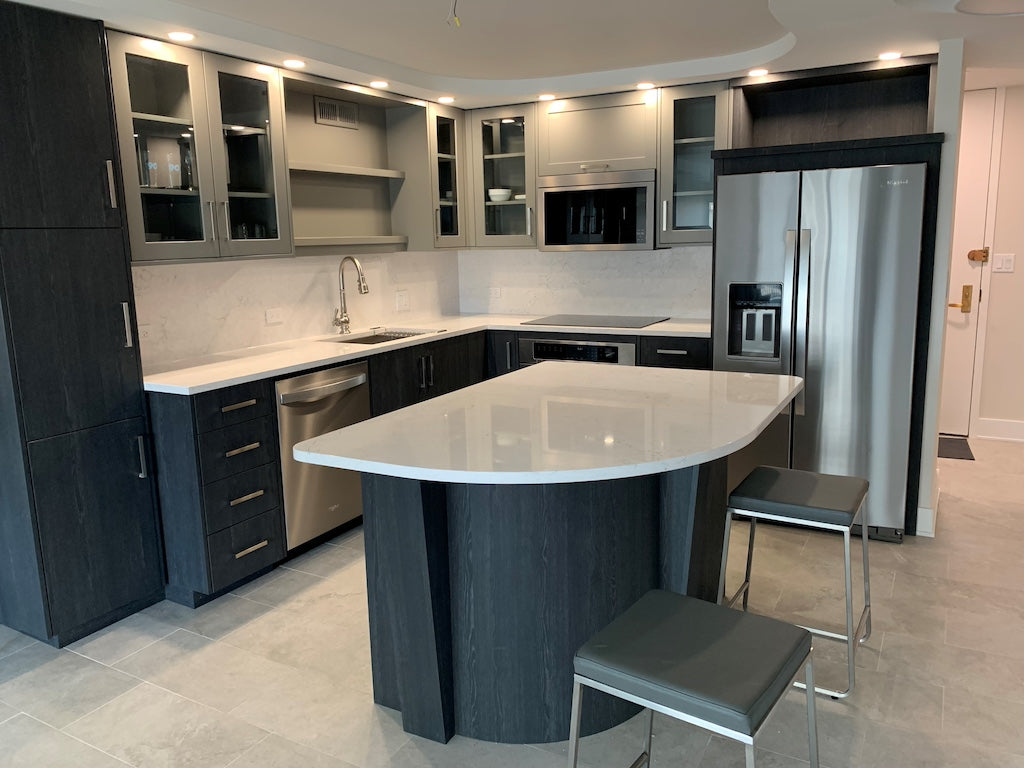
Image Source: homecarpetone.com
Factors Influencing Kitchen Cabinet Replacement Cost
Several key elements contribute to the final cost to replace kitchen cabinets. Fathoming these variables will help you get a clearer picture of your potential investment.
Kitchen Size and Layout
- Square Footage: A larger kitchen naturally requires more cabinetry, increasing the overall material cost and potentially the installation labor.
- Cabinet Quantity and Linear Feet: The number of base cabinets, wall cabinets, and specialty units (like pantries or corner cabinets) directly impacts the price. You’ll often see pricing based on linear feet of cabinetry.
- Complexity of Layout: Intricate kitchen layouts with many corners, angles, or custom features can increase both material costs and installation complexity, leading to higher prices.
Cabinet Material
The type of wood or material used for your cabinets plays a significant role in the final price.
- Stock Cabinets: These are pre-made in standard sizes and offered by big-box retailers. They are the most budget-friendly option, but have limited customization.
- Semi-Custom Cabinets: These offer a wider range of sizes, styles, and finishes than stock cabinets. You can select from various door styles, wood types, and configurations, allowing for more personalization at a moderate price point.
- Custom Cabinets: Built to your exact specifications, custom cabinets offer the ultimate in design flexibility and quality. They are typically made by local cabinet makers or specialized companies and come with the highest price tag.
Wood Types
The type of wood chosen significantly affects the cost of new kitchen cabinets.
- Particleboard/MDF: Often used in budget-friendly stock cabinets, these composite materials are less expensive but can be less durable and susceptible to moisture damage.
- Oak: A popular and relatively affordable hardwood, known for its prominent grain pattern.
- Maple: A smooth-grained hardwood that takes finishes well, offering a clean and modern look. It’s a good mid-range option.
- Cherry: A premium hardwood with a rich color that deepens with age. It’s more expensive but offers a luxurious feel.
- Hickory: Known for its strength and distinctive grain, hickory can be a pricier hardwood option.
- Birch: Similar to maple in appearance and durability, birch is often a more affordable hardwood choice.
- Exotic Woods: Woods like mahogany or walnut are significantly more expensive due to their rarity and unique beauty.
Cabinet Finishes
The finish applied to your cabinets also influences the overall cost.
- Laminate/Veneer: These are applied over particleboard or MDF, offering a range of looks at a lower cost.
- Paint: Available in a vast array of colors, painted cabinets can be a versatile choice. The quality of the paint and the labor involved in application can affect the price.
- Stain: Stains enhance the natural beauty of wood grains. Different stain colors and application techniques can vary in cost.
- Glazes/Specialty Finishes: More complex finishes like glazes, distressing, or antique effects often add to the labor cost.
Hardware and Accessories
Don’t forget the finishing touches!
- Knobs and Pulls: These can range from a few dollars each to hundreds of dollars for designer pieces.
- Drawer Slides: Soft-close, full-extension drawer slides are more expensive but offer superior functionality and durability.
- Cabinet Hinges: Similar to drawer slides, different types of hinges can impact cost and performance.
- Internal Organizers: Pull-out shelves, spice racks, lazy Susans, and specialized drawer inserts add convenience but also increase the overall cabinet remodel cost.
Installation Labor
The kitchen cabinet installation price can be a significant portion of the total budget.
- Installer’s Experience and Reputation: Highly skilled and experienced installers may charge more but can ensure a professional and durable result.
- Complexity of Installation: As mentioned, intricate layouts or unusual installation requirements can increase labor costs.
- Geographic Location: Labor rates vary significantly by region.
- DIY vs. Professional Installation: While DIY can save money, it requires time, skill, and the right tools. Improper installation can lead to costly repairs down the line.
Additional Costs to Consider
Beyond the cabinets and installation, other expenses might arise.
- Demolition and Disposal: If you’re removing old cabinets, you’ll need to factor in the cost of demolition and proper disposal of the old materials.
- Countertop Replacement: Often, a cabinet replacement project goes hand-in-hand with new countertops. The cost of countertops is separate and can be substantial.
- Plumbing and Electrical Work: If your new cabinet layout requires moving sinks, dishwashers, or other appliances, you’ll need to account for plumbing and electrical adjustments.
- Backsplash and Wall Finishing: New cabinets might necessitate touching up or replacing wall finishes or backsplashes.
- Permits: Depending on your local regulations, you might need permits for significant kitchen renovations.
Different Approaches to Cabinet Updates and Their Costs
When you’re ready for a kitchen refresh, you have several options, each with a different impact on your wallet. It’s helpful to know the cost to reface kitchen cabinets versus replacing them entirely.
Replacing Kitchen Cabinets
This is the most comprehensive approach, involving the removal of existing cabinets and the installation of entirely new ones. This allows for a complete overhaul of your kitchen’s look and functionality.
Average Cost Kitchen Cabinet Replacement:
For a standard-sized kitchen (approximately 100-120 square feet), a full replacement using mid-range semi-custom cabinets can fall between $10,000 and $20,000. This includes materials and professional installation.
Cost Breakdown Example (Mid-Range Kitchen):
| Item | Estimated Cost Range | Notes |
|---|---|---|
| Stock Cabinets | $3,000 – $7,000 | Limited options, pre-made sizes. |
| Semi-Custom Cabinets | $7,000 – $15,000 | More choices in style, size, and finish. |
| Custom Cabinets | $15,000 – $30,000+ | Tailor-made for your space, highest quality and design flexibility. |
| Hardware (Knobs/Pulls) | $200 – $1,000+ | Varies greatly by style and material. |
| Installation Labor | $2,000 – $6,000+ | Can be a significant portion of the total cost. |
| Demolition/Disposal | $300 – $1,000 | Depending on the complexity and amount of old material. |
| Total Estimated Cost | $5,500 – $37,000+ | This is a broad range; a detailed kitchen cabinet quote is best. |
Refacing Kitchen Cabinets
Refacing involves keeping your existing cabinet boxes (the frames) and replacing only the visible parts: the doors and drawer fronts. New veneer or laminate can also be applied to the cabinet boxes to match the new doors. This is a more budget-friendly option than a full replacement.
Cost to Reface Kitchen Cabinets:
The cost to reface kitchen cabinets typically ranges from $3,000 to $10,000. This can be a significant saving compared to a full replacement, offering a substantial aesthetic upgrade without the mess and expense of gutting the entire kitchen.
When is Refacing a Good Option?
* Your existing cabinet boxes are in good structural condition.
* You like the current layout of your kitchen.
* You’re looking for a significant visual update at a lower cost.
Refacing Process:
1. Removal of Old Doors and Drawer Fronts: The old components are carefully removed.
2. Preparation of Cabinet Boxes: The existing boxes are cleaned, repaired if necessary, and sometimes sanded.
3. Application of New Veneer/Laminate: A new material is applied to the cabinet frames to give them a fresh look.
4. Installation of New Doors and Drawer Fronts: These are custom-made to fit your existing cabinet openings.
5. New Hardware Installation: New knobs and pulls are added.
Refinishing/Painting Kitchen Cabinets
This is the most affordable way to update the look of your cabinets. It involves cleaning, sanding, and then painting or staining the existing cabinet doors, drawer fronts, and frames.
Cost to Paint Kitchen Cabinets:
The cost to paint kitchen cabinets can range from $1,000 to $5,000, depending on whether you DIY or hire a professional painter. Professional painters specializing in cabinetry will achieve a smoother, more durable finish.
Cabinet Refinishing Cost:
Similar to painting, cabinet refinishing cost (which can include staining or applying a protective topcoat) typically falls in the $1,000 to $5,000 range for professional services.
When is Refinishing a Good Option?
* Your cabinets are made of solid wood and are structurally sound.
* You want a dramatic visual change without replacing anything.
* Budget is a primary concern.
DIY vs. Professional Painting/Refinishing:
* DIY: Requires significant time, effort, and skill to achieve a professional-looking finish. You’ll need to buy paints, primers, sandpaper, brushes, rollers, and potentially a sprayer.
* Professional: Ensures a high-quality, durable finish, saving you time and potential frustration. However, it comes at a higher cost.
Buying Wholesale Kitchen Cabinets
For those looking to maximize their budget without compromising too much on quality, purchasing wholesale kitchen cabinets cost can offer a significant advantage. These are cabinets sold directly from manufacturers or distributors, often bypassing the retail markup.
Where to Find Wholesale Cabinets:
* Local Cabinet Shops: Many independent cabinet makers sell directly to the public at wholesale prices.
* Online Retailers: Numerous online companies specialize in selling discounted or wholesale cabinetry.
* Cabinet Distributors: Some distributors work with contractors but may also sell to individual homeowners.
Benefits of Wholesale:
* Lower Prices: The primary benefit is cost savings.
* Direct from Manufacturer: Can sometimes mean better quality control.
Considerations for Wholesale:
* Limited Showroom Experience: You might not have a physical showroom to see and feel the cabinets.
* Shipping Costs: Factor in shipping expenses, especially for large orders.
* Installation: Wholesale cabinets typically do not include installation, so you’ll need to arrange that separately.
Getting a Kitchen Cabinet Quote
To get an accurate idea of your kitchen cabinet quote, you’ll need to provide detailed information to potential suppliers or contractors.
What to Include in Your Inquiry:
- Kitchen Dimensions: Provide precise measurements of your kitchen, including ceiling height, wall lengths, and the location of windows and doors.
- Cabinet Needs: Specify the types of cabinets you need (base, wall, pantry, corner cabinets) and their desired dimensions. If you have a floor plan, share it.
- Style Preferences: Describe the cabinet style you’re looking for (e.g., shaker, slab, raised panel).
- Material and Finish: Indicate your preferred wood type, paint color, or stain.
- Hardware Preferences: Mention if you have specific hardware in mind.
- Budget: While not always necessary to state upfront, having a budget in mind helps suppliers suggest appropriate options.
- Timeline: Indicate when you hope to start and complete the project.
- Scope of Work: Clearly state if you need demolition, installation, or just cabinet supply.
Tips for Obtaining Quotes:
- Get Multiple Quotes: Aim to get at least three quotes from different suppliers and installers to compare prices, styles, and services.
- Read Reviews: Check online reviews and ask for references from previous clients.
- Ask Detailed Questions: Don’t hesitate to ask about warranties, installation processes, and any potential hidden fees.
- Confirm What’s Included: Ensure your quote clearly outlines materials, labor, hardware, and any other services provided.
Making Your Cabinet Choice: Style and Functionality
Beyond the cost, the choices you make in style and functionality will shape your kitchen for years to come.
Cabinet Styles:
- Shaker: Characterized by a simple, clean design with a flat center panel and square edges. Very popular and versatile.
- Slab (Flat Panel): A minimalist, modern look with a completely flat door and drawer front.
- Raised Panel: Features a center panel that is raised or has a beveled edge, adding a more traditional or formal look.
- Recessed Panel: Similar to Shaker but with a slightly more detailed or rounded recess in the center panel.
- Beadboard: Features vertical grooves or “beads” on the center panel, offering a cottage or farmhouse feel.
Functional Considerations:
- Storage Solutions: Think about how you use your kitchen. Do you need pull-out shelves for pots and pans? Spice racks? Deep drawers for dishes? Consider specialized inserts to maximize space and accessibility.
- Drawer vs. Door: Deep drawers are often more functional than base cabinets with doors, as they allow easier access to contents.
- Soft-Close Mechanisms: For drawers and doors, soft-close hinges and slides prevent slamming and add a touch of luxury.
- Hardware: Choose knobs and pulls that are comfortable to grip and complement your cabinet style.
DIY vs. Professional Installation
Deciding whether to tackle cabinet installation yourself or hire a professional is a significant decision that impacts both cost and outcome.
DIY Installation:
Pros:
* Cost Savings: Avoids labor charges, which can be substantial.
* Control: You have complete control over the pace and execution of the work.
Cons:
* Time Commitment: Cabinet installation is time-consuming and requires careful attention to detail.
* Skill Requirement: Requires carpentry skills, precision, and the right tools.
* Potential for Errors: Mistakes can lead to uneven cabinets, damaged walls, or improper fitting, which can be costly to fix.
* Tool Investment: You may need to purchase or rent specialized tools.
Professional Installation:
Pros:
* Expertise and Efficiency: Professionals have the skills and experience to install cabinets quickly and correctly.
* Quality Finish: Ensures cabinets are level, plumb, and securely fastened, resulting in a polished look.
* Warranty: Many professional installers offer warranties on their workmanship.
* Time Savings: Frees up your time to focus on other aspects of the remodel.
Cons:
* Higher Cost: Labor charges will increase the overall project expense.
When to Consider DIY:
* You have significant carpentry experience.
* You have access to all the necessary tools.
* You have a flexible timeline and patience.
* You are installing stock cabinetry in a straightforward layout.
When to Hire a Professional:
* You are less experienced with DIY projects.
* You are investing in semi-custom or custom cabinets.
* Your kitchen layout is complex or has unique challenges.
* You want a guarantee of a high-quality finish.
Frequently Asked Questions (FAQ)
How much does it cost to replace kitchen cabinets for a small kitchen?
For a small kitchen (e.g., 10 ft x 10 ft), the kitchen cabinet replacement cost can range from $4,000 to $12,000. This depends heavily on the material and style of cabinets you choose, from budget-friendly stock options to more personalized semi-custom ones, along with installation fees.
Can I get a kitchen cabinet quote online?
Yes, many cabinet suppliers and online retailers offer online quoting tools. You typically input your kitchen dimensions, desired cabinet types, and style preferences to receive an estimated cost. However, for the most accurate kitchen cabinet quote, it’s best to have a professional measure your space and provide an in-person assessment.
What is the difference between refacing and replacing kitchen cabinets?
Replacing kitchen cabinets involves removing your old cabinets entirely and installing new ones. Refacing kitchen cabinets means keeping the existing cabinet boxes (frames) and replacing only the doors and drawer fronts, often with new veneer or laminate applied to the boxes. Refacing is generally less expensive and less disruptive than full replacement.
Is it cheaper to paint or reface kitchen cabinets?
It is almost always cheaper to paint or refinish your existing kitchen cabinets than to reface them. The cost to paint kitchen cabinets is typically the lowest option, followed by refacing, and then full replacement. However, refacing offers a more significant visual transformation than painting alone.
What are the most affordable kitchen cabinets?
The most affordable kitchen cabinets are typically stock cabinets, often made from materials like particleboard or MDF with laminate or vinyl finishes. These are pre-made in standard sizes and offer the least customization. Wholesale kitchen cabinets cost can also be very competitive if you find good distributors.
How long does it take to install kitchen cabinets?
The installation time for kitchen cabinets can vary. For a professional, installing new cabinets in a standard-sized kitchen might take anywhere from 2 to 5 days. This timeframe can increase depending on the complexity of the layout, the type of cabinets, and any necessary modifications to the kitchen space. DIY installation will likely take longer.
By carefully considering these factors and exploring your options, you can confidently navigate the process of updating your kitchen cabinets and achieve the beautiful, functional space you desire.