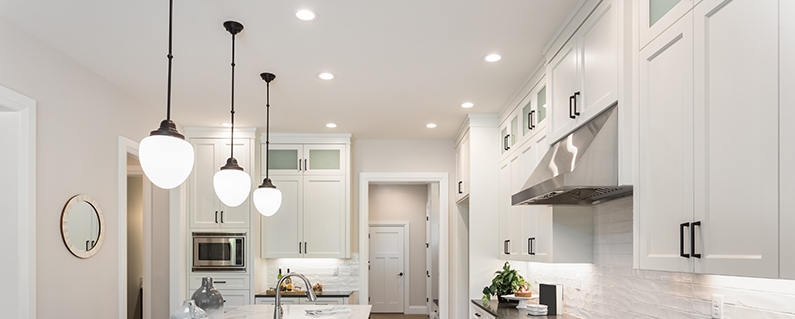
Image Source: cdn-ikpfnll.nitrocdn.com
Expert Tips: How Many Lumens For Kitchen Ceiling Light
How many lumens do you need for a kitchen ceiling light? And how bright should kitchen lights be? Figuring out the right amount of light for your kitchen ceiling depends on the size of the room and what you do there. A good starting point for general lighting is often between 50 to 100 lumens for each square foot of kitchen space. Task lighting, which lights up work areas, needs much more brightness. The total number of lumens needed comes from adding up the light from all your fixtures. This includes ceiling lights, under-cabinet lights, and lights over islands.
Grasping What Lumens Mean
What are lumens anyway? Lumens measure how much visible light a bulb or fixture puts out. Think of it as the total brightness. A light with more lumens is brighter than one with fewer lumens. This is different from watts. Watts measure how much energy a light uses. Lumens tell you how bright it shines. When you buy lights for your kitchen, checking the lumens is key. It tells you how bright the light fixture brightness will be.
Why Brightness Matters in the Kitchen
Brightness matters a lot in the kitchen. It is a workspace. You prepare food here. You clean here. You might even help kids with homework at the table. Good light helps you see clearly. It makes tasks like cutting vegetables safer. It helps you read recipes easily. Enough light also makes the kitchen feel clean and welcoming. Too little light can make the room feel dim or unsafe.
Finding the Right Number: Lumens Per Square Foot
How do you figure out the total lumens you need? A common way is using lumens per square foot. This idea gives you a target brightness level for the room. Different areas in a home need different light levels. Kitchens need more light than a living room or bedroom. This is because you do detailed work here.
The Basic Rule: Lumens Per Square Foot
Experts suggest lumens per square foot ranges for kitchens. For the main, general light in your kitchen (ambient light), aim for about 50 lumens per square foot. This gives a good overall brightness. For specific work areas like counters or stovetops (task light), you need much more light. Aim for 100 lumens per square foot or even higher in these spots. These brightness level kitchen lighting guidelines help you plan.
Figuring Out Your Kitchen Size
To use the lumens per square foot rule, you need to know your kitchen’s size. Measure the length of your kitchen. Measure the width. Multiply these two numbers together. This gives you the square footage.
- Example: Your kitchen is 10 feet long and 12 feet wide.
- Size: 10 feet * 12 feet = 120 square feet.
Now you can use this size to find the total lumens needed for general light.
- Example (General Light): For a 120 square foot kitchen, needing 50 lumens per square foot for ambient light:
- Total Ambient Lumens: 120 sq ft * 50 lumens/sq ft = 6000 lumens.
This 6000 lumens is the total light needed for the whole room’s general brightness. It will come from your main ceiling lights. The lumens needed for kitchen size depends directly on this math.
Different Lights for Different Jobs
Kitchen lighting works best in layers. You have different types of light for different purposes. Knowing these layers helps you plan your lighting. It also helps you figure out the specific lumens needed for each type of light.
General Light (Ambient)
Ambient light is the main light in the room. It gives overall brightness. It lets you walk around safely. It fills the space so there are no dark corners. Ceiling lights like flush mounts, semi-flush mounts, or recessed lights usually provide ambient light. The lumens needed for kitchen ambient lighting are calculated using the 50 lumens per square foot rule we talked about. If your kitchen is 120 sq ft, you need about 6000 lumens of ambient light. This could come from one large fixture or several smaller ones.
Work Light (Task)
Task light is focused light. It shines directly on areas where you do tasks. Kitchen task lighting lumens are higher than ambient light. You need to see details clearly when cutting, mixing, or cooking. Good spots for task lighting include:
- Countertops (under-cabinet lights are popular here)
- Stove or cooktop (range hood light)
- Sink area
- Prep areas
For task lighting, aim for 100 lumens per square foot or more in those specific areas.
- Example: A countertop area is 10 feet long and 2 feet deep. That’s 20 square feet.
- Task Lumens for Counter: 20 sq ft * 100 lumens/sq ft = 2000 lumens.
This 2000 lumens should be focused only on that counter section. This explains why under-cabinet lights can be quite bright even if they are small. The brightness level kitchen lighting varies a lot depending on the area and its use.
Island Light (Special Task)
A kitchen island is often a main work area. People prep food, eat, and socialize there. Lighting over a kitchen island is usually task lighting. The best lumens for kitchen island lighting depend on the size and how you use it. If it’s just for eating, maybe slightly less light is fine. If it’s a main prep zone, you need bright light. Aim for 100-150 lumens per square foot for an island workspace. Pendant lights are often used here. You might need two or three pendants. The total lumens from these pendants should meet the need for the island’s area.
- Example: Your island is 6 feet long and 3 feet wide. That’s 18 square feet.
- Task Lumens for Island: 18 sq ft * 120 lumens/sq ft (using a slightly higher task number) = 2160 lumens.
You would need lights over the island that together give off about 2160 lumens.
Putting All the Lights Together
The total light in your kitchen comes from adding up the lumens from all your light sources. You need enough ambient light and enough task light. The recommended lumens for kitchen lighting is not just one number for the whole room. It’s a mix.
- Total Kitchen Lumens = Total Ambient Lumens + Total Task Lumens + Total Accent Lumens (if used)
Let’s look at our example 120 sq ft kitchen again.
- Ambient Need: 6000 lumens (from ceiling fixtures)
- Assume you have 40 sq ft of countertop task area and an 18 sq ft island task area.
- Counter Task Need: 40 sq ft * 100 lumens/sq ft = 4000 lumens (from under-cabinet lights)
- Island Task Need: 18 sq ft * 120 lumens/sq ft = 2160 lumens (from island pendants)
-
Assume no accent lighting for this example.
-
Total Lumens Needed: 6000 (ambient) + 4000 (counter task) + 2160 (island task) = 12160 total lumens for the kitchen.
This might seem like a very high number. Remember, this total comes from all the lights working together. The main ceiling lights give the base layer. The lights under cabinets and over the island add much more brightness where you need it most. This layering is key to good kitchen lighting standards.
How Fixtures Change Brightness
The type of light fixture affects how the lumens spread. A flush mount ceiling light spreads light widely. A pendant light focuses light downwards. Recessed lights can be aimed. When choosing lights, look at the lumens listed on the box or product details. This tells you the output of that single fixture.
- Example: You need 6000 ambient lumens for your 120 sq ft kitchen.
- Option 1: Use one large fixture with 6000 lumens.
- Option 2: Use six smaller recessed lights, each giving 1000 lumens (6 * 1000 = 6000).
The kitchen light fixture brightness depends on the number of lumens it produces. A fixture’s design also matters. A fixture with a shade that blocks light will deliver fewer usable lumens to the room, even if the bulb inside has high lumens. Always check the listed output for the fixture, not just the bulb if they are separate.
Deciphering Lumens for Common Fixtures
Here are some general lumen ranges for common kitchen light fixture types. These are estimates, always check the product specs.
| Fixture Type | Common Use | Typical Lumens Per Fixture | Notes |
|---|---|---|---|
| Flush Mount/Semi-Flush | Ambient | 800 – 3000+ | Spreads light widely |
| Recessed Downlights | Ambient, Task | 600 – 1200+ per light | Good for even lighting; can be aimed |
| Pendant Lights | Task (Island/Sink) | 800 – 2000+ per light | Focused light downwards |
| Under-Cabinet Lights | Task (Counters) | 200 – 500+ per linear foot | Shines directly on work surfaces |
| Track Lighting | Ambient, Task | 500 – 1000+ per head | Flexible, can aim lights |
| Range Hood Light | Task (Stovetop) | Varies widely (200 – 1000+) | Built-in to hood |
Using a mix of these fixtures helps you meet both your ambient and task lumen needs. This gives you the right brightness level kitchen lighting in different areas.
More Than Just Lumens
While lumens are about brightness, other factors affect how your kitchen looks and feels.
- Color Temperature (CCT): This is measured in Kelvin (K). It tells you if the light looks warm (more yellow/orange, lower K numbers like 2700K-3000K) or cool (more blue/white, higher K numbers like 4000K-5000K+). Warm light feels cozy. Cool light feels more like daylight and can help with focus. For kitchens, many people like a neutral white (3000K-4000K). It looks clean but isn’t too harsh.
- Color Rendering Index (CRI): This measures how well a light shows colors. A high CRI (85+) means colors look true and vibrant under the light. This is important in a kitchen for seeing the real color of food.
- Dimmers: Installing dimmers lets you control the brightness. You can turn up the lumens when cooking or cleaning. You can dim them down for eating or relaxing. Dimmers give you flexibility in your brightness level kitchen lighting.
Following Kitchen Lighting Rules
There aren’t strict legal “standards” for home kitchen lighting lumens in most places. However, lighting design groups and building codes offer guidelines. These guidelines often talk about required light levels (measured in footcandles or lux) on surfaces, especially work surfaces. While we’ve focused on lumens (the total light output), these footcandle/lux levels relate to lumens and how the light is spread.
- General Guideline: Aim for 50 footcandles (about 500 lux) on kitchen work surfaces.
- Converting: Converting footcandles to lumens is tricky because it depends on the area the light covers. However, targeting 100+ lumens per square foot for task areas usually helps achieve these recommended footcandle levels.
So, using the lumens per square foot method and aiming for the higher end (100+ lumens/sq ft) in task areas helps meet these suggested kitchen lighting standards for brightness.
Your Kitchen Lighting Plan
Here is a simple way to plan your kitchen lighting and figure out the lumens needed:
- Find Your Kitchen Size: Measure length and width. Multiply to get square feet.
- Figure Ambient Lumen Need: Multiply square feet by 50. This is your target for general light.
- Identify Task Areas: Where do you prep, cook, and clean? Measure these areas (length x width for counters/islands).
- Figure Task Lumen Need: For each task area, multiply its square footage by 100 or more (up to 150 for islands).
- Choose Ambient Fixtures: Select ceiling lights with enough total lumens to meet your ambient need. Example: If you need 6000 ambient lumens, pick fixtures that add up to 6000+ lumens.
- Choose Task Fixtures: Select lights for your task areas (under-cabinet, pendants, etc.). Make sure they provide enough lumens for each specific area. Example: If your island needs 2160 lumens, choose pendants that total 2160+ lumens over the island.
- Check Total: Add up the lumens from all chosen fixtures. Does it seem reasonable based on the overall room size and function?
- Consider Other Factors: Think about light color (CCT), color quality (CRI), and if you want dimmers.
This step-by-step approach helps ensure you have enough lumens needed for kitchen size and all your activities. It covers recommended lumens for kitchen areas, including best lumens for kitchen island.
Expert Tips for Great Kitchen Light
- Layer Your Lights: Don’t rely on just one ceiling light. Combine ambient, task, and maybe accent lighting. This gives flexibility and better overall brightness level kitchen lighting.
- Focus Task Light: Make sure task lights shine only on the work surface, not into your eyes. Under-cabinet lights should be hidden. Pendant height is important.
- Use Dimmers: They are worth the cost. They let you change the mood and save energy when full brightness isn’t needed.
- Consider Surface Finishes: Dark countertops absorb light. Light countertops reflect light. You might need slightly more lumens if you have dark surfaces.
- Think About Shadows: Good lighting reduces harsh shadows, especially in task areas. Multiple light sources or diffused light help.
- Don’t Forget Inside Cabinets: Lights inside glass-front cabinets or pantries are helpful and add to the overall feel.
- Match Fixture Style: While lumens are key for function, choose fixtures that match your kitchen’s look.
- Test It Out: If possible, try out a light or two before buying all of them. See how the brightness and color temperature feel in your actual kitchen.
Planning your kitchen light fixture brightness carefully makes a big difference. Getting the lumens right ensures your kitchen is bright, safe, and comfortable for everyone. It meets kitchen lighting standards for a usable and enjoyable space.
Questions People Ask (FAQ)
h4: Is More Lumens Always Better in a Kitchen?
Not always. Too many lumens can make a kitchen feel harsh or glaring. The goal is enough light for tasks, with comfortable overall brightness. Layering different lights and using dimmers lets you control the brightness level kitchen lighting.
h4: What is the Difference Between Lumens and Watts for Kitchen Lights?
Lumens measure brightness. Watts measure energy use. A 10-watt LED bulb might produce the same lumens as a 60-watt old-style bulb. Focus on lumens for brightness, and watts for energy efficiency.
h4: Can I Mix Different Types of Lights (Like LED and Halogen) in My Kitchen?
Yes, you can mix types. However, it’s best to use lights with similar color temperatures (CCT) so the light color looks consistent. Mixing very warm and very cool lights can look strange. LED lights are often recommended now for their energy efficiency and long life.
h4: How Does the Color of My Kitchen Affect How Many Lumens I Need?
Lighter colors on walls, ceilings, and countertops reflect light. This makes the room feel brighter with fewer lumens. Darker colors absorb light. You might need slightly more lumens if you have many dark surfaces to achieve the same brightness level.
h4: Do I Need Separate Switches for Different Lights?
Yes, it’s highly recommended! Put ambient lights on one switch, task lights (like under-cabinet) on another, and island lights on their own switch (ideally with a dimmer). This gives you control over your kitchen lighting.
h4: What are Recommended Lumens for a Small Kitchen?
For a small kitchen (say, 8×10 feet = 80 sq ft), you might need around 80 sq ft * 50 lumens/sq ft = 4000 ambient lumens. You’ll also need task lighting over counters and sink. For example, 20 sq ft of counter task area might need 20 sq ft * 100 lumens/sq ft = 2000 task lumens. So, a small kitchen might need a total of 6000+ lumens from all sources. The total lumens needed for kitchen size scales up with the size.
h4: What is the Brightness Level Kitchen Lighting Usually Measured In?
While lumens measure the light output of the bulb or fixture, the light falling on a surface is measured in footcandles (in the US) or lux (internationally). 1 footcandle is roughly 10 lux. Kitchen task areas often aim for 50 footcandles (500 lux). This is achieved by having enough lumens directed onto that area. Our lumens per square foot guide helps you select fixtures to likely meet these levels.
h4: Does the Height of the Ceiling Matter for Lumens?
Yes. In kitchens with very high ceilings, light from ceiling fixtures spreads out more before reaching the work surfaces. You might need higher lumen fixtures or more fixtures to get the same brightness level on counters compared to a kitchen with standard ceiling height.
h4: How Do I Know How Many Lumens a Light Fixture Has?
Look at the packaging or product description. It should list the total lumen output for the fixture. If it’s an LED fixture, the lumens listed is the total output. If it uses bulbs (like E26 base), the lumens will depend on the bulb you put in, but the fixture details might give a maximum recommended lumen per bulb or total.
h4: What is the Best Lumens For Kitchen Island Pendants?
The best lumens per fixture depend on how many pendants you use and the size of the island. If you have an 18 sq ft island needing 2160 lumens total, and you use three pendants, each pendant needs to provide about 720 lumens (2160 / 3). Aim for pendants in the 800-1500 lumen range, adjusting the number of pendants to meet the total need for the island area.