So, how many kitchen cabinets do you actually need? The simple answer is: it depends entirely on your kitchen size, your storage needs, and how you use your space. There isn’t a magic number that works for everyone. Figuring out the right number of cabinets is a key step in any kitchen project, big or small. It’s all about smart kitchen layout planning to make sure you have enough room for everything without making your kitchen feel cramped.
Planning your kitchen cabinets is like solving a puzzle. You need to fit all your things into the right spots. This part is critical for good kitchen storage solutions. It helps you make the most of the space you have. Let’s walk through how to figure out your perfect cabinet plan.
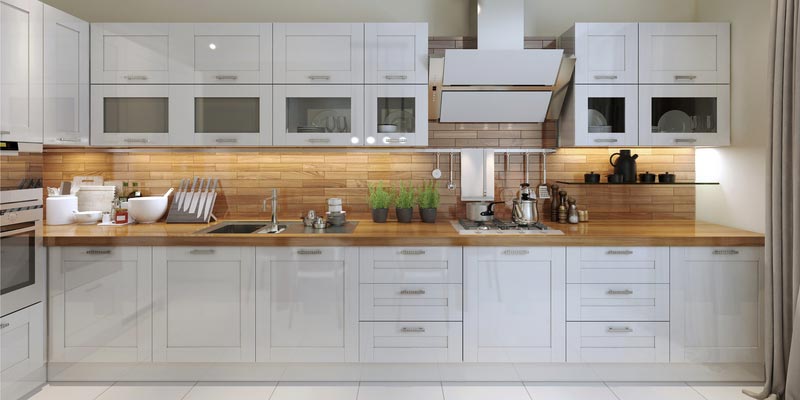
Image Source: topscabinet.net
Assessing Your Storage Needs
Before you count cabinets, think about what you need to store. Everyone uses their kitchen differently. This directly affects your kitchen storage needs.
Consider these questions:
- How many people live in your home?
- Do you cook often? Are you a gourmet chef or a microwave master?
- Do you buy food in bulk?
- How many dishes, glasses, pots, and pans do you have?
- Do you have small appliances like mixers, blenders, or toasters that need homes?
- Where do you keep cleaning supplies?
- Do you need space for trash and recycling bins?
Make a list of everything that needs a place in your kitchen. Be honest about how much stuff you have. Do you have lots of serving platters? Do you have every gadget imaginable? Or are you more minimalist? Knowing your stuff helps you know how much space you really need. This is the first step in successful cabinet space planning.
Think about specific items.
- Pots and Pans: Big, bulky items. Need deep drawers or wide base cabinets.
- Dishes and Glasses: Often go in upper cabinets, but drawers work too.
- Food: Pantry items, canned goods, dry goods. Tall pantry cabinets are great.
- Appliances: Stand mixer, toaster, microwave. Need specific cabinet sizes or counter space.
- Utensils: Forks, spoons, knives. Drawer inserts are helpful.
- Spices: Small items. Need shallow drawers or racks.
- Cleaning Supplies: Under the sink or in a utility cabinet.
Thinking about these items helps you see what types of cabinets you need. Some kitchen storage solutions, like pull-out shelves or deep drawers, are better for certain items.
If you have many specific or unusually sized items, you might need custom kitchen cabinet needs addressed. This means cabinets built to fit your unique things or spaces.
Grasping Kitchen Layout Planning
Your kitchen’s shape plays a big role in how many cabinets fit. Different layouts use space differently. Popular layouts include:
- Galley Kitchen: Two parallel walls. Good for maximizing wall space for cabinets.
- L-Shape Kitchen: Cabinets along two connected walls. Leaves two walls open.
- U-Shape Kitchen: Cabinets along three connected walls. Offers lots of cabinet space.
- Island Kitchen: Adds cabinets in the middle of the room. Can be any of the above shapes with an island added.
Draw your kitchen shape. Mark where doors and windows are. These areas don’t get cabinets. Then look at the walls that are left. This is your available wall space for cabinets. This helps with cabinet space planning.
For example, a small galley kitchen might only have two runs of cabinets. A large U-shape kitchen will have much more wall space for cabinets.
Your layout affects the flow of your kitchen. Think about work zones: the fridge, the sink, and the stove. You want cabinets nearby that hold things you use in those zones. Plates near the dishwasher, pots near the stove. This makes cooking easier. Good kitchen layout planning considers these zones.
Comprehending Standard Cabinet Dimensions
Cabinets come in standard sizes. Knowing these sizes helps you measure your space and see what fits.
Standard Base Cabinets
Base cabinets sit on the floor and support the countertop.
- Height: Standard is 34.5 inches tall. With a countertop (typically 1.5 inches thick), the total height is about 36 inches. This is a comfortable height for most people to work at.
- Depth: Standard is 24 inches deep. This depth is needed for most appliances and provides good storage. Some shallow options exist (around 12 inches), but are less common for primary base cabinets.
- Width: Widths vary widely. Standard widths are in increments of 3 inches, starting from 9 inches. Common widths include:
- 9 inches
- 12 inches
- 15 inches
- 18 inches
- 21 inches
- 24 inches
- 27 inches
- 30 inches
- 33 inches
- 36 inches
- 42 inches (less common as single units)
Base cabinets come with doors or drawers. Drawer bases are very popular for pots, pans, and dishes. A 30-inch wide base cabinet might have one large drawer or several smaller ones.
You also have specific base cabinets for corners. These use corner space effectively. Common types are:
- Blind Corner: A cabinet that goes into the corner, with an opening on one wall. Part of the cabinet space is hard to reach.
- Lazy Susan: A cabinet with spinning shelves inside the corner. Uses the corner space well and makes items easy to access.
- Diagonal Corner: A cabinet with a door on the diagonal across the corner.
Standard Wall (Upper) Cabinets
Wall cabinets hang on the wall above base cabinets or appliances.
- Height: Heights vary more than base cabinets. Standard heights include:
- 12 inches (often used over fridges or microwaves)
- 15 inches
- 18 inches
- 24 inches
- 30 inches
- 36 inches
- 42 inches
The height you choose depends on your ceiling height and how high you want them to go. Many people place the bottom of upper cabinets 18 inches above the countertop.
- Depth: Standard is 12 inches deep. Some deeper options exist (15 or 18 inches) but are less common. 12 inches is usually enough for plates and glasses.
- Width: Widths are similar to base cabinets, in increments of 3 inches, starting from 9 inches up to 36 inches or 42 inches. Common widths:
- 9 inches
- 12 inches
- 15 inches
- 18 inches
- 21 inches
- 24 inches
- 27 inches
- 30 inches
- 33 inches
- 36 inches
Like base cabinets, there are wall cabinets for corners.
- Blind Corner Wall: Similar idea to the base version, going into the corner.
- Diagonal Corner Wall: Door across the corner face.
Standard Tall Cabinets
Tall cabinets go from the floor to near the ceiling. They are often used as pantries or utility cabinets.
- Height: Standard heights include:
- 84 inches (7 feet)
- 90 inches (7.5 feet)
- 96 inches (8 feet)
The height chosen often matches the top of the wall cabinets or goes to the ceiling.
- Depth: Standard depths are 12 inches or 24 inches. 12 inches is good for a shallow pantry where items are easy to see. 24 inches matches base cabinet depth and is good for deeper storage or housing built-in ovens.
- Width: Standard widths are in increments of 3 inches, from 18 inches up to 30 or 36 inches. Common widths:
- 18 inches
- 24 inches
- 30 inches
Knowing these standard dimensions helps you measure your wall space and see how many feet or inches of cabinets you can fit along each wall. It’s all part of figuring out your cabinet space planning. Remember to leave space for filler strips (small pieces of wood used to bridge gaps between cabinets and walls) and appliance widths (stove, dishwasher, fridge).
Deciphering Upper vs Lower Cabinet Count
How many base cabinets versus how many wall cabinets should you have? There is no rule, but each type serves a different purpose. This influences your upper vs lower cabinet count.
Base Cabinets (Lower Cabinets)
- Purpose: Hold heavier items, like pots, pans, small appliances, and mixing bowls. They also hold items used at counter height or for prepping food. Drawers in base cabinets are excellent kitchen storage solutions. They let you see everything inside without digging.
- Location: Along the floor, under the countertop.
Wall Cabinets (Upper Cabinets)
- Purpose: Hold lighter items like dishes, glasses, mugs, spices, and pantry staples (canned goods, boxes). They keep items off the counter, which makes the space feel more open.
- Location: Hung on the wall, typically 18 inches above the countertop.
The Balance
Many kitchens aim for a good balance, with wall cabinets above most base cabinets. However, trends sometimes favor fewer upper cabinets, using open shelving instead. This can make a kitchen feel larger but reduces enclosed storage space.
The amount of wall space you have often dictates the possible upper vs lower cabinet count. If a wall has a window, you lose wall cabinet space but might still have base cabinet space below the window.
To estimate, measure the linear feet (or inches) of wall space where cabinets can go. Subtract space needed for appliances (stove, fridge, dishwasher). The remaining length is roughly the amount of base cabinets you can fit. For wall cabinets, measure the wall space above the counter, minus windows or vents. This gives you a length for upper cabinets.
For example, if you have a 10-foot wall free of windows and doors, you might fit 10 feet of base cabinets. Above that, you could fit 10 feet of upper cabinets (minus space for a hood vent above the stove, perhaps).
Consider what storage you need most. If you have many heavy appliances, prioritize deep base cabinets with pull-outs. If you have tons of dishes and glassware, focus on wall cabinets or a large pantry. Your specific kitchen storage needs will guide your upper vs lower cabinet count decision.
Considering Kitchen Design Factors
Beyond simply counting boxes, think about the look and feel of your kitchen. Kitchen design considerations play a big role in your cabinet choices.
- Style: Do you want modern, traditional, farmhouse, or something else? The style influences door design, finish, and hardware.
- Color: Light cabinets can make a kitchen feel bigger and brighter. Dark cabinets can feel warm and dramatic.
- Materials: Cabinets come in different materials (wood, MDF, laminate). The material affects the look, durability, and cost.
- Hardware: Knobs and pulls are like jewelry for your cabinets. They affect the style and how easy cabinets are to open.
- Functionality: Think about how the doors and drawers open. Do you want soft-close features? Pull-out shelves? Drawer dividers? These features improve kitchen storage solutions but add to the cost.
Functionality features are important for cabinet space planning. A cabinet with a pull-out trash can is more efficient than one where you lift the trash can out. Deep drawers with dividers keep pots and pans organized. Spice pull-outs use narrow spaces well. These additions can make the most of fewer cabinets by making each cabinet work harder.
Lighting is another design factor. Under-cabinet lighting is popular. It makes the countertop brighter for tasks and adds ambiance. This affects cabinet installation but not the count directly.
Think about sight lines. Do you want tall cabinets to block a view? Or do you want open shelves to show off items? These choices affect the feel of the kitchen and the final cabinet arrangement. Your kitchen design considerations should balance looks with how well the cabinets store things.
Estimating Cabinet Requirements
Let’s put it into practice. Here’s how to estimate the number of cabinets you need. This helps with your kitchen remodel estimate.
Step 1: Measure Your Kitchen
Get accurate measurements of your kitchen space.
- Measure each wall length.
- Measure the height of the ceiling.
- Mark the location and size of windows, doors, and any vents or pipes.
- Note the location of existing plumbing and electrical outlets (though these can sometimes be moved in a remodel).
Draw a simple floor plan of your kitchen. Use graph paper or an online tool. Mark all measurements and fixed items.
Step 2: Plan Your Layout
Based on your measurements and desired work zones, decide on your basic kitchen layout (L-shape, U-shape, etc.). Decide where your major appliances will go (fridge, stove, dishwasher, sink). Standard appliance widths are important here:
- Fridge: Typically 30-36 inches wide, but can be wider. Allow a little extra space for doors to open fully.
- Stove/Range: Standard is 30 inches wide, but 36 inches is also common.
- Dishwasher: Standard is 24 inches wide.
- Sink Base Cabinet: Typically 30-36 inches wide to fit the sink basin and plumbing.
Sketch your layout with appliances placed. This shows you the lengths of wall space available for cabinets. This is critical for cabinet space planning.
Step 3: Calculate Linear Feet/Inches
Look at the empty wall spaces between appliances and in corners. Measure these lengths. This is the linear footage (or inches) of cabinets you can potentially install.
Let’s say you have:
- A 120-inch wall with no windows or doors. You can fit up to 120 inches of base and wall cabinets (minus stove width if it’s on this wall).
- An 80-inch wall with a window in the middle. You might fit base cabinets under the window (maybe two 30-inch cabinets) and wall cabinets on either side of the window (maybe two 15-inch cabinets).
Add up the total linear feet available for base cabinets and the total linear feet available for wall cabinets.
Step 4: Place Standard Cabinets in Your Layout
Now, using the standard cabinet dimensions (widths like 9, 12, 15, 18, 21, 24, 27, 30, 33, 36 inches), see how they fit into your available linear space.
Start with the corners and appliance spaces (sink base, range hood area). Then fill in the gaps with standard cabinet widths. You might need a mix of sizes. For a 120-inch wall, you could use:
- Four 30-inch cabinets (4 x 30 = 120)
- Two 36-inch and two 24-inch cabinets (2×36 + 2×24 = 72 + 48 = 120)
- Many other combinations.
Remember to account for small gaps that will need filler strips (usually 1-3 inches). These make the cabinets look built-in and ensure doors and drawers clear walls or appliances.
Do this for both base and wall cabinets. Count how many of each size you need. This gives you a rough upper vs lower cabinet count based on standard sizes.
Step 5: Refine Based on Storage Needs
Look back at your list of kitchen storage needs. Do you have enough wide drawers for pots? Enough tall space for cereal boxes? Enough narrow pull-outs for spices?
Adjust your cabinet choices based on your needs. Maybe you need more drawer bases (instead of door cabinets). Maybe you need a tall pantry cabinet instead of some wall cabinets. This is where kitchen storage solutions like internal fittings matter. A 30-inch base cabinet can be a door cabinet with one shelf, or a 3-drawer stack, or a trash pull-out. Each serves a different storage need within the same size box.
This detailed process helps you move from just measuring space to actively planning what kind of storage goes where. It helps refine your cabinet space planning.
If standard sizes or configurations don’t meet your specific kitchen storage needs or fit your tricky layout spots, this is when you start considering custom kitchen cabinet needs.
Factoring in the Cost
Cabinets are a big part of any kitchen remodel estimate. The average kitchen cabinet cost varies greatly depending on the type, material, and features.
There are typically three levels of cabinets:
- Stock Cabinets: Pre-made in standard sizes and limited styles. Cheapest option. Quick delivery. Good for budget projects or simple layouts.
- Semi-Custom Cabinets: Have more size options (sometimes increments of 1.5 or 1 inch), more styles, finishes, and accessory options (like pull-outs, organizers). Offer more flexibility than stock. Mid-range cost.
- Custom Cabinets: Built specifically for your kitchen space and needs. Any size, any style, any finish, any internal feature is possible. Best for unique spaces or if you want a truly specific look and maximum functionality. Most expensive option. Addresses custom kitchen cabinet needs fully.
Average Kitchen Cabinet Cost
It’s hard to give an exact number, but here are some general ranges for cabinet costs only (not including installation, countertop, appliances, etc.):
- Stock: $100 – $300 per linear foot
- Semi-Custom: $300 – $600 per linear foot
- Custom: $600 – $1,200+ per linear foot
Important: These are per linear foot estimates. A linear foot means one foot of wall space covered by base and wall cabinets (or just base if there are no uppers). It’s a common way to compare kitchen cabinet costs.
So, for a 10×10 foot kitchen (a standard size used for comparison in the industry, though actual kitchens vary greatly), you might have around 20-25 linear feet of cabinets.
- Stock cabinets could cost $2,000 – $7,500.
- Semi-custom cabinets could cost $6,000 – $15,000.
- Custom cabinets could cost $12,000 – $30,000+.
These are rough numbers. Many factors affect the price:
- Wood Type: Maple and oak are common. Cherry, walnut, and exotic woods cost more.
- Door Style: Simple flat panels cost less than detailed raised panels or applied molding.
- Finish: Basic stains or paints cost less than glazes, distressing, or multi-step finishes.
- Internal Features: Pull-outs, lazy Susans, spice racks, soft-close hinges add to the cost.
- Drawer Boxes: Plywood drawer boxes are more durable than particleboard and cost more. Dovetail joinery is a sign of quality and adds cost.
Installation typically adds 15-25% of the cabinet cost. Some cabinet companies include installation in their quote.
When getting a kitchen remodel estimate, cabinets will likely be the largest expense after possibly structural changes or high-end appliances. Knowing the average kitchen cabinet cost helps you budget. If your kitchen storage needs are high or you have a tricky space, custom kitchen cabinet needs will increase your budget significantly but can offer the best storage solutions.
Tips for Optimal Cabinet Space Planning
Here are some ideas to make sure your cabinets work hard for you.
- Zone Your Kitchen: Group cabinets by function. Place dishes near the dishwasher. Put pots and pans near the stove. Store food items together in a pantry area. Keep cleaning supplies under the sink. This improves workflow.
- Prioritize Drawers in Base Cabinets: Drawers are generally more accessible and provide better storage than cabinets with shelves for many items, especially pots, pans, and small appliances. You can see everything at once.
- Use Vertical Space: Tall pantry cabinets are great for storing a lot of food in a small floor area. Stack items smartly.
- Think Inside the Box: Don’t just count the cabinets. Think about what goes inside them. Pull-out shelves, dividers, spice racks, and internal organizers maximize usable space and are fantastic kitchen storage solutions.
- Corners Matter: Don’t waste corner space. Lazy Susans, pull-out corner units, or diagonal cabinets make corners functional.
- Plan for Trash and Recycling: Dedicate a pull-out cabinet specifically for bins. It keeps them hidden and convenient.
- Consider Special Items: Do you have a huge stock pot, a standing mixer, or large serving trays? Plan specific spots for these items. This might involve wider or deeper cabinets, or even custom kitchen cabinet needs.
- Allow for Future Needs: Maybe your family will grow, or you plan to entertain more. Try to plan a little extra space if your budget and layout allow. It’s easier to have too much space than not enough.
Good cabinet space planning is not just about filling walls. It’s about creating a system where everything has a home and is easy to access.
Putting it Together: A Step-by-Step Approach
Let’s summarize the process for figuring out how many kitchen cabinets you need.
- Know Your Stuff: List everything you need to store. How much do you have? How do you cook? This defines your kitchen storage needs.
- Measure Your Room: Get accurate measurements of walls, windows, doors, and height. Draw your kitchen layout planning.
- Place Big Items: Decide where the fridge, stove, sink, and dishwasher will go.
- Calculate Available Space: Measure the linear feet (or inches) of wall space remaining for cabinets (base and upper).
- Fit in Standard Sizes: Use standard cabinet dimensions to see how many cabinets of different widths fit into your available spaces. Start with corners and specific units like the sink base.
- Choose Cabinet Types: Decide on the mix of base cabinets (door vs. drawer), wall cabinets, and tall cabinets (pantry) based on your storage needs and the types of items you have. Think about upper vs lower cabinet count.
- Consider Functionality: Add internal storage solutions like pull-outs, dividers, and organizers to make cabinets more effective.
- Think About Design: Choose styles, finishes, and hardware that fit your desired look (kitchen design considerations).
- Get Quotes: Use your list of needed cabinet sizes and types to get quotes from cabinet suppliers (stock, semi-custom, or custom). Compare the average kitchen cabinet cost for different options. This is a big part of your kitchen remodel estimate.
- Refine and Finalize: Adjust your plan based on budget and storage priorities. You might need to make compromises. If your needs are very specific or your space is unusual, look into custom kitchen cabinet needs.
Going through these steps helps you arrive at a realistic count and types of cabinets needed. It moves you from a vague idea to a detailed plan for cabinet space planning.
When Custom Makes Sense
Standard and semi-custom cabinets work for many kitchens. But sometimes, custom kitchen cabinet needs are the best, or only, option.
Consider custom cabinets if:
- You Have Odd Spaces: Slanted ceilings, unusual bumps in walls, or non-standard wall lengths where standard cabinets won’t fit without large filler gaps.
- You Need Specific Dimensions: You have a very large appliance that needs a unique cabinet width or depth. You need cabinets taller or shorter than standard sizes to fit perfectly under a low window or reach a high ceiling.
- You Have Unique Storage Requirements: You collect specialized cookware, have a built-in appliance that needs specific housing, or need extra-deep drawers for large items. Standard kitchen storage solutions might not cut it.
- You Want a Seamless, Built-in Look: Custom cabinets are built precisely for your space, often floor to ceiling or wall to wall, for a truly fitted appearance.
- You Desire a Specific Style or Material: You want a unique paint color, a specific wood type, or a door style not offered in standard lines.
- You Value High Quality and Durability: Custom cabinets are often built with higher quality materials and construction methods.
While the average kitchen cabinet cost is highest for custom options, they offer maximum flexibility, potentially better use of space (reducing wasted filler space), and a unique result tailored exactly to your kitchen storage needs and design vision. They fully address custom kitchen cabinet needs.
FAQ
Here are some common questions about kitchen cabinets:
Q: How many cabinets does an average kitchen have?
A: There’s no set average. Kitchens vary greatly in size and layout. A smaller kitchen (like a 10×10 foot layout often used for comparisons) might have around 12-15 cabinets (counting individual base and wall cabinets). A large kitchen could have 30 or more. It’s better to focus on the linear feet of storage and your personal needs rather than a total count.
Q: Is it better to have more drawers or doors in base cabinets?
A: Many people find drawers more functional for base cabinets. They allow easier access to items in the back without kneeling or reaching deep into a shelf. They are excellent for pots, pans, small appliances, and even dishes. However, door cabinets with shelves are still useful for taller items or under-sink storage. A mix often works well, but drawers are a popular choice for increasing storage efficiency (kitchen storage solutions).
Q: How much space is needed between the countertop and upper cabinets?
A: The standard distance is 18 inches. This height fits most small appliances like toasters or coffee makers and provides enough workspace. For universal design or accessibility, this height might be adjusted.
Q: Can I mix different cabinet types or colors?
A: Yes! Mixing cabinet types (like having drawers on the bottom and doors on top) and colors is a popular design trend. You can use different colors on an island or base cabinets versus wall cabinets. You can even mix cabinet lines (e.g., using stock cabinets for basic storage and custom for a specific feature).
Q: How do I budget for cabinets?
A: Start by getting your kitchen remodel estimate from a contractor or designer. They can help you estimate cabinet linear footage and provide quotes for different cabinet levels (stock, semi-custom, custom). Get multiple quotes. Be clear about your must-have kitchen storage needs and features.
Conclusion
Planning your kitchen cabinets is a crucial step for a functional and beautiful kitchen. Don’t just guess how many you need. Take time to assess your specific kitchen storage needs, understand your kitchen layout planning, learn about standard cabinet dimensions, and consider all the design factors. By carefully planning your cabinet space planning, factoring in the average kitchen cabinet cost, and exploring different kitchen storage solutions, you can create a kitchen that not only looks great but works perfectly for you and your family. Whether you choose stock, semi-custom, or address custom kitchen cabinet needs, a thoughtful approach will lead to perfect cabinet planning.