The ideal height for your upper kitchen cabinets is typically 18 inches above your countertop, although this can vary based on your ceiling height and personal preferences. This guide will delve into the various factors influencing cabinet placement and provide comprehensive information to help you make informed decisions for your kitchen renovation or build.
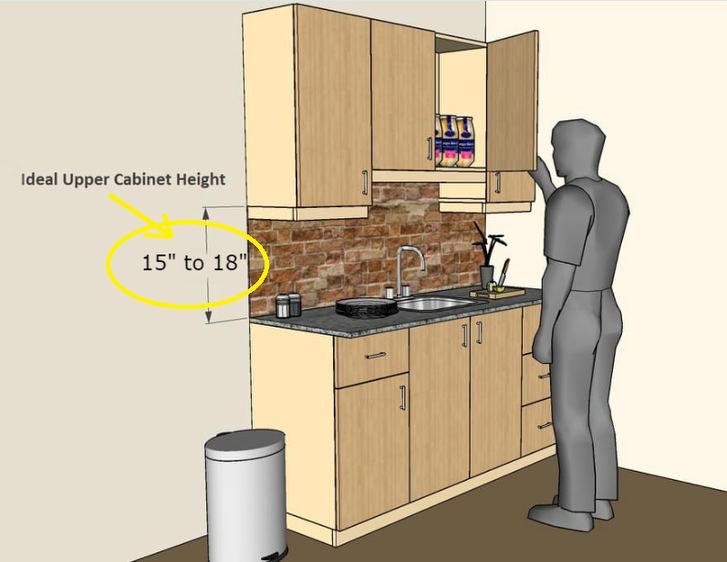
Image Source: www.bulacanliving.com
Deciphering Standard Kitchen Cabinet Dimensions
When planning your kitchen layout, the height of your cabinets is a crucial element that affects both aesthetics and functionality. Understanding standard measurements and the reasons behind them will ensure your kitchen is comfortable, efficient, and visually appealing.
The Foundation: Base Cabinet Height
Base cabinet height forms the bedrock of your kitchen’s usability. These cabinets sit directly on the floor and support your countertops, making their height paramount for comfortable working.
- Standard Base Cabinet Height: The vast majority of base cabinets are designed to be 34.5 inches tall before a countertop is added. This standard height, when combined with a typical 1.5-inch thick countertop, results in a standard countertop height of 36 inches. This 36-inch height is ergonomically designed for most adults to work at comfortably, whether they are chopping vegetables or mixing ingredients.
- Why this height? This height allows for adequate legroom when seated at the counter and provides a comfortable working surface for standing tasks without excessive bending or reaching. It’s a balance that has evolved over decades of kitchen design to suit the average human physique.
- Customization: While 34.5 inches is the standard, custom cabinetry allows for variations. If you have a particularly tall or short household, adjusting the base cabinet height by a few inches can significantly improve usability. For instance, taller individuals might opt for slightly higher base cabinets to reduce bending.
Reaching New Heights: Upper Cabinet Height and Spacing
The placement of upper cabinet height is equally important for accessibility and workflow. The space between your base cabinets and upper cabinets, often referred to as kitchen cabinet spacing or upper cabinet clearance, dictates how easily you can access your countertop workspace and the cabinets themselves.
The Crucial Clearance: Kitchen Cabinet Spacing
The space between the countertop and the bottom of the upper cabinets is perhaps the most critical measurement for daily kitchen use.
- The 18-Inch Rule: The widely accepted cabinet height standards for the gap between the countertop and the bottom of the upper cabinets is 18 inches. This spacing is considered optimal for several reasons:
- Ergonomics: It provides ample room for most kitchen tasks, including chopping, mixing, and using small appliances, without hitting your head on the cabinets.
- Ventilation: It allows for the installation of under-cabinet lighting and ventilation hoods without obstruction.
- Aesthetics: It creates a balanced look, preventing the kitchen from feeling claustrophobic or the upper cabinets from appearing too low.
- Factors Influencing Spacing:
- Ceiling Height: In kitchens with very high ceilings (e.g., 10 feet or more), you might increase the spacing to 20-24 inches to maintain visual balance and prevent the upper cabinets from looking too crowded. Conversely, in kitchens with lower ceilings (e.g., 8 feet), sticking strictly to 18 inches is usually best.
- Countertop Depth: Standard countertops are typically 25 inches deep. The cabinet box itself is usually around 12 inches deep. This leaves a significant portion of the countertop exposed. If you have a deeper countertop or use specialized equipment that requires more space, you might adjust the upper cabinet placement slightly.
- Task Lighting: If you plan to install under-cabinet lighting, ensure there’s enough clearance for the fixtures themselves.
- Personal Preference: Some individuals prefer more or less space based on their height and how they use their kitchen.
Determining Upper Cabinet Height
The actual height of the upper cabinet height is determined by the desired clearance plus the height of the cabinets themselves.
- Standard Upper Cabinet Heights: Common upper cabinet heights include 30 inches, 36 inches, and 42 inches. The choice depends on the available vertical space and the desired look.
- 30-inch cabinets: When placed 18 inches above a 36-inch countertop, these cabinets will reach a total height of 84 inches (36 + 18 + 30). This is a common choice for standard 8-foot ceilings.
- 36-inch cabinets: These will reach 90 inches (36 + 18 + 36), leaving 6 inches of space below a standard 8-foot ceiling (96 inches total). This creates a more spacious feel and offers more storage.
- 42-inch cabinets: These will reach 96 inches (36 + 18 + 42), filling an entire 8-foot ceiling. This maximizes storage but can make the upper cabinets feel imposing and may require a small step stool for access to the very top shelves for some individuals.
- Optimizing for Storage: If maximizing storage is a priority and you have higher ceilings, you might consider stacking cabinets or using taller units. However, always ensure that the highest shelves are still reasonably accessible.
The Depth of the Matter: Standard Kitchen Cabinet Depth
Beyond height, the standard kitchen cabinet depth is a key dimension affecting both storage capacity and how much countertop space you have available.
- Base Cabinet Depth: The standard kitchen cabinet depth for base cabinets is typically 24 inches. This depth is measured from the front of the cabinet door to the back of the cabinet box. This depth allows for:
- Ample Storage: It provides significant space for dishes, pots, pans, and other kitchen essentials.
- Appliance Integration: It accommodates standard appliance depths, such as dishwashers and oven ranges, allowing them to sit flush with the cabinet fronts.
- Countertop Support: This depth provides a stable base for the countertop.
- Wall (Upper) Cabinet Depth: The standard kitchen cabinet depth for wall cabinets is usually 12 inches. This shallower depth serves several purposes:
- Clearance: It ensures that the upper cabinets do not intrude too much into the workspace, maintaining the essential upper cabinet clearance over the countertop.
- Accessibility: It makes it easier to reach items stored in the upper cabinets.
- Visual Balance: Shallower cabinets typically look less bulky and contribute to a more open feel in the kitchen.
- Customization: While 24 inches is standard for base cabinets and 12 inches for wall cabinets, custom options exist. You might encounter “appliance garages” or deeper wall cabinets for specific storage needs, but these are less common and require careful planning to avoid overwhelming the space.
Kitchen Cabinet Spacing: Beyond the Top Clearance
While the 18-inch gap between the countertop and upper cabinets is the most talked about spacing, other clearances are vital for a functional kitchen.
- Aisle Width: Adequate aisle width is crucial for comfortable movement and workflow.
- Main Work Aisles: Aim for a minimum of 42 inches between countertops and appliances or cabinets.
- Traffic Paths: For pathways that don’t involve active work, 36 inches is generally acceptable.
- Between Appliances: Ensure enough space for appliance doors to open fully (e.g., oven doors, dishwasher doors) without obstruction.
- Corner Cabinet Spacing: Proper spacing in corners is essential for accessing the full depth of lazy Susans or pull-out shelves. Ensure that adjacent cabinet doors can open without impeding each other.
Factors Influencing Optimal Cabinet Height
While standards provide a solid foundation, several factors can influence what is the optimal cabinet height for your specific kitchen.
Ceiling Height and Cabinet Reach
Your ceiling height plays a significant role in determining how high your upper cabinets can and should go.
- Standard 8-Foot Ceilings: For an 8-foot ceiling (96 inches), the common configuration is:
- Base cabinet: 34.5 inches
- Countertop: 1.5 inches
- Clearance: 18 inches
- Upper cabinets: 30 inches
This configuration brings the top of the upper cabinets to 84 inches (34.5 + 1.5 + 30), leaving a 12-inch gap to the ceiling. This is a very functional and aesthetically pleasing setup.
- Higher Ceilings (9-10 Feet and Above): With higher ceilings, you have more flexibility.
- Increased Clearance: You might opt for 20-24 inches of upper cabinet clearance to better utilize the vertical space and maintain visual proportion.
- Taller Cabinets: Using 36-inch or even 42-inch upper cabinets becomes more feasible. For a 10-foot ceiling (120 inches):
- Base: 34.5 inches
- Countertop: 1.5 inches
- Clearance: 18 inches
- Upper cabinets (36 inches): 36 inches
- Total height: 90 inches. This leaves a 30-inch gap to the ceiling, offering a very open feel.
- Upper cabinets (42 inches): 42 inches
- Total height: 96 inches. This leaves a 24-inch gap to the ceiling.
- Stacked Cabinets: For very high ceilings, you might consider stacking two sets of upper cabinets. For example, a 30-inch cabinet above a 12-inch cabinet, with a decorative molding between them. This maximizes storage but requires careful consideration for access and visual weight.
Ergonomics and User Height
The primary users of the kitchen should influence the cabinet height standards.
- Average Adult: The 36-inch countertop height is generally comfortable for adults ranging from 5’4″ to 6’0″.
- Taller Individuals: If most household members are over 6 feet tall, consider increasing the base cabinet height and consequently the standard countertop height to 37 or 38 inches. This can significantly reduce strain on the back and shoulders during food preparation.
- Shorter Individuals: For those significantly shorter than average, lowering the standard countertop height to 34 or 35 inches can be beneficial. However, be mindful of appliance compatibility (e.g., standard dishwasher heights).
- Children’s Access: If children will be regularly using the kitchen for tasks like getting snacks or helping to cook, consider designating lower shelves in upper cabinets or installing a small, accessible set of shelves.
Kitchen Style and Aesthetics
The visual impact of cabinet height is as important as its practicality.
- Traditional Kitchens: Often feature a more balanced distribution of space, with a clear gap between the upper cabinets and the ceiling. 30-inch upper cabinets are common.
- Modern and Contemporary Kitchens: Frequently embrace taller cabinets that extend closer to the ceiling to create a sleek, minimalist look and maximize storage. 36-inch or 42-inch upper cabinets are popular choices.
- Open Concept Layouts: In open-plan homes, the kitchen cabinetry becomes a prominent design element. Taller cabinets can contribute to a more unified and grander aesthetic, but they should also be proportionate to the overall room size.
Task-Specific Needs
Certain kitchen activities might require specific cabinet placements.
- Microwave Placement:
- Over the Range: Microwaves installed over the range are typically placed within the 18-inch clearance zone, often on a shelf that lowers them closer to the countertop. This requires careful measurement to ensure sufficient upper cabinet clearance for cooking steam and heat.
- Built-in Over the Counter: If the microwave is built into a wall cabinet above the countertop, it’s usually positioned to keep its door and controls at a comfortable height, typically within the lower half of the upper cabinets.
- Appliance Garages: These are cabinets with doors designed to hide appliances like toasters or coffee makers. Their placement needs to accommodate the appliance’s height and width, often within the upper cabinet structure.
Customizing Your Cabinet Heights: When to Deviate from Standards
While cabinet height standards are a good starting point, there are many valid reasons to customize.
Modifying Base Cabinet Height
- Ergonomic Adjustments: As mentioned, tailoring the base cabinet height to the primary users’ heights is a significant ergonomic benefit. This involves adjusting the cabinet box height and potentially the standard countertop height.
- Appliance Integration: While most appliances are designed for standard heights, custom base cabinets can accommodate built-in appliances with non-standard dimensions.
Adjusting Upper Cabinet Spacing
- Visual Proportion: If you have a very grand kitchen with high ceilings, a slightly larger gap (e.g., 20-24 inches) might prevent the upper cabinets from looking too low or cramped.
- Specific Fixtures: If you plan to install very tall backsplashes, unique lighting fixtures, or decorative elements above the countertop, you might need to adjust the kitchen cabinet spacing accordingly.
Altering Upper Cabinet Height
- Maximizing Storage: For kitchens with ample ceiling height, using 36-inch or 42-inch upper cabinets provides substantially more storage without compromising the 18-inch clearance.
- Creating a Seamless Look: Extending cabinets to the ceiling creates a clean, integrated look, especially in modern designs. This often involves using filler strips or crown molding to bridge any remaining gap.
- Accessibility Concerns: If you have limited mobility or are concerned about reaching the highest shelves, opting for shorter upper cabinets (e.g., 30 inches) might be more practical.
Navigating Kitchen Cabinet Dimensions: A Summary Table
To help visualize the various kitchen cabinet dimensions, here’s a summary table:
| Component | Standard Measurement | Typical Range | Notes |
|---|---|---|---|
| Base Cabinet Height | 34.5 inches | 34.5 – 38 inches | Before countertop. Customization for ergonomics. |
| Countertop Height | 36 inches | 34 – 38 inches | Base cabinet height + countertop thickness. Crucial for comfortable use. |
| Upper Cabinet Clearance | 18 inches | 18 – 24 inches | Space between countertop and bottom of upper cabinets. Affects workspace usability and aesthetics. |
| Upper Cabinet Height | 30, 36, 42 inches | 30 – 42+ inches | Dependent on ceiling height and desired storage. Affects overall kitchen visual balance. |
| Base Cabinet Depth | 24 inches | 24 – 25 inches | Standard for most base cabinets. Accommodates appliances and provides ample storage. |
| Upper Cabinet Depth | 12 inches | 12 – 14 inches | Standard for wall cabinets. Balances storage with workspace clearance. |
| Aisle Width (Work) | 42 inches | 42 – 48 inches | Minimum for comfortable movement in main work areas. |
| Aisle Width (Traffic) | 36 inches | 36 – 42 inches | For pathways not involving active kitchen work. |
Key Considerations for Your Kitchen Design
When deciding on your optimal cabinet height, consider these crucial aspects:
- Measure Your Space Accurately: Always measure your ceiling height, existing wall dimensions, and the heights of any appliances you plan to integrate.
- Visualize the Space: Use masking tape on your walls to mark the proposed cabinet heights and clearances. This will give you a tangible sense of how they will look and feel.
- Consider Future Needs: Think about how your kitchen usage might change over time. Will you be entertaining more? Do you anticipate needing more storage?
- Consult a Professional: For complex renovations or if you’re unsure about the best approach, consulting a kitchen designer or contractor can provide invaluable expertise and ensure your project meets all safety and aesthetic standards. They can help you navigate cabinet height standards and tailor them to your unique space.
Frequently Asked Questions (FAQ)
Q: What is the standard height for upper kitchen cabinets?
A: The standard height for upper cabinets themselves is typically 30, 36, or 42 inches. However, the crucial measurement for functionality is the upper cabinet clearance from the countertop, which is usually 18 inches.
Q: Can I install kitchen cabinets all the way to the ceiling?
A: Yes, you can install kitchen cabinets all the way to the ceiling, especially in modern designs or kitchens with high ceilings. This maximizes storage but ensure you consider accessibility for the very top shelves.
Q: Who determines kitchen cabinet height standards?
A: Cabinet height standards have evolved through a combination of ergonomic research, building codes, appliance manufacturing standards, and general design best practices aimed at creating functional and comfortable kitchens for the average user.
Q: How much space should be between upper and lower kitchen cabinets?
A: The typical and most functional space, or kitchen cabinet spacing, between upper and lower cabinets is 18 inches. This provides ample room for countertop work.
Q: What is the standard depth for kitchen cabinets?
A: The standard kitchen cabinet depth for base cabinets is 24 inches, and for upper cabinets, it’s 12 inches.
Q: How high should my countertop be?
A: The standard countertop height is 36 inches, achieved with a 34.5-inch base cabinet and a 1.5-inch countertop. This can be customized for ergonomic comfort.
By carefully considering these dimensions and factors, you can ensure your kitchen cabinets are not only beautiful but also perfectly suited to your needs and lifestyle, creating a truly optimal cabinet height for your home.