So, you’re putting in a kitchen island. Great choice! It can add lots of workspace, storage, and a spot to eat or gather. But a big question pops up: how high should it be? How high should a kitchen island be depends mostly on how you plan to use it and who will use it. The standard kitchen island height often matches your kitchen counters, but other heights work well too. Let’s look at the common heights and what each one is good for.
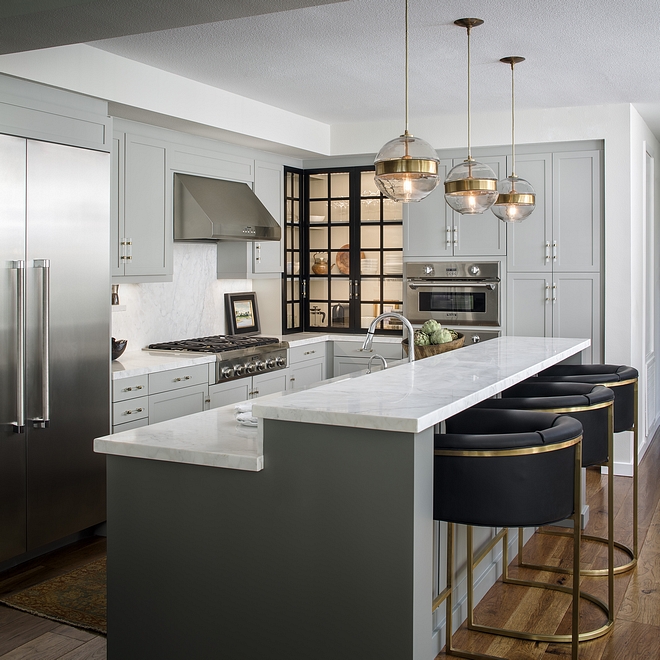
Image Source: www.clarkandaldine.com
Common Kitchen Island Heights
Most kitchen islands come in a few main heights. Knowing these helps you pick the best one for your home.
Counter Height Island
This is the most popular height for a kitchen island.
The standard kitchen island height for a counter height island is about 36 inches.
This is the same height as most kitchen countertops.
It makes your island fit right in with the rest of your kitchen workspace.
Why People Like Counter Height Islands
- Matches Counters: It gives you a smooth, even line across your kitchen. It feels like a natural part of your existing counters.
- Good Work Surface: At 36 inches, it’s a comfortable height for most adults to chop veggies, mix dough, or prepare food. This is a key part of making an ergonomic kitchen island height.
- Easy to Use for Eating: Regular counter-height stools work perfectly here. You can pull up a stool for a quick breakfast or snack.
- Kids Can Help: This height might be just right for older kids to stand and help with cooking tasks.
What to Think About
- Sitting Height: While good for quick meals, some people might find sitting at 36 inches a bit high for long periods compared to a table.
- Stool Choice: You need stools made for counter height. These usually have seats about 24-26 inches from the floor. We’ll talk more about kitchen island stool height later.
This 36-inch height is often called the average kitchen island height because it’s what you see most often.
Bar Height Island
Looking for a more casual spot to eat or chat? A bar height island might be the answer.
The standard kitchen island height for a bar height island is usually around 40 to 42 inches.
This is higher than your regular kitchen counters.
Bar height islands often have two levels. One level might be counter height (36 inches) for prep, and the other level is higher (40-42 inches) for seating. Or the whole island can be bar height.
Why People Like Bar Height Islands
- Clear Separation: The higher level clearly separates the cooking area from the seating area. This is great for open-plan homes. People sitting aren’t right in the middle of your cooking mess.
- Social Spot: It creates a natural gathering spot. People can stand and chat while you cook, or sit on higher stools.
- Hides Clutter: The higher level can help hide dirty dishes or cooking tools from view if you have people sitting on the other side.
- Good for Standing: The extra height can be comfortable for some people to stand and work briefly, like checking email or writing a list.
What to Think About
- Work Surface: The 40-42 inch height is usually too high for comfortable food prep like chopping. Most people use the lower counter-height part for cooking if the island is two-tiered.
- Stool Choice: You need taller stools, called bar height stools. These usually have seats about 28-30 inches from the floor. Getting the right kitchen island stool height is key here.
- Accessibility: Taller stools can be harder for young children or older adults to get onto.
- Look and Feel: A tall island can feel quite dominant in a smaller kitchen. Consider your kitchen island dimensions and the overall size of your space.
Table Height Island
Want your island to feel more like a dining table? Go for table height.
The standard kitchen island height for a table height island is about 30 inches.
This is the same height as a regular dining table.
Why People Like Table Height Islands
- Comfortable Seating: This is the most comfortable height for sitting and eating for longer periods. Regular dining chairs fit here.
- Kid-Friendly: It’s easy for kids to sit at, just like a normal table.
- Good for Other Tasks: It works well for homework, crafts, playing games, or working on a laptop.
- Can Double as Dining Area: If you don’t have space for a separate dining table, a table height island can serve this purpose.
What to Think About
- Work Surface: At 30 inches, it’s too low for comfortable standing food prep for most adults. You’ll still need your regular counter height for chopping and mixing.
- Less Prep Space: If the whole island is table height, you lose that valuable 36-inch high prep surface.
- Look and Feel: A 30-inch high island might look a bit low compared to your 36-inch counters. It creates a different line across the room.
So, the answer to “How high should a kitchen island be?” really starts with deciding what you want the island to do most. Will it be mostly for cooking, eating, or something else?
Factors Guiding Your Height Choice
Choosing the right height isn’t just about picking one of the standard options. Several things in your home and life play a big part. Thinking about these helps you find the ideal kitchen island height for you.
What Will You Use It For?
Think about the main jobs for your island.
- Cooking and Prep: If you plan to chop, mix, roll dough, and do lots of standing work, a 36-inch counter height is usually best. It’s an ergonomic kitchen island height for cooking tasks.
- Eating and Dining: If the island is mainly for meals, homework, or long chats, a 30-inch table height might be more comfortable. For quicker meals or a social spot while someone cooks, 36-inch or 40-42-inch heights work, but need specific stools.
- Entertaining: A bar height island with seating separates guests from the workspace while still keeping them close. A counter height island also works well for casual gathering.
- Kids’ Activities: A table height island is easiest for kids. A counter height island can work for older kids standing. Bar height is usually not good for young children.
- Working from Home: A comfortable sitting height (30 inches) is best for using a laptop or writing for extended periods.
Who Will Use It?
The height of the people using the island matters a lot for comfort and ergonomics.
- Your Height: If you are very tall or very short, the standard heights might not feel perfect.
- For comfortable standing work (chopping, mixing), the counter surface should be about 1.5 inches below your elbow when your arm is bent at 90 degrees. For most people, 36 inches works, but taller people might prefer 38 inches, and shorter people might like 34 inches. This is about finding the ergonomic kitchen island height for your body.
- For comfortable sitting at a table height, you need enough space for your legs under the island (about 24-25 inches from floor to the bottom of the island top).
- Family Members: Consider everyone who will use the island regularly. Do you need a height that works for small children, teenagers, or older adults?
- Accessibility: If anyone in the household uses a wheelchair, a section of the island should be 30 inches high with clear space underneath (at least 27 inches high and 30 inches wide) so a wheelchair can fit comfortably. This is a very important ergonomic consideration.
Your Existing Countertops
Do you want your island to match your current counters or be different?
- Matching: If you want your island to blend in and add more of the same workspace, make it the same height as your existing counters (usually 36 inches). This creates a sense of flow.
- Contrasting: Having an island at a different height (like a bar height level on top of a counter height base) creates zones in your kitchen. This can add visual interest and serve different purposes. A table height island also creates a distinct zone.
Kitchen Size and Layout
The size of your kitchen and how people move through it affects the best height.
- Small Kitchens: A tall bar height island can sometimes feel too big or block lines of sight in a small space. A counter height or table height might feel less imposing.
- Open-Plan Living: Bar height islands are great for defining the kitchen area in a big open space. They create a clear boundary between the kitchen and living/dining areas.
- Traffic Flow: Make sure the island height doesn’t block views or make the kitchen feel cramped. Also, think about kitchen island clearance – the space around the island. This is related to height because a taller island might feel more in the way visually.
The Overall Look of Your Kitchen
The island height contributes to your kitchen’s style.
- Traditional/Classic: Counter height (36 inches) often fits well with traditional kitchen styles.
- Modern/Contemporary: Both counter height and sleek bar height islands can work in modern designs. Two-tier islands can also look very contemporary.
- Casual/Farmhouse: A table height island can give a warm, casual, farmhouse feel.
Thinking through these points helps you move from the ‘average kitchen island height’ to the ‘ideal kitchen island height’ for your specific situation.
Matching Stools to Your Island Height
Once you pick your island height, you need the right stools. Getting the kitchen island stool height wrong makes sitting uncomfortable. Stools are sold based on the height of the counter or table they go with, not their own full height. The key measurement is the seat height.
Here’s a simple guide:
| Island Height (Approx.) | Stool Type | Stool Seat Height (Approx.) | Space Needed for Legs |
|---|---|---|---|
| 30 inches (Table Height) | Chair / Table Stool | 18 inches | ~12 inches |
| 36 inches (Counter Height) | Counter Stool | 24-26 inches | ~10 inches |
| 40-42 inches (Bar Height) | Bar Stool | 28-30 inches | ~9-10 inches |
Important: These are just guides. Always check the specific stool’s dimensions. You need about 9-12 inches of clear space between the top of the stool seat and the bottom of the island countertop for comfortable seating and legroom.
Consider adjustable height stools if you have users of different sizes or want flexibility. Swivel stools make getting on and off easier, especially at higher bar heights.
Considering Kitchen Island Dimensions Beyond Height
Height is important, but the other kitchen island dimensions matter too. The length, width, and overall shape affect how the island fits and functions, and they relate to height.
- Length and Width: Make sure the island isn’t too long or wide for your kitchen. You need enough space to walk around it comfortably (this is your kitchen island clearance, discussed next). A very large island at bar height can feel overwhelming in a medium-sized kitchen. A smaller, narrower island might work better at bar height in a tight space, while a long counter-height island needs good clearance along its length.
- Shape: Islands can be rectangular, square, L-shaped, or even round. The shape affects how people gather around it. A long rectangular island is good for seating in a line. A square or round island is better for conversation. The height you choose works with the shape. A round island at table height feels very social.
- Overhang: If you want seating at your island, you need an overhang for people’s knees and legs.
- For 30-inch (table height), you need at least 18 inches of overhang.
- For 36-inch (counter height), you need at least 12 inches of overhang.
- For 40-42-inch (bar height), you need at least 10 inches of overhang.
More overhang is always more comfortable if you have the space. The overhang size affects the overall kitchen island dimensions.
Thinking about the full size and shape helps you make sure the chosen height works well with the island’s design and the room it’s in.
Ensuring Enough Kitchen Island Clearance
This is super important for a working kitchen. Kitchen island clearance means the open space around the island. You need enough room to:
- Walk past the island easily.
- Open appliance doors (dishwasher, oven, fridge) without hitting the island.
- Pull out drawers or cabinets.
- Allow people to sit at the island and still have room for others to walk behind them.
The standard recommendation for kitchen island clearance is at least 36 inches (about 3 feet) of clear space on all sides that are walkways or in front of appliances or cabinets.
If you have a high-traffic area, 42 inches (3.5 feet) is better.
If people will be sitting at the island with a walkway behind them, you need even more space – aim for 44-48 inches behind the seated area so someone can walk past easily.
How does height relate to clearance? While the required space is horizontal, the feeling of the space can be affected by height. A very tall island might make the space feel tighter visually, even if the clearance is technically correct. A low table height island might make the space feel more open. When planning kitchen island dimensions, always draw out the space needed for clearance.
Choosing Your Ideal Height: A Step-by-Step Guide
Let’s put it all together. How do you decide on the ideal kitchen island height for your home?
- List the Island’s Jobs: What are the top 2-3 things you want your island for? (e.g., mostly cooking prep, mostly family meals, a spot for guests to hang out).
- Consider the Users: Who will use it most often? How tall are they? Do you need to plan for kids or accessibility? Think about ergonomic kitchen island height for everyone.
- Look at Your Kitchen: What height are your existing counters? How big is your kitchen? How does traffic flow? Where are your appliances and cabinets? How much kitchen island clearance can you spare?
- Think About Style: What look and feel do you want in your kitchen?
- Review the Standard Options:
- 36 inches (Counter Height): Best for standing prep, good for quick meals with stools, matches most counters. It’s the average kitchen island height for many homes.
- 40-42 inches (Bar Height): Great for separating space, social gatherings, hiding clutter. Needs tall stools.
- 30 inches (Table Height): Best for comfortable seating, long meals, kids, homework, crafts. Not good for standing prep.
- Measure Your Space: Seriously, draw it out or use tape on the floor. Mark the proposed island dimensions (length, width, and overhang). Then mark the clearance space needed around it (36-48 inches). Does it fit?
- Try It Out: If possible, go to kitchen showrooms or furniture stores. Sit at islands of different heights. Pretend to chop veggies at 36 inches. Sit at a 42-inch bar. This is the best way to feel the ergonomic kitchen island height for you.
- Factor in Stools: Remember, the island height dictates the stool height (kitchen island stool height). Are you happy with the look and feel of counter stools or bar stools? Can you find comfortable options in the right height?
- Consider Custom: If none of the standard heights feel right, talk to a builder or cabinet maker about a custom height. This lets you get the exact ergonomic kitchen island height you need. Maybe you’re tall and want 38 inches for prep, or you need a section lower for baking.
By going through these steps, you’ll get closer to finding the ideal kitchen island height that works perfectly for your home and your family.
Custom Heights and Ergonomics Explained
Why would you go for a custom height instead of a standard kitchen island height? The main reason is ergonomics.
Grasping Ergonomics
Ergonomics is about designing spaces and tools to fit the people who use them. An ergonomic kitchen island height is one that lets you work or sit comfortably without straining your body.
- Standing Prep: If you spend hours prepping food, the height of your work surface is key. If it’s too low, you hunch over, hurting your back. If it’s too high, your shoulders get tired. As mentioned, the ideal height for standing work is usually 1.5 inches below your bent elbow. For someone very tall (like 6’4″), this might be 38 inches or more. For someone shorter (like 5’2″), it might be 34 inches. A custom height ensures the ergonomic kitchen island height is tailored to the main user.
- Baking: Some people prefer a slightly lower counter (around 32 inches) for tasks like kneading dough, as it lets you use your body weight more effectively.
- Seating Comfort: While stool height helps, the island height itself affects the feel. A custom height might allow for deeper overhangs for more legroom or be set at a specific height for a particular chair style you want to use.
When Custom Might Be Best
- Users are Much Taller or Shorter than Average: Standard 36 inches just might not be comfortable for daily use.
- Specific Tasks: If you do a lot of one specific task (like baking) that benefits from a different height.
- Multi-Generational Homes: You might create an island with different height sections – a standard counter height for adults, and a lower table height section for kids or for a seated workspace.
- Accessibility Needs: As discussed, a lower, open section is needed for wheelchair users. This might be part of a larger island.
Custom heights cost more, but for a central piece like a kitchen island used every day, getting the ergonomic fit right can be worth the price for long-term comfort.
Quick Comparison of Island Heights
Here’s a simple look at the pros and cons of the main standard heights.
| Feature | Table Height (30″) | Counter Height (36″) | Bar Height (40-42″) |
|---|---|---|---|
| Best Use | Eating, homework, crafts | Standing prep, quick meals | Socializing, separation |
| Work Comfort | Poor for standing prep | Good for standing prep | Poor for standing prep |
| Seating Comfort | High (like dining table) | Medium (counter stools) | Lower (bar stools) |
| Fits In With | Dining areas | Kitchen counters | Often stands apart |
| Hides Clutter | No | No | Yes, can hide behind top |
| Accessibility | Good (easy chairs) | Okay (counter stools) | Harder (tall stools) |
Remember, these are general points. The ideal kitchen island height depends on your specific needs!
A Note on Materials and Finishes
The height you choose might slightly influence the material options for your countertop, especially with very large overhangs that might need extra support. However, most standard countertop materials (quartz, granite, laminate, wood) work for all typical island heights.
Installation
Putting in a kitchen island is usually best left to professionals, especially if it includes plumbing (sink), electrical (outlets, lighting), or heavy countertop materials. They ensure the island is level, secure, and the correct height. Discuss the desired height and any custom needs clearly with your installer or kitchen designer.
Integrating Height with Kitchen Style
The height impacts the visual weight and feel of the island.
- A lower table height island can make a kitchen feel more open and casual.
- A standard counter height island feels functional and integrated.
- A taller bar height island acts as a visual block and can make a strong statement, defining the kitchen zone clearly.
Think about the lines the island height creates in your space and how that fits with the overall design you want.
Frequently Asked Questions (FAQ)
h4: What is the standard depth of a kitchen island?
There isn’t one strict standard depth, but kitchen islands are commonly 24 inches deep (like standard cabinets) to 48 inches deep. Deeper islands give you more workspace and can allow for cabinets on both sides or a mix of cabinets and seating. The depth, along with length and height, makes up the kitchen island dimensions.
h4: How much space do you need around a kitchen island?
You need at least 36 inches (3 feet) of clear walkway space around the island on all sides used for traffic or in front of appliances/cabinets. For high-traffic areas or behind seating, 42-48 inches is better. This is your essential kitchen island clearance.
h4: Can a kitchen island be higher than the counters?
Yes! A bar height island is typically 40-42 inches high, which is higher than standard 36-inch counters. This creates a raised seating or serving area.
h4: Can a kitchen island be lower than the counters?
Yes! A table height island is typically 30 inches high, which is lower than standard 36-inch counters. This is great for comfortable seating or specific tasks like baking.
h4: How do I know what height stools to buy for my island?
Measure the height of your island countertop from the floor. Then subtract about 9-12 inches to find the ideal seat height for your stools.
* For a 30-inch island, look for 18-inch seat height stools (chair height).
* For a 36-inch island, look for 24-26 inch seat height stools (counter height).
* For a 40-42 inch island, look for 28-30 inch seat height stools (bar height). This ensures the correct kitchen island stool height.
h4: Is 36 inches the average kitchen island height?
Yes, 36 inches is the most common or average kitchen island height because it matches standard kitchen counter height and works well for standing prep and casual seating with counter-height stools.
h4: Is a kitchen island ergonomic?
A kitchen island can be ergonomic if its height and setup are comfortable for the people using it for their main tasks. A 36-inch height is generally ergonomic for standing food prep for average height adults. Custom heights can improve ergonomics for individuals. Planning for legroom and proper stool height contributes to an ergonomic kitchen island height for sitting.
h4: What is the ideal kitchen island height?
There’s no single ‘ideal’ height for everyone. The ideal kitchen island height is the one that best suits your needs based on how you will use it, who will use it, the size and layout of your kitchen, and your preferred style. It could be standard counter height (36″), bar height (40-42″), table height (30″), or even a custom height.
Bringing It All Together
Deciding on the right height for your kitchen island is a big step. It affects how you use your kitchen every day, how comfortable you are, and how the room looks and feels.
Think about your lifestyle, your family, and your cooking habits.
Will you mostly be chopping veggies (think 36 inches)?
Or helping kids with homework (think 30 inches)?
Or creating a social hub separate from the main workspace (think 40-42 inches)?
Measure your space carefully, considering kitchen island dimensions and crucial kitchen island clearance. Test out different heights if you can. Getting the kitchen island stool height right is also key for comfort if you plan to have seating.
By considering how you’ll use the island, who will use it, and how it fits into your kitchen’s layout and style, you can move past just the standard kitchen island height options and find the truly ideal kitchen island height for your home. Happy planning!