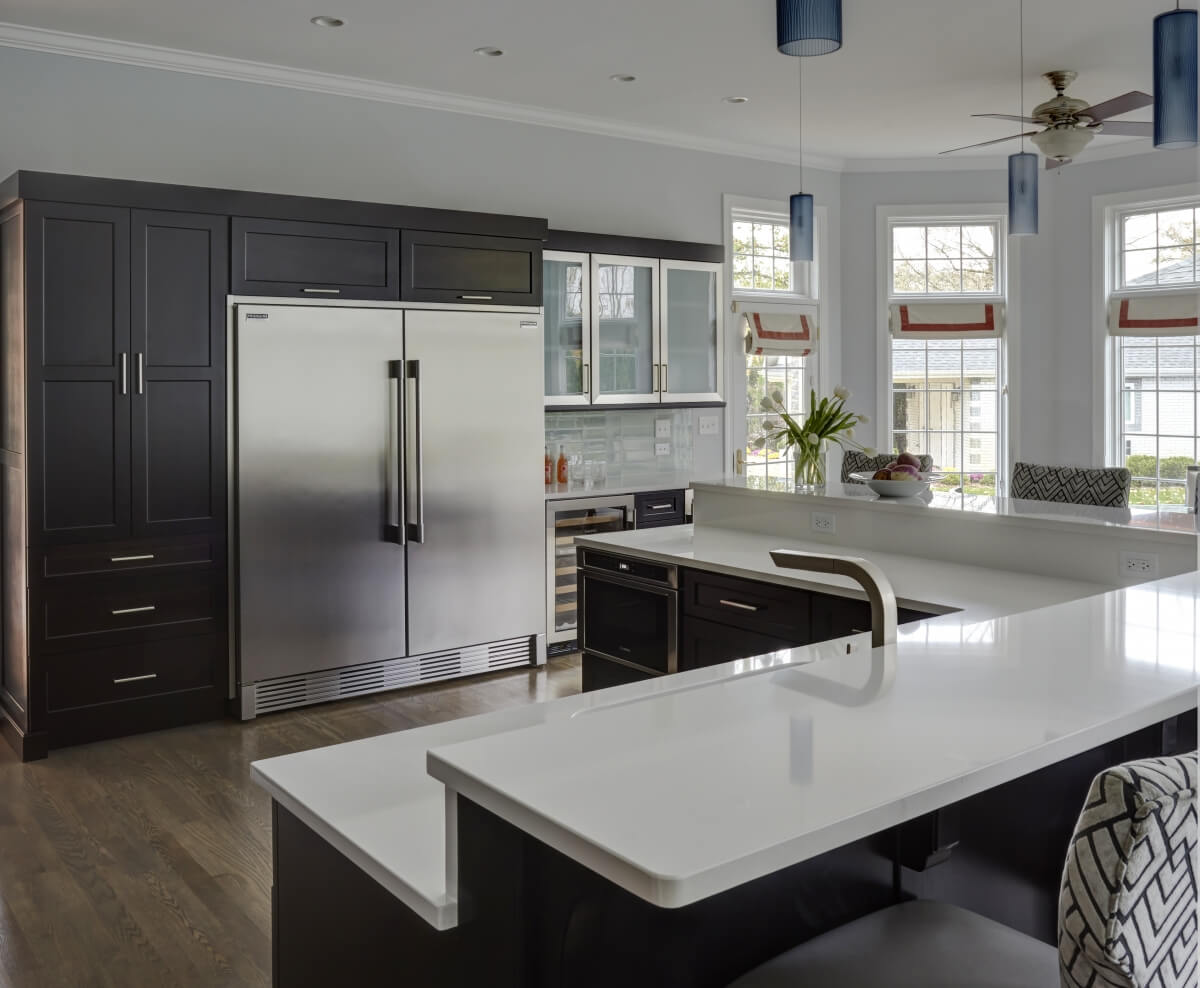
Image Source: www.durasupreme.com
Guide: How High Are Kitchen Countertops Standard?
How high are kitchen countertops standard? The standard height for kitchen countertops in most homes is 36 inches from the floor to the top of the counter surface. This measurement sets the standard kitchen counter height for cooking and prep areas. It’s also considered the average kitchen counter height found in ready-made cabinets and new homes across the country.
The Main Kitchen Counter Height
Most people know the kitchen counter sits at a certain height. This height is not just a random choice. Builders and designers picked it for good reasons. The main goal is to make cooking and working in the kitchen comfortable for many people.
What is the Standard Height?
The simple answer is 36 inches. This means if you measure from the finished floor straight up to the very top of your kitchen counter, it should be close to 36 inches. This standard kitchen counter height is the most common size you will find. It is used for the main work surfaces where you chop food, mix ingredients, and use small appliances.
Why 36 Inches?
The 36-inch height became standard a long time ago. It happened as kitchens started using built-in cabinets and appliances.
- Appliance Fit: Many large kitchen appliances are made to fit neatly under a 36-inch counter. Dishwashers, ranges, and trash compactors are often designed with this height in mind. This creates a smooth, fitted look.
- Ergonomics for Many: This height works reasonably well for a large number of adults. It lets most people stand and work without bending too much or reaching too high. We will talk more about ergonomic kitchen height later.
- Cabinet Manufacturing: Making cabinets at a standard height makes building kitchens easier and cheaper. Cabinet companies can mass-produce base cabinets that are sized to create a 36-inch counter height when a standard countertop is added.
This average kitchen counter height provides a good balance for many kitchen tasks.
Parts That Make Up the Height
A kitchen counter is not just one piece from the floor up. It is built from different parts stacked on top of each other. Knowing these parts helps you deciphering countertop height dimensions.
Kitchen Base Cabinet Height
The biggest part of the height comes from the base cabinet itself. Kitchen base cabinet height is usually around 34.5 inches tall. This is the wooden box that sits on the floor. It holds drawers, shelves, or pull-outs.
- These cabinets are the foundation for your counter.
- They provide storage space below the work surface.
- Their height is set to work with the other pieces.
The Toe Kick Space
Look at the bottom of your base cabinets. You will see a small space set back from the front. This is called the toe kick. It is the space where you can comfortably put your toes when standing at the counter.
- The toe kick is usually about 4 inches high.
- It is set back about 3 inches deep.
- This space lets you stand closer to the counter. This helps you reach things on the counter without leaning forward uncomfortably. It is part of making the kitchen work well for your body, which is part of ergonomic kitchen height.
Countertop Thickness
The top layer is the counter material itself. This stone, laminate, wood, or other material adds the final inches to the height.
- The most common countertop thickness is about 1.5 inches.
- Some materials, like thin solid surface or laminate edges, might be slightly less, like 1 inch.
- Thicker counters, like some wood blocks or layered stone edges, can be 2 inches or more.
When you add the kitchen base cabinet height (34.5 inches), the toe kick height (around 4 inches, though this is part of the cabinet’s overall height), and the countertop thickness (1.5 inches), you get the total standard kitchen counter height:
34.5 inches (cabinet) + 1.5 inches (countertop) = 36 inches (total height from floor)
The toe kick height is built into the 34.5-inch cabinet height. The cabinet box itself is usually around 30.5 inches tall, sitting on a 4-inch toe kick structure.
Different Heights in Your Kitchen
Not all surfaces in a kitchen are at the 36-inch standard height. Other areas might be different based on what you use them for. Kitchen island height is one common place to see variations.
Kitchen Island Height Variations
A kitchen island is a freestanding counter unit. It can serve many purposes. Its height can vary depending on its main use.
Standard Prep Island Height
Many kitchen islands are designed to be the same height as the main counters.
- This means they are also 36 inches tall.
- This height is good for food preparation like chopping, mixing, and rolling dough.
- It adds more work surface area at the comfortable standard kitchen counter height.
Standard Bar Height
Some islands or counter sections are made for eating or serving. These are often taller.
- Standard bar height is usually 42 inches from the floor.
- This height works well with taller bar stools.
- It creates a clear separation between the cooking area and the eating area.
- It is good for quick meals, coffee, or guests to sit and talk while you cook.
Two-Tier Islands
Some islands have two different levels.
- One level is often 36 inches high, used for prep work.
- The other level is often 42 inches high, used as a bar for seating.
- This gives you the best of both heights in one unit.
Accessible Counter Height
Kitchen design is becoming more inclusive. This means thinking about people with different needs. Accessible counter height is important for people who use wheelchairs or have trouble standing.
- The Americans with Disabilities Act (ADA) gives guidelines for accessible design.
- For kitchen counters, ADA suggests a height between 28 inches and 34 inches from the floor.
- This height lets someone in a wheelchair comfortably reach the work surface.
- There must also be clear knee and toe space underneath the counter. This space should be at least 30 inches wide, 27 inches high, and 19 inches deep.
Planning an accessible counter height requires special cabinet sizes and careful thought about what is under the counter.
Let’s look at the common heights in a table:
| Area / Type | Common Height (from floor) | Main Use | Seating Type Needed (if any) |
|---|---|---|---|
| Main Kitchen Counter | 36 inches | Food Prep, Cooking, Appliance Use | Standing |
| Kitchen Island (Prep) | 36 inches | Extra Prep Space, Appliance Use | Standing |
| Kitchen Island (Bar) | 42 inches | Eating, Serving, Quick Meals | Bar stools (Seat ~30″ high) |
| Two-Tier Island | 36 inches (lower level) | Food Prep | Standing |
| 42 inches (upper level) | Eating, Serving | Bar stools (Seat ~30″ high) | |
| Accessible Counter | 28-34 inches | Food Prep, Sink Use (for all) | Wheelchair Accessible Seating |
This table helps summarize the main countertop height dimensions you might see.
Deciphering Ergonomic Kitchen Height
Ergonomic kitchen height is about how well the kitchen fits your body. A comfortable height can prevent strain and make cooking more enjoyable. The standard 36 inches is a good starting point, but it might not be perfect for everyone.
Why Height Matters for You
Standing at a counter that is too high or too low can cause problems.
- Too Low: If your counter is too low, you have to bend over. This can hurt your back and neck, especially when chopping or stirring for a long time.
- Too High: If your counter is too high, you have to reach up. This can strain your shoulders and arms. It also makes tasks that need downward pressure, like kneading dough, harder.
The ideal counter height for you lets you work with your back mostly straight and your arms at a comfortable angle. Your elbows should be slightly bent when your hands are resting on the counter surface.
Finding Your Ideal Counter Height
While 36 inches is standard, your ideal counter height might be different. A common guideline is that the counter should be about 1 to 2 inches below your bent elbow.
Here is a simple way to get an idea:
- Stand up straight with your arms hanging at your sides.
- Bend your elbow at a 90-degree angle.
- Measure the distance from the floor to the bottom of your bent elbow.
- Your ideal counter height for most tasks is usually 1 to 4 inches less than this measurement.
- Example: If the bottom of your bent elbow is 40 inches from the floor, your ideal prep counter height might be between 36 and 39 inches. The 36-inch standard might work well for you.
- Example: If your bent elbow is at 44 inches, your ideal height might be between 40 and 43 inches. The standard 36 inches might be too low for you.
- Example: If your bent elbow is at 37 inches, your ideal height might be between 33 and 36 inches. The standard 36 inches might be a little high, and a lower counter might be better for some tasks.
Keep in mind that one height might not be perfect for all tasks. A slightly lower height might be better for kneading dough, while a slightly higher height might be better for washing dishes.
Moving Beyond Standard Sizes
Sometimes, the standard heights just do not work. Maybe you are much taller or shorter than average. Maybe you need a kitchen that is fully accessible. In these cases, you might look at custom countertop height options.
Custom Countertop Height Options
When you choose a custom height, you are not limited to 36 or 42 inches.
- Custom Cabinets: You can order kitchen base cabinet height at a specific size. Cabinet makers can build cabinets taller or shorter than the standard 34.5 inches.
- Platform Bases: Sometimes, standard cabinets are used, but they are placed on a custom-built platform or riser to gain extra height.
- Adjustable Legs: Some modern cabinet systems have adjustable legs that allow fine-tuning of the height.
Using custom countertop height lets you create a kitchen that fits your body and needs perfectly.
When to Choose Custom
Choosing a custom countertop height makes sense in a few situations:
- Significant Height Difference: If you or the main user of the kitchen is much taller or shorter than average, the standard height might cause discomfort or strain over time.
- Accessibility Needs: As mentioned before, accessible counter height below the standard is necessary for many people using wheelchairs.
- Specialty Tasks: If you have a specific hobby like baking (which might benefit from a slightly lower surface) or have equipment that needs a non-standard height.
- Aging in Place: Designing a kitchen that works well as you get older might involve adjusting heights now or making them easy to change later.
- Unique Design: Some modern kitchen designs might feature different counter heights for aesthetic reasons, though function should always come first.
Building a kitchen with custom countertop height usually costs more than using standard cabinets. It requires more planning and potentially custom fabrication. But for long-term comfort and function, it can be well worth the investment.
Checking Your Countertop Height Dimensions
You might want to check the countertop height dimensions in your current kitchen or a kitchen you are planning. This is easy to do.
How to Measure Correctly
To find the exact height of your counter:
- Get a good tape measure.
- Go to a spot on the counter away from the sink or stovetop if possible.
- Find the finished floor directly below the counter edge. If you have wood floors, find the top surface of the wood. If you have tile, find the top surface of the tile.
- Place the end of your tape measure on the floor at this spot.
- Extend the tape measure straight up to the very top surface of the countertop.
- Make sure the tape measure is straight and not angled.
- Read the measurement at the top of the counter.
This measurement gives you the total height from the floor. You can do this in several spots to see if your counter is level or if the height varies slightly. This helps you confirm your standard kitchen counter height or if you have different heights.
Planning Your Kitchen Layout
Thinking about counter height is a key part of planning a new kitchen or remodeling an old one. It affects how the kitchen feels and how easy it is to use.
Thinking About Flow and Function
When planning, consider:
- Who uses the kitchen? Are they tall, short, do they have mobility issues? This impacts the ideal counter height.
- What tasks do you do most often? A lot of baking? A lot of chopping? Do you need space for kids to help?
- How will people move around? Different height counters, like a 36-inch prep area and a 42-inch bar height island, create zones.
- Appliances: Make sure your chosen height works with built-in appliances like dishwashers and ranges. The opening height for these is usually made for the standard kitchen counter height of 36 inches.
- Storage: Remember that changing the kitchen base cabinet height will change the storage space inside the cabinets. Shorter cabinets mean less storage. Taller cabinets mean more.
Considering these points helps ensure your new kitchen is not just beautiful but also works well for you every day. It helps you achieve the best possible ergonomic kitchen height for your home.
Frequently Asked Questions (FAQ)
Here are answers to common questions about kitchen counter heights.
What is the most common kitchen counter height?
The most common height is 36 inches from the floor. This is the standard kitchen counter height.
Is 36 inches comfortable for everyone?
No, 36 inches is a good height for many average-sized adults, but it might be too high for shorter people and too low for much taller people for ideal counter height. Ergonomic kitchen height varies person to person.
What is the standard height for a kitchen island?
A kitchen island can be 36 inches (like a regular counter) or 42 inches (for seating/bar height). Some have two levels. Kitchen island height depends on its main use.
How high should a bar counter be?
Standard bar height is typically 42 inches. This height works with taller bar stools, where the seat is usually around 30 inches high.
What about counter height for people with disabilities?
Accessible counter height should be between 28 and 34 inches from the floor, according to ADA guidelines. There must also be clear space under the counter for knees and toes.
Can I make my kitchen counters higher or lower than standard?
Yes, you can choose a custom countertop height. This usually involves ordering custom kitchen base cabinet height or using platforms under standard cabinets. It costs more but can provide a better ergonomic kitchen height for your specific needs.
Does countertop thickness affect the total height?
Yes. Countertop height dimensions include the thickness of the countertop material (usually 1 to 2 inches). This adds to the height of the kitchen base cabinet height and toe kick to reach the total height.
What is a toe kick and why is it there?
A toe kick is the recessed space at the bottom of base cabinets, usually about 4 inches high and 3 inches deep. It lets you stand closer to the counter with your toes tucked under, making it more comfortable to work. It is part of the overall kitchen base cabinet height.
If my counters are too low, can I easily raise them?
Raising existing counters is difficult and often requires removing the old countertop, adding material to the top of the cabinets or a base below them, and installing a new countertop. It is usually easier to change height during a full remodel or when installing new cabinets.
If my counters are too high, can I lower them?
Lowering existing counters is also very hard. It would likely require removing everything and installing shorter kitchen base cabinet height and a new countertop.
Knowing the standard kitchen counter height and its variations helps you plan a kitchen that looks good and works great for everyone who uses it. Think about your needs and consider custom countertop height if the standard does not fit. This attention to detail can make a big difference in your daily life.