Yes, you can take apart a Moen kitchen faucet for repairs or replacement. The process is generally straightforward and can be completed with basic tools. This guide will walk you through how to disassemble a Moen kitchen faucet, focusing on common models and issues. Whether you need to repair a Moen kitchen faucet, replace a Moen faucet cartridge, or fix a leaky Moen faucet, knowing how to take it apart is the first crucial step. We’ll cover everything from Moen faucet handle removal to understanding essential Moen faucet parts.
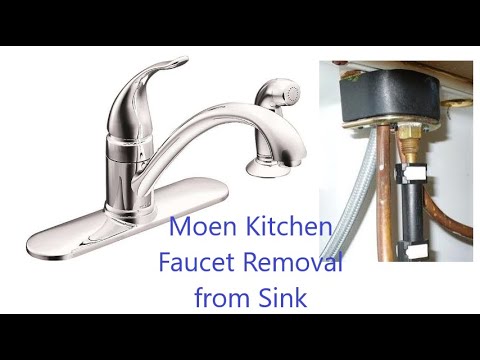
Image Source: i.ytimg.com
Preparing for Disassembly: What You Need to Know
Before you begin to disassemble your Moen faucet, it’s vital to be prepared. This involves gathering the right tools and taking necessary precautions to ensure a smooth and successful process. Preparing correctly will prevent damage to your faucet and make the entire repair or replacement job much easier.
Essential Tools for Moen Faucet Disassembly
To successfully take apart your Moen kitchen faucet, you’ll need a few common household tools. Having these on hand will save you trips to the store and streamline the process.
- Screwdrivers: You’ll likely need both a Phillips head and a flathead screwdriver. These are used for removing handle screws and other small components.
- Adjustable Wrench or Pliers: An adjustable wrench is excellent for loosening and tightening nuts, especially those found around the base of the spout or the cartridge. Channel-lock pliers can also be very useful.
- Allen Wrench (Hex Key): Many Moen faucets use a small set screw to secure the handle, and this is typically accessed with an Allen wrench. Often, a set will be included with the faucet replacement parts, or you might have a set already.
- Penetrating Oil (Optional but Recommended): For faucets that haven’t been disassembled in a while, a penetrating oil can help loosen stubborn parts and prevent damage.
- Rag or Towel: To protect your sink surface from scratches and to wipe away any water or debris.
- Bucket or Container: To catch any residual water that might drip from the pipes when you disconnect them.
- Flashlight: To help you see clearly in dimly lit areas under the sink.
- Safety Glasses: Always a good idea when working with plumbing to protect your eyes.
Safety First: Shutting Off the Water Supply
This is the most important step before you start any faucet disassembly. Failing to turn off the water can lead to a flood.
- Locate the Shut-Off Valves: Look under your sink for two valves, one for hot water and one for cold water. They are usually located on the pipes coming from the wall.
- Turn Off the Valves: Turn the handles of both valves clockwise until they are snug. Don’t overtighten them.
- Test the Water: Turn on the faucet to ensure no water is flowing. Let it run for a few seconds to drain any remaining water in the lines. The faucet should only drip slightly or stop completely.
Step-by-Step Guide to Disassemble Your Moen Kitchen Faucet
Now that you’re prepared and the water is off, let’s get to the actual process of how to take apart a Moen kitchen faucet. The exact steps can vary slightly depending on your faucet model, but the general principles are the same.
Step 1: Moen Faucet Handle Removal
The handle is usually the first part to come off.
- Locate the Set Screw: For most Moen faucets, there’s a decorative cap on the handle. Gently pry this cap off with a small flathead screwdriver or a putty knife. This will reveal a screw underneath.
- Remove the Handle Screw: Use the appropriate screwdriver (usually Phillips) to remove the screw holding the handle in place.
- Remove the Handle: Once the screw is out, the handle should lift straight up and off. If it’s stuck, try wiggling it gently or use a handle puller tool. Sometimes, a gentle tap with the handle of your screwdriver can also loosen it. For models with a set screw on the side, you’ll need an Allen wrench to loosen that screw, and then the handle will lift off.
Step 2: Accessing the Faucet Cartridge
The cartridge is the heart of the faucet, controlling the flow and temperature of water. Knowing how to replace a Moen faucet cartridge is key to many repairs.
- Remove the Trim Piece/Escutcheon: After the handle is off, you might see a decorative dome-shaped piece called an escutcheon or a bonnet nut. This piece usually unscrews by hand or with an adjustable wrench. Turn it counter-clockwise.
- Expose the Cartridge Retaining Clip or Nut: Once the trim is removed, you’ll see the cartridge. Moen faucets typically secure their cartridges in one of two ways:
- Retaining Clip: Many Moen faucets use a small metal clip that holds the cartridge in place. This clip often has a red or yellow tab. Use needle-nose pliers or a flathead screwdriver to pull this clip straight up and out.
- Retaining Nut/Bonnet Nut: Some models have a larger nut that screws over the cartridge. Use an adjustable wrench to unscrew this nut counter-clockwise.
Step 3: Removing the Moen Faucet Cartridge
This is a critical step for many repairs, such as fixing a leaky Moen faucet.
- Pull the Cartridge Out: Once the retaining clip or nut is removed, the cartridge should be accessible. You may need to pull it straight up and out. Sometimes, the cartridge can be stubborn.
- Using Cartridge Removal Tools: If the cartridge is very stuck, Moen often provides or sells a special cartridge removal tool designed to grip the cartridge and make extraction easier. You can also try using a pair of pliers to grip the top of the cartridge stem and twist it gently as you pull upwards. Be careful not to force it too much, as you don’t want to damage the faucet body.
Step 4: Removing the Faucet Spout
If you’re looking to perform a Moen faucet spout replacement or need to access internal components within the spout assembly, here’s how to remove it.
- Identify the Spout Securing Mechanism: Most Moen kitchen faucets have a spout that is held in place by a screw or a threaded collar at the base of the spout, hidden beneath the escutcheon or cap you removed earlier.
- Unscrew the Spout:
- Screw Method: Locate the small screw (often an Allen screw) at the back or front of the faucet body, near where the spout meets the base. Loosen this screw with the appropriate Allen wrench. Once loosened, the spout should lift straight up and off.
- Threaded Collar Method: Some spouts are secured by a threaded collar that screws onto the faucet body. After removing the handle and escutcheon, you should be able to see this collar. Use an adjustable wrench to unscrew it counter-clockwise. Once the collar is off, the spout should lift free.
Step 5: Disassembling Other Components (Optional)
Depending on the specific repair or maintenance you are performing, you might need to disassemble further. This is often part of a more comprehensive Moen faucet repair guide.
- Diverter Valve: If your faucet has a sprayer, there might be a diverter valve at the base of the spout assembly that directs water to either the spout or the sprayer hose. This may also be removable with a wrench or pliers.
- Aerator: The aerator is located at the tip of the spout. It mixes air with water for a smoother stream and can be unscrewed by hand or with pliers (use a rag to protect the finish) to clean out mineral deposits.
Reassembly: Putting Your Moen Faucet Back Together
Once you have completed your repairs or replacements, reassembling your Moen faucet is essentially the reverse of the disassembly process.
- Install New Parts: If you replaced a cartridge or other component, insert the new parts correctly. Ensure the cartridge is aligned with any notches or tabs in the faucet body.
- Secure the Cartridge: Replace the retaining clip or screw the bonnet nut back on securely.
- Reattach the Spout: Slide the spout back into place, ensuring it’s properly seated, and then secure it with its retaining screw or thread the collar back on.
- Replace the Trim/Escutcheon: Screw the decorative trim piece or escutcheon back onto the faucet body.
- Reattach the Handle: Place the handle back onto the cartridge stem or mounting post and secure it with the handle screw. Snap the decorative cap back into place.
- Turn Water Back On: Slowly turn the hot and cold water shut-off valves back on by turning them counter-clockwise.
- Test for Leaks: Turn on the faucet and check for any leaks around the handle, spout, or under the sink. If you find leaks, you may need to slightly tighten connections or ensure parts are seated correctly.
Troubleshooting Common Moen Faucet Issues
Knowing how to disassemble your Moen faucet is crucial for troubleshooting. Here are some common problems and how disassembly helps address them:
Fixing a Leaky Moen Faucet
A leaky faucet is often the primary reason for needing to disassemble your Moen faucet.
- Leaking from the Spout: This usually indicates a worn-out cartridge. Replacing the Moen faucet cartridge is the most common solution. Sometimes, the O-rings on the spout can also wear out, causing leaks at the base of the spout.
- Leaking from the Handle: This often points to a problem with the cartridge or its seals, or potentially O-rings within the handle assembly itself.
Low Water Pressure
If you’re experiencing low water pressure, several Moen faucet parts could be the culprit.
- Aerator: Mineral deposits can clog the aerator, restricting water flow. Cleaning or replacing it can resolve this.
- Cartridge: A partially blocked or damaged cartridge can also impede water flow.
- Supply Lines: Although less common for internal faucet issues, kinked or clogged supply lines under the sink can also reduce pressure.
Difficulty Operating the Handle
If the handle is stiff or hard to move, it might be due to:
- Dry or Damaged Cartridge: The internal components of the cartridge may need lubrication or replacement.
- Debris: Small particles of debris can get lodged in the faucet body or cartridge.
Moen Faucet Maintenance Tips
Regular Moen faucet maintenance can prevent many issues that require disassembly.
- Clean the Aerator: Periodically unscrew and clean the aerator with a small brush and vinegar to remove mineral buildup.
- Wipe Down Surfaces: Regularly wipe down your faucet with a soft cloth to prevent water spots and mineral accumulation, especially around moving parts.
- Check for Leaks: Make it a habit to check under the sink for any signs of drips or leaks.
- Address Minor Issues Promptly: Don’t wait for small drips to become major leaks. Addressing them early can save you time and money.
Different Moen Faucet Styles and Their Disassembly Nuances
While the core principles of how to disassemble a Moen kitchen faucet remain consistent, specific models can have slight variations. This Moen faucet repair guide aims to cover the most common types.
Single Handle Faucets
These are the most prevalent. Disassembly typically involves removing the handle, then an escutcheon or bonnet nut, followed by the retaining clip or nut, and finally the cartridge. Spout removal is usually next if needed.
Double Handle Faucets
These have separate hot and cold handles. Each handle will need to be removed individually to access the cartridges or stem assemblies underneath. The process for each handle is similar to a single-handle faucet, but you’ll be working with two distinct mechanisms.
Pull-Down and Pull-Out Sprayer Faucets
These models add a sprayer head connected by a hose.
- Hose Replacement: When replacing a pull-down or pull-out hose, you’ll typically need to disconnect the hose from the sprayer head (often a threaded connection) and then from the diverter valve under the sink.
- Diverter Valve Access: Accessing the diverter valve usually requires removing the spout. The diverter itself might unscrew or pull out.
Understanding Moen Faucet Parts
Knowing the names and functions of various Moen faucet parts is helpful for both disassembly and ordering replacements.
| Part Name | Function | Common Issues |
|---|---|---|
| Cartridge | Controls water flow and temperature. | Leaks, stiffness, no hot/cold water. |
| Handle | Used to turn the water on/off and adjust temperature. | Loose, stiff, broken. |
| Escutcheon/Trim | Decorative cover that hides the internal faucet components. | Cosmetic damage. |
| Bonnet Nut | Secures the cartridge in some models. | Leaks if not tight, difficult to remove if corroded. |
| Retaining Clip | Holds the cartridge in place in many Moen faucets. | Can break or become lost. |
| Spout | Directs water into the sink. | Leaks at the base, mineral buildup. |
| Aerator | Mixes air into the water stream for a smoother flow and saves water. | Clogged with mineral deposits, reducing pressure. |
| O-Rings/Seals | Rubber seals that prevent water from leaking past components. | Wear out over time, causing leaks. |
| Diverter Valve | Routes water to the spout or the sprayer hose (in sprayer models). | Leaks, faulty diversion of water. |
| Supply Lines | Connect the faucet to the hot and cold water shut-off valves. | Leaks at connections, kinks, internal blockage. |
When to Call a Professional
While many Moen faucet repairs are DIY-friendly, there are times when it’s best to call a plumber.
- Unfamiliarity with Plumbing: If you’re not comfortable working with plumbing or unsure about any step, a professional can ensure the job is done correctly and safely.
- Stubborn or Damaged Parts: If you encounter parts that are extremely corroded, seized, or if you accidentally damage a component during disassembly, a plumber has specialized tools and techniques.
- Complex Issues: If your faucet has multiple leaks, inconsistent water temperature, or significant functional problems that disassembly doesn’t solve, a professional can diagnose and fix more complex issues.
- Faucet Installation: While you can disassemble and repair, a new Moen faucet installation can be more involved, especially if you need to modify existing plumbing.
Frequently Asked Questions (FAQ)
Q1: How do I know which Moen faucet cartridge I need?
A: You’ll need to identify your specific Moen faucet model. Often, the model number is printed on the faucet itself, usually on the underside of the spout or on a tag attached to the supply lines. You can also compare the old cartridge with pictures on Moen’s website or at plumbing supply stores. Moen has a vast range of cartridges, so matching it correctly is crucial for a successful repair.
Q2: Can I just replace the O-rings on my Moen faucet instead of the whole cartridge?
A: In some cases, yes. If the leak is specifically from the base of the spout or around the handle stem and you can pinpoint the worn O-ring, you might be able to replace just the O-rings. However, cartridges are wear items, and if the leak is from the spout’s flow, the cartridge is the most likely culprit, and replacing the entire cartridge is generally more effective for internal leaks.
Q3: My Moen faucet handle is stuck. What should I do?
A: First, ensure the set screw or retaining screw is completely removed. If it’s still stuck, try applying a penetrating oil around the base of the handle and let it sit for a while. Gently wiggle the handle while pulling upwards. Avoid excessive force, as this can damage the faucet body. If it remains stuck, a specialized handle puller tool might be necessary.
Q4: How often should I perform Moen faucet maintenance?
A: It’s good practice to check for leaks and clean the aerator every 6-12 months. More thorough checks and potential part replacements depend on water quality and usage. If you have hard water, more frequent cleaning of the aerator might be needed.
Q5: Is it difficult to perform a Moen faucet installation myself?
A: A basic Moen faucet installation can be a manageable DIY project for someone with some plumbing experience. It involves connecting supply lines, securing the faucet to the sink, and connecting the sprayer hose if applicable. If you are replacing an existing faucet, it’s often easier than installing a brand-new fixture into a new sink. However, if you’re unsure, hiring a plumber is always a good option to ensure a leak-free installation.
By following these steps and tips, you should be well-equipped to disassemble and maintain your Moen kitchen faucet, allowing you to tackle common repairs and keep your faucet functioning smoothly.