A kitchen fire can start in seconds, but knowing how to react can save your home and lives. Can I put out a kitchen fire myself? In many cases, yes, if the fire is small and contained, you can safely extinguish it using the right methods. However, if the fire is spreading quickly or you feel unsafe, your priority should always be leaving the area and calling emergency services. This guide will walk you through crucial kitchen fire safety practices and the correct actions to take if a fire ignites.
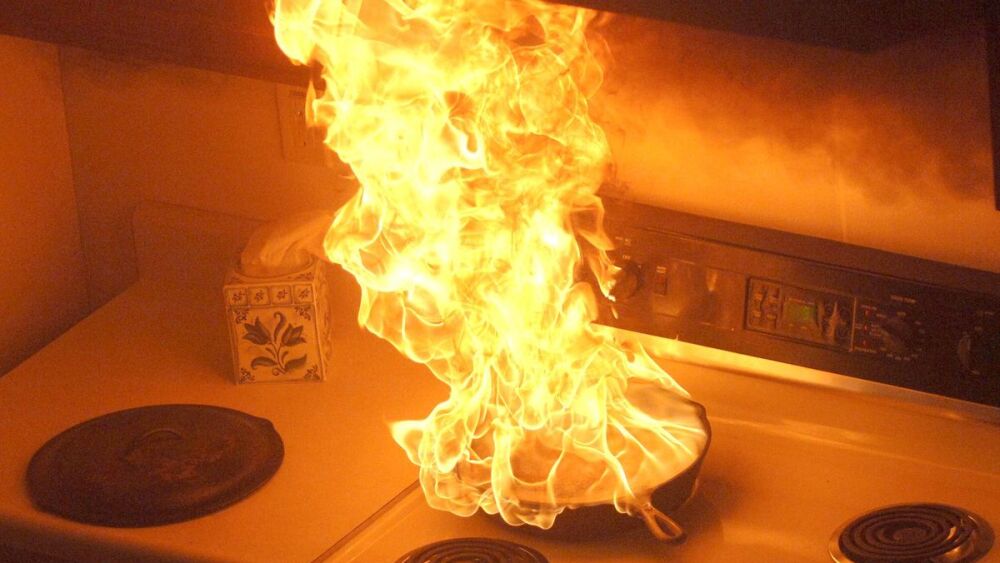
Image Source: lexipol.brightspotcdn.com
Preventing Kitchen Fires: Your First Line of Defense
The best way to deal with a kitchen fire is to prevent it from happening in the first place. Most kitchen fires stem from unattended cooking, faulty appliances, or flammable materials too close to heat sources. Implementing simple safety habits can significantly reduce your risk.
Safe Cooking Habits
- Stay Attentive: Never leave cooking food unattended, especially when frying, grilling, or broiling. If you must leave the kitchen, even for a moment, turn off the stove.
- Watch What You Heat: Keep a close eye on food while it’s cooking.
- Keep Flammables Away: Ensure oven mitts, wooden utensils, paper towels, and curtains are kept away from the stovetop.
- Clean Your Kitchen: Regularly clean stovetops, ovens, and exhaust fans to prevent grease buildup. Grease is highly flammable.
- Turn Pot Handles Inward: This prevents accidental knocking of pots and pans off the stove.
- Wear Appropriate Clothing: Avoid loose-fitting sleeves that can catch fire.
- Be Careful with Hot Oil: Heat oil slowly. If oil starts to smoke, it’s too hot and likely to ignite. Turn off the heat and let it cool.
Appliance Safety
- Check Cords: Inspect electrical cords for fraying or damage. Replace any damaged cords immediately.
- Proper Use: Use appliances only for their intended purpose.
- Clean Appliances: Keep ovens and microwaves clean to prevent food debris from igniting.
- Unplug Appliances: Unplug small appliances like toasters and blenders when not in use.
Keeping Children Safe
- Create a Kid-Free Zone: Establish a safe area around the stove or oven where children cannot go while cooking.
- Supervise Closely: Always supervise children in the kitchen, especially when cooking is taking place.
Gauging the Danger: When to Fight and When to Flee
Not all kitchen fires are created equal. Knowing when you can safely attempt to put out a fire and when you absolutely must evacuate is critical.
When You Can Safely Fight a Fire:
- The fire is small and contained. It’s mostly in the pot or pan.
- The fire is not spreading rapidly. You have a clear escape route.
- You have the correct equipment. You know how to use it.
- The room is not filled with smoke. You can still breathe easily.
When You MUST Evacuate:
- The fire is spreading quickly. It’s growing beyond the initial source.
- The room is filling with smoke. You can’t see or breathe well.
- You don’t have the right equipment. Or you’re unsure how to use it.
- Your escape route is blocked. You can’t get out safely.
- You feel overwhelmed or unsafe. Trust your instincts.
If you decide to evacuate, your immediate priority is to get everyone out and call emergency services.
Action Plan: How to Put Out a Kitchen Fire
When a fire ignites in your kitchen, remaining calm is paramount. Your immediate actions will determine the outcome.
Dealing with a Grease Fire: Smothering Kitchen Fires
Grease fires are among the most common and dangerous kitchen fires. They ignite quickly and spread rapidly. The key to grease fire suppression is to cut off the oxygen supply.
What is a grease fire?
A grease fire occurs when cooking oil or fat becomes too hot, ignites, and flames.
What to DO for a grease fire:
- Turn off the Heat: If it’s safe to do so, immediately turn off the burner. Do NOT try to move the burning pot or pan. Moving it can splash the burning grease and spread the fire.
- Smother the Flames:
- Use a Lid or Baking Sheet: Carefully slide a metal lid or baking sheet over the pan to cut off the oxygen. Leave it there until the pan has cooled completely.
- Use Baking Soda: For small grease fires, a large amount of baking soda fire can help. Baking soda releases carbon dioxide when heated, which smothers the flames. Pour it generously onto the fire. Flour, sugar, or baking powder will NOT work and can make the fire worse.
- Use a Fire Blanket: A fire blanket use is an effective way to smother flames on a person or in a pan. Drape it over the fire, starting from your body and moving towards the flames to avoid direct contact.
What NOT to DO for a grease fire:
- NEVER use water: Water will vaporize instantly when it hits hot grease, causing an explosion that spreads the burning grease and flames everywhere. This is a critical rule for smothering kitchen fires.
- NEVER use a wet towel: A wet towel on a grease fire is similar to using water – the steam generated can spread the fire. However, a dry towel can be used to smother very small fires if you have no other options and are confident you can do so safely.
- NEVER try to carry the burning pot or pan outside.
Dealing with Oven or Microwave Fires
Oven and microwave fires are often caused by food residue or packaging igniting.
- Keep the Door Closed: Do not open the oven or microwave door. This allows oxygen to enter and can feed the flames.
- Turn Off the Appliance: Turn off the power to the appliance. For an oven, turn off the burner. For a microwave, unplug it if it’s safe to reach the plug.
- Wait for it to Cool: Let the appliance cool down completely. The fire will often go out on its own without oxygen.
- If the Fire Persists: If the fire continues after the appliance has cooled, or if flames are visible outside the appliance, evacuate and call emergency services.
Using a Fire Extinguisher
A Class K or Class ABC fire extinguisher types is essential for kitchen safety. Class K extinguishers are specifically designed for cooking oil fires.
- Identify the Fire Type: Ensure your extinguisher is suitable for the type of fire. For kitchen fires, especially grease fires, a Class K or a multi-purpose ABC extinguisher is recommended.
- Pull the Pin: Hold the extinguisher upright and pull the safety pin.
- Aim at the Base: Aim the nozzle at the base of the flames, not at the flames themselves.
- Squeeze the Handle: Squeeze the handle slowly and evenly to discharge the extinguishing agent.
- Sweep Side to Side: Sweep the nozzle from side to side, covering the base of the fire.
- Watch for Re-ignition: Continue to discharge the extinguisher until the fire is out. Watch carefully for any signs of re-ignition.
If the Fire Spreads: Evacuation and Calling for Help
If the fire is larger than you can safely handle, or if you have any doubts about your ability to extinguish it, leaving the area immediately is the most important step.
- Alert Everyone: Shout “Fire!” to alert everyone in the house.
- Evacuate Safely:
- Feel doors for heat before opening them. If a door is hot, do not open it. Find another exit.
- Stay low to the ground where the air is clearer if there is smoke.
- Close doors behind you as you leave to slow the fire’s spread.
- Call Emergency Services: Once you are safely outside, call your local emergency number (e.g., 911 in the US, 999 in the UK, 112 in Europe).
- Provide Information: Tell the operator your address, what is burning, and if anyone is trapped inside.
- Do Not Re-enter: Do not go back inside for any reason until firefighters have declared it safe.
Essential Kitchen Fire Safety Equipment
Having the right tools readily available can make a significant difference in a fire emergency.
Fire Extinguishers
- Type K: Specifically designed for cooking oils and fats. The preferred choice for kitchens.
- ABC Multi-purpose: Can be used on ordinary combustibles (A), flammable liquids (B), and electrical fires (C). A good general-purpose option if Class K is unavailable.
- Placement: Keep an extinguisher easily accessible in or near the kitchen, but not so close that it would be the first thing to get caught in a fire.
Fire Blankets
- Material: Made of fire-resistant material, often fiberglass.
- Use: Effective for smothering small fires in pans or on people.
- Storage: Keep them in a readily accessible location, like a drawer near the stove.
Smoke Alarms
- Importance: Install smoke alarms on every level of your home, inside bedrooms, and outside sleeping areas.
- Maintenance: Test smoke alarms monthly and replace batteries at least once a year (or as recommended by the manufacturer). Replace the entire unit every 10 years.
What About Other Kitchen Fire Scenarios?
While grease fires are common, other situations can lead to fires.
Electrical Fires
If an appliance malfunctions and sparks or catches fire:
- Unplug the Appliance: If safe to do so, immediately unplugging appliances is the first step. Be careful not to touch the appliance if it is sparking or hot.
- Use a Suitable Extinguisher: For electrical fires, use a Class C or ABC extinguisher. Never use water, as it conducts electricity.
- If Unsure, Evacuate: If you cannot safely unplug the appliance or the fire is spreading, evacuate and call emergency services.
Fires from Other Flammable Materials
Items like paper towels, dishcloths, or food packaging can catch fire if they come into contact with a hot surface.
- Remove the Fuel Source: If possible and safe, remove the burning item from the heat source.
- Smother or Extinguish: Use water (unless it’s near grease), a fire extinguisher, or a fire blanket to put out the flames.
Frequently Asked Questions (FAQ)
Here are answers to common questions about kitchen fires:
-
Q: Can I use a wet towel on a grease fire?
- A: No. Using a wet towel on a grease fire is extremely dangerous. The water in the towel will turn to steam instantly, causing an explosive reaction that spreads the burning grease and flames. A dry towel can be used very carefully to smother small grease fires if no other option is available.
-
Q: What is the best way to put out a kitchen fire?
- A: The best way depends on the type of fire. For grease fires, smothering is key. For other fires, a suitable fire extinguisher or water might be appropriate (never water on grease or electrical fires). Always prioritize safety and know when to evacuate.
-
Q: What should I do if my clothes catch fire?
- A: Stop, Drop, and Roll. Stop moving immediately. Drop to the ground and cover your face with your hands. Roll over and over until the flames are out. If a fire blanket is available, use it to smother the flames.
-
Q: How often should I check my smoke alarms?
- A: Test your smoke alarms at least once a month and replace the batteries annually, or as recommended by the manufacturer.
-
Q: Do I really need a fire extinguisher in my kitchen?
- A: Yes, it’s highly recommended. A properly maintained and accessible fire extinguisher can be crucial for quickly and safely dealing with small kitchen fires before they become unmanageable.
-
Q: What is baking soda fire suppression?
- A: Baking soda fire suppression involves using large amounts of baking soda to smother flames, particularly effective for small grease fires. When heated, baking soda releases carbon dioxide, which displaces oxygen and extinguishes the fire.
By focusing on prevention and knowing the correct actions to take, you can significantly improve your safety and the safety of your home in the event of a kitchen fire. Remember, when in doubt, evacuate and call for professional help.