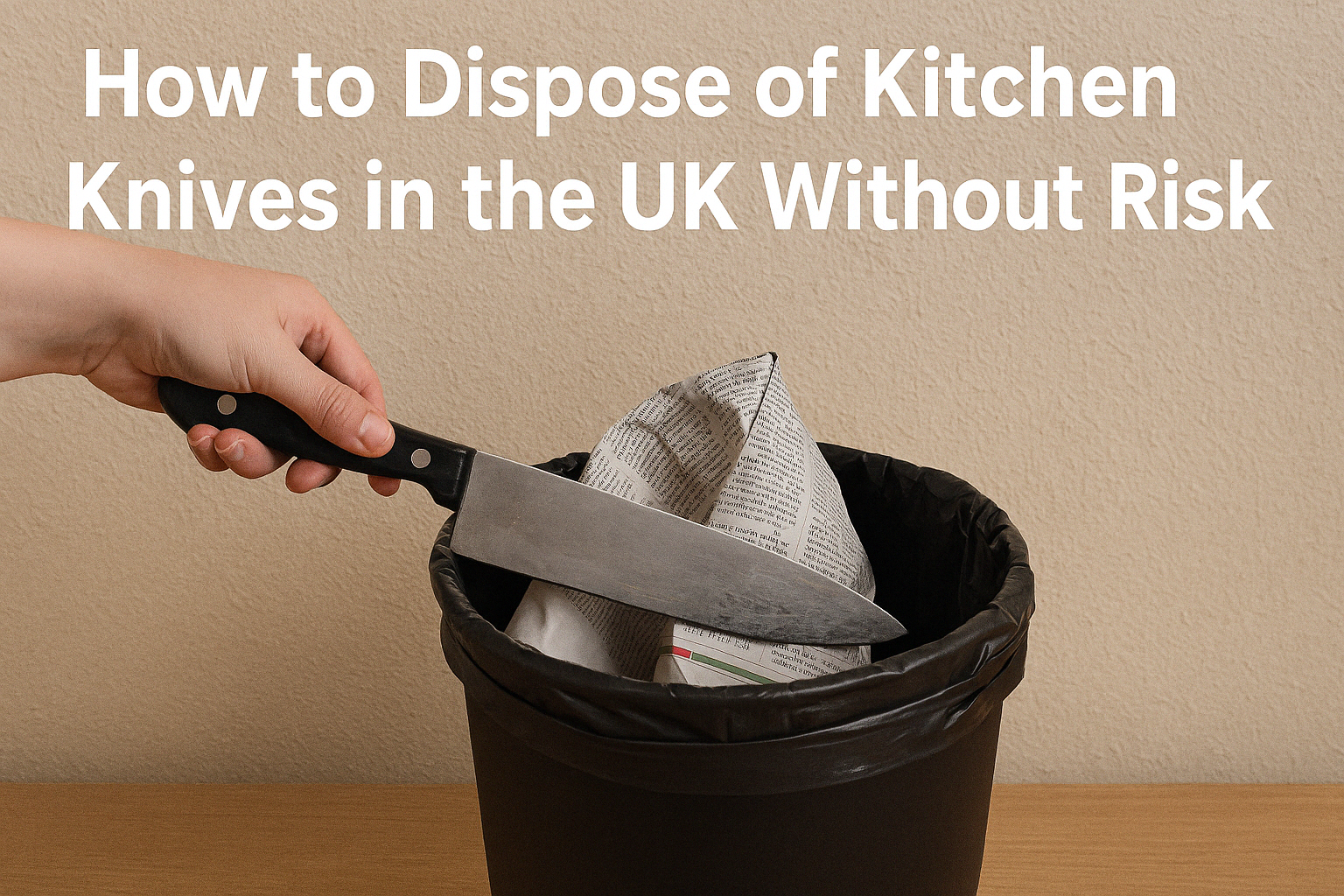
Image Source: kitchpulse.com
How to Dispose of Old Kitchen Knives Safely: Your Guide to Proper Knife Disposal
Can I throw away old kitchen knives in the regular trash? Yes, but only if they are wrapped securely to prevent injury. However, this is often not the safest or most responsible method. This comprehensive guide will walk you through the best practices for proper knife disposal, ensuring safety for sanitation workers, your household, and the environment. We’ll cover everything from identifying when a knife needs replacing to the most secure ways to handle cutting tool disposal, including dealing with broken knife disposal and serrated knife disposal.
When Your Trusty Blade Has Seen Better Days
Even the finest kitchen knives eventually wear out. Knowing when it’s time to say goodbye to a dull, damaged, or unsafe knife is the first step in responsible kitchen utensil disposal. A knife that has lost its sharpness, has a chipped or broken blade, or a handle that is loose or cracked poses a significant risk. These are not just inconveniences; they are safety hazards that can lead to slips, cuts, and accidents.
Signs Your Knife Needs Disposal:
- Dullness: A knife that requires excessive force to cut through food is dull. Repeatedly forcing a dull knife can lead to slips and injuries.
- Chipped or Broken Blade: Even a small chip can compromise the knife’s integrity and create a dangerous edge. A broken knife is unfixable and must be disposed of.
- Loose or Damaged Handle: A wobbly handle can cause the blade to shift unexpectedly during use, leading to accidents. A cracked or splintered handle also presents a hygiene and safety issue.
- Rust or Corrosion: While some minor rust can be removed, significant rust can weaken the blade and affect its performance and safety.
- Bent Blade: A bent blade is difficult to control and can be a tripping hazard if it extends beyond its intended use.
The Art of Safe Knife Disposal: Prioritizing Safety Above All
The primary concern when disposing of old kitchen knives is preventing injury. Sharp objects, especially knives, can easily pierce bags and injure sanitation workers or anyone who handles the trash. Therefore, proper preparation is crucial for all forms of cutting tool disposal.
Wrapping for Safety: The First Line of Defense
Before any knife leaves your kitchen, it needs to be safely encased. This protects both you during the disposal process and those who will handle it afterward.
Methods for Wrapping Knives:
- Cardboard Sheath: The most effective method is to create a protective sheath.
- Find a piece of sturdy cardboard, like from a cereal box or shipping box.
- Fold the cardboard around the blade.
- Secure the sheath with strong tape (packing tape or duct tape). Ensure the tape covers all openings and edges to prevent the blade from poking through.
- Thick Paper and Tape: If cardboard isn’t readily available, thick paper like newspaper or butcher paper can be used.
- Wrap the blade multiple times in thick paper.
- Securely tape the paper wrap to prevent it from unraveling.
- Original Sheath (If Available): If you still have the original protective sheath for the knife, use it! This is often the safest option.
Labeling for Awareness: A Crucial Step
Once wrapped, clear labeling is essential. This alerts anyone handling the trash or recycling that a sharp object is contained within.
How to Label:
- Use a thick marker to write “SHARP OBJECT” or “KNIFE” prominently on the outside of the wrapped package.
- Consider placing the wrapped knife inside another sealed bag after labeling for an extra layer of security.
Disposal Options: Where Do Your Old Knives Go?
Now that your knives are safely wrapped and labeled, you need to decide on the best disposal route. Not all municipal waste systems have the same guidelines, so it’s wise to check locally.
1. Household Trash: The Last Resort
While possible, disposing of knives in regular household trash is generally the least preferred method due to the risks involved. However, if this is your only option, follow the safety guidelines rigorously.
Steps for Trash Disposal:
- Securely Wrap: As detailed above, create a robust cardboard sheath or thick paper wrap, secured with ample tape.
- Label Clearly: Mark the package with “SHARP OBJECT.”
- Double Bag: Place the wrapped knife in a sturdy trash bag, then seal it. Consider a second trash bag for added protection.
- Place at the Top: If possible, place the bagged knife on top of other trash to minimize the chance of it being buried and forgotten.
- Inform Household Members: Let others in your household know that a sharp object has been disposed of in the trash.
2. Scrap Metal Recycling: A Greener Choice
Many knives, especially those made of stainless steel, can be recycled as scrap metal. This is a more environmentally friendly option than landfill disposal. However, not all recycling facilities accept sharp objects, and there are specific procedures to follow.
Finding Scrap Metal Recyclers:
- Local Recycling Centers: Contact your local recycling center or municipal waste management facility to inquire about their policies on accepting knives. Some may have designated drop-off points or specific instructions.
- Scrap Metal Yards: You can also search for local scrap metal yards. They are equipped to handle metal items, but they will have strict rules about how sharp objects must be packaged.
Preparing Knives for Scrap Metal Recycling:
- Wrap Extensively: Wrap the blades thoroughly using cardboard or thick material and plenty of tape.
- Label Clearly: Mark the package as containing sharp objects.
- Containerize: Some scrap metal facilities may require you to place the wrapped knives in a sturdy container, like a metal bucket with a lid, before drop-off.
- Follow Facility Instructions: Always adhere to the specific guidelines provided by the recycling facility.
3. Community Collection Events: Targeted Disposal
Some communities organize special collection events for household hazardous waste or specific items like sharp objects. These events are designed for safe disposal of items that cannot go into regular curbside pickup.
How to Find Collection Events:
- Check Municipal Websites: Your city or county’s waste management or public works department website is the best place to find information on upcoming events.
- Local News and Social Media: Keep an eye on local news outlets and community social media groups for announcements.
4. Knife Sharpening Services: Rejuvenation or Responsible Disposal
If your knives are still fundamentally sound but simply dull, consider professional sharpening. Many services offer sharpening and can also advise on proper disposal if the knife is beyond repair.
When to Consider Sharpening:
- Slight Dullness: If the blade is dull but not chipped or damaged, sharpening can often restore its functionality.
- Professional Assessment: A sharpening service can assess the condition of your knife and tell you if it’s salvageable or if disposal is the best option.
Specific Disposal Scenarios: Tackling Tricky Cases
Some knife disposal situations require special attention. Addressing these scenarios ensures maximum safety and compliance.
1. Broken Knife Disposal
A broken knife is particularly dangerous. The sharp, jagged edges of a broken blade can easily cause serious injury if not handled with extreme care.
Safest Way to Throw Away Knives That Are Broken:
- Secure the Break: If the handle has broken off or the blade has snapped, ensure the pieces are stable and won’t shift.
- Wrap Each Piece: Wrap each individual piece of the broken knife separately and securely, paying extra attention to any sharp, splintered edges.
- Containerize: Place all wrapped pieces into a rigid container, such as a metal coffee can or a strong plastic tub, and seal it tightly.
- Label Prominently: Label the container “BROKEN KNIFE – EXTREME CAUTION.”
- Check Local Guidelines: Confirm with your local waste disposal service for their specific protocols regarding broken sharp objects.
2. Serrated Knife Disposal
Serrated knives, with their saw-like edges, can be more challenging to wrap effectively. The repeated points can snag and tear through packaging.
Disposing of Serrated Knives:
- Multiple Layers: Use multiple layers of thick cardboard or heavy-duty paper.
- Reinforce Edges: Pay close attention to the serrated edge. You may need to create extra padding or use thicker cardboard specifically along this area.
- Secure Taping: Apply tape generously and firmly to ensure the packaging remains intact.
- Label Clearly: Label as “SHARP OBJECT – SERRATED KNIFE.”
3. Disposal of Handles or Non-Blade Components
If only the handle of a knife is broken or the blade is intact but separated, you still need to dispose of the sharp blade safely.
Handling Detached Blades:
- Treat as a Full Knife: A detached sharp blade must be treated with the same caution as a complete knife.
- Wrap the Blade: Wrap the sharp metal blade securely.
- Dispose of Separately: Dispose of the blade separately from the handle, following the safe wrapping and labeling procedures.
Household Knife Recycling: Exploring Eco-Friendly Avenues
When we talk about household knife recycling, we’re typically referring to scrap metal recycling. It’s important to differentiate this from specialized programs that might exist for items like electronics or batteries.
Is Household Knife Recycling Common?
While not as common as recycling paper or plastic, many municipalities are expanding their recycling programs to include metals. The key is that the knives must be prepared in a way that doesn’t endanger workers.
What About Kitchen Utensil Disposal in General?
Beyond knives, other kitchen utensils like old spoons, forks, or metal spatulas are generally accepted in standard metal recycling bins if they are clean and free of food residue. However, for any utensil with a sharp edge, the same wrapping and labeling precautions apply.
Beyond the Bin: Creative (and Safe) Alternatives
For certain types of knives, or if you’re feeling particularly eco-conscious, you might consider other avenues.
1. Donating Usable Knives
If your knives are still in good, usable condition but you no longer need them (perhaps you received a new set), consider donating them.
Where to Donate:
- Local Shelters: Homeless shelters or women’s shelters sometimes accept kitchenware.
- Community Kitchens: Organizations that provide meals to those in need might be grateful for donations.
- Thrift Stores: Many thrift stores accept kitchen utensils.
Important Note: Ensure any donated knives are clean and in good working order. If they are damaged or dull, disposal is the safer option.
2. Repurposing (with Extreme Caution)
While generally not recommended for safety reasons, some individuals might consider repurposing parts of old knives for craft projects. This should only be attempted by experienced individuals who can safely handle sharp metal and understand the risks.
Safety for Repurposing:
- Heavy-Duty Gloves: Always wear thick, cut-resistant gloves.
- Eye Protection: Wear safety glasses to protect your eyes from metal shards.
- Secure Work Area: Work in a well-lit, stable area where the knife cannot roll or slip.
- Appropriate Tools: Use tools specifically designed for cutting or grinding metal, and know how to use them safely.
Recommendation: For most people, safe disposal or recycling is the most practical and safest approach.
Frequently Asked Questions (FAQ)
Here are some common questions regarding knife disposal:
Q1: Can I put knives in my curbside recycling bin?
A1: Generally, no, not without proper preparation. Most curbside recycling programs do not accept loose sharp objects. You must wrap and label them securely as described in this guide. Always check your local recycling guidelines.
Q2: What if the knife blade is chipped?
A2: A chipped blade can be dangerous. It should be disposed of as a sharp object, following the secure wrapping and labeling procedures.
Q3: Are there special services for disposing of knives?
A3: Some municipalities offer hazardous waste collection days or have specific drop-off locations for sharp objects. It’s best to check with your local waste management authority.
Q4: What about old box cutters or utility knives?
A4: These also fall under sharp object disposal. They should be handled with extreme care, the blade retracted if possible, and the entire unit securely wrapped and labeled.
Q5: I have a very old, rusty knife. Can it be recycled?
A5: If it’s primarily metal, it can likely be recycled as scrap metal, provided it’s wrapped and labeled appropriately and accepted by the scrap metal facility. Significant rust may weaken it, but the metal itself is recyclable.
Q6: Is it okay to just put knives in a thick plastic bag and tie it tightly?
A6: While a tied bag is better than nothing, it is not sufficient protection. The plastic can easily be punctured by the sharp edge. Secure wrapping in cardboard or thick paper, taped shut, is essential for preventing injuries.
Conclusion: A Sharp Approach to Kitchen Safety
Disposing of old kitchen knives safely is a small but significant part of maintaining a safe kitchen and protecting the people who handle our waste. By following these guidelines for proper knife disposal, from identifying when a knife needs to go to securely wrapping and labeling it for its final destination, you contribute to a safer environment for everyone. Whether you opt for household trash disposal with extreme caution, scrap metal recycling, or community collection events, prioritizing safety in cutting tool disposal is paramount. Remember that even seemingly small items like an old serrated knife or a broken knife require careful handling to prevent accidents. Your attention to detail in kitchen utensil disposal makes a real difference.