How deep are standard kitchen cabinets? Generally, standard base kitchen cabinets are 24 inches deep, and standard wall cabinets are 12 inches deep. Knowing these standard cabinet dimensions is crucial for planning your kitchen layout, choosing appliances, and ensuring a functional and aesthetically pleasing space. This guide delves into the specifics of kitchen cabinet size, from base cabinets to wall units, and how these measurements impact your kitchen’s usability and your overall experience.
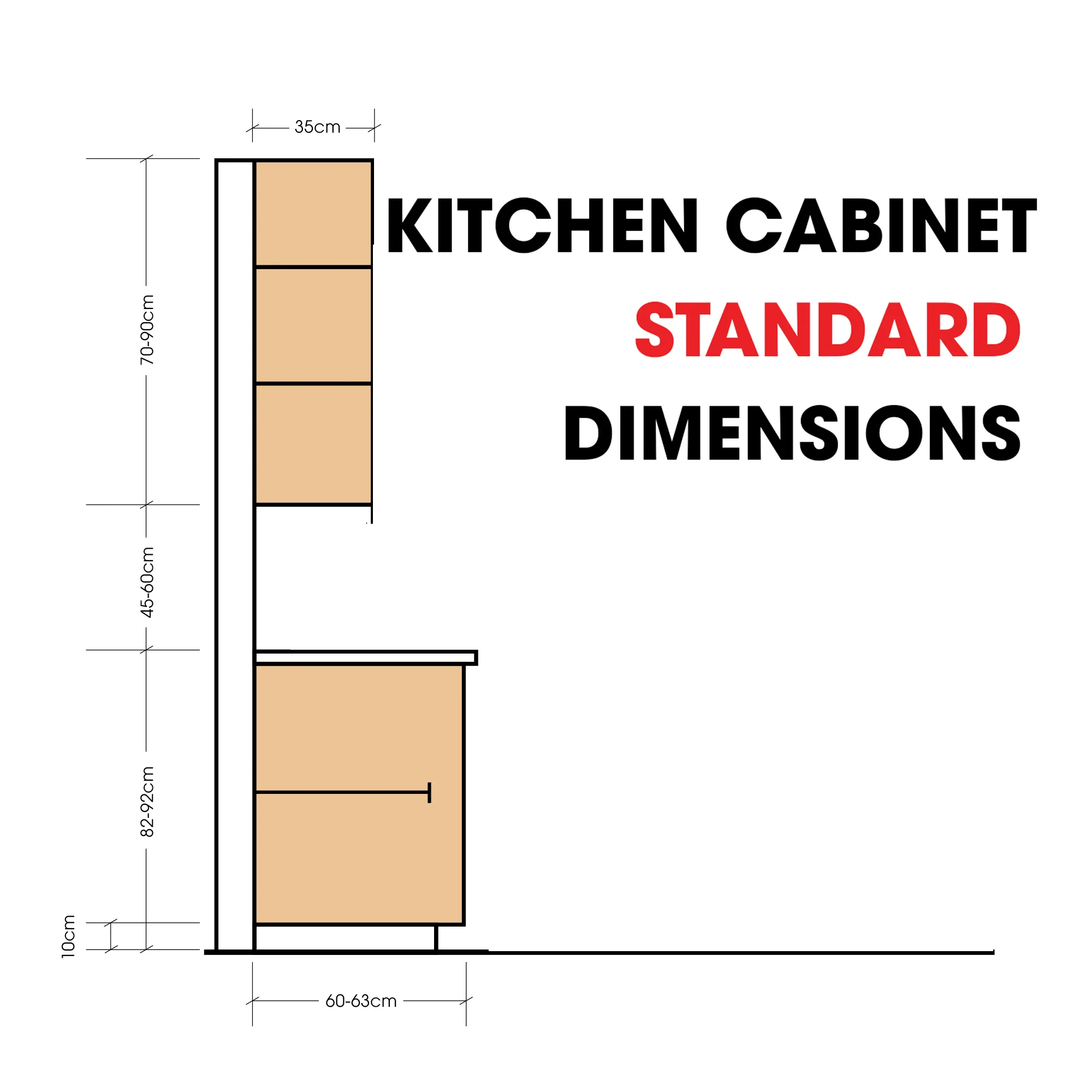
Image Source: guilincabinets.com
Deciphering Standard Cabinet Dimensions
Kitchen cabinets are the backbone of any kitchen, providing storage and defining the space’s style. While custom cabinetry offers limitless possibilities, understanding standard kitchen cabinet size is essential for homeowners embarking on renovations or new builds. These standard dimensions are borne out of decades of practical use, ergonomic considerations, and the typical sizes of kitchen appliances. Let’s break down the most common kitchen cabinet measurements.
Base Cabinet Depth: The Foundation of Your Kitchen
Base cabinets, sitting on the floor and supporting your countertops, are arguably the most critical component of kitchen cabinetry. Their depth is a primary factor in determining counter space, appliance fit, and overall workflow.
The Typical Base Cabinet Depth
The most common base cabinet depth is 24 inches. This depth is ideal for several reasons:
- Countertop Support: A 24-inch deep cabinet provides ample support for standard countertops, which typically overhang the cabinet by 1 to 1.5 inches. This overhang is crucial for comfortable use and aesthetic appeal.
- Appliance Integration: Most standard kitchen appliances, such as refrigerators, dishwashers, and ranges, are designed to fit within or alongside 24-inch deep cabinets. A dishwasher, for instance, is usually around 24 inches deep. A standard refrigerator might be 25-33 inches deep, with the counter depth cabinets creating a more flush look.
- Storage Capacity: This depth allows for generous storage within drawers and shelves, accommodating pots, pans, small appliances, and bulk food items.
- Ergonomics: The 24-inch depth, when combined with standard countertop heights, creates an efficient workspace for food preparation.
Counter Depth Cabinets: A Sleeker Profile
While 24 inches is the standard, counter depth cabinets offer a shallower alternative, typically measuring 21 to 23 inches deep. These are often chosen for specific aesthetic or space-saving reasons:
- Flush Appearance: When paired with a standard countertop that overhangs, counter depth cabinets create a more flush, integrated look with the countertop edge, offering a high-end, streamlined appearance.
- Walkway Clearance: In smaller kitchens or high-traffic areas, a slightly shallower cabinet can provide a bit more clearance for walkways, improving flow and preventing accidental bumps.
- Appliance Compatibility: Counter depth refrigerators are specifically designed to align with the shallower profile of these cabinets, creating a seamless built-in look.
It’s important to note that while the cabinet box itself might be shallower, the countertop will still typically extend beyond the cabinet face. Therefore, standard counter depth in terms of the finished countertop surface is usually around 25 to 25.5 inches, accounting for the cabinet depth and the overhang.
Variations in Base Cabinet Dimensions
While 24 inches is the norm, you might encounter slight variations or specific design choices:
- Island Base Cabinets: Base cabinets used for kitchen islands can sometimes be shallower (e.g., 18 or 21 inches) to allow for comfortable seating or to maximize circulation space around the island.
- Custom Solutions: For unique kitchen layouts or specific storage needs, custom base cabinets can be ordered in depths outside the standard range.
Wall Cabinet Depth: Reaching for Storage
Wall cabinets, mounted above the countertop, primarily serve for storing lighter items, glassware, dishes, and less frequently used kitchenware. Their depth is a balance between storage capacity and accessibility.
The Standard Wall Cabinet Depth
The most common wall cabinet depth is 12 inches. This measurement is standardized for several key reasons:
- Accessibility: A 12-inch depth allows most users to easily reach items stored on the shelves without excessive stretching.
- Clearance Above Countertops: When mounted at standard heights (typically 18 inches above the countertop), a 12-inch deep wall cabinet does not obstruct the primary workspace, allowing for comfortable movement and tasks like chopping or mixing.
- Storage of Common Items: This depth is perfectly suited for storing plates, bowls, glasses, mugs, and many pantry staples.
- Aesthetics: A 12-inch depth maintains a visually pleasing proportion with the base cabinets and countertops, avoiding an overly bulky appearance.
Considerations for Wall Cabinet Depth
While 12 inches is standard, some situations might call for different depths:
- Deeper Wall Cabinets: In some cases, deeper wall cabinets (e.g., 15 or 18 inches) might be used, especially in larger kitchens or where maximizing storage is a priority. However, this can impact accessibility and the perceived openness of the kitchen. If you opt for deeper wall cabinets, consider the reachability of items placed at the back.
- Shallower Wall Cabinets: Very shallow wall cabinets (e.g., 6 or 8 inches) are sometimes used for decorative purposes or for storing very specific items like spice racks or small decorative pieces.
Cabinet Height and Width: Completing the Kitchen Cabinet Size Picture
Beyond depth, the height and width of kitchen cabinets are equally important in defining your kitchen’s layout and functionality.
Standard Cabinet Heights
- Base Cabinets: Standard base cabinets are typically 34.5 inches tall. When combined with a 1.5-inch thick countertop, this brings the total countertop height to the standard 36 inches.
- Wall Cabinets: Wall cabinets come in various standard heights, commonly 30 inches, 36 inches, and 42 inches. The choice of height often depends on the ceiling height and the desired aesthetic. For example, 42-inch cabinets can reach closer to standard 8-foot ceilings, maximizing storage.
Standard Cabinet Widths
Cabinet widths are highly variable, as they are often the most customized dimension. However, standard widths typically range from 9 inches to 36 inches in increments of 3 inches (e.g., 9″, 12″, 15″, 18″, 21″, 24″, 27″, 30″, 33″, 36″). Wider cabinets, especially for pantries or specific storage needs, are also available.
- Base Cabinets: Common base cabinet widths include 18″, 24″, 30″, and 36″. Wider cabinets are often used for sink bases or large drawer units.
- Wall Cabinets: Similar to base cabinets, wall cabinets are available in a range of widths from 9″ to 36″ and beyond.
The Impact of Cabinet Depth on Your Kitchen
Knowing how deep are kitchen cabinets is more than just a trivia point; it directly influences your kitchen’s functionality and your daily experience.
Workflow and Ergonomics
The depth of your base cabinets directly impacts your workspace. The standard 24-inch depth, combined with a countertop overhang, creates a comfortable and efficient area for meal preparation. If your base cabinets are too shallow, you might find yourself leaning too far forward. If they are excessively deep, reaching the back of shelves or drawers can become a challenge.
Appliance Fit
As mentioned, appliance dimensions are often designed around standard cabinet depths.
- Refrigerators: Standard refrigerators are often deeper than 24 inches. To achieve a built-in look without custom cabinetry, a counter depth refrigerator is specifically designed to align with the front of your cabinets. If you opt for a standard-depth refrigerator, it will protrude past your countertops and cabinet fronts.
- Dishwashers: Most dishwashers are designed to fit into a 24-inch wide and approximately 34.5-inch tall opening, with a depth that works seamlessly with standard base cabinets.
- Ranges and Cooktops: Freestanding ranges are typically 27-30 inches deep, while slide-in ranges are designed to sit flush with the front of standard cabinets and countertops. Cooktops, installed within the countertop, have their own specific cutout dimensions.
Storage Potential
The depth of your cabinets dictates how much you can store. Deeper cabinets offer more storage volume, but accessibility becomes a concern. Pull-out shelves, drawer organizers, and lazy susans can help maximize the usability of deeper cabinets.
Aesthetics and Space Perception
The depth of cabinets can also affect the perceived size and openness of your kitchen. Shallower cabinets, particularly in wall units, can make a smaller kitchen feel more spacious. Conversely, very deep or bulky cabinets might make a kitchen feel more enclosed.
Making Informed Choices: Kitchen Cabinet Measurements for Your Home
When planning your kitchen, consider the following to ensure your cabinet choices are well-suited to your needs and space:
Measure Your Space Accurately
Before even looking at cabinet options, meticulously measure your kitchen. Note the dimensions of walls, existing plumbing, electrical outlets, windows, and doors. This will help you determine the best layout and identify any potential conflicts with standard kitchen cabinet measurements.
Consider Your Lifestyle and Needs
- Storage Needs: Do you have a large family with lots of groceries? Do you bake frequently and need space for appliances? Your storage requirements will influence the type and size of cabinets you choose.
- Cooking Habits: How do you use your kitchen? Do you need ample counter space for prep? Are you an avid cook who needs easy access to frequently used items?
- Appliance Choices: If you have specific appliances in mind, research their dimensions and ensure they will integrate well with your chosen cabinet depths and widths.
Think About the Flow and Ergonomics
Walk through your planned kitchen layout in your mind. Can you easily move between different work zones (e.g., refrigerator to sink to stove)? Can you comfortably reach everything you need? The standard dimensions are a good starting point, but your personal comfort and efficiency should guide your decisions.
Material and Style Considerations
While this discussion focuses on dimensions, remember that cabinet depth is just one aspect. The material, door style, and finish will significantly impact the overall look and feel of your kitchen.
Common Myths and Misconceptions
- All Cabinets are the Same Depth: This is false. While there are standards, variations like counter depth cabinets exist for specific aesthetic and functional purposes.
- Deeper is Always Better for Storage: Not necessarily. Extreme depth can lead to lost items and wasted space if not managed with effective organization solutions.
Maximizing Your Cabinet Space
Regardless of the standard dimensions you choose, smart organization can transform your cabinet space.
- Drawer Systems: Opt for full-extension drawers in base cabinets. They offer easier access to items stored at the back.
- Pull-Out Shelves: Installing pull-out shelves in deeper cabinets can prevent items from getting lost in the abyss.
- Tiered Organizers: Utilize tiered shelving for spices, cans, or mugs to maximize vertical space within cabinets.
- Corner Solutions: For corner base cabinets, consider lazy susans or pull-out corner solutions to make that often-awkward space accessible.
Conclusion: The Importance of Knowing Your Kitchen Cabinet Size
The depth of standard kitchen cabinets, typically 24 inches for base units and 12 inches for wall units, is a fundamental aspect of kitchen design. These standard cabinet dimensions are not arbitrary; they are carefully considered to balance storage, appliance compatibility, workflow, and aesthetics. By understanding how deep are kitchen cabinets and the implications of these kitchen cabinet measurements, you can make informed decisions that lead to a more functional, efficient, and enjoyable kitchen space. Whether you’re opting for a complete renovation or just updating a few elements, paying attention to these details will ensure your kitchen not only looks good but also works perfectly for your everyday life.
Frequently Asked Questions (FAQ)
Q1: What is the standard depth for base kitchen cabinets?
A1: The standard depth for base kitchen cabinets is 24 inches. This depth provides good counter support and accommodates most standard appliances.
Q2: What is counter depth cabinets?
A2: Counter depth cabinets are typically shallower than standard base cabinets, usually measuring 21 to 23 inches deep. They are designed to create a more flush appearance with the countertop edge and often pair with counter depth refrigerators for a built-in look.
Q3: How deep are standard wall cabinets?
A3: Standard wall cabinets are typically 12 inches deep. This depth balances storage capacity with accessibility and maintains adequate clearance above countertops.
Q4: Can I use deeper wall cabinets than the standard 12 inches?
A4: Yes, you can use deeper wall cabinets (e.g., 15 or 18 inches), but consider how this might affect accessibility and the perceived openness of your kitchen. It’s important to be able to reach items stored in them easily.
Q5: What is the standard height of base cabinets?
A5: Standard base cabinets are usually 34.5 inches tall. When a 1.5-inch countertop is added, the total countertop height becomes the standard 36 inches.
Q6: What are typical kitchen cabinet depths if I want a more streamlined look?
A6: For a more streamlined look, you might consider counter depth cabinets, which are typically 21-23 inches deep for base units. This allows the countertop to sit more flush with the cabinet front.
Q7: Why is cabinet depth important for appliance fit?
A7: Appliance dimensions are often designed with standard cabinet depths in mind. For example, dishwashers and refrigerators are manufactured to fit within or align with standard 24-inch deep cabinets. Using non-standard depths may require specific appliance models or result in them protruding or not fitting correctly.
Q8: How do I determine the best kitchen cabinet size for my home?
A8: To determine the best kitchen cabinet size, measure your kitchen space thoroughly, consider your storage needs and cooking habits, and think about the workflow and ergonomics of your planned layout. Research appliance dimensions to ensure compatibility.
Q9: What are the common kitchen cabinet measurements beyond depth?
A9: Beyond depth, common kitchen cabinet measurements include standard heights (34.5″ for base, 30-42″ for wall) and widths (ranging from 9″ to 36″ or more, often in 3″ increments).
Q10: Will shallower cabinets reduce my storage space significantly?
A10: Shallower cabinets will reduce the overall volume of storage compared to deeper cabinets. However, they can improve accessibility and make a kitchen feel more open. The impact on storage depends on what you plan to keep in them; items like dishes and glassware are perfectly suited for shallower cabinets.