Kitchen drawers come in many sizes. People often ask, “How deep are kitchen drawers?” The typical depth for kitchen drawers is based on the cabinet they fit into. For standard base cabinets, which are cabinets that sit on the floor, the outside depth is usually 24 inches. This means the drawer boxes inside will be less deep. The usable depth, or the internal drawer depth or drawer box depth, is often around 21 inches to 23 inches. This space is from the front inside wall of the drawer to the back inside wall. This standard kitchen drawer depth lets drawers fit in the common 24-inch deep base cabinets while leaving space behind the drawer for the parts that help it slide in and out. So, while the cabinet box is 24 inches deep, the drawer box you use for storage is usually a few inches less.
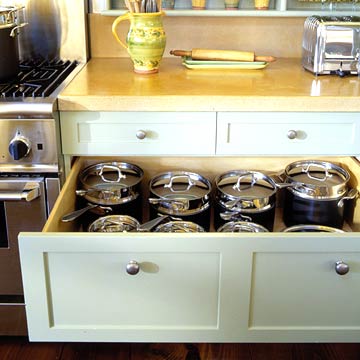
Image Source: www.livesimplybyannie.com
Grasping Drawer Depth Basics
Knowing about drawer depth helps you plan your kitchen storage. It means knowing how much usable space you have inside a drawer. It also means knowing how the drawer fits inside the whole cabinet.
Kitchen cabinets have standard sizes. Kitchen cabinet sizes include width, height, and depth. For base cabinets, the ones on the floor, the standard depth is usually 24 inches. But this is the depth from the cabinet front to the cabinet back on the outside. The inside space is less. Drawer slides and the cabinet’s back wall take up some room.
So, when we talk about kitchen base cabinet drawer depth, we often mean the depth of the actual drawer box that holds your things. This internal drawer depth is key. It tells you if your big frying pan or your stack of plates will fit laying flat.
Common Drawer Dimensions
Kitchen drawers come in different heights and widths, but their depth is mostly set by the cabinet depth.
- Standard Cabinet Depth: Most base cabinets are about 24 inches deep from the outside face to the outside back. Countertops add about 1.5 inches to the front, making the total depth about 25.5 inches.
- Usable Drawer Depth: The drawer box inside this 24-inch cabinet is typically around 21 to 23 inches deep. This is the drawer box depth. Some deeper custom cabinets might have deeper drawers.
Here is a simple look at common depths:
| Cabinet Type | Outside Cabinet Depth | Typical Usable Drawer Depth (Internal Depth) |
|---|---|---|
| Standard Base | 24 inches | 21 to 23 inches |
| Deep Base (Less Common) | 27 or 30 inches | 24 to 27 inches |
| Wall Cabinets | 12 to 15 inches | Not common for deep drawers |
These numbers are typical. They can change a bit depending on the cabinet maker. Custom cabinets can be any size.
Deciphering Average Kitchen Drawer Dimensions
Average kitchen drawer dimensions include width, height, and depth. The width changes a lot based on the cabinet width. Cabinet widths range from 9 inches up to 48 inches or more in steps of 3 inches. Drawer height also changes.
- Width: Drawer width is less than the cabinet width. You need space for the drawer slides on the sides. For example, a 30-inch wide base cabinet might have drawers about 27 inches wide on the inside.
- Height: Drawer height depends on what it is meant to hold. Shallow drawers are good for utensils. Deep drawers are good for pots. Heights can range from about 3 inches for shallow ones to 10 inches or more for deep ones.
- Depth: As we saw, the depth is usually 21 to 23 inches inside a standard 24-inch deep base cabinet.
So, average kitchen drawer dimensions for a drawer in a common base cabinet could be something like 27 inches wide, 6 inches high, and 22 inches deep (internal). These are just averages. Real sizes vary.
Why Drawer Depth Matters for Storage
The internal drawer depth directly impacts how you can use the drawer. More depth means you can store bigger items or store items front-to-back more easily.
- Shallow drawers: These are usually the top drawers. They are great for forks, knives, spoons, and other small tools. Their limited depth means items don’t get lost in the back. Shallow kitchen cabinet drawers are key for organizing small items.
- Deep drawers: These are lower drawers. They are perfect for storing large items like pots, pans, lids, mixing bowls, or small appliances. Deep kitchen cabinet drawers can hold a lot. You can stack items or place them on their side.
Choosing the right mix of shallow and deep drawers helps you use your kitchen space well. Think about what you need to store before you pick cabinets.
Different Types of Deep Storage
Not all deep storage is a traditional drawer. Some base cabinets have roll-out shelves. These are like shallow drawers that pull out from inside a cabinet.
- Roll-out shelves: These pull-out shelves are often put in cabinets that have doors instead of drawers. They make it easier to reach things stored at the back of a deep cabinet. Roll out kitchen drawer dimensions are similar to shallow drawer depths, maybe 20-22 inches deep, and they often fill the full width of the cabinet opening. They are good for appliances or large containers.
While technically not always “drawers” in the traditional sense (they might not have tall sides), roll-out shelves offer a deep storage solution. They use the full depth of the cabinet space.
How to Measure Kitchen Drawers Accurately
If you need to replace a drawer or buy organizers, you need accurate measurements. Knowing how to measure kitchen drawers is important. You need a tape measure.
Here’s how to measure the important parts:
- Measure the Width: Measure the inside width of the drawer box. Measure from the inside of one side wall to the inside of the other side wall. Do this at the widest point. This gives you the usable width.
- Measure the Height: Measure the inside height of the drawer box. Measure from the inside bottom of the drawer to the top edge of the side wall. This tells you how tall an item can be to fit inside the box.
- Measure the Depth: Measure the inside depth of the drawer box. Measure from the inside of the front wall to the inside of the back wall. Measure along the bottom of the drawer. This gives you the internal drawer depth or drawer box depth.
- Measure the Drawer Face (Front Panel): Measure the total width and height of the front panel that you see from the outside. This is not part of the storage space but is needed if you replace the whole drawer.
- Measure the Cabinet Opening: If you plan to add new drawers or roll-outs, measure the width and height of the opening in the cabinet frame. Measure from the inside of the frame on each side and from the bottom edge to the top edge. Also, measure the total inside depth of the cabinet box from the front frame to the inside back wall. This helps you find the right size drawer or slide system.
Measuring the internal drawer depth is key for organizers. Measuring the cabinet depth and opening is key for adding new drawers or changing them.
Factors Affecting Drawer Depth
Several things decide the final drawer box depth:
- Cabinet Depth: This is the main factor. A deeper cabinet can hold a deeper drawer. Standard base cabinets are 24 inches deep. This leads to the common 21-23 inch internal depth.
- Drawer Slide Type: The type of slides used affects the space needed behind the drawer box. Full-extension slides, which let the drawer pull all the way out, need a certain amount of clear space at the back of the cabinet when the drawer is closed. This space reduces the possible depth of the drawer box.
- Drawer Box Construction: The thickness of the material used for the drawer sides and back slightly affects the internal drawer depth. Thicker materials mean less internal space for a given external box size.
- Drawer Face Thickness: The front panel attached to the drawer box also takes up some space in front of the cabinet frame when closed. This space is usually small but is part of the overall calculation for fitting the drawer system.
- Cabinet Construction: The way the cabinet box is built (face frame or frameless) can slightly affect the maximum possible drawer width and sometimes depth. Frameless cabinets often allow for wider drawers.
All these factors work together to decide the maximum possible size of the drawer box depth that can fit and work well in the cabinet.
Organizing Based on Depth
Knowing the internal drawer depth helps you pick the right organizers.
- Shallow Drawers (3-5 inches deep internally): Use flat organizers for cutlery, cooking tools, foil, wrap, and small gadgets. Look for trays or dividers that fit the width and depth of the drawer.
- Medium Drawers (6-9 inches deep internally): These can hold stacks of plates, bowls, or smaller pots. Vertical dividers can help store lids or baking sheets on their side.
- Deep Drawers (10+ inches deep internally): These are best for stacking pots, pans, Dutch ovens, or storing small appliances like blenders or mixers. Pegboard systems or deep dividers can keep items from shifting.
Choosing organizers that match your specific drawer box depth is important. An organizer that is too deep for a shallow drawer won’t fit. One that is too shallow for a deep drawer won’t use the space well.
Interpreting Kitchen Cabinet Sizes and Drawer Fit
When you look at kitchen cabinet sizes, remember that the given dimensions are usually for the cabinet box itself. They do not tell you the exact usable size of the drawers inside.
- A standard 24-inch deep base cabinet will almost always have drawers with an internal drawer depth that is less than 24 inches.
- A 30-inch wide cabinet will have drawers that are less than 30 inches wide.
This difference is for the structure of the cabinet and the drawer slides. Knowing this helps you read cabinet specifications correctly. It also helps you plan your storage needs based on the real usable space.
Expanding Storage with Deeper Cabinets
While 24 inches is the standard, some kitchens use deeper base cabinets. These might be 27 or even 30 inches deep.
- Deeper Base Cabinets: These cabinets offer much more storage space. Drawers in a 27-inch deep cabinet might have an internal drawer depth of around 24-25 inches. Drawers in a 30-inch deep cabinet could be 27-28 inches deep internally.
- Benefits: These deeper drawers are great for large families or people who cook a lot. They can hold more items or larger items more easily. A 28-inch deep drawer can store items front-to-back that wouldn’t fit in a 21-inch deep drawer.
- Drawbacks: Deeper cabinets take up more floor space. They also cost more. Reaching items at the very back of a very deep drawer can sometimes be hard, even with full-extension slides.
If space allows and budget permits, deeper base cabinets can significantly improve storage. They move storage from upper cabinets or pantries down to more accessible lower levels.
Shallow vs. Deep: Making the Right Choices
Choosing between shallow kitchen cabinet drawers and deep kitchen cabinet drawers depends on what you need to store.
- Shallow (e.g., top drawers):
- Best for: Utensils, silverware, cooking tools, junk drawer items, wraps (foil, plastic wrap).
- Pros: Items are easy to see and access. Small items don’t get buried.
- Cons: Cannot hold tall or bulky items.
- Deep (e.g., lower drawers):
- Best for: Pots, pans, lids, mixing bowls, small appliances, food storage containers, baking dishes, stacks of plates.
- Pros: Can hold large, heavy, or tall items. Maximizes vertical space within the drawer.
- Cons: Small items can get lost unless well-organized. Can be heavy when full.
Most kitchens need a mix. A common setup is a shallow top drawer over one or two deep drawers in base cabinets. This gives space for both small items and large ones. The average kitchen drawer dimensions for a base cabinet often reflect this mix of heights.
Roll-Out Shelves vs. Drawers
Sometimes, people use roll out kitchen drawer dimensions to describe pull-out shelves inside a cabinet. These are similar but different from true drawers.
- Drawers:
- Part of the cabinet front (have a drawer face).
- Pull out as a solid box.
- Often used in stacks (e.g., three drawers in one cabinet unit).
- Roll-Out Shelves:
- Sit behind a cabinet door.
- Pull out like a tray.
- Usually have lower sides than a drawer box.
- Make items at the back of a deep cabinet easier to reach.
- Often used in pantry cabinets or deep base cabinets with doors.
Both use the full depth of the cabinet space (minus slide clearance). A roll out kitchen drawer dimension for depth will be similar to the maximum internal drawer depth possible in that cabinet. The choice depends on how you want to access items. Drawers offer easier top-down access when pulled out. Roll-out shelves work well for accessing items behind a door.
Optimizing Storage with the Right Depth
Using your standard kitchen drawer depth effectively is key to an organized kitchen. Don’t just fill drawers randomly.
- Group Similar Items: Keep all your baking supplies together, or all your spices (if using a spice insert).
- Use Dividers and Organizers: These are a must for both shallow and deep drawers. They stop things from sliding around. They help you use the full internal drawer depth and width.
- Stack Smartly: In deep drawers, stack items you use often on top. Use lid organizers for pot lids.
- Think About Access: Put items you use daily in the most convenient drawers (usually the top shallow ones or upper deep ones). Less used items can go in lower or less accessible drawers.
Maximizing the usable drawer box depth means finding storage solutions that fit snugly and help you arrange items logically.
Frequently Asked Questions
Here are some common questions about kitchen drawer depth.
h4 What is the standard depth of a kitchen drawer?
The standard kitchen drawer depth inside the drawer box itself is typically 21 to 23 inches. This is for drawers that fit into standard base cabinets which are about 24 inches deep on the outside.
h4 How deep are kitchen cabinet drawers usually?
Deep kitchen cabinet drawers are usually the lower drawers in a base cabinet. Their internal depth is often 8 inches or more, but their storage depth (front-to-back) is still limited by the cabinet depth, usually 21 to 23 inches in standard cabinets. The term “deep” here refers to the height of the drawer box sides, not the front-to-back measurement.
h4 What are average kitchen drawer dimensions?
Average kitchen drawer dimensions vary by cabinet size. For a typical base cabinet, a drawer might be around 27 inches wide, 6 inches high, and 22 inches deep internally. These are just examples; sizes change with cabinet width and drawer purpose.
h4 What is the difference between cabinet depth and drawer depth?
Cabinet depth is the measurement from the outside front of the cabinet box to the outside back. Drawer depth is the measurement from the inside front of the drawer box to the inside back (internal drawer depth or drawer box depth). The internal drawer depth is always less than the cabinet depth because of the cabinet structure, drawer slides, and drawer face.
h4 How do I measure internal drawer depth?
To measure internal drawer depth, open the drawer fully. Use a tape measure to measure the distance from the inside face of the front of the drawer box to the inside face of the back of the drawer box. Measure at the bottom of the drawer for the most accurate usable depth.
h4 Can I get deeper drawers for standard cabinets?
No, you cannot get drawers that are deeper front-to-back than what the cabinet is designed for. A standard 24-inch deep cabinet can only fit a drawer system that works within that depth, allowing space for slides etc. You can get drawers with taller sides (making them “deep kitchen cabinet drawers” in height), but their front-to-back storage depth will still be limited by the cabinet.
h4 Are roll-out shelves the same depth as drawers?
Roll out kitchen drawer dimensions for depth are often similar to the maximum internal drawer depth possible in the same cabinet. They use the full depth of the cabinet space behind the door, just like a drawer box uses the depth behind the drawer face.
h4 Why are shallow kitchen cabinet drawers important?
Shallow kitchen cabinet drawers are important for organizing small, flat items like utensils, cutlery, and gadgets. Their limited height keeps these items from getting piled up and hard to find, making the drawer space very functional for specific needs.
h4 Does kitchen cabinet size affect drawer depth?
Yes, kitchen cabinet sizes, specifically the depth of the base cabinet (like the common 24-inch depth), are the main factor that decides the maximum possible standard kitchen drawer depth or internal drawer depth. Wider cabinets affect drawer width, not usually depth.
h4 What should I consider when buying drawer organizers for depth?
When buying organizers, always check the internal drawer depth of your specific drawers. Organizers come in various lengths to fit different drawer depths. Make sure the organizer’s depth fits within your drawer’s usable space. Also, check the height of the organizer if using it in shallow drawers.