Yes, you absolutely can use floor tile for kitchen countertops. While most often used on floors and walls, many types of floor tile, especially porcelain and some ceramics, are tough enough to be considered for countertop surfaces. However, choosing to use floor tile for kitchen countertops comes with a unique set of challenges and benefits that you must weigh carefully.
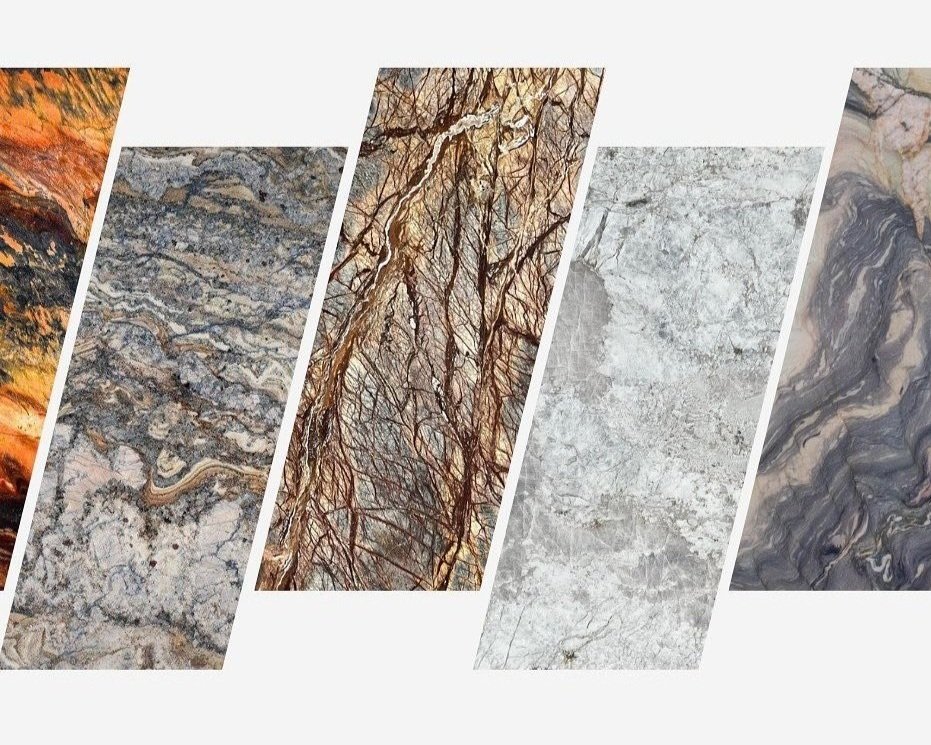
Image Source: images.squarespace-cdn.com
Why People Consider Using Floor Tile
Kitchen remodels cost a lot of money. Countertops can be one of the biggest expenses. People look for ways to save money without giving up style. Using floor tile can seem like a smart choice. It often costs less per square foot than stone slabs or solid surfaces. There are many colors, patterns, and sizes. This gives you lots of design choices. It lets you create a unique look.
Looking at Floor Tile Countertop Pros and Cons
Choosing floor tile for your counter has good and bad points. You need to know both sides. This helps you make the right choice for your home and how you use your kitchen.
Pros: The Good Points
- Lower Cost: This is a big reason people pick tile. It is often much cheaper than granite, quartz, or marble slabs. This helps lower the total cost of your kitchen update.
- Many Design Choices: Tile comes in endless styles. You can find colors, patterns, and textures for any look. You can use small mosaic tiles or large format tiles. You can make your counter look just how you want it.
- Good Heat Resistanc: Most tile, especially porcelain and ceramic, handles heat well. You can often place hot pots and pans on the surface without damage. This is a big plus in a kitchen.
- Scratch Resistance: Hard tiles, like porcelain, resist scratches quite well. They can stand up to normal kitchen use.
- DIY Potential: For people who like to do projects themselves, a tile counter can be a possible job. While it takes skill, it is more likely to be a DIY job than installing a stone slab.
Cons: The Bad Points
- Grout Lines: This is the biggest downside. Grout is the material between the tiles. It is rough and takes in spills. It can stain easily. It can be hard to keep clean. Grout lines also create an uneven surface. This can be tricky when rolling dough or setting down glasses.
- Durability Concerns (Beyond the tile): While the tile surface might be tough, the structure is not like a solid slab. Hard impacts can chip or crack tiles. Fixing one tile can be difficult.
- Installation Difficulty: While DIY is possible, getting it right is hard. You need a perfectly flat base. Cutting tiles needs special tools. Placing them evenly takes skill. A poor job looks bad and will not last.
- Sanitary Issues: Grout is not smooth. It can trap food bits and germs. Even with sealing, it needs careful and regular cleaning to be sanitary. This is a main worry for kitchen counters.
- Resale Value: Tile counters are often seen as a lower-cost option. They may not add as much value to your home as stone or solid surface counters.
Comprehending Tile Kitchen Countertop Installation
Installing a tile countertop is not just gluing tiles onto a surface. It needs careful steps to make sure it is strong, level, and lasts.
Key Steps for Installing Tile Counters
- Build the Base: You need a strong, flat base. This is often made from plywood or cement board. The base must support the weight and stay stable.
- Add a Backer Board: A layer of cement board is usually placed over the wood base. This gives a stable surface for the tile and protects the wood from water. Special screws hold it down. All joints are taped and sealed.
- Plan the Layout: Before you set tiles, figure out where they will go. Lay them out dry first. Decide where cuts will be needed. Plan for the edges. This prevents mistakes.
- Set the Tiles: Apply thin-set mortar to small areas of the backer board. Use a notched trowel to spread it evenly. Place the tiles firmly into the mortar with a slight twist. Use tile spacers to keep lines even.
- Cut Tiles: You will need to cut tiles to fit edges, sinks, and corners. A wet saw is the best tool for this. It makes clean cuts and keeps dust down.
- Let it Cure: The thin-set mortar must dry completely. This usually takes at least 24 hours. Do not disturb the tiles during this time.
- Apply Grout: Once the mortar is dry, mix and apply the grout. Push it into the spaces between tiles with a grout float. Wipe away the extra grout from the tile surfaces with a wet sponge.
- Clean and Seal: After the grout dries (check product instructions, usually 24-72 hours), clean the tile and grout well. Then, apply a grout sealer. You might also need to seal the tile itself, depending on the type.
DIY Tile Countertop Projects
Doing a tile counter yourself can save money. But it requires skill and patience. You need the right tools: a wet saw, notched trowel, grout float, level, spacers, buckets, and sponges. Watch videos, read guides, and maybe practice on a small area first. Getting the base flat is crucial. Setting tiles straight takes practice. Grouting can be messy. If you are not comfortable with these steps, hiring a pro is a better idea.
Assessing Tile Countertop Durability
How long a tile countertop lasts depends on several things. The type of tile matters a lot. So does the quality of the installation. How you use and care for it also plays a big role.
Factors Affecting Life Span
- Tile Type: Porcelain tiles are very dense and hard. They resist water, scratches, and chips better than many ceramic tiles. Look for tiles with a high PEI rating (Porcelain Enamel Institute). A PEI of 4 or 5 means it is suitable for heavy use areas, like floors or counters.
- Installation Quality: A strong, stable base is key. If the base moves or is uneven, tiles can crack. Using the right mortar and grout helps. Proper sealing protects the grout.
- Usage: Kitchen counters get heavy use. Dropping heavy items can chip or crack tiles. Sliding rough objects can scratch the surface (though less likely with porcelain). Being careful helps your counter last longer.
- Maintenance: Regular cleaning and sealing are vital. This protects the grout and keeps the surface looking good.
In general, a well-installed and well-cared-for tile countertop made from durable tile like porcelain can last many years. However, the grout lines might need more care and could show wear over time compared to a solid surface.
Deciphering Grout Lines in Tile Countertops
Grout lines are the most talked-about part of tile counters. They are both needed and a problem.
The Role of Grout
Grout fills the spaces between tiles. It holds them in place and helps the surface resist water. Without grout, the counter would not be stable, and spills would go right through.
The Problems with Grout
- Staining: Grout is porous, meaning it has tiny holes. Liquids, food spills (like wine, coffee, oil), and dirt can soak in. This causes stains that are hard to remove.
- Cleaning: The texture of grout is rough. It is not smooth like the tile. Food particles, grease, and germs can get stuck in the tiny pores and texture. Wiping a cloth over it doesn’t always get it perfectly clean.
- Uneven Surface: The grout lines are lower than the tile surface. This creates an uneven workspace. This can be annoying for tasks that need a flat surface, like kneading dough or writing.
- Wear and Tear: Grout can crack or crumble over time, especially in high-use areas.
Minimizing Grout Issues
- Use Darker Grout: Darker colors show stains less than light colors like white.
- Use Epoxy Grout: Epoxy grout is less porous and more stain-resistant than standard cement-based grout. It is harder to install and more expensive, but it is much better for counters.
- Keep Grout Lines Thin: Using rectified tiles (cut precisely for very straight edges) allows for thinner grout lines. Thinner lines mean less grout area to clean.
- Seal Grout Regularly: Sealing is a must. It puts a protective layer over the grout to help block stains.
Sealing Tile Kitchen Countertops
Sealing is a critical step for any tile countertop, especially for the grout. Skipping this step leads to stains and makes cleaning much harder.
What Needs Sealing?
- Grout: All cement-based grout must be sealed. Even epoxy grout benefits from specific sealers that can repel oil.
- Tile: Some tiles are porous and need sealing, like natural stone (if you happened to use it) or some unglazed ceramics. Glazed ceramic and porcelain tiles are usually not porous and do not need sealing themselves, but check the manufacturer’s info.
How to Seal
- Clean Thoroughly: The surface must be perfectly clean and dry before sealing. Any dirt or stains will be sealed in! Use a grout cleaner if needed. Rinse well and let it dry completely (often 24 hours).
- Apply Sealer: Use a good quality penetrating grout sealer. These soak into the grout pores. Apply it to the grout lines using a small brush or applicator bottle.
- Wipe Excess: Wipe any sealer off the tile surface right away before it dries. If it dries on the tile, it can leave a hazy film.
- Apply Second Coat (if needed): Some sealers need a second coat after a specific drying time. Check the product directions.
- Keep Dry: Keep the counter dry for the time the sealer needs to cure. This is often 24-72 hours.
How Often to Seal
How often you need to reseal depends on the type of sealer, the type of grout, and how much you use and clean the counter. As a general rule, you should test the seal every 6-12 months. Put a few drops of water on the grout. If the water beads up, the seal is still working. If it soaks in and darkens the grout, it is time to reseal.
Focusing on Porcelain Tile for Countertops
Porcelain tile is often the best choice if you decide to use tile for a kitchen countertop. It has properties that make it more suitable than standard ceramic or other tile types.
Why Porcelain is a Good Option
- Low Porosity: Porcelain is made using finer clay fired at higher temperatures than ceramic. This makes it very dense and less porous. It absorbs very little water. This makes it more stain-resistant than ceramic tile.
- High Durability: It is very hard and resistant to scratches, impacts, and wear. A high-quality porcelain tile with a PEI of 4 or 5 can stand up to kitchen tasks well.
- Heat Resistance: Like ceramic, porcelain handles hot items well.
- Through-Body Options: Some porcelain tiles are “through-body.” This means the color goes all the way through the tile, not just on the surface glaze. If a small chip occurs, the color underneath is the same, making the damage less noticeable.
Things to Consider with Porcelain
- Hardness: While durable, this hardness makes it more difficult to cut. You need a good wet saw with a diamond blade.
- Weight: Porcelain tiles can be heavier than ceramic ones, which needs to be factored into the strength of the counter base.
- Cost: Porcelain tiles are generally more expensive than basic ceramic tiles, though still often cheaper than slab materials.
If you go with tile, choosing a large format, high-quality porcelain tile with rectified edges (for thinner grout lines) and using epoxy grout offers the best chance for a durable and relatively easy-to-maintain surface.
Mastering Tile Countertop Maintenance
Keeping a tile counter looking good and staying clean requires regular effort. The focus is mostly on the grout.
Daily Cleaning
Wipe spills as soon as they happen, especially on grout lines. Use a soft cloth or sponge with mild dish soap and warm water. Avoid harsh chemicals, which can damage the grout or the sealer.
Deeper Cleaning
For the tile surface itself, general cleaning is easy. For grout lines that look dirty or stained, you might need a dedicated grout cleaner. Choose one safe for your type of grout (cement or epoxy) and safe for the sealer. A small brush, like a stiff nylon brush or even a toothbrush, can help scrub grout lines. Always rinse well after cleaning.
Dealing with Stains
Act quickly on stains. For stubborn stains on grout, make a paste of baking soda and water. Apply it to the stain, let it sit, then scrub gently and rinse. For tougher stains, a poultice (a paste that helps draw out the stain) might be needed. Test any cleaning method in a small, hidden area first.
Resealing
Remember to test your grout seal regularly (every 6-12 months) and reseal when needed. This is the most important step in preventing long-term staining issues.
Answering: Are Tile Countertops Sanitary?
This is a major concern for many people. Are tile countertops sanitary? The answer is that they can be, but they require diligent effort, mainly because of the grout.
The Grout Issue
Grout’s porous nature and rough texture make it a place where bacteria and germs can live. Food particles, liquids, and moisture can get trapped in the tiny holes and rough surface. This makes grout much harder to sanitize than a smooth, non-porous surface like sealed stone or solid surface materials.
Making Tile Counters More Sanitary
- Seal Grout Properly: A good sealer helps create a barrier that makes it harder for liquids and bacteria to get into the grout pores. Use a high-quality penetrating sealer.
- Use Epoxy Grout: Epoxy grout is non-porous and resists staining and bacterial growth much better than cement grout. It is a far more sanitary choice.
- Clean Regularly and Thoroughly: Wipe down the counter daily, paying extra attention to the grout lines. Use cleaning products that kill bacteria.
- Wipe Spills Quickly: Do not let spills sit on the grout. Clean them up right away.
- Consider Grout Color: While dark grout doesn’t prevent germs, it hides stains better, which might make the counter appear cleaner, but sanitation is about what you can’t see.
- Choose Large Format Tiles: Fewer tiles mean fewer grout lines, reducing the total area where germs can hide.
So, while a smooth surface is naturally more sanitary and easier to clean completely, a tile countertop can be kept sanitary with the right materials (like epoxy grout and porcelain tile) and consistent cleaning and sealing.
Looking at Tile vs Other Countertop Materials
How does tile compare to other popular kitchen countertop options? Here is a quick look:
Tile vs. Granite
- Tile: Cheaper, more patterns/colors (individual tiles), grout lines are a cleaning issue, can chip or crack easier.
- Granite: More expensive, seamless slab surface, needs sealing (but only on the stone itself), very durable, less prone to chipping than individual tiles. Seen as higher end.
Tile vs. Quartz
- Tile: Cheaper, heat resistant.
- Quartz: More expensive, non-porous (very sanitary, no sealing needed), highly stain and scratch resistant, consistent color/pattern, not as heat resistant as tile (can be damaged by hot pots). Seen as very low maintenance and modern.
Tile vs. Laminate
- Tile: More heat and scratch resistant, many design options.
- Laminate: Cheapest option, very easy to clean (seamless), many patterns (can mimic stone/wood), but can scratch, scorch, and chip easily, hard to repair.
Tile vs. Solid Surface (like Corian)
- Tile: More heat resistant, cheaper.
- Solid Surface: Mid-range price, seamless look, repairable (scratches can often be sanded out), non-porous (sanitary), not as heat resistant as tile, can scratch.
Tile offers a budget-friendly way to get a custom look and good heat resistance. But you trade the ease of cleaning and the seamless durability of other materials for those benefits.
Considering the Lifespan of a Tile Countertop
How long will a tile countertop last in your kitchen? There is no single answer. It depends on the tile type, installation quality, and how it is used and cared for.
Expected Performance
- Well-Done Job with Quality Materials: A countertop using high-grade porcelain tile and epoxy grout, installed correctly on a solid base, and regularly maintained, can last for many years, maybe even a decade or more, before looking worn.
- DIY or Budget Materials: A less professional installation, or using basic ceramic tile and standard grout without proper sealing, might start showing wear, stains, chips, and crumbling grout within just a few years.
The tile itself (especially porcelain) is often very durable. The weak point is almost always the grout.
The Verdict: Is Tile Right for Your Counter?
Using floor tile for kitchen countertops is possible and can save money while offering many design choices. It is a project that DIYers can take on with care. However, you must be ready for the downsides, especially the challenges of keeping grout lines clean and sanitary.
If you:
* Are on a tight budget.
* Love a specific tile look you cannot get in other materials.
* Are willing to commit to regular cleaning and maintenance, especially grout sealing.
* Maybe considering large format porcelain tiles and epoxy grout.
Then a tile countertop could be a good choice for you.
If you:
* Want the easiest possible cleaning.
* Need a perfectly smooth surface for baking or other tasks.
* Do not want to worry about staining grout lines.
* Are looking for the highest possible resale value.
Then you might be happier with a different countertop material.
It is a choice that balances cost and style against upkeep and potential issues with cleanliness in the grout lines.
Frequently Asked Questions About Tile Countertops
Here are answers to common questions about using tile for kitchen counters.
h5 Can floor tile be used on counters?
Yes, you can use floor tile, especially durable types like porcelain, for kitchen countertops.
h5 Is tile a cheap countertop option?
Compared to natural stone slabs or quartz, tile is often a more budget-friendly countertop material option.
h5 Do tile countertops chip easily?
Individual tiles can chip or crack if a heavy or sharp object is dropped on them. Porcelain tile is more resistant to this than ceramic.
h5 How do you clean tile countertops?
Clean daily with mild soap and water. For grout, use a brush and dedicated grout cleaner. Wipe spills quickly, especially on grout.
h5 How often should I seal tile grout on a counter?
Test the seal every 6-12 months by putting water on the grout. If it soaks in, reseal it.
h5 Are tile countertops hard to maintain?
Yes, compared to smooth, non-porous surfaces like quartz or solid surface, tile countertops require more maintenance, mainly because of cleaning and sealing the grout lines.
h5 Is porcelain tile good for kitchen counters?
Yes, porcelain tile is one of the best tile choices for counters because it is dense, less porous, and more durable than standard ceramic tile.
h5 Can I install a tile countertop myself?
Yes, DIY tile countertop installation is possible if you have the right tools, skills, and patience. However, getting a professional finish can be difficult.
h5 Are tile countertops sanitary?
They can be kept sanitary with proper cleaning, sealing, and ideally using epoxy grout. However, the grout lines are harder to keep perfectly clean than smooth, non-porous surfaces.
h5 How do tile countertops compare to granite?
Tile is generally cheaper and offers more patterns but has grout line issues. Granite is a more expensive, seamless slab that is very durable but requires sealing of the stone itself.