Can you use Drano on a kitchen sink safely? Generally, no, you should not use Drano on a kitchen sink. What happens if you put Drano in sink? It can cause bad chemical reactions, harm pipes, and create a safety risk. Is Drano safe for PVC pipes? While some Drano products say they are safe for PVC, the heat and chemicals can still damage these common plastic pipes over time. It’s better to use safer methods.
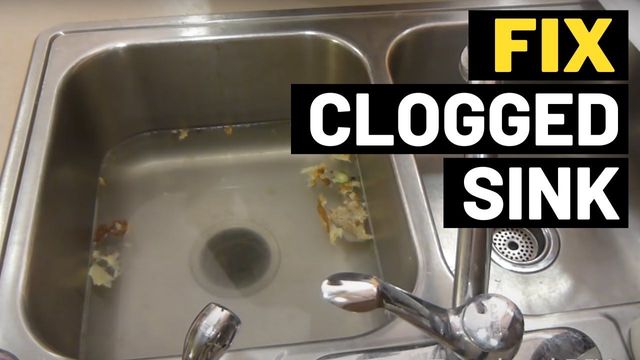
Image Source: lirp.cdn-website.com
What Drano Is
Drano is a product people use to clear drain clogs. It uses strong chemicals. These chemicals make heat and bubbles. This action can break down things blocking a pipe.
There are different types of Drano. Some are liquids. Some are gels. They all use harsh chemicals.
Why Kitchen Sinks Get Clogged
Kitchen sinks clog for special reasons. Food goes down the drain. Grease buildup kitchen drain is a very common cause.
Think about cooking oils and fats. When they are hot, they are liquid. They go down the drain easily. But as they cool, they get solid. They stick to the inside of the pipes.
Over time, more grease sticks. Food bits get stuck in the grease. This mix makes a tough clog.
Here are things that clog kitchen sinks:
- Grease and Fat: The main problem.
- Food Scraps: Coffee grounds, rice, pasta, vegetable peels.
- Soap Scum: Builds up slowly.
- Foreign Objects: Small things that fall in.
This greasy clog is hard to clear. It’s different from a bathroom clog. Bathroom clogs are often hair and soap. Kitchen clogs are mostly grease and food.
Figuring Out What Happens When You Use Drano
When you pour Drano down a kitchen drain, it reacts with the clog. It makes heat. It tries to dissolve the blockage.
The main chemicals in Drano are often lye (sodium hydroxide) or caustic potash (potassium hydroxide). Some types also have aluminum.
- Lye and caustic potash are bases. They react with fats and grease. They turn them into soap. This can help wash some grease away.
- The reaction makes heat. This heat can help melt some grease.
- If aluminum is in the mix, it reacts with the base. This makes hydrogen gas. The bubbles can help break up the clog.
This sounds good, right? Break down grease, make heat, make bubbles. But there are problems.
Problems Using Drano in Kitchen Sinks
Drano seems like a quick fix. But it can cause big problems.
- Pipe Damage: The heat Drano makes can be very high. This heat can soften or melt plastic pipes, like PVC. Metal pipes can also be hurt by the chemicals over time. Joints and seals are weak spots. Drano can damage them. This leads to leaks later. Is Drano safe for PVC pipes? Often, the answer is no in the long run, especially with repeated use or if it sits too long.
- Safety Risks: Drano chemicals are dangerous. They can burn skin and eyes. The fumes are bad to breathe. Mixing Drano with other cleaners is very dangerous. It can make poisonous gas. What happens if you put Drano in sink and it splashes back? Serious burns.
- Doesn’t Always Work: Kitchen clogs are often dense grease and food. Drano might only melt a small hole in the clog. It doesn’t clear the whole pipe. The clog is still there, just with a hole in it.
- Makes Clogs Worse: If Drano doesn’t clear the clog, it sits on top of it. Now you have a stubborn clog plus dangerous chemicals in your sink. This makes it much harder and more dangerous for a plumber to fix. Kitchen sink blocked Drano not working is a common and frustrating problem.
- Harmful to the Environment: The strong chemicals are bad when they go into the water system.
Special Caution: Using Drano in Garbage Disposal
Do not use Drano in a sink with a garbage disposal. This is very important.
Using Drano in garbage disposal is a bad idea because:
- The chemicals can hurt the disposal parts. Rubber seals can be damaged.
- Drano might just sit in the disposal chamber. It won’t reach the clog deeper in the pipe.
- If you turn on the disposal with Drano inside, the chemicals can splash out. This is a huge safety risk.
If your disposal is clogged, try turning it off first. Use tongs or pliers to safely remove anything you see. Never put your hand inside. If that doesn’t work, use a plunger or call a plumber.
When Drano Kitchen Sink Clog Fails
Sometimes, you try Drano, but the Drano kitchen sink clog is still there. Kitchen sink blocked Drano not working happens often.
What does this mean?
- The Clog is Tough: Grease and food are hard for Drano to fully break down.
- The Clog is Far Away: Drano might not reach the main blockage point.
- Pipe Damage: Maybe the pipe is already damaged, making the clog worse or letting Drano leak out.
If Drano doesn’t work, do NOT add more. Do NOT try another chemical cleaner. This makes a dangerous mix.
Now you have a sink full of standing water and strong chemicals. This is a job for a professional plumber. They have the right tools and safety gear to handle chemical clogs.
Safer Ways to Unclog a Kitchen Sink Drain
Since Drano is risky, what should you do? There are much safer ways to unclog a kitchen sink drain. These methods are better for your pipes, your home, and your health. These are good alternatives to Drano for kitchen sink.
Here are safer steps to try:
Method 1: Boiling Water
This is the first and easiest thing to try for grease buildup kitchen drain.
- Boil a large pot of water.
- Remove as much standing water from the sink as you can using a cup or bowl.
- Carefully pour the boiling water slowly down the drain opening. Pour it in stages.
- Wait a few minutes between pours.
- The heat can help melt grease clogs.
- You might need to do this several times.
Do not use boiling water if you know you have old or damaged plastic pipes, as the heat could still cause issues. For standard PVC, it’s generally okay, but be careful.
Method 2: Plunger Power
A basic sink plunger can work wonders. Make sure you use a sink plunger, not a toilet plunger. Sink plungers have a flat bottom edge.
- Fill the sink with a little water. You need enough water to cover the rubber cup of the plunger. This helps make a seal.
- Make sure the seal is tight around the drain.
- If you have a double sink, block the other drain opening tightly. You can use a wet cloth or a helper’s hand. This is crucial for the plunger to work.
- Pump the plunger up and down firmly 10-15 times. Keep the seal tight.
- Quickly pull the plunger up on the last pump.
- Listen for the sound of water draining.
- Repeat if needed.
Plunging uses water pressure. It pushes and pulls the clog. This can break it up or move it along.
Method 3: Baking Soda and Vinegar (Homemade Drain Cleaner Kitchen Sink)
This is a classic homemade drain cleaner kitchen sink. It’s much safer than Drano.
- Pour about half a cup of baking soda directly into the drain opening.
- Pour about one cup of white vinegar down the drain.
- Watch it fizz! This reaction is harmless. It helps loosen the clog.
- Put a drain stopper over the drain right away. This keeps the reaction working downwards.
- Wait about 15-30 minutes. Let the mix work on the clog.
- Boil some water (Method 1).
- Pour the boiling water down the drain to flush everything away.
This method is good for minor clogs and for keeping drains clear. It’s not as strong as Drano, but it’s safe and natural. It’s a great alternative to Drano for kitchen sink.
Method 4: Using a Drain Snake (Auger)
If the clog is deeper, a drain snake is often the best tool. You can buy small ones at hardware stores.
- Get a drain snake or small auger.
- Feed the end of the snake into the drain opening.
- Push the snake slowly into the pipe. Turn the handle to help it go around bends.
- When you feel resistance, you’ve likely hit the clog.
- Work the snake through the clog. Turn the handle and push gently. The end of the snake can break up the clog or grab onto it.
- Once you feel the snake go through, pull it back out slowly. Clean off any gunk on the snake.
- Run hot water to flush the drain.
A drain snake is a mechanical way to clear the clog. It doesn’t use chemicals. It’s very effective for many types of blockages, including grease and food.
Method 5: Taking Apart the P-Trap
The P-trap is the curved pipe under your sink. Clogs often get stuck here. You can take it apart to clean it.
- Put a bucket under the P-trap. It will catch water and gunk.
- You might see large nuts holding the trap pipes together. These are called slip nuts.
- Loosen the slip nuts by hand or with pliers.
- Carefully remove the P-trap section of pipe.
- Dump the water and clog from the trap into the bucket.
- Clean out the trap with a brush or wire.
- Check the pipes leading to the wall and up to the sink drain. Clean them as much as you can reach.
- Put the P-trap back together. Tighten the slip nuts. Don’t overtighten plastic nuts.
- Run water slowly at first to check for leaks. Then run water normally.
Cleaning the P-trap directly removes the clog. It’s a bit more work but very effective when the clog is right there.
Comparing Drano to Safer Options
Let’s look at how Drano stacks up against other ways to unclog a kitchen sink drain.
| Feature | Drano (Chemical Cleaner) | Plunger / Snake (Mechanical) | Boiling Water / Baking Soda & Vinegar (Natural) |
|---|---|---|---|
| How it works | Dissolves/breaks down clog with chemicals & heat | Pushes/pulls or physically breaks clog | Melts grease (water), Loosens clog (fizz) |
| Effectiveness | Can work on some clogs, but often fails on tough kitchen grease | Often very effective for many clogs | Best for minor clogs and drain maintenance |
| Pipe Safety | Can damage plastic and metal pipes, especially PVC | Generally safe for most pipes | Very safe for all pipe types |
| Safety Risk | High (burns, fumes, dangerous reactions) | Low (basic safety needed) | Very Low (harmless household items) |
| Environment | Harmful chemicals | No chemicals | Safe |
| Cost | Buy bottle | Buy tool (one time) | Cheap household items |
| What if it fails? | Leaves dangerous chemicals, needs pro help | You can try other methods or call pro | Easy to try other methods or call pro |
| Best For | Not recommended for kitchen sinks | Most kitchen sink clogs | Minor clogs, regular drain cleaning |
Best Drain Cleaner for Kitchen Sink?
What is the best drain cleaner for kitchen sink? It’s not a chemical in a bottle like Drano.
The best way to handle kitchen sink clogs is to:
- Prevent them: Don’t put grease, oil, or food scraps down the drain. Use sink strainers. Wipe greasy pans before washing.
- Use mechanical methods: Try a plunger first. Use a drain snake for tougher clogs.
- Use natural methods: Boiling water and baking soda/vinegar are good for light clogs or regular drain freshening.
These methods are safer and often more effective for the common grease buildup kitchen drain issue than using Drano.
If you have a serious clog that won’t budge with plunging or snaking, the best “cleaner” is a professional plumber. They have powerful tools like hydro-jetting (using high-pressure water) that can completely clear pipes without harsh chemicals.
Keeping Drains Clear: Prevention is Key
The very best way to deal with a kitchen sink clog is to stop it before it happens.
Here are simple things you can do:
- Scrape plates: Scrape all food scraps, grease, and oil into the trash or a compost bin before washing dishes. Even small amounts add up.
- Use a sink strainer: Put a screen or basket in the drain opening. It catches food bits before they go down. Empty it into the trash often.
- Don’t pour grease: Never pour cooking oil, bacon fat, or grease down the drain. Pour it into an old can or jar. Let it cool and harden. Throw it in the trash.
- Run hot water: After washing greasy pans (after scraping them), run hot water for a minute. Add a little dish soap. This helps push any tiny bits of grease down the pipe.
- Regular natural cleaning: Once a week or month, pour boiling water down the drain. Or use the baking soda and vinegar method. This helps keep things flowing.
These simple steps can save you the headache and expense of a blocked drain. They make it so you don’t even need to think about using Drano kitchen sink clog products.
The Final Word: Should You Use Drano on Your Kitchen Sink?
Going back to the main question: Should you use Drano on your kitchen sink? Given the risks to pipes, your safety, and the fact that it often doesn’t fully fix kitchen grease clogs, the answer is generally no.
While some Drano labels say they are safe for certain pipes like PVC, the potential for heat damage, chemical reactions, and leaving dangerous chemicals in your sink make it a poor choice for the kitchen.
Alternatives like boiling water, plunging, drain snaking, or cleaning the P-trap are safer, often more effective for the types of clogs found in kitchens (grease buildup kitchen drain), and better for the long-term health of your plumbing system.
If you have a kitchen sink blocked Drano not working, or a very stubborn clog you can’t clear with mechanical or natural methods, call a plumber. They are the experts and can clear your drain safely and completely.
Remember, taking simple steps to prevent clogs is the easiest path of all.
Frequently Asked Questions (FAQ)
h4 What happens if I already put Drano in my sink and it’s still clogged?
If your kitchen sink blocked Drano not working, do not add more Drano or any other cleaner. This is dangerous. Keep people and pets away from the sink. Call a plumber. Tell them you used Drano so they can take the right safety steps.
h4 Can I use a plunger after using Drano?
It is very risky to use a plunger after using Drano. The chemicals can splash out and burn you badly. It’s best to avoid plunging if Drano is sitting in the sink or pipes. Call a plumber.
h4 How long should I wait after using Drano before calling a plumber?
If Drano doesn’t clear the clog within the time stated on the bottle (usually 15-30 minutes), and the water is still standing, call a plumber right away. Don’t let the chemicals sit in your pipes longer than needed.
h4 Are there any chemical drain cleaners safe for kitchen sinks?
Most chemical drain cleaners work in similar ways to Drano and have similar risks for kitchen grease clogs and pipes. Enzyme-based cleaners are a safer type of chemical cleaner. They use natural enzymes and bacteria to slowly break down organic matter like grease and food. They take longer to work (hours or overnight) and are best for slow drains or maintenance, not for fully blocked sinks. They are much safer for pipes and people than caustic or acidic cleaners like Drano. Check the label carefully to ensure it’s made for kitchens and grease.
h4 Is it okay to use Drano regularly to prevent clogs?
No, using Drano regularly is not recommended. Even if it seems to clear small issues, the chemicals cause wear and tear on pipes over time. It’s much better to use preventative steps like managing grease and food scraps and doing occasional flushes with hot water or baking soda and vinegar.
h4 My drain is slow, but not fully blocked. Should I use Drano?
For a slow drain, try safer methods first. Boiling water or baking soda and vinegar can often help with slow drains caused by minor grease buildup kitchen drain issues. An enzyme cleaner might also work over several hours. Save Drano as a last resort (or better yet, don’t use it at all in the kitchen) and consider manual methods like snaking if natural methods don’t fully clear the slowdown.
h4 How often should I clean my kitchen drain safely?
You can do simple safe cleaning like pouring boiling water weekly or using the baking soda/vinegar mix monthly. This helps prevent major clogs from forming. Regular prevention is key.