Image Source: lirp.cdn-website.com
Can You Use Drano In Kitchen Sink? Pros & Cons
Yes, you can generally use Drano in your kitchen sink for clogs, but it’s crucial to understand the potential risks and benefits. Drano drain cleaner is a common household product designed to break down common blockages like grease, hair, and food particles. However, its chemical nature means it’s not always the best or safest option for every situation, especially concerning your kitchen plumbing and appliances.
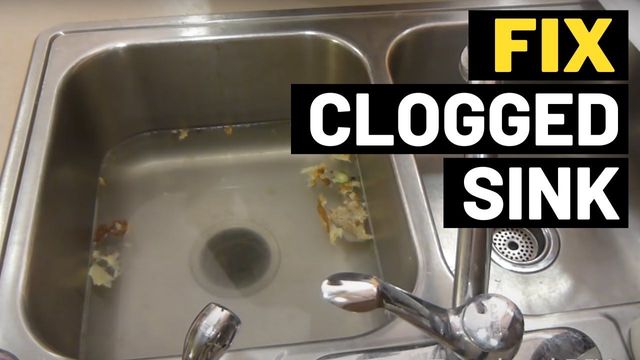
A Drano clogged sink can be a frustrating problem. When water backs up, or the drain moves sluggishly, the first thought for many is to reach for a readily available solution like Drano. But before you pour that blue liquid down your drain, let’s delve into the details of using Drano for kitchen drains.
Deciphering Drano’s Effectiveness for Kitchen Clogs
Kitchen sinks are prone to specific types of clogs, often stemming from accumulated grease, food scraps, and soap scum. Drano kitchen clog formulations are designed to tackle these particular culprits. The active ingredients in Drano, typically sodium hydroxide (lye) or sodium hypochlorite (bleach), work by chemically reacting with organic matter, breaking it down into smaller, soluble components that can be flushed away by water.
The Mechanics of Drano’s Action
- Caustic Action: Caustic soda (sodium hydroxide) is a strong alkali. When it comes into contact with grease and fats, it undergoes a process called saponification. This essentially turns the fats into soap-like substances that are water-soluble and can be washed down the drain. This is particularly effective for Drano grease clogs.
- Oxidizing Action (for bleach-based formulas): Bleach-based Drano products use oxidation to break down organic material. This can help dissolve some food particles and other debris.
- Heat Generation: The chemical reaction itself generates heat. This heat can further assist in melting grease and breaking down stubborn blockages.
Targeting Specific Kitchen Sink Issues
- Grease and Fats: These are notoriously difficult to clear with just water. Drano grease clogs are often effectively addressed by Drano’s saponification process.
- Food Scraps: Small food particles, especially those that can stick to pipe walls, can contribute to blockages. Drano can help dissolve these.
- Soap Scum: Built-up soap residue can also create slow drains, and Drano can help break it down.
Examining the Advantages of Using Drano in Your Kitchen Sink
When faced with a Drano clogged sink, the immediate benefit of using Drano is its perceived speed and ease of use.
Convenience and Accessibility
Drano is widely available in most supermarkets and hardware stores, making it a quick and easy first-choice solution for many homeowners.
Effectiveness on Certain Clogs
As mentioned, Drano can be quite effective at clearing blockages caused by grease and food debris, which are common in kitchen sinks. For Drano food disposal issues that might back up into the sink, Drano might offer some temporary relief.
Cost-Effectiveness (Initial)
Compared to calling a plumber for a minor clog, a bottle of Drano is relatively inexpensive, offering a budget-friendly approach to drain maintenance.
Unveiling the Drawbacks and Risks of Drano in Kitchen Sinks
While Drano offers apparent benefits, it’s crucial to weigh these against the significant potential downsides. Using Drano for sink backup might seem like a quick fix, but it can lead to more severe problems.
Potential Damage to Pipes
- Corrosion of Metal Pipes: The highly alkaline or acidic nature of drain cleaners can corrode metal pipes over time, especially older, weakened ones. This can lead to leaks and necessitate expensive repairs.
- Damage to Seals and Joints: The chemicals in Drano can also degrade rubber seals and pipe joints, leading to potential leaks.
- Plastic Pipe Concerns: While often considered more resistant, prolonged or repeated exposure to harsh drain cleaners can still weaken plastic pipes.
Harm to Septic Systems and the Environment
If your home is connected to a septic system, pouring Drano down the drain can be detrimental. The harsh chemicals can kill the beneficial bacteria essential for breaking down waste in the septic tank, disrupting the entire system and leading to costly repairs or failures. Furthermore, these chemicals can harm aquatic life if they eventually enter waterways.
Safety Hazards
- Chemical Burns: Drano contains strong chemicals that can cause severe burns to skin, eyes, and respiratory tissues. Proper ventilation and protective gear (gloves, eye protection) are essential when handling the product.
- Fumes: The fumes released by Drano can be toxic and irritating. Inhaling them can cause respiratory problems, headaches, and nausea. It’s vital to ensure good ventilation when using it.
- Reaction with Other Chemicals: Never mix Drano with other drain cleaners or household chemicals. Doing so can create dangerous fumes, explosions, or violent reactions. This is a critical safety concern when dealing with a Drano clogged sink.
Ineffectiveness on Certain Clogs and Potential for Worsening Problems
- Solid Obstructions: Drano is primarily designed to dissolve organic matter. It is ineffective against solid obstructions like dropped objects, excessive hair (though less common in kitchen sinks), or mineral buildup.
- “Hardening” of Clogs: In some cases, particularly with grease, if Drano doesn’t fully dissolve the clog, it can solidify further down the pipe, creating a harder-to-remove blockage.
- Partial Dissolution: If Drano only partially clears a clog, it can create a more dispersed but still problematic blockage further down the line, potentially leading to more frequent backups.
Impact on Food Disposals
Using Drano in a sink with a garbage disposal can be problematic. The chemicals can potentially damage the disposal’s grinding components and seals. It is generally advised to avoid using Drano, especially the gel or liquid formulations, with garbage disposals. Always check the disposal’s manual or the Drano product label for specific warnings.
When is Drano a Viable Option for Your Kitchen Sink?
Despite the significant drawbacks, there might be very limited scenarios where Drano could be considered for a kitchen sink, provided extreme caution is exercised.
Minor, Grease-Dominated Clogs in Robust Plumbing
For very minor clogs that are clearly grease-related, and if you have relatively new, sturdy PVC or ABS pipes, a single, cautious application might be considered. However, even in these instances, safer alternatives are usually preferable.
Emergency Situations (with extreme caution)
In a dire emergency where no other immediate solution is available and you absolutely need to clear a minor clog, Drano could be a last resort. However, the risks still outweigh the benefits in most cases.
Exploring Safer and More Effective Alternatives
Given the risks associated with Drano, it’s wise to explore a range of safer and often more effective alternatives for tackling your Drano kitchen clog woes.
Mechanical Methods
These methods physically remove or break up the clog without harsh chemicals.
Plunger
- How it Works: A plunger creates a vacuum and pressure that can dislodge blockages.
- Usage:
- Ensure there’s enough water in the sink to cover the plunger cup.
- Create a tight seal around the drain.
- Pump the plunger vigorously up and down several times.
- Break the seal and check if the water drains. Repeat if necessary.
Drain Snake (Auger)
- How it Works: A drain snake is a flexible metal cable that you feed into the drain to physically break up or retrieve the clog.
- Usage:
- Feed the snake into the drain until you meet resistance.
- Turn the handle to either break up the clog or hook onto it.
- Slowly pull the snake back out, removing any debris.
Boiling Water
- How it Works: Pouring boiling water down the drain can help melt and flush away grease and soap scum.
- Usage:
- Boil a kettle of water.
- Carefully pour the boiling water directly down the drain.
- Wait a few minutes, then run hot tap water to see if the clog has cleared. Repeat if needed. This is a good first step for Drano grease clogs.
Natural and Eco-Friendly Solutions
These methods use common household items for a gentler approach.
Baking Soda and Vinegar
- How it Works: The reaction between baking soda (a base) and vinegar (an acid) creates a fizzing action that can help loosen clogs.
- Usage:
- Pour about half a cup of baking soda down the drain.
- Follow with about half a cup of white vinegar.
- Cover the drain with a stopper or cloth to contain the reaction.
- Let it sit for 30 minutes to an hour.
- Flush with hot water. This is a good safe Drano for kitchen alternative.
Dish Soap and Hot Water
- How it Works: Liquid dish soap is designed to cut through grease.
- Usage:
- Pour a generous amount of dish soap down the drain.
- Follow with a kettle of boiling water.
- Let it sit for 10-15 minutes before flushing with hot tap water.
Enzyme-Based Drain Cleaners
- How it Works: These cleaners use natural enzymes and bacteria to “eat away” at organic matter like grease and food particles. They are much gentler on pipes and septic systems.
- Usage: Follow product instructions. Typically, you pour them down the drain and let them work overnight. These are excellent for regular maintenance to prevent Drano kitchen clog scenarios.
Best Practices for Using Drano in a Kitchen Sink (If Absolutely Necessary)
If you find yourself in a situation where you deem Drano the only option, following these strict guidelines is paramount to minimize risks. This section addresses how to use Drano in kitchen sink safely.
Pre-Use Precautions
- Read the Label Carefully: Understand the specific type of Drano you have and its intended use. Some formulas are more aggressive than others.
- Ensure Ventilation: Open windows and turn on exhaust fans.
- Wear Protective Gear: Always wear rubber gloves, eye protection (goggles or a face shield), and old clothing.
- Identify Pipe Material: If you have older pipes or are unsure of your plumbing material, it’s best to avoid Drano altogether.
- Never Mix: Absolutely do not mix Drano with any other cleaning products.
Application Steps
- Remove Standing Water: If possible, remove as much standing water from the sink as you can.
- Pour Slowly and Carefully: Pour the recommended amount of Drano directly down the drain. Avoid splashing.
- Wait the Specified Time: Adhere strictly to the waiting time indicated on the product label. Do not leave it longer than recommended, as this increases the risk of damage.
- Flush Thoroughly: After the waiting period, flush the drain with plenty of cold water. Avoid using hot water immediately after, as the chemical reaction can be more vigorous.
Post-Use Considerations
- Monitor for Leaks: After using Drano, closely inspect your pipes and joints for any signs of leaks or damage.
- Avoid Frequent Use: Drano is not a maintenance product. Use it only for severe clogs, and even then, with extreme caution.
Addressing Specific Drano-Related Kitchen Sink Scenarios
Let’s consider how Drano might interact with common kitchen fixtures and issues.
Drano for Food Disposal
As a general rule, Drano for food disposal units is not recommended. The chemicals can damage the internal mechanisms and seals of the disposal. If you have a clog that seems to affect both the sink and the disposal, it’s best to tackle it without using Drano. First, try running cold water and the disposal to see if it clears. If not, consider a mechanical approach or a plumber.
Drano and Sink Backup
When experiencing a Drano for sink backup, the initial urge is to pour more product. However, if Drano has already been used without success, adding more can be dangerous. The chemical might sit in the pipes, increasing the risk of corrosion. If Drano hasn’t worked, it’s a strong indicator that a different method is needed, or the clog is too severe for chemical solutions.
Is There Safe Drano for Kitchen Use?
While the term “safe Drano for kitchen” might imply a gentler formula, it’s important to recognize that all chemical drain cleaners carry inherent risks. Even “gel” or “liquid” formulations, while potentially less likely to splash, are still potent chemicals. Look for products that explicitly state they are safe for kitchen pipes or septic systems (though always cross-reference with your septic professional). However, even these “safer” options are less benign than non-chemical methods.
When to Call a Professional Plumber
There are several situations where DIY drain cleaning, including the use of Drano, should be avoided, and professional help is necessary.
Persistent or Recurring Clogs
If your sink clogs frequently despite your efforts, it may indicate a deeper issue within your plumbing system, such as pipe damage, improper slope, or a blockage further down the line.
Multiple Fixtures Affected
If you notice a backup or slow draining in multiple sinks, toilets, or showers, this points to a main sewer line blockage, which requires professional equipment and expertise.
Suspected Pipe Damage
If you have older pipes, have recently had renovation work done, or suspect damage for any reason, using Drano could exacerbate the problem.
Unsuccessful DIY Attempts
If you’ve tried plungers, snakes, and natural remedies without success, it’s time to call a plumber rather than resorting to stronger chemicals.
Frequently Asked Questions (FAQ)
Q1: Can I use Drano if I have a garbage disposal?
A1: It is generally not recommended to use Drano with a garbage disposal. The chemicals can damage the disposal’s components and seals. Always check the manufacturer’s instructions for your specific disposal unit.
Q2: How long should I wait before flushing after using Drano?
A2: Always follow the specific instructions on the Drano product label. Typically, it’s between 7 to 30 minutes, but some products may vary. Do not leave it in the pipes for longer than recommended.
Q3: What should I do if Drano doesn’t work for my clogged sink?
A3: If Drano fails to clear the clog, do not pour more down the drain. Instead, try a mechanical method like a plunger or drain snake. If these also fail, it’s best to call a professional plumber.
Q4: Is baking soda and vinegar a good alternative to Drano?
A4: Yes, baking soda and vinegar is a much safer and eco-friendly alternative for minor clogs, especially those caused by grease and soap scum. It may not be as potent as chemical cleaners but is significantly less likely to damage your pipes or harm your health.
Q5: Can Drano damage my kitchen sink pipes?
A5: Yes, Drano can damage pipes, especially older metal pipes or those with weak joints. The corrosive chemicals can lead to leaks and costly repairs over time.
Q6: What is the best Drano for kitchen grease clogs?
A6: While Drano is formulated to handle grease, no Drano product is entirely “safe” for frequent kitchen use. Products labeled for grease clogs are usually the most effective, but the risks remain. Consider enzyme-based cleaners or mechanical methods as safer alternatives.
Q7: My sink is completely blocked. Can I use Drano for sink backup?
A7: If your sink is completely blocked and there’s standing water, using Drano can be hazardous as it may not reach the clog effectively and can sit in the pipes, increasing the risk of damage. It’s safer to try to remove standing water and then use a mechanical method or call a plumber.
Conclusion
While the convenience of a Drano clogged sink solution is tempting, the potential for pipe damage, safety hazards, and environmental harm makes it a less-than-ideal choice for your kitchen sink. For most kitchen clogs, especially those involving grease, safer and equally effective alternatives like plungers, drain snakes, baking soda and vinegar, or enzyme-based cleaners are readily available. Prioritizing these methods will help protect your plumbing, your health, and the environment, ensuring your kitchen sink functions smoothly without the harsh consequences of chemical drain cleaners. When in doubt, or for persistent clogs, always consult a qualified plumber.