Can you use Drano for kitchen sink clogs? While Drano products are designed to clear drains, using them in a kitchen sink, which often has greasy clogs, comes with risks and might not be the best fix. Using drain cleaners like Drano in the kitchen needs care because the mix of grease and food bits makes clogs tricky. It is important to know when it is okay to use and when other methods are safer and work better for your pipes and home.
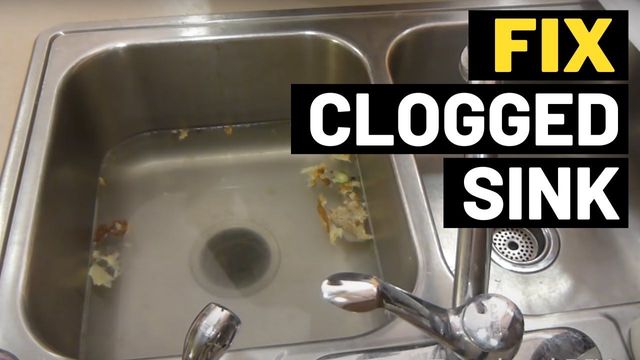
Image Source: lirp.cdn-website.com
Comprehending How Drano Acts
Many people reach for a bottle of drain cleaner when water backs up. Drano is a well-known brand. It offers different kinds of drain cleaners. These cleaners use strong chemicals. These chemicals aim to break down things blocking your drain.
Most Drano products for clogs work in a few ways:
- Caustic Action: Some Drano products contain chemicals like sodium hydroxide (lye). When you pour this down the drain, it gets hot when it touches water. This heat can help melt some fats. It can also break down proteins.
- Oxidizing Action: Other types use chemicals like sodium hypochlorite (bleach). This helps to break down organic stuff in the clog.
- Aluminum: Some kinds have small bits of aluminum. These react with the lye and water. This reaction makes heat and gas. The heat helps break down the clog. The gas can cause bubbling and pressure. This might help push the clog loose.
These chemical reactions are powerful. They can break down hair and soap scum in bathroom drains well. Kitchen clogs are often different.
Fathoming Kitchen Sink Clogs
Kitchen sinks deal with unique kinds of waste. Food bits, coffee grounds, vegetable peelings, and especially grease and fat go down the drain.
- Grease is the Main Trouble: When hot grease or oil goes down the drain, it is liquid. But as it cools, it turns solid. This sticky fat coats the inside of pipes.
- Stuff Sticks to Grease: Small food bits and other waste stick to this greasy lining. Over time, this buildup gets thicker. It makes the pipe opening smaller. This causes slow drains. Eventually, it can block the pipe completely. This is a common Drano kitchen sink clog problem.
- Different from Bathroom Clogs: Bathroom clogs are mostly hair and soap scum. These are often easier for chemical drain cleaners to break down. Greasy kitchen clogs are harder for chemicals to fully get rid of. The grease might soften, but the solid fat and stuck food bits can remain.
Because kitchen clogs are mostly grease and food, the way Drano works might not be the perfect fit.
Inspecting the Risks of Using Drano
Using strong chemicals in your home always has risks. This is true for using Drano in your kitchen sink. Knowing these risks helps you decide if it is worth it.
Hazard to Pipes
Is Drano safe for kitchen pipes? This is a big question. The answer is not a simple yes or no.
- Heat Damage: The chemical reactions in Drano make heat. If you use too much Drano, or if it sits in the pipe for too long, this heat can harm some types of pipes. PVC pipes, which are common in homes today, can soften or even melt from too much heat. Older metal pipes might corrode faster from the harsh chemicals.
- Standing Water Issue: If your sink is totally blocked, the Drano just sits in the pipe. It does not flow away. This means the strong chemicals stay in one spot for a long time. This increases the chance of pipe damage.
- Repeated Use: Using Drano many times on the same clog or over time can weaken pipes. Small bits of damage add up. This can lead to leaks or even burst pipes later on. Fixing a damaged pipe is much more costly than clearing a clog another way.
Health and Safety Dangers
Drano contains very strong chemicals. Handling it needs care.
- Skin and Eye Burns: If Drano splashes on your skin or in your eyes, it can cause serious burns. Always wear gloves and eye protection when using it.
- Bad Fumes: The chemicals give off strong fumes. Breathing these fumes can hurt your lungs and throat. Make sure the area is well-aired. Open windows. Turn on a fan.
- Mixing Chemicals: NEVER mix Drano with other cleaners. Mixing different chemicals can create dangerous gases. Some mixes can even explode. If you tried another cleaner that did not work, do not add Drano. You need to flush the first cleaner out completely first, which can be hard with a blocked sink.
Environmental Worries
The chemicals in Drano are bad for the environment. When they go down the drain, they end up in the water system. They can harm water life. Reducing the use of these chemicals helps protect local water sources.
Pinpointing When Not to Use Drano Kitchen Sink
There are times you should definitely NOT use Drano in your kitchen sink. Using it at the wrong time can make things worse or create danger.
- Complete Blockage: If the sink is full of water and not draining at all, do not use Drano. The liquid will just sit there. It will not reach the clog properly. It increases the risk of pipe damage and makes dealing with the standing chemical-filled water risky.
- Slow Drain: If the drain is just slow, Drano might seem like a quick fix. But it might not clear the clog completely. It could just eat a small hole through the blockage. The rest of the clog stays there. It will likely clog again soon. It is better to use a method that removes the whole clog.
- After Using Another Cleaner: If you already put a different cleaner down the drain, DO NOT add Drano. This is very dangerous.
- Toilet: Never use Drano in a toilet. Toilets have different traps and pipes. Drano can harm the porcelain bowl. It is also less likely to work on toilet clogs which are often solid waste or too much paper.
- Garbage Disposal: Do not use Drano if your kitchen sink has a garbage disposal. The chemicals can harm the disposal unit parts. If your disposal is humming but not spinning, it is likely jammed, not clogged with grease. Drano will not fix a jam. Use the reset button or an Allen wrench instead.
- Known Pipe Issues: If you know your pipes are old, weak, or have been repaired often, avoid Drano. The harsh chemicals could cause them to break.
- Recurring Clogs: If your sink clogs often, it means there is a bigger problem. There might be a major buildup in the pipes further down. Or maybe a structural issue with the drain line. Drano is a temporary fix at best for these problems. It is better to find the real cause.
Deciphering How to Unclog a Greasy Kitchen Sink
Since Drano might not be the best way to unclog a greasy kitchen sink, what should you do? There are many ways to tackle these kinds of clogs. They often work better and are safer.
First Steps: Hot Water and Soap
Sometimes, a greasy clog is not fully solid yet. Very hot water can help melt some of the fat.
- Boil a pot of water.
- Add a squirt of dish soap to the sink drain. Dish soap helps break down grease.
- Slowly pour the hot water directly down the drain opening. Be careful not to splash.
- You might need to do this a few times.
This works best for slow drains or small clogs. It is one of the simplest natural ways to unclog kitchen sink drains.
The Plunger Method
A sink plunger is a very effective tool for many clogs, including greasy ones. The force of the water moving back and forth can break up and push the clog.
- Fill the sink with enough water to cover the base of the plunger cup. About 2-3 inches is good.
- Put the plunger over the drain opening. Make sure you get a good seal around the drain.
- Cover any other openings, like an overflow drain (if your sink has one near the top) or the other drain in a double sink. You can use a wet cloth or tape for this. This makes the suction stronger.
- Pump the plunger up and down firmly about 10-15 times. Keep the seal tight.
- Pull the plunger up quickly on the last pump.
- See if the water drains.
- Repeat if needed. Plunging often works wonders on many types of clano kitchen sink clogs.
The Baking Soda and Vinegar Method
This is a popular DIY kitchen sink drain cleaner. It is much gentler than chemical cleaners. It can help loosen some clogs.
- Pour about half a cup of baking soda down the drain. Try to get as much as possible into the drain opening.
- Slowly pour about one cup of white vinegar down the drain.
- The baking soda and vinegar will react. They will bubble and fizz. This reaction can help loosen the clog. It also creates some pressure.
- Let it sit for at least 15-30 minutes. Leaving it longer, even overnight, can sometimes help.
- After waiting, pour a pot of hot (not boiling) water down the drain to flush it.
This is a natural ways to unclog kitchen sink method. It might not clear a very heavy grease clog, but it is safe to try first.
The Drain Snake (Auger)
A drain snake is a tool that goes into the pipe to physically break up or pull out the clog. For how to unclog a greasy kitchen sink that is badly blocked, this is often the best tool for homeowners.
- Get a small drain snake meant for sinks. They are not costly.
- Put the end of the snake into the drain opening.
- Feed the snake down the pipe. Turn the handle as you push. This helps it go around bends in the pipe.
- When you hit the clog, you will feel resistance.
- Twist the handle to break up the clog. You might feel it go through the blockage.
- Once you feel the snake is through or hooked onto the clog, slowly pull it back out. You might pull out the clog material.
- Run hot water to check if the drain is clear.
- Repeat if needed.
Snaking is very effective because it physically removes the blockage. It is safer for pipes than chemicals.
Examining Alternative Drain Cleaners for Kitchen Sink
If natural methods or plunging do not work, there are other types of cleaners besides Drano. Some are better suited for kitchen clogs.
Enzymatic or Biological Cleaners
These cleaners use living things (like bacteria or enzymes). These tiny helpers eat away at organic waste like grease, food bits, and soap scum.
- How they work: The enzymes break down the clog material. The bacteria then eat the broken-down waste.
- Pros: They are much safer for your pipes and the environment than harsh chemicals. They do not create heat or fumes. They are good for maintenance to prevent clogs. They are gentle.
- Cons: They work slowly. You often pour them in and wait several hours or overnight. They might not work on a total blockage. They are best for slow drains or as a preventative measure.
- Use for Kitchen: They are good for kitchen sinks because they specifically target grease and food waste. This makes them a strong alternative drain cleaners for kitchen sink option.
Non-Acid Chemical Cleaners
Some chemical drain cleaners use different ingredients than Drano. Some use potassium hydroxide instead of sodium hydroxide, which might be slightly less harsh. Others might focus more on dissolving soap scum. However, they still use strong chemicals and have risks. Always check the label to see if they are safe for kitchen sinks and the type of pipes you have.
Hydro-Jetting
This is usually done by a plumber. A special machine shoots high-pressure water into the pipes. This water spray blasts away all the buildup on the pipe walls, including hardened grease.
- Pros: It cleans pipes very thoroughly. It removes the whole clog and cleans the pipe walls.
- Cons: It is a professional service. It costs more than a bottle of cleaner or a snake.
This method is very effective for stubborn or recurring greasy clogs.
Weighing Drano vs Other Drain Cleaners
Let’s put Drano next to other ways to clean drains, especially for the kitchen sink.
| Method | Works Well On? | How Fast? | Safety for Pipes? | Safety for People? | Cost | Best Use Case for Kitchen? |
|---|---|---|---|---|---|---|
| Drano (Chemical) | Hair, Soap Scum (Bathrooms) | Fast | Risk of Damage | High Risk | Low | Maybe very light grease, generally risky |
| Hot Water & Soap | Very light grease, slow drains | Slow | High | High | Very Low | First simple try |
| Plunger | Many clogs (mechanical force) | Fast | High | High | Low | Great first step for many clogs |
| Baking Soda & Vinegar | Light clogs, odors | Slow | High | High | Very Low | Gentle first try, odor control |
| Drain Snake (Auger) | Physical blockages (hair, food, objects) | Medium | High | Medium (wear gloves) | Low | Good for specific blockages, grease clumps |
| Enzymatic Cleaner | Organic buildup (grease, food) | Slow | High | High | Medium | Slow drains, ongoing maintenance |
| Hydro-Jetting (Plumber) | Any buildup, severe clogs | Fast | High (by pro) | High (by pro) | High | Severe, recurring, or deep clogs |
Looking at this table, you can see why Drano vs other drain cleaners discussion matters for kitchen sinks. For greasy kitchen clogs, mechanical methods (plunging, snaking) or biological methods (enzymatic) often target the specific problem better and safer than the harsh chemicals in Drano.
So, what is the best drain cleaner for kitchen sink issues? It really depends on the clog.
- For a simple slow drain, hot water, soap, or baking soda/vinegar are great first, safe steps.
- For a moderate clog, a plunger is often the best tool. It uses force to clear the blockage without chemicals.
- For a stubborn clog you can’t plunge, a drain snake is very effective at breaking up or pulling out the blockage.
- For ongoing grease buildup or slow drains, an enzymatic cleaner is a safe, long-term solution, though it works slowly.
- For a complete blockage you can’t clear yourself, or for recurring problems, calling a plumber with a snake or hydro-jetting equipment is usually the best and safest path.
Harsh chemical cleaners like Drano are generally not the best choice for kitchen sinks because of the grease issue and the risk to pipes.
Plotting How to Prevent Kitchen Sink Clogs
The very best way to deal with kitchen sink clogs is to stop them from happening. Taking simple steps can save you a lot of trouble and expense. Prevent kitchen sink clogs with these tips.
- Use a Strainer: This is the most important step. Place strainers in your sink drains. These catch food bits, coffee grounds, and other waste before they go down the pipe. Empty the strainer into the trash after doing dishes.
- Avoid Pouring Grease Down the Drain: Never pour cooking oil, bacon grease, or other fats down the sink. Even if you run hot water with it, the grease will cool and harden in the pipes. Pour grease into an old can or jar. Let it cool and harden. Then throw it in the trash. Wipe greasy pans with a paper towel before washing them.
- Scrape Plates: Scrape leftover food off plates into the trash or compost bin before washing them. Less food going down the drain means less chance of a clog.
- Run Cold Water with Garbage Disposal: If you have a garbage disposal, always run cold water before turning it on and while it is running. Continue running cold water for about 15-20 seconds after turning off the disposal. Cold water helps solidify grease and food waste slightly, allowing the disposal to chop it better and helping it move through the pipes instead of sticking. Never put large amounts of food, grease, coffee grounds, potato peels, or fibrous vegetables (like celery) down the disposal.
- Flush with Hot Water Regularly: Once a week, pour a pot of hot (not boiling) water down the drain. This can help melt any small amounts of grease that might be starting to stick.
- Use Enzymatic Cleaner for Maintenance: Using an enzymatic drain cleaner once a month can help break down any small amounts of buildup before they become big problems. These are designed for maintenance, not clearing total blocks.
- Be Mindful of What Goes Down: Just be aware of what you are letting go down the drain. Treat your sink like it is only for water, not a trash can.
Following these steps can greatly reduce the chance of getting a Drano kitchen sink clog in the first place. Prevention is easier and cheaper than fixing a block.
DIY Kitchen Sink Drain Cleaner Options
Beyond baking soda and vinegar, there are a few other simple mixes you can try as a DIY kitchen sink drain cleaner for light clogs or maintenance.
- Hot Water and Salt: Salt can help break down some grease. Pour half a cup of salt down the drain, followed by very hot water.
- Baking Soda and Salt: Mix half a cup of baking soda with half a cup of salt. Pour this mix down the drain. Let it sit for a few hours or overnight. Then flush with hot water. This mix can help absorb some moisture and loosen grime.
- Boiling Water Flush: As mentioned before, just pouring boiling water (carefully!) can melt some grease.
Remember, these DIY methods are best for minor clogs or slow drains. They are not as powerful as chemical cleaners or mechanical tools for serious blockages. But they are safe and worth trying first.
Interpreting Product Labels Carefully
If you do choose to use any drain cleaning product, including Drano or alternative drain cleaners for kitchen sink use, read the label very carefully.
- Check the ‘For Use In’ Section: Does it say it is safe for kitchen sinks? Does it mention garbage disposals?
- Check Pipe Type: Is it safe for your type of pipes (PVC, copper, etc.)?
- Read Safety Warnings: Pay close attention to warnings about ventilation, skin contact, and mixing with other chemicals.
- Follow Instructions Exactly: Never use more than the label says. Never leave it in the drain longer than the label says.
Using any chemical product against its instructions can be dangerous and can damage your plumbing.
Summoning Professional Help
Sometimes, despite your best efforts, you might face a clog you cannot clear.
- Stubborn Blockage: If plunging, snaking, and other methods do not work, the clog might be too deep or too tough for home tools.
- Multiple Drains Slow: If more than one drain in your home is slow or clogged (like a sink and a shower on the same floor), it could mean a problem in the main drain line. This needs a plumber.
- Strange Smells: Very bad smells coming from drains could mean a serious clog or sewer line issue.
- Water Backing Up: If water backs up into other fixtures when you use a sink or toilet, it is a sign of a main line clog.
A plumber has powerful tools like long snakes (power augers) or hydro-jetting machines. They can clear clogs that home methods cannot touch. They can also diagnose deeper pipe problems. Calling a plumber might cost more upfront, but it saves you the risk of damaging pipes with chemicals or making the clog worse. It is often the best solution for a tough, greasy kitchen sink clog.
Best Drain Cleaner for Kitchen Sink: Final Thoughts
To sum it up, while you can pour Drano down a kitchen sink drain, it is generally not the best or safest choice.
- Kitchen clogs are often greasy and hard for chemical cleaners to fully remove.
- Drano’s strong chemicals can harm modern plastic pipes and pose health risks.
- Many effective and safer alternatives exist: plunging, snaking, hot water, and enzymatic cleaners.
- Preventing clogs by using strainers and avoiding grease is the most effective strategy.
For a Drano kitchen sink clog, consider trying safer methods first. Hot water, a plunger, or a drain snake are good options. If you prefer a cleaner, look into enzymatic products as an alternative drain cleaners for kitchen sink choice. Save harsh chemicals like Drano for specific issues they are designed for (like hair clogs in bathrooms) and always use with extreme caution.
Ultimately, the best drain cleaner for kitchen sink use is often not a cleaner at all, but a tool or a preventative habit. When in doubt, especially with persistent or severe clogs, calling a plumber is the safest and most reliable option.
Frequently Asked Questions (FAQ)
h4 Can I use Drano Max Gel in my kitchen sink?
Yes, the label for Drano Max Gel says it can be used in kitchen sinks. However, it contains strong chemicals. While it might cut through some grease, it has the same risks to pipes and your health as other strong chemical cleaners. It is generally safer to try other methods first for greasy kitchen clogs.
h4 How long does Drano take to work in a kitchen sink?
Instructions usually say to wait 15-30 minutes, sometimes longer for tough clogs. However, for greasy kitchen clogs, it might not fully dissolve the clog even with longer waiting times. If it doesn’t work after the time given, do not add more Drano. This increases the risk of damaging pipes.
h4 What happens if Drano doesn’t unclog my kitchen sink?
If Drano does not clear the clog, the blockage is likely too tough or too far down for the chemical to work. Do NOT add more Drano. Do NOT try plunging after using Drano, as it could cause chemical splashes. The best next step is often to try a drain snake (being very careful due to possible leftover chemicals) or, more safely, call a plumber.
h4 Can I use boiling water after using Drano?
It is strongly advised NOT to pour boiling water after using Drano. Drano already creates heat through its chemical reaction. Adding boiling water can increase the temperature inside the pipe too much, especially with plastic pipes (PVC). This could soften or melt the pipe. It can also cause the chemical solution to react more strongly or splash back dangerously.
h4 Are natural drain cleaners really effective for kitchen grease?
Natural methods like baking soda and vinegar or hot water work best on light clogs and slow drains caused by early grease buildup. They are not usually strong enough for a completely blocked pipe filled with hardened grease and food. They are great as a first step or for regular maintenance because they are safe for pipes and the environment.
h4 Will a plunger work on a greasy kitchen sink clog?
Yes, a plunger is often very effective on greasy kitchen sink clogs. The force and pressure created by plunging can break up the grease blockage and push it down the pipe. Make sure you have a good seal around the drain opening and cover any other openings in the sink.
h4 How often should I use an enzymatic drain cleaner for prevention?
Using an enzymatic drain cleaner once a month is a good plan for preventing clogs in kitchen sinks. It helps to slowly break down the grease and food buildup before it causes a problem. Follow the product’s specific instructions for maintenance use.
h4 Is it okay to use Drano if I have a septic system?
Most drain cleaners, including Drano, are not recommended for homes with septic systems. The strong chemicals can kill the beneficial bacteria in the septic tank that break down waste. This can disrupt the septic system’s function and lead to major problems. For septic systems, enzymatic cleaners or mechanical methods like snaking are much better choices.
h4 What are the signs my kitchen sink clog needs a plumber?
You should call a plumber if:
1. The clog does not clear after trying plunging or snaking.
2. Water is backing up into other drains in your home.
3. There is a very bad smell coming from the drain.
4. You suspect pipe damage or have recurring clogs in the same drain.
5. You are not comfortable using tools like a snake or dealing with standing water.