Yes, you absolutely can replace just the doors on your kitchen cabinets and it’s a fantastic way to save money while dramatically transforming your kitchen’s look. This process, often referred to as cabinet door replacement, allows you to refresh your kitchen without the expense and disruption of a full cabinet renovation. You can give your kitchen a brand-new feel with new cabinet doors, making it a surprisingly effective and affordable cabinet update.
Are your kitchen cabinets looking a little tired? Do you dream of a stylish, updated kitchen but wince at the thought of the hefty price tag associated with a complete remodel? You’re not alone. Many homeowners face this dilemma, desiring a fresh look without breaking the bank. The good news is, a full cabinet replacement isn’t always necessary. Often, the most visible and impactful part of your cabinetry are the doors. If the cabinet boxes themselves are still in good condition, swapping out the doors is a smart and budget-friendly solution.
This in-depth guide will explore the ins and outs of cabinet door replacement, how it can help you save money, and what you need to consider. We’ll cover everything from measuring and material choices to installation and the overall impact on your kitchen’s aesthetic.
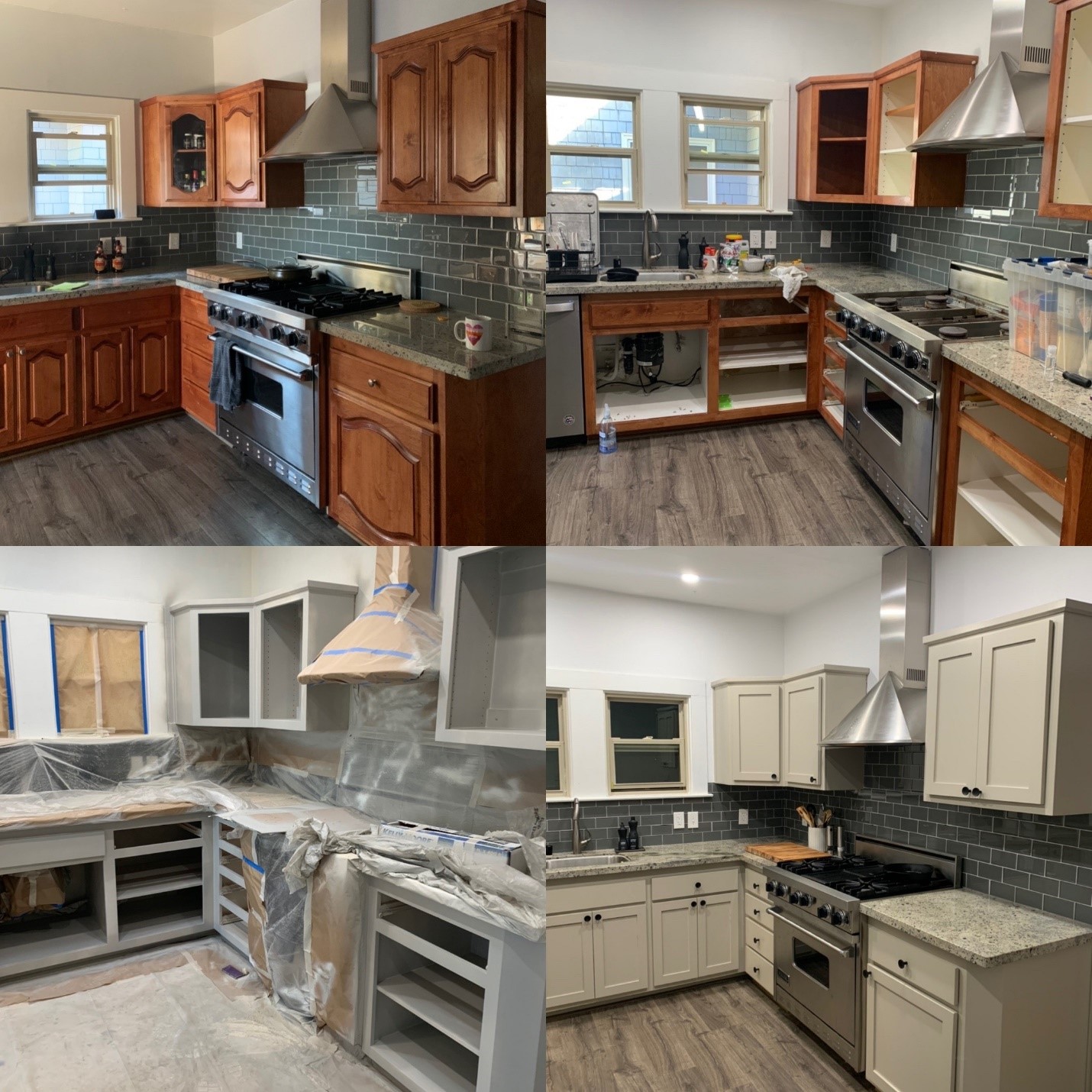
Image Source: cdn11.bigcommerce.com
The Appeal of Replacing Cabinet Doors
Why focus solely on the doors? It’s simple: doors are the “face” of your cabinets. They are what you see and touch every day. Over time, doors can become dated in style, scratched, dented, or simply no longer match your evolving taste. Replacing just the doors tackles these issues head-on.
Consider these benefits:
- Cost Savings: This is the primary driver for many. A full cabinet refit involves replacing the entire cabinet boxes, which includes the wood, construction, and installation labor. Replacing only the doors is significantly cheaper.
- Speed and Simplicity: The process is far less invasive and time-consuming than a full remodel. You can often have your new doors made and installed much faster.
- Minimal Disruption: Your kitchen remains functional for longer. You don’t have to completely empty your cabinets or live without a kitchen for weeks on end.
- Customization Potential: You can choose from a vast array of styles, materials, and finishes to perfectly match your desired kitchen aesthetic.
- Environmental Friendliness: By reusing the existing cabinet boxes, you’re reducing waste and the environmental impact associated with manufacturing new materials.
Fathoming the Savings: A Closer Look
Let’s break down why replacing doors saves money. A typical kitchen remodel can cost anywhere from $15,000 to $75,000 or more. Cabinetry often accounts for a significant portion of this, sometimes 30-50%.
Table 1: Estimated Cost Comparison (Illustrative)
| Project Type | Estimated Cost Range | Key Components |
|---|---|---|
| Full Cabinet Replacement | $15,000 – $50,000+ | New boxes, doors, drawer fronts, hardware, labor |
| Cabinet Door Replacement | $2,000 – $10,000+ | New doors, new hardware, potential labor |
| Cabinet Refacing | $5,000 – $15,000+ | New veneer/laminate on existing boxes, new doors |
Note: Costs vary widely based on kitchen size, material quality, and labor rates.
As you can see, the savings are substantial. You’re essentially buying new “faces” for your existing “boxes,” which significantly reduces material and labor costs.
Is Your Kitchen Ready for Door Replacement?
Before you jump into ordering new cabinet doors, it’s crucial to assess the condition of your existing cabinet boxes. This is the foundational step in deciding if this route is viable for you.
Assessing the Cabinet Boxes
The cabinet boxes (also known as carcasses or frames) are the structural components that house your shelves and drawers. They are typically made of plywood or particleboard.
- Structural Integrity: Are the boxes solid and stable? Check for any signs of:
- Water Damage: Swollen wood, peeling veneer, or mold are red flags.
- Pest Infestation: Termite or other wood damage will compromise the structure.
- Sagging Shelves or Drawers: While sometimes fixable, significant sagging can indicate weak construction.
- Rotten or Warped Wood: This means the boxes are beyond repair.
- Loose Joints: If the boxes feel wobbly or the connections are pulling apart, they might be too weak.
- Alignment: Are the cabinet frames plumb and level? While minor imperfections can be managed during installation, severely crooked boxes can make it difficult to hang new doors evenly.
- Interior Condition: While not directly visible, a clean and well-maintained interior is a good sign of overall cabinet quality.
If your cabinet boxes are in good shape, then cabinet door replacement is a very attractive option. If they are severely damaged, you might need to consider kitchen cabinet refacing or a full replacement.
What is Kitchen Cabinet Refacing?
Kitchen cabinet refacing is another budget-friendly alternative to a full cabinet replacement. It involves keeping the existing cabinet boxes but covering them with new materials, usually a thin veneer of real wood or a laminate. New doors and drawer fronts are also installed. Refacing offers a completely new look, but it’s typically more expensive and labor-intensive than just replacing the doors. However, it’s still a good option if your cabinet boxes are structurally sound but the exterior is worn or you want to change the cabinet box finish.
The Process of Replacing Cabinet Doors
Once you’ve confirmed your cabinet boxes are suitable, you can dive into the exciting part: choosing and installing your new doors.
Measuring for New Doors
Accurate measurements are paramount. Incorrectly sized doors will look unprofessional and may not function correctly.
- Overlay: This refers to how much the door covers the cabinet frame.
- Full Overlay: Doors cover almost the entire cabinet frame, leaving minimal gaps.
- Partial Overlay: Doors cover a portion of the cabinet frame, with visible gaps between doors and frames.
- Inset: Doors sit flush within the cabinet frame, creating a very clean, high-end look. This requires precise construction and installation.
- Measuring Existing Doors: The easiest way to get the right measurements for cabinet door replacement is to measure your current doors.
- For Overlay Doors: Measure the width and height of your existing doors. If you’re switching to a different overlay style, you’ll need to measure the cabinet opening and factor in the desired overlay amount.
- For Inset Doors: Measure the exact dimensions of the cabinet opening.
- Measuring Hinges: Note the type of hinges your current cabinets use. Many new doors come undrilled, allowing you to specify the hinge placement. If you’re keeping your old hinges, you’ll need to ensure the new doors have pre-drilled holes that match. Modern cabinets often use European-style concealed hinges, which require specific bore hole sizes and placements (known as “cup” size and “pitch”).
- Drawer Fronts: Don’t forget your drawer fronts! These are usually measured and replaced in the same way as cabinet doors.
Pro Tip: When ordering custom cabinet doors, always double-check your measurements. It’s often recommended to measure multiple doors of the same size to ensure consistency and account for any minor variations.
Choosing Your New Cabinet Doors
This is where you can truly personalize your kitchen. The options for new cabinet doors are extensive, influencing both the look and the cost.
Styles
The style of your cabinet doors sets the tone for your entire kitchen.
- Shaker: A timeless classic with a simple, clean design featuring a flat center panel and raised square edges. Very versatile.
- Slab/Flat Panel: A minimalist, modern look with a completely flat surface.
- Raised Panel: Features a center panel that is raised and often has decorative profiling. More traditional.
- Recessed Panel: Similar to Shaker but often with a more decorative edge around the center panel.
- Beadboard: Features vertical grooves, offering a cottage or farmhouse feel.
- Glass Inserts: Doors with glass panels (clear, frosted, or patterned) can be used to display dishware or add visual interest.
Materials
The material of your doors will impact durability, appearance, and cost.
- Solid Wood: Offers a premium look and feel. Common options include:
- Maple: Durable, smooth grain, takes stain well, can be painted.
- Oak: Strong, distinct grain pattern, classic choice.
- Cherry: Rich color, ages beautifully, can be more expensive.
- Alder: Softer wood, similar to cherry but more affordable, takes stain well.
- Hickory: Very hard, strong grain, durable.
- MDF (Medium-Density Fiberboard): A composite wood product.
- Pros: Very stable, smooth surface perfect for painting, generally more affordable than solid wood.
- Cons: Not as durable against dents and scratches as solid wood, can be damaged by excessive moisture. Often used for painted doors.
- Thermofoil: A vinyl film applied to an MDF core under heat and pressure.
- Pros: Seamless, easy to clean, water-resistant, wide range of colors and finishes (including wood grains).
- Cons: Can peel or blister with excessive heat (e.g., near ovens or dishwashers), difficult to repair if damaged.
- Veneer: Thin layers of real wood applied over an MDF or plywood core. Offers the look of solid wood at a lower cost.
Finishes
- Paint: Offers endless color possibilities. High-quality cabinet paint provides a durable finish.
- Stain: Enhances the natural beauty and grain of wood.
- Glaze: A secondary color applied over paint or stain to add depth and highlight details.
- Natural/Clear Coat: Protects the wood while showcasing its inherent color and grain.
Ordering Custom Cabinet Doors vs. Stock Doors
- Custom Cabinet Doors:
- Pros: Made precisely to your specifications for size, style, material, and finish. Offers the highest degree of personalization. Ideal for unique kitchen layouts or specific design visions.
- Cons: Typically more expensive and can have longer lead times.
- Stock Doors:
- Pros: Available in standard sizes and common styles, usually more affordable and quicker to obtain.
- Cons: May not fit perfectly if your cabinet boxes aren’t standard. Limited customization options.
For most homeowners looking to save money on cabinet door replacement, ordering custom doors directly from a manufacturer or specialized online supplier can be more cost-effective than buying through a large retail store. This allows you to get exactly what you need without paying for middlemen.
DIY Cabinet Doors
For the truly ambitious and handy homeowner, creating DIY cabinet doors is an option. This involves purchasing raw lumber or MDF and cutting, assembling, and finishing the doors yourself.
- Pros: Potentially the most cost-effective option. Complete control over the design and materials. Rewarding experience.
- Cons: Requires significant woodworking skills, tools, and time. Achieving a professional finish can be challenging. Measuring and cutting accurately is critical.
If you’re considering DIY cabinet doors, start with a simpler style like Shaker or slab doors. Practice your joinery and finishing techniques on scrap material first.
Hardware and Hinges
Don’t forget your hardware! New doors often come undrilled for hinges and hardware, giving you flexibility.
- Hinges:
- Surface-mount: Hinges that attach to the outside of the cabinet frame and door.
- Concealed (European) Hinges: The most common type for modern cabinets. They sit inside a bore hole in the door and attach to a mounting plate on the cabinet frame, offering a clean look and adjustability.
- Other types: Butt hinges, mortise hinges, etc.
- Knobs and Pulls: Choose hardware that complements your door style and finish. This is another easy way to upgrade kitchen cabinets.
Installation: DIY or Professional?
The installation of new cabinet doors is a critical step. While it’s often achievable for a DIYer, understanding the process and having the right tools is essential.
DIY Cabinet Door Installation
If you’re comfortable with basic tools and have a good eye for detail, you can tackle the cabinet door installation yourself.
Tools You’ll Likely Need:
- Measuring tape
- Screwdriver set (including Phillips and potentially Torx bits)
- Drill/driver with appropriate bits
- Level
- Pencil
- Chisels (for minor adjustments if needed)
- Screws (appropriate size for hinges and handles)
- Drill bits (for pilot holes and hinge cup holes if not pre-drilled)
- Optional: Jigsaw or router (if you need to make adjustments to bore holes)
- Optional: Cabinet door mounting jigs (help align doors for drilling)
Steps for DIY Installation:
- Prepare the Doors: If your doors are undrilled, carefully mark and bore the holes for hinges and hardware according to your specifications or the hinge manufacturer’s instructions. Use a template or jig for accuracy, especially for concealed hinges.
- Attach Hinges to Doors: Screw the hinge cups into the prepared holes on the back of each new door.
- Attach Hinge Plates to Cabinets: Screw the corresponding hinge mounting plates onto the inside of your cabinet frames. Ensure they are plumb and level, using your existing holes if possible or marking new positions carefully.
- Mount the Doors: Clip or screw the doors onto the mounting plates. Start with a few doors to get the hang of it.
- Adjust Hinges: Most concealed hinges have adjustment screws that allow you to fine-tune the door’s position (up/down, left/right, in/out) for a perfect fit and even gaps. This is a crucial step for a professional look.
- Install Hardware: Attach knobs or pulls to the doors and drawer fronts using the pre-drilled holes or by creating new ones.
- Clean Up: Remove any pencil marks or smudges.
Professional Installation
If you’re not confident in your DIY skills, or if your existing cabinet frames are slightly out of square, hiring a professional for cabinet door installation is a wise investment.
- Pros: Ensures a perfect fit and finish. Saves you time and potential frustration. Professionals have specialized tools and experience.
- Cons: Adds to the overall cost of the project.
Look for cabinet makers, carpenters, or specialized refacing companies that offer door replacement services. Get quotes from multiple professionals.
The Impact of New Cabinet Doors on Your Kitchen
Replacing your cabinet doors is more than just an aesthetic tweak; it’s a significant upgrade that can revitalize your entire kitchen.
Modernizing Your Kitchen
Outdated door styles or finishes can make a kitchen feel old and tired. Swapping them out for contemporary designs like Shaker or slab doors in fresh colors (like white, grey, or a natural wood tone) can instantly modernize the space. This is a core benefit of the cabinet door swap.
Enhancing Functionality
While primarily about looks, new doors can sometimes lead to minor functional improvements. If your old doors were sagging or misaligned due to worn hinges or warped frames, new, well-fitted doors with updated hardware can make opening and closing cabinets smoother.
Boosting Home Value
A kitchen is a key selling point for any home. An updated kitchen, achieved through smart solutions like cabinet door replacement, can significantly increase your property’s value. Potential buyers often see it as a move-in ready space, saving them the hassle and expense of renovations.
Options for Different Budgets
From the most budget-conscious DIYer opting for painted MDF doors to those choosing premium solid wood custom cabinet doors, there’s a solution for nearly every price point. This makes it an accessible way to achieve an upgrade kitchen cabinets goal.
Frequently Asked Questions (FAQ)
Q1: How much does it cost to replace just kitchen cabinet doors?
The cost varies greatly depending on the size of your kitchen, the materials chosen for the new cabinet doors (e.g., solid wood vs. MDF), the style of the doors, and whether you opt for custom or stock sizes. Generally, you can expect to pay anywhere from $1,000 to $5,000 for doors only for a standard-sized kitchen, potentially more for high-end custom options. This is significantly less than a full cabinet replacement which can run into the tens of thousands.
Q2: Can I paint over my existing cabinet doors?
Yes, you can paint over existing cabinet doors, but it’s a labor-intensive process that requires thorough preparation. You’ll need to clean them, sand them down, prime them, and then apply multiple coats of paint. The quality of the finish depends heavily on the prep work. If your current doors are laminate or thermofoil, painting can be more challenging and may not yield the best results. Replacing them might be a better option for a durable and professional finish.
Q3: What is the difference between cabinet refacing and replacing just the doors?
Cabinet refacing involves applying a new veneer or laminate to the existing cabinet boxes and installing new doors and drawer fronts. It offers a complete makeover of the entire cabinet exterior. Replacing just the doors, on the other hand, focuses solely on swapping out the doors and drawer fronts, keeping the original cabinet boxes as they are. Refacing is generally more expensive and time-consuming than simply replacing doors.
Q4: How do I measure my cabinet doors correctly?
For overlay doors, measure the exact width and height of your existing doors. If you are changing the overlay style, you’ll need to measure the cabinet opening and add the desired overlay dimension. For inset doors, measure the precise dimensions of the cabinet opening. Always measure twice to ensure accuracy.
Q5: Can I reuse my old hinges?
You can reuse old hinges if they are still in good working condition and compatible with the bore holes on your new doors. However, if you’re switching to a different hinge style (like from surface-mount to concealed hinges), you’ll need new hinges and potentially new mounting plates, which may require drilling new holes.
Q6: What are the most popular cabinet door styles?
The Shaker style is consistently one of the most popular due to its simple, versatile design that suits various kitchen aesthetics, from modern to traditional. Slab (flat panel) doors are also very popular for contemporary and minimalist kitchens. Raised panel and recessed panel doors offer more traditional or transitional looks.
Q7: How long does it take to get new cabinet doors?
The lead time for new cabinet doors can vary. Stock doors might be available within a week or two. Custom-made doors can take anywhere from 4 to 12 weeks or more, depending on the manufacturer and the complexity of the order.
Q8: Is it difficult to install new cabinet doors myself?
Installing new cabinet doors can be a manageable DIY project if you are comfortable with basic tools and have a good eye for detail. The most challenging part is often ensuring the doors are perfectly aligned and hang evenly, which may require adjusting the hinges. If your cabinet boxes are not perfectly square, or if you’re installing inset doors, professional installation might be a better choice.
Q9: What are the advantages of custom cabinet doors?
Custom cabinet doors are made to your exact specifications regarding size, style, material, and finish. This ensures a perfect fit for any cabinet box, including non-standard sizes, and allows for complete personalization of your kitchen’s look. They offer the most flexibility in achieving your desired aesthetic.
Q10: Is replacing cabinet doors a good way to save money on kitchen upgrades?
Absolutely. Replacing just the doors is one of the most effective ways to save money and significantly upgrade kitchen cabinets without the high cost and disruption of a full remodel. It allows you to update the most visible part of your cabinetry and dramatically change your kitchen’s appearance for a fraction of the cost. It’s an excellent strategy for affordable cabinet updates.