Yes, you can paint gloss kitchen units. It is possible to change the look of your glossy cabinets. But it is not a simple paint job. It needs careful steps. You must clean the surface very well. You must prepare it just right. This makes the paint stick. If you do not prepare it right, the paint will peel or chip. Painting gloss cabinets takes time and effort. But it can give your kitchen a fresh, new look without buying new units.
Image Source: lookaside.fbsbx.com
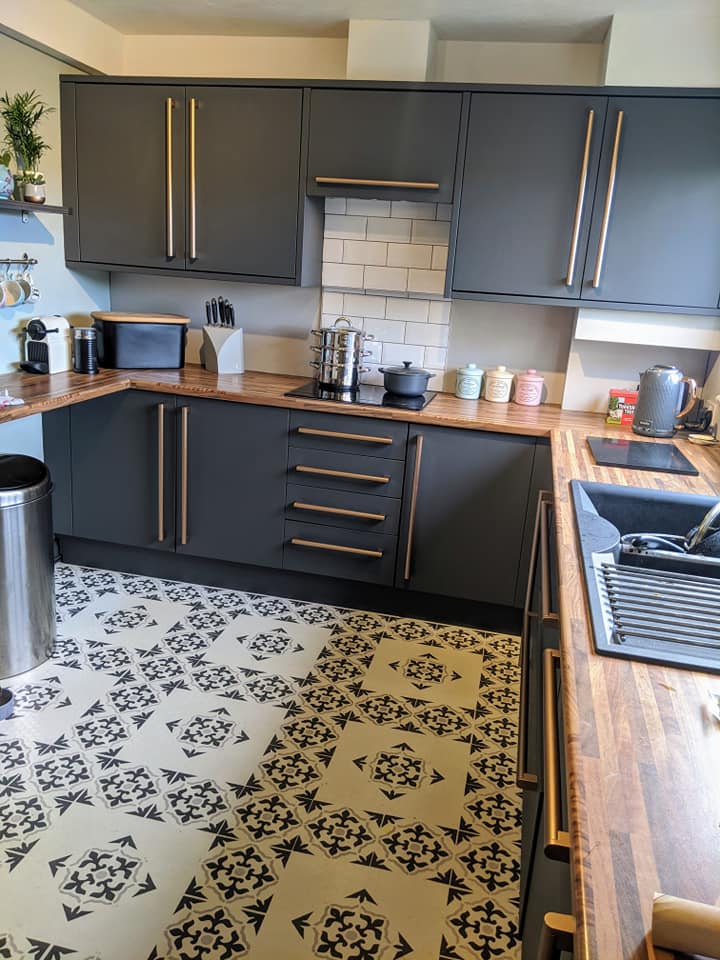
Grasping Gloss Kitchen Units
Kitchen cabinets come in many styles. Gloss units are popular. They have a shiny, smooth finish. This finish looks modern and clean. But the shiny surface is also the challenge for painting. It is very smooth. Paint finds it hard to stick to smooth things. Think of painting glass. Paint slides off. Gloss cabinets are similar.
Why Paint Gloss Kitchen Units?
People paint gloss units for different reasons.
* New Look: You might be tired of the color. Painting gives a totally new style.
* Save Money: New cabinets cost a lot. Painting is much cheaper.
* Update Style: A high-gloss look might feel old. Painting can make it matte or a different finish. This updates the kitchen easily.
* Fix Damage: Small scratches or marks might be on the units. Painting can cover these up.
The Main Obstacle: The Shiny Surface
The high-gloss finish is like glass. It is very hard and non-porous. This means it does not soak up liquids. Paint needs to grip onto a surface. It needs tiny holes or rough spots. The gloss finish has almost none. This is why standard paint will not stick well. It will scratch or peel off easily.
How to Make Paint Stick
You need to make the smooth surface rough. This gives the paint something to grab. This is called creating a “key”. You do this with sanding. You also use special paints. These paints stick better to difficult surfaces. You need a good primer. The primer is a special base coat. It is designed to stick to smooth surfaces. The color paint then sticks to the primer.
Your Guide to Painting Gloss Cabinets
Painting gloss kitchen cabinets is a big job. It needs many steps. Do not skip any steps. Each step is important for a good, lasting finish. This guide will show you how to paint gloss cabinets.
Step One: Planning Your Project
Before you start, plan everything.
* Choose your paint color.
* Choose the right type of paint.
* Get all your tools ready.
* Set aside enough time. Painting takes several days. This is because of drying times.
* Find a space to work. You need room to lay doors flat. A garage or well-aired room is good.
Step Two: Taking Cabinets Apart
You need to take the doors off. Also, take off drawer fronts.
* Use a screwdriver.
* Remove the hinges from the cabinet box. Keep the hinges on the doors for now if easier.
* Put all screws and hinges in bags. Label the bags. Say which door they belong to. This makes putting them back easy.
* Remove handles and knobs. Put the hardware in the labeled bags too.
* Label each door and drawer front. Use a number or letter inside where it won’t be seen. Use masking tape. Write the number on the tape. Write the same number inside the cabinet box where that door hangs. This stops confusion later.
Step Three: Deep Cleaning
This is a very important step for preparing gloss surfaces for paint. Any dirt, grease, or grime will stop paint from sticking.
* Mix warm water with a good degreaser cleaner. Special kitchen degreasers work best.
* Wipe down every surface you will paint. Clean doors, drawer fronts, and cabinet boxes.
* Pay extra attention to areas around handles. These get very greasy.
* Use clean cloths. Rinse cloths often.
* After cleaning with the degreaser, wash everything again. Use clean water only. This removes any cleaner left on the surface.
* Let everything dry completely. Use a clean, dry cloth to help drying. Make sure no water is left in corners or edges.
Step Four: Preparing the Surface for Paint
This step makes the paint stick. It involves sanding gloss cabinets before painting.
* Sanding: The goal is not to remove the gloss finish completely. The goal is to make the surface rough. It creates tiny scratches. These scratches help the primer grab on. Use fine-grit sandpaper. Something like 180-grit or 220-grit is good.
* You can sand by hand. Use a sanding block. It helps keep the pressure even.
* You can use an electric sander. A random orbital sander is good. Be careful not to sand too hard. You just need to dull the shine.
* Sand all surfaces you plan to paint. This includes the edges.
* Do not worry about sanding through the finish. Just lightly scuff the surface.
* Cleaning After Sanding: Sanding creates dust. This dust must be removed.
* Use a vacuum cleaner with a brush tool. Vacuum all the dust off the surfaces.
* Use a tack cloth. A tack cloth is slightly sticky. It picks up fine dust the vacuum missed. Wipe gently over all surfaces. Make sure all dust is gone. Any dust left will show in your paint finish.
Step Five: Applying Primer
Applying a good primer for gloss surfaces is critical. The primer is the bridge between the smooth, prepared surface and your topcoat paint.
* Choose the Right Primer: You need a bonding primer. This type of primer is made to stick to difficult surfaces like gloss, laminate, or tile.
* Look for primers that say “bonding primer” or “adhesion primer”.
* Primers made for slick surfaces like melamine or laminate are good choices.
* Some primers are shellac-based. These stick very well to smooth surfaces. They also block stains.
* Oil-based primers also stick well. But they have strong smells and need mineral spirits for cleanup.
* Water-based bonding primers are easier to use and clean up. Check the product label carefully. Make sure it says it works on glossy or non-porous surfaces.
* Applying the Primer:
* Read the primer can instructions. Mix the primer well.
* Use a good quality brush or roller. A small foam roller gives a smooth finish.
* Apply a thin, even coat of primer. Do not apply it too thick. Thick coats can take longer to dry and may not stick as well.
* Paint the edges first. Then paint the main flat areas.
* Work in one direction. Try to avoid brush marks or roller lines.
* Paint the back of the doors first. Let them dry fully. Then paint the front.
* Make sure you get into any grooves or details on the doors.
* Apply primer to the cabinet boxes too.
* Drying Time: Let the primer dry completely. This is very important. Check the can for drying time. It might take several hours. Some primers need to dry overnight. Do not rush this step.
Step Six: Lightly Sanding Primer (Optional but Recommended)
Once the primer is dry and hard, you can lightly sand it.
* Use very fine-grit sandpaper. Something like 320-grit or 400-grit is good.
* Sand very gently. You are just smoothing out any tiny bumps or brush marks from the primer. You are not trying to sand the primer off.
* Sand just enough to make the surface feel smooth when you run your hand over it.
* Clean off all the dust again. Use a vacuum and a tack cloth.
Step Seven: Painting the Topcoats
Now you apply your color paint. This is where your DIY kitchen cabinet painting project really shows results.
* Best Paint for Kitchen Cabinets: Choosing the right paint is important for durability. Kitchen cabinets get a lot of use. They need paint that is tough and easy to clean.
* Types of Paint:
* Acrylic Latex Paint: Water-based. Easy cleanup. Low smell. Dries fast. Needs a good primer for adhesion. Look for versions made for cabinets or trim. They are harder.
* Alkyd (Oil-Based) Paint: Very durable and hard finish. Smooth look. Takes longer to dry. Has a strong smell. Needs mineral spirits for cleanup. Sticks well, but primer is still recommended over gloss.
* Hybrid Paints: Water-based paints with alkyd properties. Good balance of easy cleanup and hardness. Often recommended for cabinets.
* Specialty Cabinet Paints: Some brands make paint specifically for cabinets. These are designed to be tough, smooth, and resist blocking (cabinets sticking together).
* Sheen: What level of shine do you want?
* Satin or Semi-Gloss: Most popular for cabinets. They are easy to clean and durable. They hide small flaws better than high-gloss.
* Matte or Eggshell: Less common for cabinets. They show dirt and marks more easily. They are less durable for high-traffic areas like kitchens.
* Applying the Paint:
* Read the paint can instructions. Mix the paint well.
* Apply thin coats. Thick coats are more likely to drip or not dry evenly.
* Paint the edges first, then the flat areas.
* Use a good brush for cutting into corners and details. Use a foam roller or fine-nap roller for flat areas. This helps get a smooth finish. For the smoothest finish, you might consider spraying the paint if you have the tools and space.
* Let the first coat dry completely. Check the can for drying times. Do not rush. Drying time can be several hours or overnight. It depends on the paint type, temperature, and humidity.
* Apply a second coat. Most cabinets need two coats of color paint for full coverage and durability.
* Sometimes a third coat is needed, especially if painting a light color over a dark primer or vice versa.
* Paint the cabinet boxes too.
* Drying Between Coats: Make sure the first coat is dry to the touch and feels hard before adding the next.
Step Eight: Curing Time
This is different from drying time. Drying means the paint feels dry. Curing means the paint has reached its full hardness and durability.
* Curing takes much longer than drying. It can take several days or even a few weeks.
* The paint will be fragile during the curing time. Be very gentle with the painted surfaces.
* Avoid putting hardware back on or closing the doors tightly for several days if possible. This stops the paint from sticking (blocking).
* Follow the paint manufacturer’s recommendations for curing time.
Step Nine: Putting it All Back
Once the paint is fully cured (or at least hard enough to handle carefully), put the cabinets back together.
* Attach the handles and knobs.
* Attach the hinges back onto the cabinet boxes. Use your labels to make sure each door goes in the right place.
* Adjust the hinges so the doors hang straight and close properly.
Materials You Will Need
- Cleaner/Degreaser: Strong kitchen cleaner.
- Screwdriver: To remove doors and hardware.
- Masking Tape and Labels: For labeling parts.
- Drop Cloths or Plastic Sheets: To protect floors and counters.
- Sandpaper: 180 or 220-grit for scuffing, 320 or 400-grit for smoothing primer. Sanding sponges can be good for shaped doors.
- Sanding Block (optional): For hand sanding.
- Electric Sander (optional): For faster sanding.
- Vacuum Cleaner with Brush Tool: To remove sanding dust.
- Tack Cloths: To remove fine dust.
- Primer for Gloss Surfaces: Bonding primer or adhesion primer (water-based, shellac, or oil-based suitable for slick surfaces).
- Paint: Best paint for kitchen cabinets (Acrylic Latex, Alkyd, Hybrid, or specialty cabinet paint). Choose a satin or semi-gloss sheen for durability.
- Brushes: Good quality synthetic brush for water-based paints, natural brush for oil-based. For cutting in and details.
- Rollers: Small foam rollers or fine-nap microfiber rollers for smooth surfaces.
- Paint Trays: For rollers.
- Small Containers: For brushes.
- Rags or Paper Towels: For cleaning spills.
- Mineral Spirits or Water: For cleaning brushes/rollers, depending on paint type.
- Safety Gear: Gloves, safety glasses, dust mask/respirator (especially for sanding and oil-based products).
Deciphering Kitchen Cabinet Paint Types
Let’s look closer at paint types suitable for this job. Kitchen cabinet paint types need to be tough.
* Acrylic Latex (Water-based):
* Pros: Easy cleanup with water, low fumes, fast drying. Many colors.
* Cons: Needs a good primer over gloss. Not as hard as alkyd until fully cured (can take 3-4 weeks). Can block (stick together) if closed too soon.
* Best Use: General DIY, easier to work with. Look for “cabinet enamel” or “trim paint”.
* Alkyd (Oil-based):
* Pros: Very hard and durable finish when cured. Levels well, meaning fewer brush marks. Sticks well (but primer is still best over gloss).
* Cons: Strong fumes (needs good ventilation). Takes longer to dry. Needs mineral spirits for cleanup. Can yellow over time, especially white colors.
* Best Use: High-wear areas, achieving a very smooth finish.
* Hybrid Alkyd-Urethane:
* Pros: Combines benefits of both. Cleans up with water. Hard finish like oil-based. Good durability. Less yellowing than oil-based.
* Cons: Can be more expensive. Limited color options compared to standard latex.
* Best Use: Excellent choice for cabinets, balancing ease of use and durability.
* Specialty Cabinet Paints:
* Examples: Benjamin Moore Advance, Sherwin-Williams Emerald Urethane Trim Enamel, Farrow & Ball Estate Eggshell (check suitability for gloss).
* Pros: Made for the job. Often have special properties like non-blocking, good leveling, extra durability.
* Cons: Can be more expensive. May need specific primers or techniques.
* Best Use: If budget allows, these can give the best results.
Painting Different Gloss Surfaces
The method is mostly the same, but there are small differences based on the material under the gloss.
Painting Gloss Laminate Kitchen Cabinets
Laminate is a thin plastic layer over particleboard or MDF. It is very smooth.
* Prep is King: Sanding gloss cabinets before painting is even more important here. You must scuff the laminate surface. Use 220-grit or finer. Do not sand through the laminate! Just dull the shine.
* Primer Choice: Use a primer specifically designed for laminate or slick surfaces. Shellac-based or specialized water-based bonding primers are excellent for preparing gloss surfaces for paint.
* Paint Choice: A durable acrylic latex or hybrid paint is usually best for painting laminate kitchen cabinets. Ensure the primer is compatible with your chosen paint.
Painting Gloss MDF Kitchen Doors
MDF (Medium-Density Fiberboard) is pressed wood fibers. It is often used for painted doors because it is smooth. Gloss is just a finish on top of the MDF.
* Sanding: Light scuffing with 220-grit is needed, just like with laminate. MDF edges can be very porous if the finish is thin or damaged.
* Priming MDF: MDF soaks up paint on cut edges. Even if the gloss covers the edges, using a good primer for gloss surfaces is key. The primer also seals the MDF edges if needed. A shellac or oil-based primer works well here. Water-based primers can sometimes raise the fibers of MDF, making it rough. If using water-based, apply thinly and sand lightly if fibers lift after drying. Painting MDF kitchen doors requires careful sealing of any exposed edges.
* Paint Choice: Most cabinet paints work well over a properly primed MDF surface.
Common Issues and What to Do
- Paint Peeling: This is the most common problem when painting gloss kitchen cabinets. It happens because the surface was not prepared right.
- Fix: You must sand the peeling area back. Feather the edges. Clean thoroughly. Re-prime the area with a strong bonding primer. Re-paint. In bad cases, you might need to strip all the paint and start over.
- Poor Adhesion (Scratches Easily): The paint did not stick well. Maybe the wrong primer was used, or the surface wasn’t cleaned or sanded enough.
- Fix: The paint needs to cure fully. Give it time. If it still scratches easily after curing, the adhesion is poor. You might need to re-do the process. Ensure proper cleaning, sanding (scuffing), and a suitable bonding primer are used.
- Brush Marks or Roller Lines: Applying paint too thickly or using the wrong brush/roller.
- Fix: Lightly sand the dried coat with fine grit paper (e.g., 320 or 400). Clean off dust. Apply the next coat thinly and evenly. Use a foam roller for smooth finishes. Adding a paint conditioner (like Floetrol for latex or Penetrol for oil) can help the paint level out.
- Paint Dripping or Sagging: Applying paint too thickly.
- Fix: Catch drips while wet and brush them out. If dry, you may need to sand the drip smooth and repaint the area or the whole surface. Apply thinner coats next time.
- Dust or Hairs in Paint: Working in a dusty area.
- Fix: Try to pick out dust/hairs while the paint is wet. If dry, you can often lightly sand the area with very fine grit sandpaper once the paint is fully hard. Be very careful not to sand through the paint. Clean and touch up if needed. Work in a clean space. Vacuum the area before painting.
Making it Last: After Painting Care
- Be Gentle: For the first few weeks, be careful with your newly painted cabinets. The paint is still getting harder. Avoid hitting them or scraping them.
- Cleaning: Use a soft cloth and mild soap and water to clean. Do not use harsh chemicals or abrasive pads. These can damage the paint finish.
DIY vs. Hiring a Pro
Painting kitchen cabinets is a big DIY kitchen cabinet painting project. It takes skill and patience.
* DIY: Saves money. You control the timeline (but it takes your time). Can be satisfying. Requires research and attention to detail. Mistakes can be costly in time and materials.
* Professional: Costs more. Faster completion (usually). Professional finish (often smoother). They have the right tools and experience. Less hassle for you.
For gloss cabinets, the preparation is key. If you are not confident in doing the prep perfectly, hiring a professional cabinet painter might be worth it. They have experience preparing gloss surfaces for paint.
Pros and Cons of Painting Gloss Units
Pros:
* Much cheaper than buying new cabinets.
* Gives your kitchen a completely new look.
* You can choose any color.
* Can hide minor surface flaws.
Cons:
* It is a lot of work.
* Needs many steps and patience.
* Requires careful preparation (sanding, cleaning, specific primer).
* The finish might not be as perfect or factory-smooth as original gloss.
* Paint durability depends heavily on prep and paint quality.
* Takes several days or weeks including curing time.
Frequently Asked Questions (FAQ)
Q: Do I really have to sand gloss cabinets?
A: Yes. Sanding gloss cabinets before painting is very important. It creates tiny scratches. Paint needs these scratches to stick. Without sanding, paint will likely peel off.
Q: What kind of primer should I use for gloss cabinets?
A: You need a bonding primer or adhesion primer. Look for one made for slick or non-porous surfaces. Shellac-based or specialized water-based bonding primers are good choices for primer for gloss surfaces.
Q: What is the best paint for kitchen cabinets?
A: Durable paints like acrylic latex cabinet enamel, hybrid alkyd-urethane, or oil-based paints are best. Choose a satin or semi-gloss sheen for easy cleaning and durability.
Q: Can I paint over laminate gloss cabinets?
A: Yes, painting laminate kitchen cabinets is possible. You must clean, lightly sand (scuff), and use a strong bonding primer made for laminate surfaces before applying the color paint.
Q: How long does painting kitchen cabinets take?
A: It usually takes several days, including drying time between coats of primer and paint. The paint then needs a week or two to fully cure and become hard.
Q: Can I paint gloss cabinets without taking the doors off?
A: It is possible, but not recommended. Painting with doors on makes it hard to paint edges neatly. You also risk getting paint on the cabinet boxes or inside the cabinets. Taking doors off and laying them flat gives a much better finish.
Q: What grit sandpaper is best for gloss cabinets?
A: For scuffing the gloss surface, use fine-grit like 180-grit or 220-grit. For smoothing primer between coats (optional), use very fine grit like 320-grit or 400-grit.
Q: How do I clean painted kitchen cabinets?
A: Use a soft cloth or sponge. Use mild soap and warm water. Wipe gently. Rinse with a clean, damp cloth. Dry with a soft cloth. Avoid abrasive cleaners or pads.
Conclusion
Painting gloss kitchen units is a real option. It can refresh your kitchen look without the high cost of new cabinets. It needs careful work, especially in the preparation steps. Cleaning, sanding gloss cabinets before painting, and using the right primer for gloss surfaces are key. Choosing the best paint for kitchen cabinets will ensure your work lasts. While it is a big DIY kitchen cabinet painting job, following these steps carefully will give you a result you can be proud of.