Yes, you can absolutely just replace kitchen cabinet doors! It’s a fantastic way to give your kitchen a fresh new look without the hefty price tag of a full renovation. This DIY guide will walk you through the process, empowering you to update your kitchen cabinets and save significant money.
The desire for a kitchen makeover is common, but the cost associated with full cabinet replacement can be daunting. Thankfully, a simpler and more budget-friendly solution exists: replacing just the cabinet doors. This approach, often referred to as kitchen cabinet refacing when done professionally, or a more accessible cabinet door swap when tackled as a DIY project, can dramatically transform the appearance of your kitchen. Instead of undertaking a massive, disruptive, and expensive overhaul, you can achieve a stunning kitchen cabinet renewal by focusing on the most visible elements – the doors.
This guide aims to demystify the process, making it accessible to homeowners of all skill levels. We’ll cover everything from measuring and ordering to installation and finishing touches, ensuring you have the knowledge to successfully replace cabinet fronts and achieve the kitchen of your dreams.
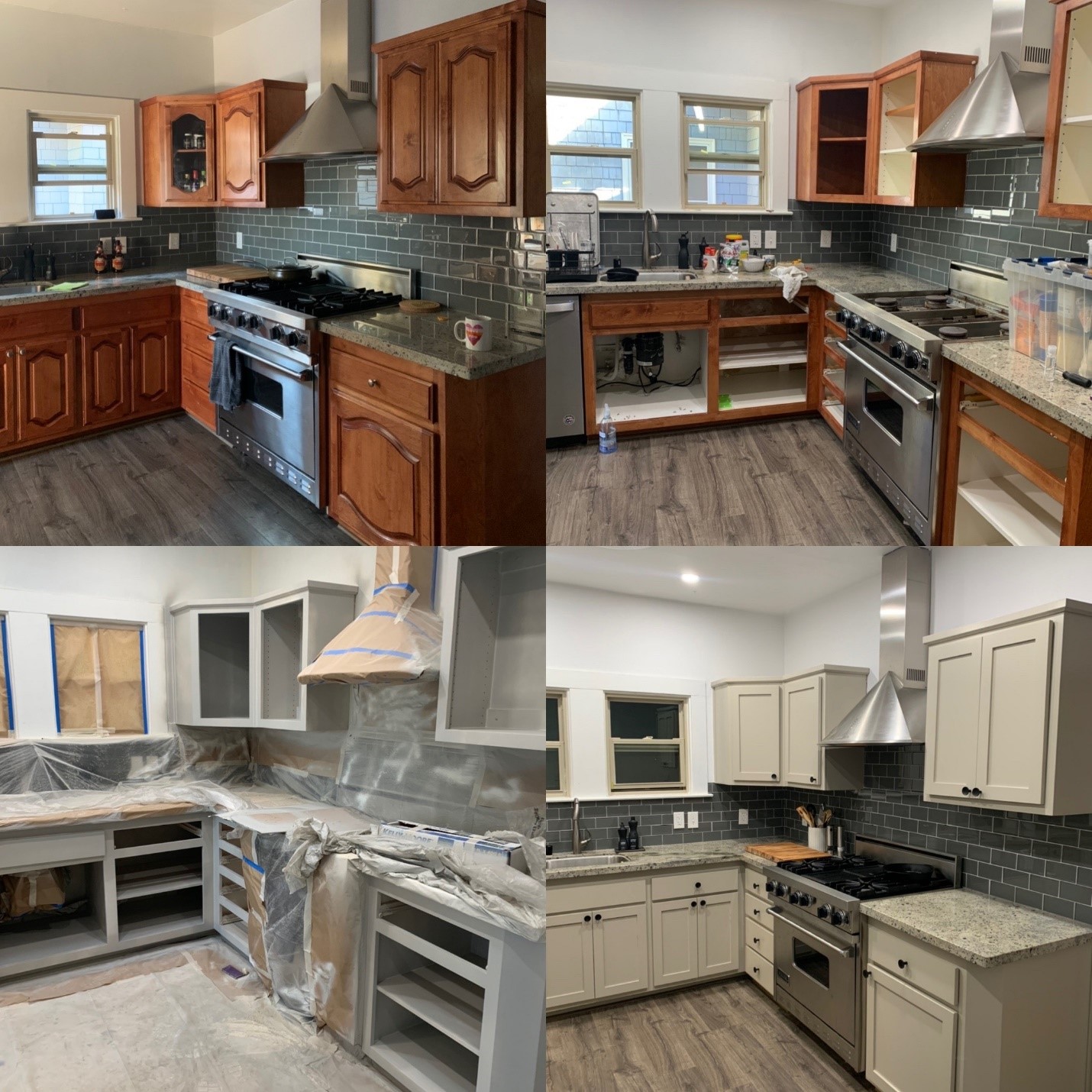
Image Source: cdn11.bigcommerce.com
Why Opt for Replacing Cabinet Doors?
There are several compelling reasons to choose replacing your cabinet doors over a complete kitchen remodel:
Cost Savings
This is often the primary driver. A full kitchen renovation can easily run into tens of thousands of dollars. Replacing just the doors can slash that cost by 50-70% or even more, depending on the materials you choose. You are essentially refreshing the “face” of your kitchen without touching the underlying cabinet boxes (carcasses), which are typically still sound and functional. This smart approach targets the most impactful visual element for a fraction of the price.
Speed and Convenience
Swapping out doors is significantly faster than a full gutting and renovation. There’s less mess, less disruption to your daily life, and the project can often be completed in a weekend or two, rather than weeks or months. This means you won’t be without a functional kitchen for an extended period.
Customization and Style
Replacing doors offers incredible flexibility in terms of style, color, and material. You can choose from a vast array of designs, from traditional raised panels to sleek Shaker styles or modern slab doors. This allows you to perfectly match your desired aesthetic and update kitchen cabinets to reflect current trends or your personal taste.
Environmental Friendliness
By keeping your existing cabinet boxes, you’re reducing waste. This is a more sustainable choice than discarding perfectly good cabinet structures. You’re essentially giving your kitchen a new life without creating unnecessary landfill contributions.
Gauging Your Project: What Needs Replacing?
Before diving in, it’s crucial to assess your current cabinetry.
Inspecting the Existing Cabinet Boxes
The success of replacing cabinet doors hinges on the condition of your existing cabinet boxes (the frames).
- Structural Integrity: Check for any signs of damage, water rot, mold, or structural weakness. If the boxes are sound, you’re good to go.
- Drawer Boxes: Similarly, inspect your drawer boxes. If they are warped, damaged, or have failing hardware, you might need to address those separately, though this is less common than door issues.
- Hinge and Drawer Slide Compatibility: Note the type of hinges and drawer slides you currently have. Newer doors will require compatible hardware. Many modern doors use concealed (European-style) hinges that attach to a mounting plate.
Measuring is Crucial
Accurate measurements are paramount. Incorrectly sized doors will not fit or operate correctly.
Measuring Cabinet Doors for Replacement
- Overlay Type: Determine if your current doors have a full overlay, partial overlay, or inset design.
- Full Overlay: Doors cover almost the entire cabinet face, leaving minimal gaps between them.
- Partial Overlay: Doors cover a portion of the cabinet face, leaving wider gaps between them.
- Inset: Doors sit flush within the cabinet frame. This style requires very precise measurements and is less common for DIY replacements due to the tight tolerances.
- Measure Existing Doors:
- Width: Measure the exact width of one of your existing cabinet doors from edge to edge.
- Height: Measure the exact height of the same door from edge to edge.
- Thickness: Measure the thickness of the door. This is important for hinge and drawer pull placement.
- Measure Cabinet Openings (for Inset): If you have inset doors, measure the height and width of the actual opening within the cabinet frame. You’ll also need to account for the gap around the door for clearance.
Measuring Drawer Fronts
Drawer fronts are typically attached to the drawer box itself.
- Width: Measure the width of the drawer front from edge to edge.
- Height: Measure the height of the drawer front from edge to edge.
- Thickness: Measure the thickness of the drawer front.
Pro Tip: It’s best to measure several doors and drawer fronts, especially if your cabinets are older. Slight variations can occur. Use your measurements as a guide, but when ordering, you’ll likely provide these dimensions to the supplier.
Sourcing Your New Cabinet Doors
Once you know what you need, it’s time to find your new doors. You have several excellent options.
Options for New Cabinet Doors
- Ready-Made Doors: Many home improvement stores and online retailers offer a selection of standard-sized doors in popular styles and finishes. These are often the most budget-friendly option but may require you to match your existing overlay or cabinet construction.
- **Custom Cabinet Doors: This is the most flexible option. You can order doors made to your exact specifications, ensuring a perfect fit and allowing for unique styles, wood species, and finishes. This is ideal if your existing cabinet boxes have non-standard dimensions or if you want a very specific look. Many online companies specialize in this.
- DIY Cabinet Doors: For the truly ambitious DIYer, you can build your own cabinet doors. This requires woodworking skills, tools, and time, but it offers ultimate control over the design and can be very cost-effective if you have the capabilities.
Key Considerations When Ordering
- Material: Options include solid wood (maple, cherry, oak, alder), MDF (medium-density fiberboard, often painted), particleboard, or even metal. Wood offers a classic look, while MDF is excellent for painted finishes.
- Style: Shaker, raised panel, flat panel, beadboard, slab – choose a style that complements your kitchen’s overall design.
- Finish: Doors can come unfinished (ready for you to paint or stain), pre-primed, or fully finished.
- Hinge Boring: Most cabinet door suppliers can pre-drill holes for hinges. Specify the type of hinge (e.g., Euro-style, concealed) and the setback from the door edge. This is a crucial step to get right for easy installation.
- Drawer Fronts: Order these with the same considerations as doors – material, style, and dimensions.
Cabinet Door Replacement Kits
While not as common as ordering individual doors, some companies offer cabinet door replacement kits that might include doors, drawer fronts, and necessary hardware. These can be convenient but ensure they meet your specific needs.
Preparing for the Swap
Before your new doors arrive, there are a few preparatory steps.
Removing Existing Doors and Drawer Fronts
This is a straightforward process.
- Protect Your Countertops: Lay down drop cloths or old towels to prevent scratching your countertops and floors.
- Open the Cabinet: Swing the cabinet door open.
- Support the Door: Have a helper hold the door or place a block of wood underneath it to take the weight.
- Remove Hinges: Locate the screws attaching the hinge to the cabinet frame. Unscrew them. The door should then come off. You might have one or two hinges per door.
- Label Everything: Use masking tape and a marker to label each door and its corresponding cabinet opening (e.g., “Upper Left,” “Base Drawer 2”). This is vital for reinstallation. Also, label the hinges if they are specific to a door.
- Remove Drawer Fronts: For drawer fronts, you’ll typically unscrew them from the front of the drawer box. Sometimes they are attached from the inside.
Cleaning and Minor Repairs
- Clean Cabinet Boxes: Now is the perfect time to thoroughly clean the inside and outside of your cabinet boxes. Wipe away any grease, dust, or debris.
- Address Minor Damage: If you notice any small dings or scratches on the cabinet boxes, you can fill them with wood filler and touch them up with paint or stain to match.
Installing Your New Cabinet Doors
This is where the transformation begins!
Attaching New Hinges
- Hinge Plates: If you are using concealed hinges, you’ll first need to attach the mounting plates to the inside of the cabinet frame. These usually screw into pre-drilled holes or existing screw locations. Ensure they are level and positioned correctly for the overlay of your new doors.
- Door Hinges: Your new doors will likely have pre-drilled holes for the hinges (the cup part). Insert the hinges and secure them with screws.
Mounting the New Doors
- Position the Door: With your new door in hand, align the hinges with the mounting plates on the cabinet frame. It helps to have a helper hold the door in place.
- Initial Screw Attachment: Loosely screw the hinges to the mounting plates. Don’t tighten them fully yet.
- Check Alignment: Open and close the door to check its alignment. Does it swing freely? Is the reveal (the gap between doors) even?
- Adjust Hinges: Most concealed hinges have adjustment screws. These allow you to fine-tune the door’s position:
- In/Out: Adjusts how far the door sits from the cabinet frame.
- Up/Down: Adjusts the vertical position of the door.
- Left/Right: Adjusts the horizontal position and gap between doors.
- Use a level to ensure the doors are straight.
- Tighten Screws: Once the doors are perfectly aligned, tighten all hinge screws securely.
Installing New Drawer Fronts
- Drawer Box Preparation: Ensure the drawer box is clean.
- Attaching the Front: Align the new drawer front with the drawer box. Many modern drawer fronts attach with screws from the inside of the drawer box, through pre-drilled holes in the drawer box, and into the back of the drawer front.
- Drawer Slide Check: If you also replaced drawer slides, ensure they are installed correctly and aligned with the cabinet frame and the drawer box.
Finishing Touches: Hardware and Beyond
The final details make a big difference.
Cabinet Hardware Replacement
This is a critical step for both aesthetics and functionality.
- Knobs and Pulls: Choose hardware that complements your new doors and your kitchen’s style. Consider the finish (brushed nickel, matte black, brass), the style (modern, traditional), and the ergonomics (how comfortable they are to grip).
- Placement: Measure carefully for hardware placement. You can use a template or a specialized jig for consistent placement on all doors and drawers. For drawers, consider placing the pull centered vertically and horizontally, or higher up for a more modern look. For doors, placing the pull centered horizontally and about two-thirds of the way up from the bottom is common.
- Drilling: If your new doors and drawer fronts don’t have pre-drilled holes for hardware, you’ll need to drill them. Use a drill bit appropriate for the hardware screw size and a steady hand. A drill press or a specialized jig can ensure straight holes.
Consider Other Cabinet Renewal Aspects
While focusing on doors, you might also consider:
- **Cabinet Resurfacing: If your cabinet boxes have a finish you dislike or that is damaged, you could consider resurfacing them. This can involve painting, staining, or applying a veneer. This can be done before or after attaching the new doors.
- Undercabinet Lighting: Installing LED strip lighting can add ambiance and task lighting to your kitchen.
- New Drawer Slides or Hinges: If your existing hardware is worn out or you want a smoother operation, replacing hinges and drawer slides is a worthwhile upgrade that can be done alongside the door replacement.
Frequently Asked Questions (FAQ)
Q: How much money can I save by just replacing kitchen cabinet doors?
A: You can save a significant amount, often between 50-70% or more compared to a full kitchen cabinet replacement. This is because you’re retaining the existing cabinet boxes, which are a major component of the overall cost.
Q: Can I replace cabinet doors if my cabinets are an unusual size?
A: Yes, absolutely. While ready-made doors come in standard sizes, ordering custom cabinet doors is an excellent solution for non-standard cabinet dimensions. You provide the exact measurements, and the doors are made to fit perfectly.
Q: What is kitchen cabinet refacing vs. replacing cabinet doors?
A: Kitchen cabinet refacing is a professional service that typically involves replacing doors and drawer fronts, and often applying a new veneer or laminate to the existing cabinet boxes. A DIY cabinet door swap focuses on just replacing the doors and drawer fronts, leaving the cabinet boxes as they are (though you can certainly clean or paint them as part of the project).
Q: Are cabinet door replacement kits a good option?
A: Cabinet door replacement kits can be convenient if they offer precisely what you need. However, it’s often more flexible and cost-effective to order doors and drawer fronts individually from a specialist supplier, especially if you need custom sizes or specific styles.
Q: What is the most difficult part of a DIY cabinet door swap?
A: The most challenging part for many is achieving perfect alignment of the new doors. This requires patience and precise adjustment of the hinges using their built-in screws. Measuring accurately is also critical to avoid ordering incorrectly sized doors.
Q: How do I know what type of hinges to order?
A: Most modern cabinet doors use concealed (Euro-style) hinges. You’ll need to know the overlay of your cabinet doors (full, partial) and the type of mounting plate your cabinet boxes have (or will accommodate). If unsure, it’s best to consult with your door supplier or look at the existing hinge attachments on your cabinet frame.
Q: Can I paint or stain my new cabinet doors myself?
A: Yes, if you order unfinished doors. This is a great way to save money and customize the color to your exact preference. Ensure you prepare the surfaces properly by sanding and priming for a smooth, durable finish.
Q: How do I handle drawer fronts?
A: Drawer fronts are typically ordered with the same style and material as your cabinet doors. They are usually attached to the existing drawer boxes. Measure your current drawer fronts precisely and order new ones to match.
Q: What if my cabinet boxes are in bad shape?
A: If your cabinet boxes are structurally unsound, warped, or damaged, then simply replacing the doors might not be enough. In such cases, a more extensive renovation, such as cabinet box replacement or a full kitchen remodel, would be necessary. Always inspect the boxes thoroughly first.
Conclusion
Replacing your kitchen cabinet doors is an incredibly effective and economical way to update kitchen cabinets and achieve a significant aesthetic upgrade. By carefully measuring, choosing the right style and materials, and following these DIY steps, you can transform your kitchen’s appearance without breaking the bank. This cabinet door swap is a rewarding project that can dramatically enhance your home’s value and your enjoyment of your kitchen space. The process of kitchen cabinet renewal doesn’t have to be complicated or costly; with the right approach, you can enjoy a beautiful, refreshed kitchen.