Yes, you absolutely can change kitchen cupboard doors! This is a fantastic way to update the look of your kitchen without the massive expense and disruption of a full remodel. If your cupboard frames are in good shape, but the doors are looking tired, outdated, or just not your style, kitchen cabinet door replacement is a brilliant solution. It’s a project that can range from a simple DIY endeavor to a more involved undertaking, depending on the look you want to achieve. This guide will walk you through everything you need to know about transforming your kitchen by choosing to swap cabinet doors.
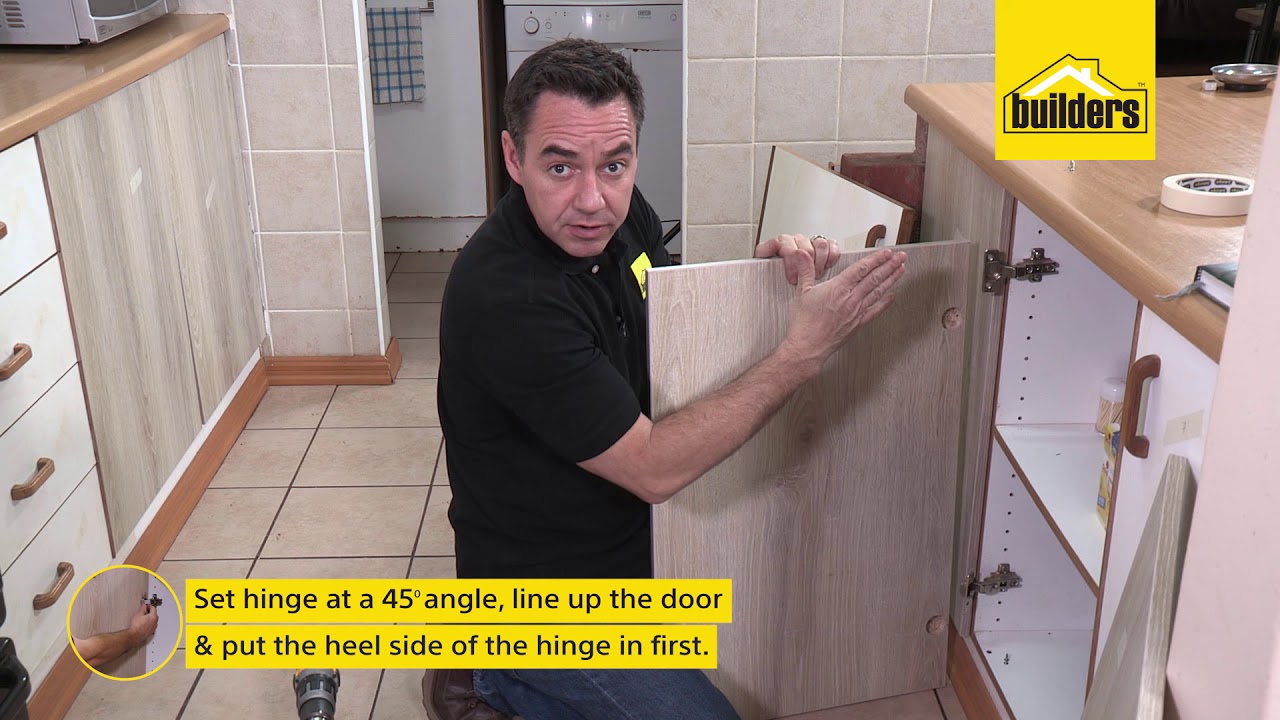
Image Source: i.ytimg.com
Why Swap Out Your Kitchen Cabinet Doors?
There are many compelling reasons why homeowners opt to replace kitchen cabinet fronts. It’s a smart move for several key reasons:
- Aesthetic Overhaul: The most common driver is a desire for a fresh look. Doors are the most visible part of your cabinetry. Changing them can completely transform your kitchen’s style, from modern and sleek to classic and cozy.
- Cost-Effectiveness: Compared to a complete kitchen renovation, which involves new cabinets, countertops, and often appliances, replacing doors is significantly more affordable. You get a big visual impact for a smaller investment.
- Durability and Functionality: Over time, doors can wear out. Hinges can sag, finishes can chip, and the material itself might be damaged. New doors bring renewed functionality and a pristine appearance.
- Addressing Damage: Scratches, dents, or water damage on existing doors can be a nuisance. Replacing them is a straightforward fix.
- Personalization: You might have bought a home with cabinets that aren’t quite your taste. Swapping doors allows you to inject your personality and style into the space.
- Sustainability: If your cabinet boxes are solid and well-built, replacing only the doors is a more sustainable choice than discarding entire cabinets.
Is Kitchen Cabinet Door Replacement for You?
Before diving in, it’s wise to assess if this type of kitchen door renovation is the right fit for your situation. Here are some questions to ask yourself:
- Are the Cabinet Boxes Sound? This is the most critical factor. The carcass or boxes of your cabinets need to be sturdy, level, and in good condition. If the boxes are warped, water-damaged, or poorly constructed, simply replacing the doors won’t solve underlying structural issues.
- What is Your Budget? While generally cheaper than a full remodel, the cost can vary greatly depending on the materials, complexity, and whether you DIY or hire a professional.
- What is Your Desired Style? Have you thought about cabinet door styles that would best suit your kitchen’s overall design?
- What is Your Skill Level? Are you comfortable with basic measurements and DIY tasks, or will you need to enlist professional help?
When to Consider a Full Kitchen Remodel Instead
While kitchen cupboard refacing is often a great option, there are times when a complete overhaul is necessary:
- Damaged or Outdated Cabinet Boxes: If the internal structure of your cabinets is compromised, rotted, or the layout needs a complete redesign, new cabinets are the way to go.
- Poor Cabinet Layout: If your current kitchen layout feels inefficient or doesn’t meet your needs, a full remodel allows for redesigning the entire cabinet structure.
- Wanting a Major Style Shift: If you’re aiming for a dramatic transformation that involves changing the entire kitchen’s architecture or a significant layout change, a full remodel is more appropriate.
- Appliance Upgrades Requiring Cabinet Adjustments: Sometimes, new appliances require custom cabinet modifications or entirely new cabinet placements.
Options for Changing Your Kitchen Cabinet Doors
There are several avenues to explore when you decide to swap cabinet doors. Each has its pros and cons:
1. Custom Kitchen Doors
This is often the most appealing route for those seeking a perfect fit and unique style.
- What it entails: You work with a manufacturer or artisan to design and build doors specifically for your existing cabinet frames. This allows for precise measurements, specific wood types, finishes, and unique cabinet door styles.
- Pros:
- Perfect Fit: Doors are made to your exact measurements.
- Unlimited Style Options: You can choose from virtually any design, material, and finish.
- High-Quality Materials: Often uses premium woods and finishes.
- Matching Existing Style: Can be designed to perfectly match your current kitchen aesthetic or a new one you envision.
- Cons:
- Higher Cost: Customization comes with a higher price tag.
- Longer Lead Times: Manufacturing can take several weeks or even months.
- Requires Precise Measurements: Accuracy is paramount for custom orders.
2. Pre-made Doors (Stock or Semi-Custom)
Many companies offer a range of pre-made cabinet doors that can fit standard cabinet sizes.
- What it entails: You select doors from a catalog or online store that match common cabinet dimensions. Some companies offer limited customization options, like choosing hinge types or specific finishes.
- Pros:
- More Affordable: Generally less expensive than custom-made doors.
- Quicker Turnaround: Often available much faster than custom orders.
- Wide Variety of Styles: Many options in terms of materials, colors, and cabinet door styles.
- Cons:
- May Not Fit Perfectly: If your cabinet openings are slightly non-standard, you might need to make minor adjustments or accept a small gap.
- Less Design Flexibility: You are limited to the styles and finishes offered by the manufacturer.
3. DIY Cabinet Doors
For the hands-on homeowner, creating your own doors can be a rewarding and cost-effective solution.
- What it entails: This involves purchasing raw materials (wood, MDF, etc.) and building the doors yourself using woodworking tools and techniques.
- Pros:
- Most Cost-Effective: Potentially the cheapest option if you have the tools and skills.
- Complete Design Control: You decide every aspect of the door’s look.
- Sense of Accomplishment: A rewarding project for DIY enthusiasts.
- Cons:
- Requires Skill and Tools: You need woodworking knowledge, precision, and specialized tools.
- Time-Consuming: Building doors from scratch takes significant time and effort.
- Potential for Imperfect Results: If not done precisely, the doors may not look professional.
4. Refacing Your Existing Doors
This isn’t strictly replacing doors, but it’s a viable alternative if your current doors are structurally sound but just need a refresh.
- What it entails: This involves sanding down your existing doors, repairing any damage, and then repainting or refinishing them.
- Pros:
- Very Cost-Effective: Often the cheapest option.
- Retains Original Fit: You’re working with the doors you already have.
- Environmentally Friendly: Reduces waste by reusing existing materials.
- Cons:
- Limited Style Change: You can’t fundamentally change the door’s design (e.g., from flat panel to raised panel).
- Labor Intensive: Requires significant prep work like sanding and priming.
- Durability of Finish: The longevity of the new finish depends on the quality of the prep work and the paint/stain used.
Steps for a Successful Kitchen Door Renovation
Whether you’re ordering custom doors, buying pre-made ones, or going the DIY route, the process involves several key stages. This is your blueprint for a successful kitchen door renovation.
Step 1: Planning and Measurement
This is the most crucial phase. Accuracy here prevents costly mistakes.
- Assess Your Current Cabinet Boxes: Ensure they are square, level, and structurally sound.
- Measure Each Opening Precisely:
- Measure the height and width of each cabinet opening.
- For overlay doors (which cover the cabinet frame), the doors will be larger than the opening. Measure the opening and then add the desired overlay amount (typically 1/2 inch to 3/4 inch on each side).
- For inset doors (which fit within the cabinet frame), the doors will be the exact size of the opening, with a small, consistent gap around them.
- Crucially, measure the thickness of the doors you want to replace if you are using existing hinges.
- Identify Hinge Types:
- Overlay Hinges: These allow the door to sit on top of the cabinet frame. Most modern kitchens use them.
- Inset Hinges: These are for doors that sit flush within the cabinet frame.
- Concealed/European Hinges: These are hidden when the door is closed and often have soft-close features. They require a specific type of boring in the door.
-
Determine Door Style and Material:
- Shaker: A classic, clean design with a flat center panel and a raised or beveled frame. Versatile for many styles.
- Flat Panel (Slab): A simple, modern look with a single flat piece of material.
- Raised Panel: Features a center panel that is raised, offering a more traditional or formal look.
- Recessed Panel: Similar to Shaker but with a deeper recess in the center panel.
- Beadboard: Features vertical grooves, giving a cottage or farmhouse feel.
- Materials:
- Solid Wood (Maple, Cherry, Oak, Birch): Durable, beautiful, and can be stained or painted. Each wood has unique grain patterns and color.
- MDF (Medium-Density Fiberboard): Smooth, stable, and excellent for painting. Can be MDF with a wood veneer for a natural look.
- Thermo-foil: A vinyl film applied over MDF, offering a smooth, uniform finish in various colors and wood grains. Less durable than wood or painted MDF.
- Laminate: Similar to thermo-foil but often thicker and more durable.
-
Consider Hardware: Decide if you’ll reuse your existing hardware (knobs, pulls) or get new ones. Ensure new hardware is compatible with your chosen doors.
Step 2: Ordering or Creating Your New Doors
Once you have all your measurements and style preferences, it’s time to source your new kitchen cupboard doors.
- For Custom Doors:
- Find reputable manufacturers or local cabinet makers.
- Provide them with detailed measurements, desired style, material, and finish.
- Request samples if possible to see the color and grain.
- For Pre-made Doors:
- Browse online retailers or local kitchen supply stores.
- Carefully match your measurements to the available sizes. Be prepared for slight variations.
- Check reviews for quality and customer service.
- For DIY Cabinet Doors:
- Purchase your chosen wood or MDF.
- Use your precise measurements to cut the panels and stiles/rails for the doors.
- Assemble the doors using wood glue and clamps.
- Sand and prepare them for finishing.
Step 3: Removing the Old Doors
This is straightforward but requires care.
- Empty Cabinets: Remove everything from your cabinets to give yourself space and prevent damage.
- Mark Doors: If you plan to put them back later or sell them, mark each door with its corresponding cabinet location (e.g., “Base Cabinet Left,” “Upper Corner Right”).
- Support the Doors: Have a helper or a sturdy box to support the door as you remove the last screw.
- Unscrew Hinges:
- Option 1 (Best for Reuse/New Doors): Unscrew the hinges from the doors first, then unscrew the hinges from the cabinet frames. Keep all the screws organized.
- Option 2 (If you’re confident with placement): Support the door, unscrew the hinges from the cabinet frame, and then remove the door. This leaves the hinges attached to the doors, which can be helpful if you’re confident you’ll place them back exactly.
- Store Hardware: Keep all screws, hinges, and any existing hardware in labeled bags.
Step 4: Preparing the Cabinet Frames (Optional but Recommended)
While the doors are off, it’s a good time to do any necessary prep work on the cabinet boxes.
- Clean: Wipe down the cabinet frames thoroughly to remove grease and grime.
- Repair: Fill any small holes or gouges with wood filler and sand smooth.
- Paint or Refinish: If you want to paint or stain your cabinet frames to match your new doors, now is the perfect time. Allow ample drying time.
Step 5: Installing the New Doors
This is where your kitchen starts to transform!
- Attach Hinges to New Doors: If your hinges came detached, screw them onto the new doors first. Ensure they are positioned correctly according to the pre-drilled holes or your measurements.
- Attach Doors to Cabinet Frames:
- Overlay Doors: Hold the door in place against the cabinet frame, ensuring the desired overlay. Use a level to ensure the door is straight both horizontally and vertically.
- Inset Doors: Place the door within the opening and ensure an even gap around all sides.
- Secure Hinges: Screw the hinges onto the cabinet frames. Start with a few screws to hold the door in place, then check alignment.
- Adjust Hinges: Most modern hinges have adjustment screws. Use these to fine-tune the door’s position, ensuring it hangs straight, closes properly, and the gaps are even. Adjustments can usually be made up, down, left, right, and in/out.
- Install Hardware: Once the doors are hanging correctly, attach your new knobs or pulls.
Step 6: Finishing Touches
- Check Alignment: Step back and look at all your new doors. Make any final hinge adjustments.
- Clean Up: Remove any fingerprints or dust from the new doors.
- Reorganize: Put everything back into your refreshed cabinets.
Popular Cabinet Door Styles and Materials
Choosing the right cabinet door styles and materials is key to achieving your desired kitchen aesthetic.
Door Styles
| Style | Description | Best For |
|---|---|---|
| Shaker | Flat center panel with a simple, clean frame. | Transitional, Modern, Farmhouse, Coastal |
| Slab (Flat) | Single flat panel, often with a smooth finish. | Modern, Minimalist, Contemporary |
| Raised Panel | Center panel is raised, creating depth and a more traditional look. | Traditional, Classic, Formal |
| Recessed Panel | Similar to Shaker, but the center panel is deeply inset. | Transitional, Contemporary, Cottage |
| Inset (Frame) | The door sits flush within the cabinet frame, creating a clean, built-in look. | Traditional, High-end, Classic |
| Beadboard | Features vertical grooves for a charming, cottage or farmhouse feel. | Farmhouse, Coastal, Cottage, Country |
Common Materials
| Material | Pros | Cons |
|---|---|---|
| Solid Wood | Durable, beautiful natural grain, can be stained or painted, repairable. | Can warp/expand with humidity changes, more expensive. |
| MDF | Stable, smooth surface ideal for painting, cost-effective. | Can be damaged by moisture if not properly sealed/finished, heavier. |
| Thermo-foil | Smooth, uniform finish, good color variety, relatively inexpensive. | Can peel or chip over time, especially with heat/moisture, harder to repair. |
| Laminate | Durable, scratch-resistant, variety of finishes, easy to clean. | Can chip at edges, less customizable than wood, cannot be refinished. |
Tips for a Smooth Kitchen Door Replacement Project
- Order Extra: It’s wise to order one or two extra doors, especially if going the DIY route or if your cabinet openings are slightly irregular. These can be spares or used for practice.
- Hinge Compatibility: Pay close attention to the type of hinges your existing cabinets use and ensure your new doors are drilled for them, or that you are purchasing compatible hinges.
- Soft-Close Hinges: Consider upgrading to soft-close hinges. They add a touch of luxury and prevent doors from slamming shut.
- Hardware Placement: If you’re installing new hardware, measure carefully and use a template or jig for consistent placement on all doors.
- Professional Help: If you’re not confident with measurements or installation, consider hiring a handyman or a kitchen installer. It can save you time and frustration.
- Test Fit: Before fully screwing in all hinges, temporarily attach the doors to ensure they hang correctly and open smoothly.
Frequently Asked Questions (FAQ)
Q1: Can I really change just the doors on my kitchen cabinets?
A1: Yes, absolutely! If your cabinet boxes (the frames) are in good condition, replacing the doors is a common and effective way to update your kitchen’s appearance.
Q2: How much does it cost to replace kitchen cabinet doors?
A2: The cost varies significantly. You could spend anywhere from a few hundred dollars for basic DIY or stock doors to several thousand dollars for custom-made, high-quality wood doors for an entire kitchen.
Q3: What is the best material for new kitchen cabinet doors?
A3: For durability and a premium look, solid wood (like maple or cherry) is often preferred. For a smooth painted finish, MDF is an excellent choice. Thermo-foil and laminate are more budget-friendly options.
Q4: Do I need special tools to swap cabinet doors?
A4: You’ll need basic tools like a screwdriver (preferably a cordless drill/driver with various bits), a tape measure, a level, and possibly a putty knife and wood filler if you need to fill old screw holes. Specialized tools like hinge jigs can help with precise installation, especially for concealed hinges.
Q5: Can I change the style of my cabinet doors (e.g., from raised panel to shaker)?
A5: Yes, as long as you order new doors that are sized correctly for your cabinet openings and are compatible with your existing hinge system (or you plan to replace the hinges).
Q6: How do I measure for new cabinet doors?
A6: Measure the exact height and width of each cabinet opening. For overlay doors, you’ll need to add an overlay amount (usually 1/2″ to 3/4″ on all sides) to the opening’s dimensions. For inset doors, the door dimensions should match the opening precisely, with a small, consistent gap.
Q7: What is kitchen cupboard refacing?
A7: Kitchen cupboard refacing is a process that updates the look of your cabinets by replacing the doors and drawer fronts, and often applying a new veneer or laminate to the exposed cabinet frames. It’s an alternative to a full cabinet replacement.
Q8: Can I repaint my existing kitchen cabinet doors instead of replacing them?
A8: Yes, repainting existing doors is a popular and cost-effective DIY option. It requires proper preparation, including cleaning, sanding, priming, and using a durable cabinet paint.
By following this guide, you can confidently embark on your kitchen door renovation project, breathing new life into your kitchen with stylish and functional new kitchen cupboard doors. Whether you choose to swap cabinet doors, go the DIY cabinet doors route, or explore custom kitchen doors, the result will be a refreshed and beautiful space.