A bad smell coming from your kitchen sink is annoying. It can make your whole kitchen smell bad. It often signals leftover food or grease stuck in the drain or garbage disposal. You can usually fix this quickly using simple things you have at home or common cleaning products. This guide will show you how to remove bad odor from your kitchen sink fast and keep it smelling fresh.
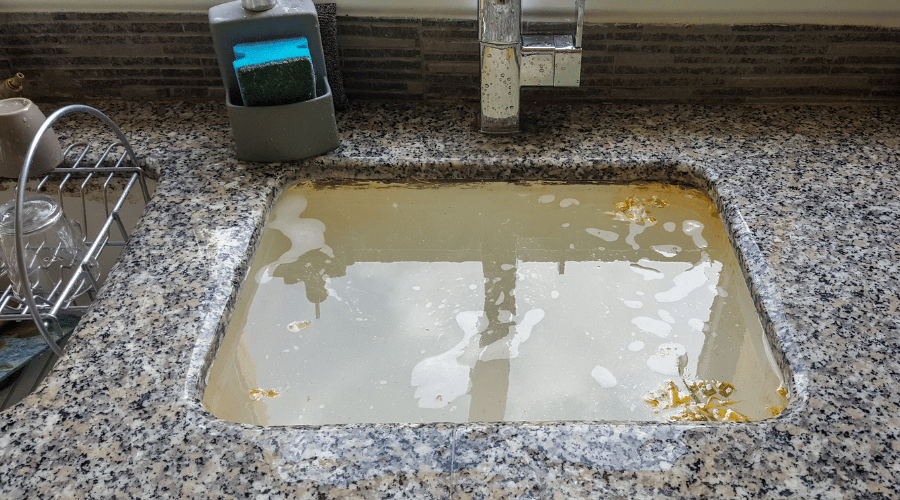
Image Source: restorationmasterfinder.com
Decoding Sink Smells
Why does your kitchen sink smell bad? There are a few main reasons. Causes of sink smell often come from food bits, grease, and soap scum building up in the drain pipes or garbage disposal. Over time, these things rot and make gas. This gas smells very bad. Sometimes, the smell comes from a problem with your drain’s trap or even from sewer gas.
Quick Ways to Fix a Smelly Drain
You want a smelly kitchen drain fix that works fast. Here are some methods you can try right away. They use simple items most people have.
Using Hot Water
This is the easiest first step.
Pouring very hot water down the drain can help.
Boil a pot of water.
Slowly pour it down the drain.
Be careful not to splash yourself.
Hot water can melt grease and push small bits of food away.
Do this a few times.
This might be enough for a light smell.
The Power of Baking Soda and Vinegar
This is a popular and effective natural remedies for drain odor. It works for many smells.
You need baking soda and white vinegar.
First, pour about half a cup of baking soda down the drain.
Let it sit for a few minutes.
Then, pour about one cup of white vinegar down the drain.
You will see bubbling and fizzing. This reaction helps break down gunk.
Let this mix sit for 15-30 minutes.
After waiting, flush the drain with hot water.
This vinegar baking soda drain cleaner is great for regular cleaning.
Using Salt and Hot Water
Salt can help scrub the inside of pipes.
Pour half a cup of salt down the drain.
Follow it with very hot water.
The salt acts like a scrubber as it goes down.
This can help remove slimy buildup.
Tackling Smells from the Garbage Disposal
Your garbage disposal is a common source of bad smells. Food bits get stuck under the blades or in the chamber. Garbage disposal odor removal needs special steps.
Citrus Peels Method
Citrus fruits smell fresh. Their peels can help clean the disposal.
Save peels from lemons, oranges, or limes.
Run the disposal with cold water running.
Drop a few peels down the drain one by one.
The peels grind up. They release fresh oils.
They also help clean the inside parts.
Do not overload the disposal with too many peels at once.
Ice and Salt Trick
This method cleans and sharpens the disposal blades a bit.
Put about two cups of ice cubes in the disposal.
Add half a cup of salt.
Turn on cold water.
Turn on the disposal.
The ice and salt grind up. They scrape food off the sides and blades.
The salt helps kill some bacteria causing the smell.
Keep the water running until the ice is gone.
Baking Soda and Vinegar for Disposal
You can use the vinegar baking soda drain cleaner method here too.
Put half a cup of baking soda into the disposal.
Pour one cup of vinegar in.
Let it fizz for 10-15 minutes.
Then, run the disposal with cold water for a minute.
Cleaning the Sink Drain Itself
Sometimes, the smell is right at the drain opening or just below it. Knowing how to clean a smelly sink drain involves cleaning what you can see and what’s just out of sight.
Cleaning the Strainer and Stopper
Food bits often get caught on the drain strainer or stopper.
Take out the strainer or stopper.
Clean it well.
Use an old toothbrush and dish soap.
Rinse it under hot water.
Clean the area around the drain opening too.
Using a Bottle Brush
A bottle brush is long and thin. It can reach into the drain opening.
Use a bottle brush to scrub the inside of the drain pipe opening.
Use some dish soap and hot water.
Scrub as far down as you can reach.
This removes slime and food buildup near the top.
Natural Remedies for Drain Odor
Many people prefer to use safe, natural options. These methods are good for your pipes and the environment. Beyond baking soda and vinegar, there are other natural remedies for drain odor.
Plain Boiling Water
As mentioned, hot water is simple but useful.
Boil a large pot of water.
Pour it slowly down the drain.
Do this regularly to prevent smells.
Using Borax, Vinegar, and Hot Water
Borax is a natural cleaner and deodorizer.
Mix 1/4 cup of borax, 1/4 cup of salt, and 1/2 cup of white vinegar.
Pour this mix down the drain.
Let it sit for at least 30 minutes.
Then, pour a pot of boiling water down the drain.
This combination is stronger for tough odors.
Lemon and Hot Water
Cut a lemon into slices.
Squeeze the juice down the drain.
Put the slices down the drain if you have a disposal (see citrus method).
If no disposal, just use the juice and follow with hot water.
Lemon is a natural degreaser and leaves a fresh scent.
Dealing with a Clogged and Smelly Sink
Sometimes, a bad smell means there is a blockage. Dealing with clogged and smelly sink needs a bit more effort. A clog traps food and water, making smells worse.
Using a Plunger
A plunger can help remove clogs near the drain opening.
Fill the sink with enough water to cover the plunger cup.
Put the plunger over the drain. Make a tight seal.
Pump the plunger up and down hard for about 20-30 seconds.
Pull the plunger up quickly.
Repeat a few times if needed.
This pressure can loosen or push the clog through.
The Baking Soda and Vinegar Method (Again)
This method is also good for minor clogs that cause smells.
The fizzing helps break things apart.
Follow the steps described earlier.
Use hotter water for flushing after the fizzing stops.
Using a Drain Snake or Augur
For deeper clogs, you might need a drain snake.
A drain snake is a long, flexible tool.
It goes into the drain pipe.
It can grab or break up blockages.
Feed the snake into the drain gently.
Turn the handle to help it go around bends.
When you feel resistance, you’ve hit something.
Try to break it up or pull it out.
Be careful not to scratch your pipes.
Once clear, run hot water to flush the pipe.
Recognizing and Dealing with Sewer Gas Smell
A very strong, rotten egg smell might be sewer gas smell from sink. This is less common but more serious. Sewer gas contains methane and other gases. It smells bad and can be harmful in large amounts.
Check the P-Trap
Every sink has a curved pipe under it. This is the P-trap (or S-trap).
Its job is to hold a little water.
This water creates a seal.
The seal stops sewer gas from coming up from the sewer line.
If the trap dries out, the seal is broken.
This can happen if you don’t use the sink often.
Pour water down the drain.
This refills the trap and should stop the smell.
If the trap is cracked or leaking, it needs fixing. Check under the sink for drips.
Check for Leaks in Pipes
Sewer gas can also escape from cracks or loose connections in your drain pipes.
Look for wet spots or drips under the sink.
Check all pipe connections.
Tighten any loose fittings.
Major leaks or broken pipes need a plumber.
Vent Pipe Issues
Kitchen sink drains have vent pipes. They go through the roof.
They let in air, helping water drain.
They also let sewer gas vent safely outside.
If a vent pipe is blocked (like by a bird’s nest) or damaged, gas can build up and come through drains.
This is harder to check yourself.
If pouring water down the drain doesn’t fix a strong sewer smell, call a plumber. They have tools to check vent pipes.
DIY Sink Drain Deodorizer
You can make your own mixes to keep your drain smelling fresh regularly. A DIY sink drain deodorizer is simple and cheap.
Citrus and Salt Mix
Mix coarse salt with citrus zest (grated peel).
Put a spoonful down the drain.
Follow with a little hot water.
The salt scrubs, the zest smells fresh.
Baking Soda and Essential Oils
Mix baking soda with a few drops of essential oil.
Good choices are lemon, orange, peppermint, or tea tree oil.
Use about 1 cup of baking soda and 10-20 drops of oil.
Mix well.
Store in a jar.
Sprinkle a spoonful down the drain once a week.
Follow with hot water.
The baking soda absorbs smells. The oils add a fresh scent and can help fight bacteria.
Vinegar Ice Cubes
Fill an ice cube tray with white vinegar.
Freeze the vinegar into cubes.
Drop one or two vinegar ice cubes down the drain (especially if you have a disposal).
Run cold water and the disposal (if applicable).
The ice helps scrape. The melting vinegar cleans and deodorizes slowly.
Products to Eliminate Drain Smell
If natural methods aren’t enough, or you prefer ready-made options, several products to eliminate drain smell are available.
Enzyme Cleaners
These cleaners use natural enzymes and bacteria.
They “eat” away at organic matter like food, grease, and soap scum.
They are generally safe for pipes and the environment.
Pour the recommended amount down the drain, often before bed.
Let it work overnight.
Follow product instructions carefully.
Brand examples: Green Gobbler, Bio-Clean, Zep Drain Care.
Drain Deodorizers
These are liquids or powders designed specifically to neutralize odors.
They might contain perfumes or chemicals that absorb smells.
Some are enzyme-based, some are chemical.
Read labels to choose one safe for your type of pipes (especially if you have old pipes).
Follow instructions closely.
Caution with Chemical Drain Cleaners
Strong chemical drain openers (like those with lye or sulfuric acid) can remove clogs and might seem like they’d remove smells.
However, they can be harsh.
They can damage certain pipes.
They create heat, which can be dangerous.
They are not ideal for just removing odors without a clog.
Use them only as a last resort for severe clogs, following safety warnings strictly. For smells alone, gentler options are better.
Summary Table of Odor Removal Methods
Here’s a quick look at the methods discussed:
| Method | What You Need | How it Works | Best For | Speed |
|---|---|---|---|---|
| Hot Water | Boiling water | Melts grease, flushes debris | Light smells, upkeep | Fast |
| Baking Soda & Vinegar | Baking soda, vinegar | Fizzing breaks down gunk | Common odors, minor clogs | Fast |
| Salt & Hot Water | Salt, hot water | Scrubs pipes, flushes debris | Slimy buildup | Fast |
| Citrus Peels (Disposal) | Citrus peels, cold water | Grinds away residue, adds scent | Disposal odors | Fast |
| Ice & Salt (Disposal) | Ice, salt, cold water | Scrapes blades/chamber | Disposal buildup | Fast |
| Clean Strainer/Stopper | Brush, soap, hot water | Removes visible food/slime | Surface odors | Fast |
| Bottle Brush | Bottle brush, soap | Scrubs drain opening | Top-of-drain odors | Fast |
| Borax, Vinegar, Hot Water | Borax, vinegar, hot water | Stronger cleaning reaction | Tougher odors | Medium |
| Lemon & Hot Water | Lemon, hot water | Degreases, adds fresh scent | Mild odors, upkeep | Fast |
| Plunger | Plunger | Forces water to move clog | Clogged/smelly sink | Medium |
| Drain Snake | Drain snake | Breaks up/removes deeper clogs | Clogged/smelly sink | Slow |
| Check/Refill P-Trap | Water | Restores sewer gas seal | Sewer gas smell | Fast |
| Check Pipes | Eyes, hands | Finds leaks letting gas out | Sewer gas smell | Medium |
| DIY Deodorizers | Baking soda, salt, citrus, oils | Absorbs/masks odors, adds scent | Upkeep, prevention | N/A |
| Enzyme Cleaners | Enzyme product | “Eats” organic matter | Persistent odors | Slow |
| Drain Deodorizers | Deodorizer product | Masks or neutralizes smells | Various odors | Fast/Medium |
Preventing Future Sink Smells
Once you get rid of the smell, you want to keep it from coming back. Prevention is key.
Scrape Plates Before Washing
Remove as much food from plates as possible.
Put food scraps in the trash or compost, not down the drain.
This is especially important for grease, coffee grounds, egg shells, and pasta.
Run Water After Using the Sink
After washing dishes or using the sink, run cold water for 15-30 seconds.
This flushes away small particles before they can stick.
If you have a disposal, run water while using it and for a bit after.
Regular Cleaning Routine
Clean your sink and drain regularly.
Use the hot water method a few times a week.
Use the baking soda and vinegar method once a week or every two weeks.
Use a DIY deodorizer regularly.
This keeps buildup from happening.
Be Careful with Grease
Never pour cooking grease or oil down the drain.
It hardens in the pipes.
This causes clogs and bad smells.
Pour grease into an old container.
Let it cool and harden.
Throw it in the trash.
Clean the Disposal Regularly
Use the citrus peels or ice/salt method for your disposal often.
This prevents food buildup and smells specific to the disposal.
Fathoming Persistent or Complex Odors
What if the smell doesn’t go away? What if it’s a strange smell?
If you’ve tried several methods and the smell stays, it might not be typical food gunk.
A constant sewer gas smell from sink that isn’t fixed by refilling the trap needs a plumber to check vent pipes or other issues.
A rotten smell that seems different could be something dead in the pipe (like a mouse that fell in a vent pipe). This also needs a professional.
If your sink drains very slowly and smells bad, you likely have a significant clog that home methods can’t fix. Call a plumber for dealing with clogged and smelly sink issues that are severe.
Sometimes, smells can come from leaks under the sink that cause mold or mildew. Check the cabinet for dampness or stains.
Choosing the Right Products
If you decide to use products to eliminate drain smell, choose wisely.
Look for enzyme-based cleaners first. They are safer for your pipes and the environment than harsh chemicals.
Read reviews.
Make sure the product is meant for drains and for odor removal, not just for breaking up hair clogs.
Follow the instructions on the bottle exactly.
Do not mix different drain cleaning products. This can create dangerous fumes.
Safety First
When trying to remove sink odors, keep safety in mind.
Boiling water is hot. Use caution when pouring it.
Vinegar and baking soda are safe, but the fizzing can splash a little.
Never mix vinegar with bleach. This creates dangerous chlorine gas.
If using commercial drain cleaners, wear gloves and eye protection. Ensure the area is well-aired.
Keep children and pets away from cleaning products and areas you are working on.
If you suspect sewer gas, air out your kitchen. Leave the area if the smell is strong or you feel unwell. Call your gas company or a plumber if you are concerned.
Final Thoughts on Odor Removal
Getting rid of a bad sink smell quickly is usually possible with things you have at home. Simple steps like using hot water or baking soda and vinegar work most of the time. Regular cleaning stops smells before they start.
If the smell is strong, like rotten eggs, or if your sink is very slow or clogged, the problem might be bigger. Knowing the causes of sink smell helps you pick the right fix. For tough clogs, persistent smells, or suspected sewer gas, it’s best to call a professional plumber.
By following these steps, you can enjoy a fresh-smelling kitchen again.
Frequently Asked Questions (FAQ)
Q: How often should I clean my kitchen drain to prevent smells?
A: You should do a quick flush with hot water every few days. Using the baking soda and vinegar method every 1-2 weeks is a good routine for preventing buildup and smells.
Q: Can I use bleach to clean my smelly sink drain?
A: While bleach can kill bacteria that cause smells, it’s not the best choice for drain odors. It doesn’t break down grease or food buildup. Also, mixing bleach with other cleaners (like vinegar or ammonia) creates dangerous fumes. It’s safer and more effective to use methods like baking soda and vinegar or enzyme cleaners.
Q: My garbage disposal smells really bad. Is there a quick trick?
A: Yes, the citrus peel method (lemon, orange, lime) is great for quick garbage disposal odor removal. Run the disposal with cold water and drop a few peels in. The ice and salt method also works well to clean the chamber.
Q: I poured hot water down the drain, but the smell is still there. What next?
A: Hot water is a first step for light smells. If that doesn’t work, try the baking soda and vinegar method. This combo is more effective at breaking down common gunk that causes smells. If the smell persists, consider if it’s a deeper clog or maybe sewer gas.
Q: Is it safe to use commercial drain cleaners for just the smell?
A: Most strong chemical drain cleaners are for clogs, not just smells. They can be harsh. For odors without a clog, look for enzyme-based drain cleaners or deodorizers specifically designed for smells. Always read the product label carefully.
Q: What is the P-trap, and how does it stop smells?
A: The P-trap is the U-shaped pipe under your sink. It holds a small amount of water. This water acts as a seal that prevents sewer gas smell from sink pipes from coming up into your home. If the water seal breaks (like if the sink isn’t used often), sewer gas can enter. Pouring water down the drain refills the trap.
Q: Can coffee grounds help remove sink smells?
A: No, actually coffee grounds are one of the things you should avoid putting down the drain, especially in a disposal. While they might smell good initially, they don’t dissolve and can build up, contributing to clogs and smells over time.
Q: My sink is both clogged and smelly. What should I do first?
A: First, try using a plunger. If that doesn’t work, the baking soda and vinegar method can sometimes clear minor clogs while also dealing with the smell. For stubborn clogs, you might need a drain snake. If these home methods fail, it’s best to call a plumber. Dealing with clogged and smelly sink issues often requires removing the blockage completely.
Q: Are DIY sink drain deodorizer methods as effective as store-bought products?
A: DIY methods like baking soda and vinegar are very effective for common odor causes (grease, food particles). They are great for regular cleaning and prevention. Store-bought enzyme cleaners can be more powerful for persistent buildup. Chemical deodorizers often just mask smells. For typical kitchen drain smells, DIY methods are often enough and are safer.