Freshening up your kitchen does not have to cost a lot. A big change can come from small updates. One smart and low-cost way to give your kitchen a new look is to repaint your countertops. Yes, you can paint many kinds of countertops! This guide will show you how. We will cover what you need, how to get ready, and how to do the painting so your counters look great and last a long time.
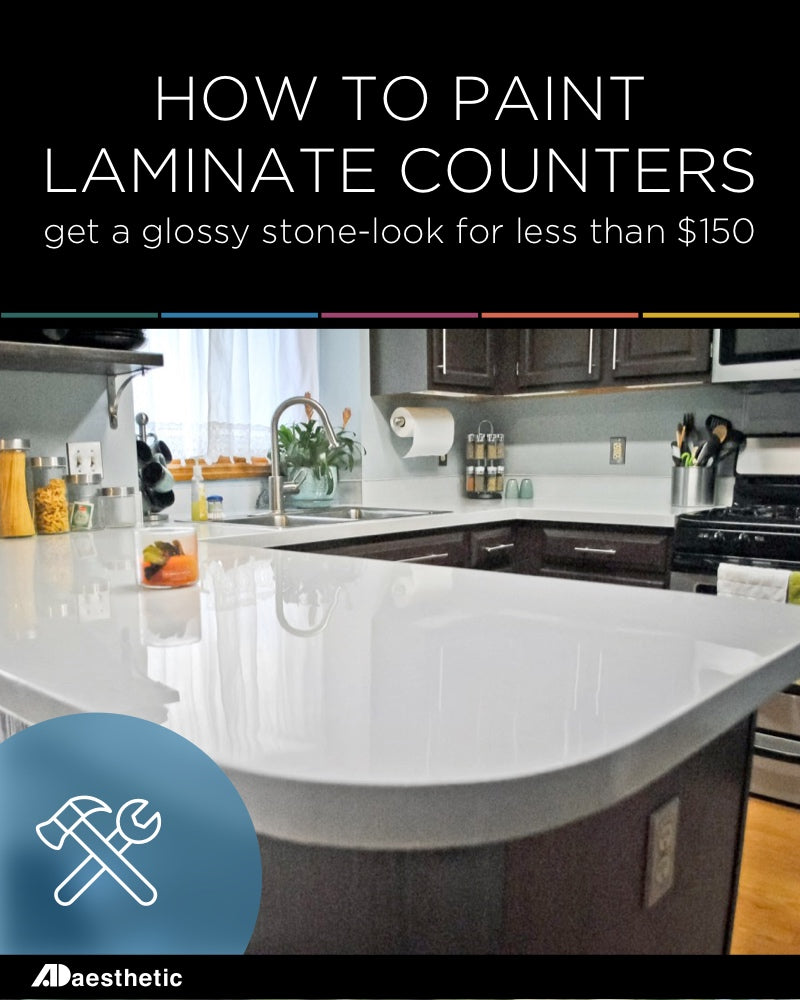
Image Source: adaesthetic.com
Why Change Your Countertops?
Your kitchen counters work hard. They get used every day. Over time, they can look old, scratched, or just out of style. Replacing them can cost thousands of dollars. For many people, this is too much money.
Painting offers a much cheaper way to make a big difference. You can change the color. You can cover up small marks. You can make your kitchen feel new and clean. It’s a good way to refinish kitchen counters without spending a fortune.
What Kind of Countertops Can You Paint?
Most types of kitchen counters can be painted. This includes common ones like:
- Laminate: This is one of the most popular types to paint. It’s smooth and takes paint well with the right steps.
- Tile: Yes, you can paint tile counters! Painting tile countertops is possible. You need special paint and good prep work.
- Wood: Wood can be painted, just like wood cabinets or furniture.
- Concrete: Concrete counters can often be painted or stained.
Some materials are harder to paint. Natural stone like granite or marble is less common to paint. These materials are not usually good choices for painting. They often look better left as they are. Painting them can hide their natural beauty and might not stick well.
For this guide, we will focus mostly on painting laminate and tile, as these are the most common DIY projects.
Getting Ready: Tools and Things You Need
Good preparation is super important. It makes sure the paint sticks well. It makes your painted counters last. Getting ready takes time. Do not rush this part.
Here is a list of what you will likely need:
- Safety gear: Gloves, safety glasses, mask (for dust and paint fumes).
- Cleaning supplies: Strong cleaner (like TSP or a degreaser), sponges, scrub brushes.
- Sanding tools: Sandpaper (medium and fine grit, like 150 and 220), sanding block or electric sander.
- Patching material: Epoxy filler or wood filler for chips or cracks.
- Tape: Painter’s tape (blue tape) in different widths.
- Drop cloths or plastic sheeting: To protect floors, cabinets, and appliances.
- Paint trays.
- Rollers: Small foam rollers give a smooth finish. Get a few.
- Brushes: Small angled brush for corners and edges.
- Countertop primer: Very important! Use a primer made for smooth surfaces.
- Laminate countertop paint or Epoxy countertop paint: Choose a paint designed for counters or floors.
- Clear coat for countertops or other sealant: A tough top coat is needed for sealing painted countertops and a durable countertop finish.
- Mineral spirits or paint thinner: For cleaning up certain types of paint or spills.
- Sharp utility knife or razor blade: For cutting tape after painting.
- Fans: To help with drying and airflow.
- Ventilation: Open windows.
You can often buy a countertop painting kit. These kits usually have the special paint, primer, and top coat. They might also include some small tools like rollers and brushes. A kit can make choosing materials easier. But you will still need the cleaning and sanding supplies yourself.
Here is a simple table of main materials:
| Material Type | What it Does | Why You Need It |
|---|---|---|
| Strong Cleaner/Degreaser | Cleans away all grease and dirt. | Paint will not stick to dirty surfaces. |
| Sandpaper (150 & 220) | Scratches the surface a little (etches it). | Gives the primer something to grab onto. |
| Countertop Primer | Makes the surface ready for paint. | Helps paint stick to smooth or hard surfaces. |
| Countertop Paint | Gives the new color. Needs to be tough. | Changes the look. Must handle daily use. |
| Clear Coat/Sealant | Protects the paint. Makes it strong and lasts. | Stops scratches, stains, and heat damage. A durable countertop finish. |
| Painter’s Tape | Protects areas you don’t want to paint. | Keeps paint lines clean and protects cabinets. |
Preparing the Surface for Painting
This is the most important part. Preparation for painting counters needs to be done right. Bad prep means the paint will peel or scratch off fast.
Step 1: Empty Everything
Take everything off your counters. Everything. Small appliances, decor, knife blocks. Clear the whole space. Empty the drawers and cabinets below if you will be sanding a lot. Dust can get inside.
Step 2: Clean, Clean, Clean
Counters get greasy and dirty from cooking. Paint will not stick to grease or dirt. You need a strong cleaner. A degreaser made for kitchens is good. Trisodium Phosphate (TSP) mixed with water works very well, but wear gloves and glasses. Follow the cleaner directions carefully.
- Mix your cleaner.
- Wash the whole counter surface. Scrub hard.
- Get into the corners and edges.
- Rinse very well with clean water. Make sure no cleaner is left.
- Let the counter dry completely. Use a clean cloth or paper towel.
Do this cleaning step twice if your counters are very old or greasy. They must be perfectly clean.
Step 3: Make Repairs
Check your counters for any chips, dents, or cracks. Fill these with a repair putty or epoxy. For laminate, special laminate repair paste works. For tile, grout filler or epoxy can fix chips.
- Clean out the damaged spot first.
- Mix the filler if needed (like with epoxy).
- Press the filler into the chip or crack.
- Wipe away any extra filler right away with a damp cloth.
- Let the filler dry completely. Drying times vary, check the product label.
Once dry, the repair spot might be a bit bumpy. You will sand this in the next step.
Step 4: Sanding (Etching) the Surface
Most countertops, especially laminate, are smooth. Paint likes to stick to a surface that has a little texture. Sanding creates this texture. It’s called etching the surface. You are not trying to sand away the counter. You are just roughing it up a little.
- Use medium-grit sandpaper first (like 150-grit).
- Gently sand the entire surface. Use a sanding block or an electric sander on a low setting.
- Sand in circles or straight lines. Make sure you cover every part.
- Do not sand through the top layer of laminate. You just want to remove the shine.
- For tile, sand the tiles and the grout lines. This is important for Painting tile countertops.
- After using 150-grit, switch to fine-grit sandpaper (like 220-grit).
- Lightly sand everything again. This smooths out the scratches from the first sanding.
The counter surface should look dull, not shiny, when you are done sanding.
Step 5: Clean Off Sanding Dust
Sanding makes dust. Lots of dust. You must remove all of it.
- Wipe the surface with a dry cloth first to get the loose dust.
- Use a shop vacuum with a brush tool to vacuum up dust. Get in corners and along backsplashes.
- Wipe again with a slightly damp cloth or a tack cloth (a sticky cloth made for picking up dust).
- Let it dry completely.
Check closely. Run your hand over the surface (wear gloves!). If you feel any dust or bumps, clean them off. Any dust left will show up in your paint finish. This step is a key part of Preparation for painting counters.
Step 6: Tape and Cover Everything
Protect what you do not want painted. This is very important for a clean finish.
- Use painter’s tape along the edges of your backsplash.
- Tape along the edges where the counter meets cabinets or walls.
- Tape around your sink or cooktop.
- Press the tape down firmly so paint cannot get under it.
- Cover your cabinets, appliances, floor, and anything else nearby with plastic sheeting or drop cloths. Tape the edges down.
Make sure your sink and faucet are fully covered. You do not want paint drips on them.
Choosing the Right Paint
You cannot use regular wall paint on counters. Counters need paint that is much tougher. They get wet, hot, scratched, and stained. You need a special, durable countertop finish.
There are two main types of paint often used for counters:
Option 1: Acrylic-Based Countertop Paint
- These paints are made for surfaces like laminate.
- They are often water-based, which makes cleanup easier.
- They usually come in kits (like a countertop painting kit) that include the primer and top coat.
- They need a special, strong primer to stick well.
- They need a tough clear coat over them for protection.
- They dry faster than epoxy.
- They are less smelly than epoxy.
Examples include products designed specifically as Laminate countertop paint. They can also work on tile.
Option 2: Epoxy Countertop Paint
- Epoxy is a very strong, hard coating.
- It is often used for garage floors or industrial areas because it is so durable.
- It can create a thick, smooth, and very tough surface.
- Some epoxies are clear and poured over a base color coat. Others are colored paints mixed with an epoxy hardener.
- They are very resistant to heat, scratches, and stains once fully cured.
- They usually have strong fumes. You need good airflow.
- Mixing epoxy needs to be done carefully and accurately.
- Epoxy has a shorter working time before it starts to harden.
- It takes longer to fully cure (become completely hard) than acrylics.
Epoxy countertop paint creates a very durable countertop finish. It is often considered stronger than acrylic options, but it is also harder to work with.
Which to Choose?
- For a simpler DIY project, especially on laminate, an acrylic countertop painting kit might be easier.
- For maximum durability and a thick, glossy look, or if you want to create effects that look like stone, Epoxy countertop paint might be better. But it requires more skill and safety steps.
- If you are Painting tile countertops, both acrylic and epoxy options can work. Epoxy might fill grout lines better for a smooth look, but it’s a bigger project. Acrylic works well if you don’t mind the grout lines showing.
Always read the product label carefully. Make sure the paint is made for countertops or high-traffic horizontal surfaces.
The Painting Steps
Now for the fun part! Applying the paint. Remember to work in a well-aired space. Open windows, use fans (but don’t blow dust onto your wet paint).
Step 1: Apply the Primer
Primer is crucial. It helps the paint stick to the smooth counter surface. Do not skip this step. Use the Countertop primer that came with your kit or one recommended for smooth, non-porous surfaces like laminate or tile.
- Stir the primer well. Do not shake it (this can cause bubbles).
- Use a small brush to paint the edges and corners where the counter meets the backsplash, sink, etc.
- Use a foam roller to apply primer to the main, flat surface of the counter.
- Apply in thin, even coats. Do not put it on too thick.
- Work in small sections if your counter is large.
- Make sure you cover everything completely.
- Let the primer dry fully. Check the product can for drying times. This is often several hours.
- You might need a second coat of primer. If so, let the first coat dry completely before applying the second.
Let the primer dry for as long as the can says before painting. Drying time and curing time are different. Drying means it feels dry to the touch. Curing means it is hardened enough for the next step.
Step 2: Apply the First Coat of Paint
Once the primer is ready, apply your chosen paint. Whether it’s Laminate countertop paint or Epoxy countertop paint, the steps are similar.
- Stir the paint well. Again, do not shake. If using epoxy, mix the two parts carefully according to the directions. Work quickly as epoxy has a limited working time.
- Start with a brush for the edges, just like the primer.
- Use a clean foam roller for the main surface.
- Apply the paint in thin, even coats. Overlapping your roller passes slightly helps avoid lines.
- Work smoothly and try not to go back over paint that is starting to dry. This can create marks.
- Cover the entire counter surface.
- Look for drips or sags along the edges and smooth them out right away with your brush before the paint dries.
Let the first coat dry fully. This might take several hours, maybe longer for epoxy. Check the product directions.
Step 3: Apply the Second Coat (and maybe more)
Most likely, you will need a second coat of paint. A second coat gives better color coverage and a stronger finish.
- Make sure the first coat is dry enough to walk away from without sticking. Some paints can be recoated within a few hours. Others need longer. Check the can!
- Apply the second coat the same way as the first: brush edges, then roll the main surface.
- Keep the coats thin and even.
You might need a third coat, especially if you are painting a dark color over a light counter, or if the paint says thin coats are best. Let each coat dry properly before the next.
Step 4: Light Sanding Between Coats (Optional but Recommended for Acrylics)
For acrylic paints, a very light sanding with fine-grit sandpaper (like 220 or 320) between coats can create a smoother final finish. This is not usually done with epoxy.
- Once the first coat is fully dry (not just dry to the touch, but ready for recoating according to the can), lightly sand the surface.
- Just knock off any tiny bumps or roller texture. Do not sand through the paint!
- Clean off all dust very carefully before applying the next coat. Use a tack cloth.
This step helps you get a very smooth, almost factory-like finish.
Protecting Your Painted Surface: The Top Coat
Painting gives you the color. The top coat is what makes the surface tough and usable. This clear layer protects the paint from scratches, heat, stains, and water. This is how you get a durable countertop finish and is the process of sealing painted countertops. You need a good Clear coat for countertops.
There are different types of top coats:
- Water-based Polyurethane: Dries fast, less smelly, good for protection. Look for one made for floors or furniture for extra toughness.
- Epoxy Resin: A very strong, thick, and durable clear coat. Creates a deep, glossy finish. It’s more difficult to apply and has strong fumes. This is often used over Epoxy countertop paint.
- Specialty Countertop Sealers: Some paint kits come with their own specific top coat designed to work with their paint.
Applying the Top Coat
The process is similar to painting, but be extra careful about drips and bubbles.
- Make sure your final paint coat is fully dry. Check the product directions. Sometimes you need to wait 24 hours or more before sealing.
- Stir the top coat gently. Do not shake! Shaking causes bubbles, which are hard to get out of a clear coat. If using a 2-part epoxy, mix according to instructions.
- Use a clean brush for the edges.
- Use a clean foam roller for the main surface. Foam rollers help prevent bubbles.
- Apply in thin, even coats.
- Work smoothly and do not overwork the area.
- Watch for drips, especially along the front edge of the counter. Smooth them out right away.
- If you see bubbles, you can try gently breathing on them (the carbon dioxide can pop them) or using a heat gun held far away on a low setting (be very careful not to burn the paint).
You will likely need 2-3 coats of the clear top coat for good protection. Let each coat dry fully before applying the next. Lightly sanding with super fine sandpaper (like 320 or 400 grit) and cleaning between clear coats can give an even smoother finish, but skip sanding if the product directions say not to, or if using a very thick epoxy.
The Waiting Game: Curing Time
Your counters might feel dry in a few hours after the last coat of paint or top coat. But they are not ready to use yet! Paint and sealers need time to harden fully. This is called curing.
- Stay off the counters completely for at least 24-48 hours after the final clear coat. Do not put anything on them.
- Avoid heavy use, cutting, hot pans, or strong cleaners for about 7 days, or even up to 30 days for some epoxy products.
Check the product labels for the exact curing time. Using the counters too soon will damage the finish you worked so hard to create. The finish will not be a durable countertop finish until it has fully cured.
After Painting: Care and Keeping
Once your counters are fully cured, they are ready! To keep them looking good:
- Use cutting boards. Do not cut directly on the painted surface.
- Use trivets or hot pads for hot pots and pans. High heat can damage the finish.
- Wipe up spills quickly, especially acidic things like lemon juice or vinegar, which can etch some finishes.
- Clean with mild soap and water. Avoid harsh chemicals, abrasive cleaners, or scrubbing pads.
- Be gentle for the first few weeks while the finish reaches full hardness.
Proper care will help your refinish kitchen counters project last for years.
Specific Notes on Painting Different Types
Painting Laminate Counters
Laminate is smooth. The key is the Countertop primer and sanding. You must etch the surface well. A good Laminate countertop paint or kit made for laminate is the best choice. The clear coat for countertops is essential for durability.
Painting Tile Counters
Painting tile countertops can hide old, stained grout and update ugly tile color.
- Clean the grout very well first. You might even need to scrape out old grout and put in new grout before painting if it’s in bad shape.
- Fill any chips in the tiles.
- Sand the tiles and the grout lines. Getting the grout clean and lightly sanded is very important.
- Use a primer that sticks well to tile and grout.
- You can use acrylic or epoxy paint. Epoxy will give a more even look and might fill the grout lines partly or fully if applied thick enough. Acrylic will likely still show the grout lines.
- Apply paint carefully, making sure to get into the grout lines if you are keeping them visible. A brush might be needed here before rolling.
- Apply a tough clear coat over everything, including the grout lines. This is part of sealing painted countertops.
Painting tile requires a bit more work than laminate because of the grout lines.
Cost of Repainting Counters
Compared to replacing counters, painting is very cheap.
- Paint/Primer/Top Coat Kit: $50 – $200 (depends on size and type, epoxy kits can be more)
- Supplies (cleaners, sandpaper, tape, rollers, brushes): $30 – $100
Total cost is usually between $80 and $300, depending on the size of your counters and the products you choose. This is a fraction of the cost of new laminate ($500+) or stone ($2000+).
When Should You Not Paint?
Painting is great, but it’s not always the answer.
- If your counters are badly damaged, cracked, or falling apart. Paint cannot fix a broken counter.
- If you want the look and feel of real stone or a very high-end material. Paint looks like paint, even a good job.
- If you cannot follow the prep steps carefully. Bad prep means bad results.
- If you need the project done very fast. It takes several days of work and drying time.
- If you have natural stone (granite, marble). Painting these usually looks worse than leaving them alone.
For minor updates and budget makeovers, refinish kitchen counters by painting is a great option.
Putting It All Together: Your New Counters
Repainting kitchen counters is a big project. It takes time, careful work, and patience, mostly for the drying and curing times. But the result can be amazing. You get a fresh, clean look for a low cost.
Remember the steps:
- Get ready: Clear the space, get supplies (maybe a countertop painting kit).
- Prepare the surface: Clean thoroughly, repair damage, sand to etch the surface (Preparation for painting counters). Clean off all dust. Tape everything.
- Prime: Apply a good Countertop primer made for smooth surfaces.
- Paint: Apply thin coats of Laminate countertop paint or Epoxy countertop paint. Allow drying time between coats.
- Protect: Apply a durable Clear coat for countertops for sealing painted countertops.
- Cure: Let the counters harden completely before using them (this is key for a durable countertop finish).
- Care: Treat your new counters gently.
Following these steps will give you updated counters you can be proud of. This DIY project can totally change the feel of your kitchen.
Frequently Asked Questions (FAQ)
Q: Can I put hot pots directly on the painted counter?
A: No. Painted surfaces and the top clear coat are usually not as heat-resistant as stone or laminate. Always use a hot pad or trivet for hot items.
Q: How long does painted counter finish last?
A: This depends on the paint and top coat quality, how well you did the prep and application, and how you use and care for the counters. A well-done job with quality products and good care can last several years (3-5+ years) before needing touch-ups.
Q: Will the paint scratch easily?
A: With a proper, durable countertop finish using a tough clear coat, they should resist normal scratching from things like sliding plates. However, they won’t be as scratch-proof as stone. Use cutting boards for knives.
Q: Can I paint over existing painted counters?
A: Yes, usually. But you must clean and lightly sand the old painted surface very well first. Make sure the old paint is not peeling or in bad shape. If it is, you might need to remove the old paint first.
Q: What if I get a bubble in the paint or top coat?
A: Small bubbles often pop on their own during application. If they don’t, you might be able to gently smooth them or pop them with a pin while wet. Once dry, a bubble means you might need to sand it smooth and repaint that small area or apply another coat over it, depending on the type of paint/sealer. Thick epoxy can be hard to fix once it starts to set.
Q: How much ventilation do I need?
A: A lot! Open all windows. Use fans pointing out the windows to pull fumes out. Wear a good quality mask, especially when using oil-based primers or epoxy paints/sealers, as fumes can be strong and harmful.
Q: Is a Countertop painting kit worth it?
A: Kits take the guesswork out of choosing compatible primer, paint (like Laminate countertop paint), and top coat (clear coat for countertops). They are often a good value and designed to work together for a durable countertop finish. They are a good starting point for a DIYer.
Q: Can I paint outdoor counters?
A: This guide focuses on indoor kitchen counters. Outdoor counters need special paints and sealers that can handle weather, UV rays, and temperature changes. Make sure any product you use is rated for outdoor use if attempting this.
This complete guide should help you take on the project of repainting your kitchen countertops. Good luck!