Yes, you can use chalk paint to paint kitchen cabinets. Many people choose chalk paint for this project because it often needs less prep work than other paints. However, achieving a durable finish that lasts in a busy kitchen requires careful steps, especially with sealing.
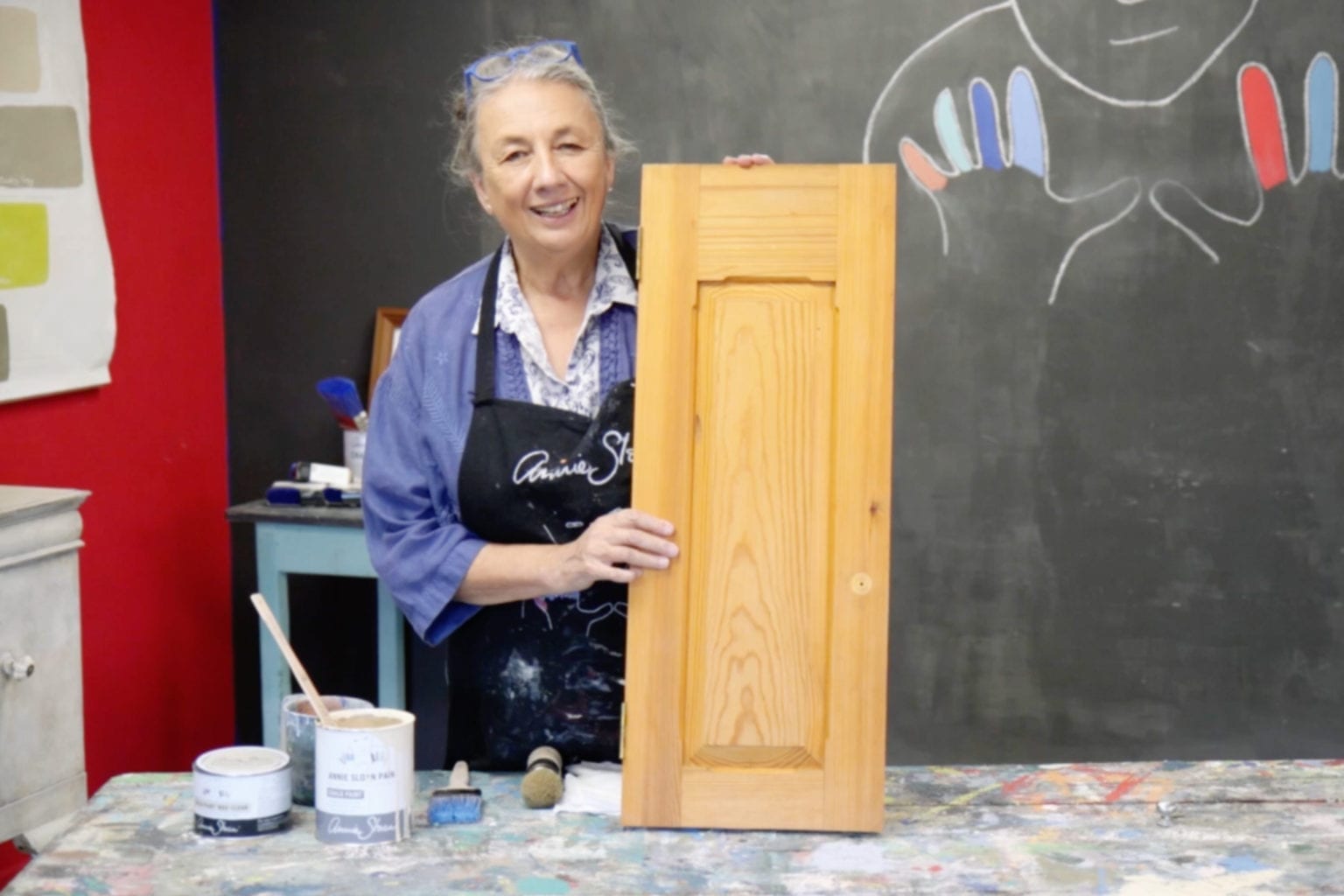
Image Source: www.anniesloan.com
Grasping Chalk Paint
Chalk paint is different from standard paints. It has a unique feel, almost like chalk when dry. It sticks well to many surfaces without much sanding or priming. This makes it popular for painting furniture.
- It dries fast.
- It is low in smell.
- It usually does not need much prep.
- You can distress it easily for a worn look.
- It needs a protective top coat.
People like its matte finish. It gives a soft, vintage look. But for cabinets, the finish needs strong protection.
Why Choose Chalk Paint for Kitchen Cabinets?
Many folks pick chalk paint for cabinets because it seems easy. It has clear benefits for DIYers.
Perks of Using Chalk Paint
- Little Prep Needed: This is a main reason. Often, you do not need to strip old finishes or sand a lot. Just clean well. This saves time and hard work.
- Good Adhesion: Chalk paint sticks to slick surfaces. Wood, laminate, metal – it often grips them well.
- Fast Drying Time: You can put on new coats sooner. This means the project goes faster.
- Matte Finish: It gives a soft, low-sheen look. This is a specific style many people like. It can hide small flaws on the cabinet surface.
- Easy to Distress: If you want a rustic or aged look, chalk paint is simple to lightly sand after painting to show the layer underneath.
These points cover some chalk paint kitchen cabinet pros cons. The ease of use is a big pro. But there are cons too, which we will look at soon. The simple prep is a major draw for many homeowners doing kitchen updates.
Downsides of Chalk Paint on Cabinets
While easy to start with, chalk paint has weak points, especially for hard-working kitchen cabinets.
Challenges with Chalk Paint
- Needs Strong Protection: Chalk paint alone is not tough. It can chip or scuff easily without a top coat. Kitchen cabinets face daily use, steam, grease, and spills. They need serious sealing.
- Finish Can Be Porous: The paint itself is porous. Liquids and stains can sink in if not sealed perfectly.
- Durability Concerns: Without the right sealer, the durability of chalk paint cabinets is lower than finishes from harder paints like enamel or lacquer. The kitchen is a high-traffic area. Cabinets get bumped and wiped often.
- Sealing Adds Time and Cost: While painting may be fast, the sealing process is crucial and takes time. You need multiple thin coats of a strong top coat. Wax, a common chalk paint sealer, is not the best choice for kitchen cabinets as it can melt, stain, and needs upkeep.
- Uneven Finish Risk: If not applied carefully or sealed right, the finish can look streaky or uneven, especially with darker colors.
These cons are important when thinking about chalk paint kitchen cabinet pros cons. The need for a super durable sealer is the biggest challenge for kitchen use.
Is Chalk Paint Durable Enough for Kitchens?
This is a key question. On its own, no, chalk paint is not durable enough for kitchens. But with the right sealer, its durability of chalk paint cabinets can be made much better.
Kitchen cabinets take a beating. They get opened and closed constantly. Food and drinks spill. Steam from cooking hits them. They need to stand up to wiping and cleaning.
Chalk paint is quite soft when dry. It does not have a hard shell like some other paints. This means bumps and scrapes will damage it easily unless it is protected.
The durability of chalk paint cabinets relies almost completely on the protective finish you put on top. A weak finish means the paint will fail fast in a kitchen setting. A strong, high-quality finish is a must.
Prepping Kitchen Cabinets for Chalk Paint
Even though chalk paint needs less prep than others, doing some prep makes a big difference in how well the paint sticks and how long it lasts. Do not skip these steps if you want a good outcome. This is the prep kitchen cabinets for chalk paint stage.
Steps for Readying Cabinets
- Empty Cabinets: Take everything out.
- Remove Doors and Drawers: This lets you paint everything flat and get into all corners. It makes the job much easier and gives a better finish.
- Remove Hardware: Take off hinges, knobs, pulls, and latches. Keep them in bags, maybe labeled by cabinet, so you know where they go later.
- Clean Very Well: Kitchen cabinets get greasy and dirty. Use a strong cleaner to remove all grease, grime, and food bits. A degreaser made for cabinets works well. Rinse with clean water and let them dry fully. Any grease left will stop the paint from sticking. This is a critical step for prep kitchen cabinets for chalk paint.
- Light Scuff Sanding (Recommended): While chalk paint is known for not needing sanding, a light scuff sand (like using 150-220 grit sandpaper) helps the paint grip even better. You do not need to sand down to bare wood. Just lightly rough up the surface. This is extra insurance for better durability of chalk paint cabinets.
- Wipe Away Dust: After sanding, use a tack cloth or a damp cloth to get rid of all the dust.
- Use a Good Primer (Optional but wise): Some chalk paints say you do not need primer. But in a kitchen, especially over stained wood or laminate, a stain-blocking primer can prevent bleed-through (where the old color shows through the paint) and gives the chalk paint a solid base to stick to. This adds a layer of security to your prep kitchen cabinets for chalk paint.
Doing these prep steps might seem like extra work, but they greatly improve the final result and the lifespan of your painted cabinets. Skipping them makes it more likely the paint will chip or peel later.
Applying Chalk Paint to Cabinets
Once the cabinets are clean and ready, it is time to paint. Applying chalk paint to cabinets is different from using standard latex paint.
How to Put on the Paint
- Stir the Paint: Chalk paint can thicken. Stir it well. You can add a little water to thin it if you like a smoother finish or if the paint is very thick.
- Use the Right Brush: A brush made for chalk paint or a good quality synthetic brush works well. For a smooth look, use a brush with soft bristles. For a textured look, a brush with stiffer bristles is fine. Foam rollers can also give a smooth finish on flat areas.
- Apply Thin Coats: It is better to use two or three thin coats than one thick coat. Thin coats dry faster and cure harder. They also show fewer brush marks.
- Paint with the Grain (if applicable): If painting wood, try to brush in the direction of the wood grain.
- Allow Drying Time: Let each coat dry completely before adding the next. Chalk paint dries fast, often within an hour, but check the paint can for exact times. Waiting longer between coats is safer.
- Light Sanding Between Coats (Optional): For a very smooth finish, you can lightly sand with fine-grit sandpaper (like 320 grit or higher) after the first coat is dry. This removes any bumps or brush marks. Wipe away dust completely before the next coat.
- Paint Both Sides: Paint the back of the cabinet doors first, then the front. This helps prevent drips or smudges on the finished side. Paint the cabinet frames last.
Applying chalk paint to cabinets is not hard, but patience is key. Thin coats are better for looks and help with how well the final seal works. Getting good coverage often takes two coats, sometimes three for lighter colors over dark wood.
Sealing Chalk Painted Cabinets
This is the most important step for kitchen cabinets. Without a proper seal, the paint will not last. You need to know how to seal chalk painted cabinets correctly. The type of sealer matters a lot. This process is called sealing chalk paint kitchen cabinets.
Why Sealing is Crucial
Chalk paint is porous. It is like a sponge for liquids, grease, and dirt. A sealer creates a protective barrier. This barrier stops stains from getting in and makes the surface easy to wipe clean. It also protects the paint from chips and scratches, boosting the durability of chalk paint cabinets.
Sealer Options
There are different ways to seal chalk paint.
- Wax: This is a classic finish for chalk paint on furniture. It gives a soft sheen and a smooth feel. You rub it on and buff it.
- Pros: Easy to apply, gives a nice look.
- Cons: Not durable enough for kitchens. It can stain from food/grease, melt near heat (like ovens), and water can leave marks. It needs redoing often. Wax is generally NOT recommended for kitchen cabinets.
- Polycrylic or Polyurethane (Water-Based): These are clear, water-based finishes. They dry hard and clear. Polycrylic stays clear, while water-based polyurethane can sometimes yellow slightly over very light colors.
- Pros: Much more durable than wax. Resists water, stains, and heat better. Easy cleanup with water. Dries fast. Low odor.
- Cons: Can show brush strokes if not applied smoothly. Requires multiple thin coats.
- Polyurethane (Oil-Based): This is an older type of clear coat. It is very durable.
- Pros: Very hard and durable finish.
- Cons: Strong odor. Takes longer to dry. Can yellow significantly over time, especially light colors. Cleanup needs mineral spirits. Not often used over light-colored chalk paint for this reason.
- Varnish: Similar to poly, often oil-based. Durable but can yellow.
- Acrylic Sealer: Some brands make specific acrylic sealers for their chalk paint. These are usually water-based.
- Pros: Designed to work with the paint, good durability.
- Cons: Results can vary by brand.
For kitchen cabinets, the best top coat for chalk paint cabinets is usually a high-quality, water-based polycrylic or a durable acrylic sealer made for this purpose. Avoid wax.
How to Apply the Sealer
Sealing chalk paint kitchen cabinets requires care.
- Wait for Paint to Cure: Let the paint dry fully. Wait at least 24 hours, sometimes longer if the paint instructions say so, before sealing. The paint needs to harden slightly before the top coat goes on.
- Apply Thin Coats: This is vital for polycrylic/acrylic. Thick coats can be sticky, dry unevenly, or show drips. Use a good synthetic brush or a foam applicator for a smooth finish. Rollers can work on flat areas.
- Brush Carefully: Brush with the grain. Avoid over-brushing. Put the sealer on, smooth it out, and leave it alone.
- Allow Proper Drying Time: Let each coat dry completely. Lightly sand between coats (with 320 grit or higher) after it is fully dry if you want a super smooth feel. Wipe away all dust.
- Apply Multiple Coats: For kitchen cabinets, you need at least 2-3 coats of polycrylic or acrylic sealer for good protection. More coats mean more durability. Some people do 4 or 5 coats on the most used areas.
- Full Cure Time: This is perhaps the most important point for durability of chalk paint cabinets. Water-based sealers feel dry in an hour or two, but they take much longer to fully harden or “cure.” This can be days or even weeks, depending on humidity and temperature. Do not use the cabinets roughly until the sealer is fully cured. Check the product label for cure times.
Knowing how to seal chalk painted cabinets properly makes the difference between a finish that lasts years and one that fails quickly.
Best Top Coat for Chalk Paint Cabinets
As mentioned, the best top coat for chalk paint cabinets is typically a water-based polycrylic or a strong acrylic sealer designed for high traffic areas.
- Water-Based Polycrylic: Products like Minwax Polycrylic or Varathane Water-Based Polyurethane are popular. They come in different sheens (matte, satin, semi-gloss). Satin or semi-gloss is often preferred for kitchens because they are easier to clean than matte and add more protection.
- Acrylic Sealers: Some paint brands sell their own heavy-duty sealers meant for cabinets or floors. These are also good options.
Avoid oil-based polyurethanes due to yellowing and strong smell. Definitely avoid wax for the main surfaces of kitchen cabinets. You might use wax just inside drawers or on less-touched parts, but not where they get use or heat.
Choosing the best top coat for chalk paint cabinets is the biggest factor in their longevity in the kitchen. Spend time researching and selecting a high-quality product made for demanding surfaces.
Specific Brands: Annie Sloan and Rust-Oleum
Two popular names come up often with chalk paint projects: Annie Sloan and Rust-Oleum.
Annie Sloan Chalk Paint
Annie Sloan created chalk paint decades ago. It is a well-known, high-quality brand.
- Annie Sloan chalk paint kitchen cabinets projects are common. People love its rich colors and how easy it is to use.
- It sticks well with minimal prep.
- Traditionally, Annie Sloan recommends their clear wax as a finish. However, as discussed, wax is not the most durable for a busy kitchen.
- For Annie Sloan chalk paint kitchen cabinets, it is better to use a strong water-based polycrylic or varnish over the paint instead of or in addition to the wax for high-use areas. Some users apply one thin layer of wax, let it dry for 24 hours, then apply a water-based poly over that. Others skip the wax entirely on cabinets.
Rust-Oleum Chalked Paint
Rust-Oleum offers a more budget-friendly chalk paint option widely available in hardware stores.
- Rust-Oleum chalk paint cabinets projects are also popular because the paint is easy to find and costs less.
- It also requires little to no sanding or priming.
- Rust-Oleum also sells a clear top coat (a water-based protective sealer) and waxes.
- For Rust-Oleum chalk paint cabinets in a kitchen, their clear protective top coat (usually in a can or spray) is a much better choice for durability than their wax.
Both brands can be used. The principles of good prep, thin coats, and a strong, non-wax top coat apply to any chalk paint brand used on kitchen cabinets. The key is the protective finish, not just the paint brand itself.
Chalk Paint vs. Regular Paint for Cabinets
How does chalk paint measure up against paints made specifically for cabinets, like enamel or hybrids? Let’s look at chalk paint vs regular paint for cabinets.
Comparison Table
| Feature | Chalk Paint | Regular Cabinet Paint (e.g., Acrylic-Alkyd Hybrid, Enamel) |
|---|---|---|
| Prep Needed | Minimal cleaning; light sand optional. Often no primer needed. | Thorough cleaning, sanding, and often primer needed. |
| Adhesion | Excellent, sticks to many surfaces. | Good, but needs proper surface prep and primer. |
| Application | Thick consistency, dries fast, can show brush strokes or be smoothed. | Smoother flow, less likely to show brush strokes with right tools. |
| Finish Look | Very matte, soft, can be easily distressed. | Variety of sheens (satin, semi-gloss, gloss), smooth finish. |
| Durability (Unsealed) | Low. Scratches and stains easily. | Moderate to High, depending on type. Less prone to light damage. |
| Durability (Sealed) | High, if using a strong sealer like polycrylic. | High, designed for tough surfaces. Cures very hard. |
| Sealing | REQUIRED for durability. Wax (low durability) or Polycrylic (high durability). | Often has a built-in durable finish; top coat usually optional for extra toughness. |
| Ease of Repair | Can be touched up, but matching finish/sealer is tricky. | Often requires repainting the whole door/panel for seamless repair. |
| Cost | Paint cost can vary; sealer adds cost. | Paint can be more expensive upfront. |
| Odor | Low odor (paint). Some sealers have odor. | Can have moderate to high odor (especially oil-based or some hybrids). |
| Cure Time | Paint dries fast. Sealer needs long cure time for hardness. | Dries slower than chalk paint. Needs long cure time for hardness. |
Looking at chalk paint vs regular paint for cabinets, the main difference is the required sealing step for chalk paint. Regular cabinet paints are formulated to be very tough on their own once fully cured. They build their own hard layer. Chalk paint relies entirely on the top coat for protection.
If you want the ease of prep chalk paint offers, you must be willing to put in the effort for the right sealing process. If maximum inherent durability from the paint itself is the goal, regular cabinet paint is often a more direct route, though it requires more prep.
Maintenance and Care
Once your chalk painted cabinets are finished and the sealer is fully cured, proper care will help them last.
Keeping Cabinets Looking Good
- Cleaning: Use a soft cloth and mild soap and water. Avoid harsh chemicals, abrasive cleaners, or scouring pads. These can damage the sealer and the paint below. Gently wipe spills quickly.
- Touching Up: If chips or scratches happen (even with a good sealer, hard knocks can cause damage), you can touch up the paint. Clean the area, apply a little paint, let it dry, and then carefully re-seal the touched-up spot. It might be hard to perfectly blend the new sealer area.
- Avoiding Heat and Moisture: While the sealer protects, extreme heat or standing water can still be an issue over time. Use exhaust fans when cooking. Wipe up spills right away, especially around the sink. Avoid placing hot appliances directly against the cabinet sides.
Regular, gentle cleaning is usually enough to keep chalk painted and sealed cabinets looking nice. Being mindful of impacts and moisture helps protect the finish.
Frequently Asked Questions (FAQ)
How long does chalk paint last on kitchen cabinets?
The lifespan depends almost entirely on the top coat used and how well it was applied and cured. With a proper, durable sealer (like multiple coats of water-based polycrylic) and careful prep, chalk painted kitchen cabinets can last for many years. Without a strong sealer, they will likely show wear and damage very quickly, possibly within months.
Can I use wax to seal chalk paint on kitchen cabinets?
It is strongly not recommended for most areas of kitchen cabinets. Wax is not durable enough for the heat, moisture, grease, and heavy use in a kitchen. It can stain easily, melt, and water can leave marks. It also needs regular reapplication. Use a strong, water-based protective sealer instead.
Do I really need to prime before using chalk paint on cabinets?
Chalk paint is known for sticking without primer. However, for kitchen cabinets, especially over dark wood, laminate, or surfaces where stain bleed-through might happen, using a high-quality stain-blocking primer adds an extra layer of security. It gives the paint a uniform base and helps prevent issues later, improving the durability of chalk paint cabinets. It’s often a wise extra step for this demanding area.
What kind of sealer is best for high durability of chalk paint cabinets?
A high-quality, water-based polycrylic or a strong acrylic sealer designed for surfaces like floors or furniture is best. Look for terms like “durable,” “protective,” or “clear top coat.” Apply at least 2-3 thin coats.
How long does the sealer take to cure on cabinets?
While water-based sealers feel dry quickly (often in 1-2 hours), they take much longer to reach full hardness or cure. This can be anywhere from a few days to up to 30 days, depending on the specific product, how thick it was applied, and the humidity/temperature. Avoid heavy use, banging, or harsh cleaning during this cure time to ensure the strongest finish. Check the product label for specific cure times.
Can I paint over existing cabinet finish with chalk paint?
Yes, this is one of chalk paint’s main appeals. It usually adheres well over old paint, varnish, or laminate with just cleaning and maybe a light scuff sand. You typically do not need to strip the old finish, saving a lot of work during the prep kitchen cabinets for chalk paint stage.
What is the difference between Annie Sloan chalk paint kitchen cabinets and Rust-Oleum chalk paint cabinets?
Annie Sloan is the original, often seen as higher quality with more unique colors, but more expensive and sold in specific shops. Rust-Oleum is widely available, more budget-friendly, but has a smaller color range. Both require the same proper sealing techniques for kitchen use to ensure adequate durability of chalk paint cabinets. The principles of application and sealing are similar for both.
Does chalk paint chip easily on cabinets?
Chalk paint itself is prone to chipping and scratching if not sealed. Its tendency to chip easily is why the sealing step (using a durable polycrylic or similar, not wax) is non-negotiable for sealing chalk paint kitchen cabinets. The sealer creates a protective layer that stops the paint from easily chipping during normal kitchen use.
What is the overall biggest factor for success when using chalk paint on kitchen cabinets?
The most critical factor is the quality and application of the protective top coat or sealer. No matter how well you paint, if the sealer is not durable enough or not applied correctly (too thin, not enough coats, not allowed to cure), the project will fail in a kitchen setting. Proper sealing chalk paint kitchen cabinets is key.