Replacing kitchen countertops can change the look and feel of your kitchen a lot. So, how much does it cost to replace kitchen countertops? The average cost to install kitchen countertops usually falls between $2,000 and $4,500 for a standard kitchen, but this can go much higher or lower depending on the materials you choose, the size of your kitchen, and how complex the job is. This guide will break down the different expenses you might face when planning this upgrade.
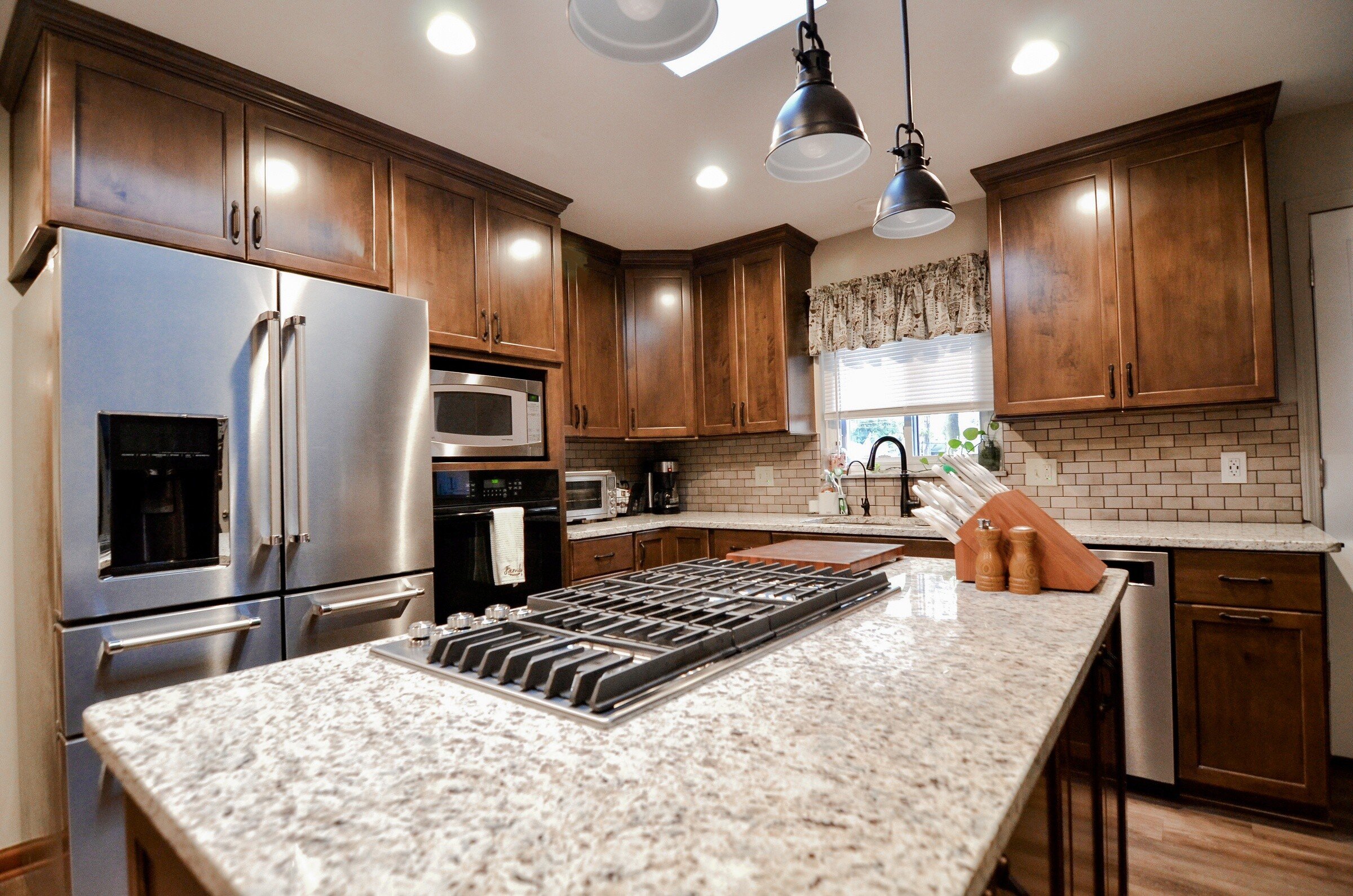
Image Source: www.jsbhomesolutions.com
Key Factors Affecting the Cost
Several things can make the price of new countertops go up or down. Knowing these helps you get a better estimate for new kitchen countertops.
- Material Choice: This is the biggest factor. Different materials have very different costs per square foot.
- Kitchen Size: More counter space means you need more material and more labor.
- Countertop Layout: A kitchen with many corners or curves needs more cuts and careful work, which costs more.
- Edge Profile: Simple edges cost less than fancy or detailed ones.
- Sink and Cooktop Cutouts: Cutting holes for these adds to the labor cost.
- Old Countertop Removal: Taking out the old ones takes time and effort, adding to the cost to remove and install countertops.
- Plumbing and Electrical: Disconnecting and reconnecting sinks, faucets, and cooktops adds cost.
- Location: Prices for materials and labor can be different based on where you live.
Breaking Down the Costs
When you replace kitchen worktops, you pay for two main things: the materials themselves and the labor to put them in.
Costs for Different Countertop Materials
The kitchen countertop materials cost varies a lot. Here’s a look at popular options and their typical costs per square foot. Remember, these are just material costs. Installation adds to the price.
h4 Some Common Countertop Materials and Their Costs
- Laminate: This is the most budget-friendly option. Laminate countertops are made by gluing layers of plastic laminate onto a particleboard base.
- Cost: $15 to $40 per square foot.
- Pros: Very affordable, comes in many colors and patterns, easy to clean.
- Cons: Can scratch or chip, not very heat resistant, seams can be visible.
- Butcher Block (Wood): Offers a warm, natural look. Made from pieces of wood glued together.
- Cost: $30 to $100 per square foot.
- Pros: Can be sanded and refinished, heat resistant if sealed well, looks great in many kitchens.
- Cons: Needs regular sealing, can show scratches or water damage if not cared for.
- Solid Surface (e.g., Corian): These are made from acrylic or polyester plastic.
- Cost: $30 to $80 per square foot.
- Pros: Seamless look, non-porous (doesn’t stain easily), scratches can often be sanded out.
- Cons: Can scratch or dent, not as heat resistant as stone.
- Granite: A natural stone, very popular.
- Cost: $40 to $100 per square foot (can go higher for exotic colors). This is the granite countertop replacement expense you’d pay for just the stone.
- Pros: Durable, heat resistant, scratch resistant, every piece is unique.
- Cons: Needs periodic sealing, can chip if hit hard, porous (can stain if not sealed).
- Quartz: An engineered stone made from natural quartz crystals mixed with resins.
- Cost: $50 to $150 per square foot. This is the quartz countertop cost per square foot you will often see.
- Pros: Very durable, non-porous (no sealing needed, stain resistant), scratch resistant, comes in many colors and patterns.
- Cons: Can be more expensive than some granite, can sometimes discolor with intense heat.
- Marble: A beautiful natural stone, known for its classic look.
- Cost: $50 to $150+ per square foot.
- Pros: Timeless beauty, heat resistant.
- Cons: Very porous (stains easily), scratches easily, needs regular sealing, reacts to acidic foods (etching).
- Concrete: Can be poured on-site or made in slabs off-site.
- Cost: $60 to $150 per square foot.
- Pros: Very durable, can be shaped and colored as you like, modern look.
- Cons: Needs sealing, can stain, can develop hairline cracks over time.
- Tile (Ceramic or Porcelain): Small tiles set onto a base.
- Cost: $10 to $40 per square foot (material only).
- Pros: Many design options, heat resistant, durable.
- Cons: Grout lines can be hard to clean and can stain, not a smooth surface.
- Stainless Steel: Often used in modern or commercial kitchens.
- Cost: $75 to $150 per square foot.
- Pros: Very durable, heat resistant, easy to clean, non-porous.
- Cons: Can scratch, shows fingerprints easily, can dent, can look industrial.
- Recycled Glass or Paper Composites: Eco-friendly options made from recycled materials and resins.
- Cost: $50 to $150 per square foot.
- Pros: Environmentally friendly, unique look, durable depending on the binder.
- Cons: Can vary in durability and heat resistance depending on the specific material.
h5 Material Cost Table (Estimate)
| Material | Average Material Cost Per Sq Ft | Notes |
|---|---|---|
| Laminate | $15 – $40 | Most budget-friendly |
| Butcher Block | $30 – $100 | Needs sealing |
| Solid Surface | $30 – $80 | Seamless look |
| Granite | $40 – $100+ | Popular natural stone, needs sealing |
| Quartz | $50 – $150 | Engineered stone, low maintenance |
| Marble | $50 – $150+ | Classic look, high maintenance |
| Concrete | $60 – $150 | Modern look, can be customized |
| Tile | $10 – $40 | Material only, grout needs cleaning |
| Stainless Steel | $75 – $150 | Industrial look, durable |
| Recycled Materials | $50 – $150 | Eco-friendly, unique |
Costs for Putting Them In
Countertop installation labor cost is the other big part of the total price. This covers the work done by the people who measure, cut, and install the new countertops.
h4 Labor Costs Explained
Labor costs can depend on:
- Material Type: Some materials are harder to work with. Natural stone (granite, marble) and quartz are heavy and need special tools and skills to cut and install without breaking. Laminate is usually the easiest and cheapest to install.
- Complexity of the Job:
- Size and Shape: More square footage means more time. L-shaped or U-shaped kitchens, or those with islands, take more work than a simple straight counter.
- Cutouts: Making precise holes for sinks and cooktops adds labor time and cost. Some materials (like laminate) might have standard cutouts done beforehand, while stone needs custom cuts on-site or in the fabrication shop.
- Edge Profiles: Simple square or eased edges are standard. Fancy edges like bullnose, ogee, or waterfall edges take more time and skill to create, increasing labor costs.
- Seams: If your countertop needs multiple pieces, fitting them together seamlessly requires careful work. More seams mean more labor.
- Old Countertop Removal: This is often included in the installation estimate, but sometimes it’s a separate line item. Removing old countertops, especially tile or concrete, can be messy and time-consuming. This directly affects the cost to remove and install countertops.
- Plumbing and Electrical Work: If the installers handle disconnecting and reconnecting sinks, faucets, and cooktops, this adds to the labor cost. Sometimes, you’ll need to hire a plumber or electrician separately.
- Installer Experience: Highly experienced installers or specialized stone fabricators might charge more per hour or per project.
h5 Typical Labor Costs
Labor costs are often calculated per square foot or as a flat fee for the project.
- Per Square Foot: $10 to $50+ per square foot. This rate is added to the material cost. So, a quartz countertop might cost $80/sq ft for material + $25/sq ft for labor = $105/sq ft total installed.
- Flat Fee: For smaller jobs or standard installations, some contractors might give a single price for labor.
- Hourly Rate: Less common for the main installation but might apply to extra tasks or repairs.
The average cost to install kitchen countertops when including both labor and materials gives you the full picture.
Figuring Out Your Total Price
To estimate the price to replace kitchen worktops, you need to consider more than just material and basic labor.
Other Costs to Consider
- Removing Old Countertops: Typically costs $150 to $400, but can be more for difficult-to-remove materials like tile or concrete. This is part of the cost to remove and install countertops.
- Sink Disconnect/Reconnect: $100 to $300 for plumbing work.
- Cooktop Disconnect/Reconnect: $100 to $200 for electrical work.
- Backsplash: Often replaced at the same time. Can add $10 to $50+ per square foot for materials and $10 to $30+ per square foot for labor.
- Permits: Some areas require permits for kitchen work, which can add $50 to $200 or more.
- Travel Fees: If you live far from the installer’s shop.
- Unexpected Issues: Discovering damaged cabinets or walls after removing old countertops can add repair costs.
Calculating Your Estimate
Here’s how you can get a rough estimate for new kitchen countertops:
- Measure Your Counter Space: Measure the length and width of each section of your current countertop. Multiply length by width to get the square footage for each section. Add these together for your total square footage. Don’t forget islands or peninsulas.
- Choose Your Material: Pick the countertop material you want (e.g., quartz, granite, laminate).
- Get Material Cost: Use the average cost per square foot for your chosen material. Multiply your total square footage by this cost.
- Estimate Labor Cost: Estimate the labor cost per square foot based on the material complexity and your kitchen layout. Multiply your total square footage by this labor cost estimate.
- Add Other Costs: Include estimates for removal, plumbing, electrical, and other potential costs.
Example Calculation:
Let’s say you have 40 square feet of countertop.
- Material: Mid-range Quartz at $70/sq ft = 40 sq ft * $70/sq ft = $2,800
- Labor: Standard Quartz installation at $30/sq ft = 40 sq ft * $30/sq ft = $1,200
- Removal: $250
- Plumbing: $200
Estimated Total: $2,800 + $1,200 + $250 + $200 = $4,450
This is just an example. Getting actual quotes from local professionals is the best way to know your likely cost.
Cost Ranges by Kitchen Size and Material
Here are some rough average cost ranges for replacing countertops in different sized kitchens, using common materials. These include typical labor and basic extra costs but can vary greatly. This helps put the kitchen remodel countertop budget into perspective.
h4 Rough Cost Estimates Based on Kitchen Size
These figures are averages and can change a lot based on your specific choices and location.
- Small Kitchen (20-30 sq ft of counter):
- Laminate: $500 – $1,200
- Butcher Block: $900 – $3,000
- Granite or Quartz: $1,400 – $4,500
- Average Kitchen (30-50 sq ft of counter):
- Laminate: $750 – $2,000
- Butcher Block: $1,350 – $5,000
- Granite or Quartz: $2,100 – $7,500
- Large Kitchen (50-70+ sq ft of counter):
- Laminate: $1,000 – $2,800
- Butcher Block: $1,800 – $7,000+
- Granite or Quartz: $3,500 – $10,500+
These ranges give you a general idea of the price to replace kitchen worktops for different scopes.
Deciphering Installation Options
You have choices when it comes to putting in your new countertops.
Doing It Yourself (DIY) vs. Hiring Professionals
- DIY: This can save you a lot on labor costs. Laminate and tile countertops are often seen as more DIY-friendly than stone or quartz.
- Savings: Can cut costs by 50% or more on labor.
- Challenges: Requires tools, skill, and time. Mistakes can be costly (ruining material, poor fit, improper sealing). Heavy materials are hard to handle. Stone cutting requires special equipment and knowledge.
- Hiring Professionals: This is usually recommended, especially for stone, quartz, or complex layouts.
- Cost: You pay for labor, which can be a significant part of the price. This is your countertop installation labor cost.
- Benefits: Experience, proper tools, faster completion, professional results, often includes removal and haul-away, warranties on work. They handle the challenging parts like precise measurements, cutting, and heavy lifting.
For granite countertop replacement expense or quartz countertop installation, hiring professionals is almost always the way to go. The material is costly and difficult to work with without experience. Even for laminate countertop installation price, paying a pro ensures a neat finish, though it’s more doable for a skilled DIYer.
Planning Your Countertop Project
Planning helps you manage your kitchen remodel countertop budget and avoid surprises.
Getting Accurate Estimates
To get a solid estimate for new kitchen countertops:
- Get Multiple Quotes: Contact at least three different countertop companies or contractors.
- Provide Details: Give them accurate measurements of your counters. Tell them what material you’re interested in. Show them your layout (drawings or photos help). Mention if you have an island, peninsula, or special features.
- Ask What’s Included: Make sure the quote clearly lists everything: material cost per square foot, amount of material needed, labor cost (per square foot or flat), cost for removal of old counters, cost for sink/cooktop cutouts, edge profile cost, plumbing/electrical work (is it included or do you need a separate pro?), cost for sealing (if needed), and disposal fees.
- Understand the Contract: Read the contract carefully before signing. Make sure the scope of work and costs are clear. Ask about timelines and payment schedules.
Getting detailed quotes helps you compare prices accurately and understand the full price to replace kitchen worktops.
Finding Ways to Save Money
If your kitchen remodel countertop budget is tight, here are ways to potentially lower the cost.
Cutting Costs on Countertop Replacement
- Choose a Less Expensive Material: Laminate is the most budget-friendly. Butcher block, solid surface, or even certain types of granite can be cheaper than high-end quartz or marble.
- Use a Mix of Materials: Maybe use a more expensive material on an island and a less expensive but coordinating one on the main counters.
- Stick to Standard Edges: Simple edges like eased or square cost less than fancy ones.
- Limit Cutouts: The fewer holes needed, the less labor cost.
- Keep Your Layout Simple: If possible in your remodel, avoid adding lots of turns or complex shapes.
- DIY Removal: If you’re comfortable, you might save a few hundred dollars by safely removing and disposing of your old countertops yourself.
- Shop Around: Get multiple quotes for both materials and installation. Prices can vary.
- Look for Sales or Remnants: Stone yards sometimes have smaller pieces (remnants) left over from other jobs that might be suitable for a small vanity or a very small kitchen section at a reduced price.
- Consider Tile: While labor for tiling can add up, the material cost for basic ceramic or porcelain tile is low.
- Handle Plumbing/Electrical Separately: Sometimes hiring a dedicated plumber or electrician might be cheaper than having the countertop installers do it, but get quotes both ways.
These tips can help reduce the overall kitchen remodel countertop budget.
Why Does It Cost So Much? Fathoming the Value
When you see the estimate for new kitchen countertops, it might seem high. But the cost covers several things:
- Material Cost: High-quality materials like natural stone and quartz are naturally expensive to quarry, process, and transport.
- Fabrication: Stone and quartz slabs need to be precisely measured, cut, and polished to fit your kitchen perfectly. This requires skilled labor and expensive machinery.
- Labor Skill: Installing countertops, especially heavy ones, requires trained professionals who know how to handle the material safely, make precise cuts and seams, and ensure a proper, level installation. This is the core of the countertop installation labor cost.
- Tools and Equipment: Installers use specialized tools for cutting, polishing, transporting, and securing the countertops.
- Insurance and Overhead: Reputable companies have business costs like insurance, which protects you if something goes wrong.
So, while the price can be high, it pays for quality materials and expert work that lasts for many years and adds value to your home. The price to replace kitchen worktops reflects the complexity and skill involved.
Regional Differences in Cost
The average cost to install kitchen countertops can change based on where you live.
h4 Factors Causing Regional Price Variation
- Cost of Living: Areas with a higher cost of living usually have higher labor rates.
- Material Availability: If a material is quarried or manufactured nearby, it might be cheaper due to lower transport costs. If it has to travel far, it will cost more.
- Competition: In areas with many countertop companies, competition might drive prices down. In areas with few options, prices could be higher.
- Local Trends: Certain materials might be more popular and readily available (or in higher demand, thus more expensive) in some regions compared to others.
Always get quotes from local installers to understand the specific granite countertop replacement expense or quartz countertop cost per square foot in your area.
Looking Ahead: Countertops in 2024
The cost of replacing kitchen countertops in 2024 continues to be influenced by supply chain issues, material availability, fuel costs for transport, and local labor markets. While specific fluctuations are hard to predict precisely, the general cost ranges discussed here provide a solid baseline for your kitchen remodel countertop budget planning for the year. The overall price to replace kitchen worktops remains an investment in your home’s functionality and appearance.
FAQ Section
h3 Frequently Asked Questions
h4 How long does it take to replace kitchen countertops?
The actual installation can often be done in one or two days. However, the whole process, from getting estimates and choosing materials to fabrication and scheduling the installation, can take several weeks, sometimes 2-4 weeks for laminate and 4-8 weeks or more for stone or quartz.
h4 Can I install new countertops over the old ones?
In most cases, no. It’s best practice to remove the old countertops to ensure a proper, level, and secure installation of the new ones. This is part of the cost to remove and install countertops. Installing over old counters can lead to problems with height, stability, and proper fit.
h4 Do I need a plumber for countertop replacement?
Yes, if you are replacing your sink. A plumber is needed to disconnect and reconnect the plumbing for your sink and faucet. Your countertop installer might offer this service (adding to the countertop installation labor cost), or they might require you to hire a separate plumber.
h4 Will my kitchen be unusable during countertop replacement?
Typically, your kitchen sink and cooktop will be out of use while the old countertops are removed and the new ones are installed, which usually takes 1-2 days. You’ll need to plan for this period, perhaps setting up a temporary food prep area elsewhere or planning for takeout.
h4 What is the difference between granite and quartz costs?
Generally, quartz countertop cost per square foot is often a bit higher than granite countertop replacement expense per square foot, especially for standard types. However, high-end or exotic granite can cost more than some standard quartz options. Quartz is engineered and non-porous, requiring no sealing, while granite is natural stone and needs periodic sealing. This difference in maintenance can factor into the long-term value.
h4 How does the edge profile affect the cost?
Standard, simple edges like a straight edge with a slight ease (corner rounding) are usually included in the base price. More complex or decorative edges like bullnose, ogee, bevel, or waterfall edges require more labor and special tooling during fabrication, which adds to the cost, typically per linear foot of the countertop edge.
h4 Is the backsplash included in the countertop price?
Usually, no. The countertop price covers the horizontal surface. If you want a new backsplash, that is typically a separate project with its own material and labor costs. Sometimes, installers might offer to do a short splash (like 4 inches high) out of the same countertop material, which would be an added cost.
h4 How do I get an estimate for my specific kitchen?
The best way to get an accurate estimate for new kitchen countertops is to measure your current counters and contact local countertop companies or fabricators. They will often offer free in-home consultations and measurements and provide a detailed quote based on your layout, material choice, and edge selection.
This guide should give you a clear picture of the different costs involved when planning your countertop replacement project. Getting multiple detailed quotes is always the most reliable way to figure out your specific price.