Do you wonder how to line kitchen cabinets? Or what is the best way to line kitchen shelves? Lining your kitchen cabinets is a simple job. It makes your cabinets look nice. It helps keep them clean. It also protects the wood inside. Lining cabinets is not hard. Anyone can do it. This guide will show you how. We will cover everything. You will learn how to choose the right shelf liner. You will learn how to put it in. You will make your kitchen cabinets better.
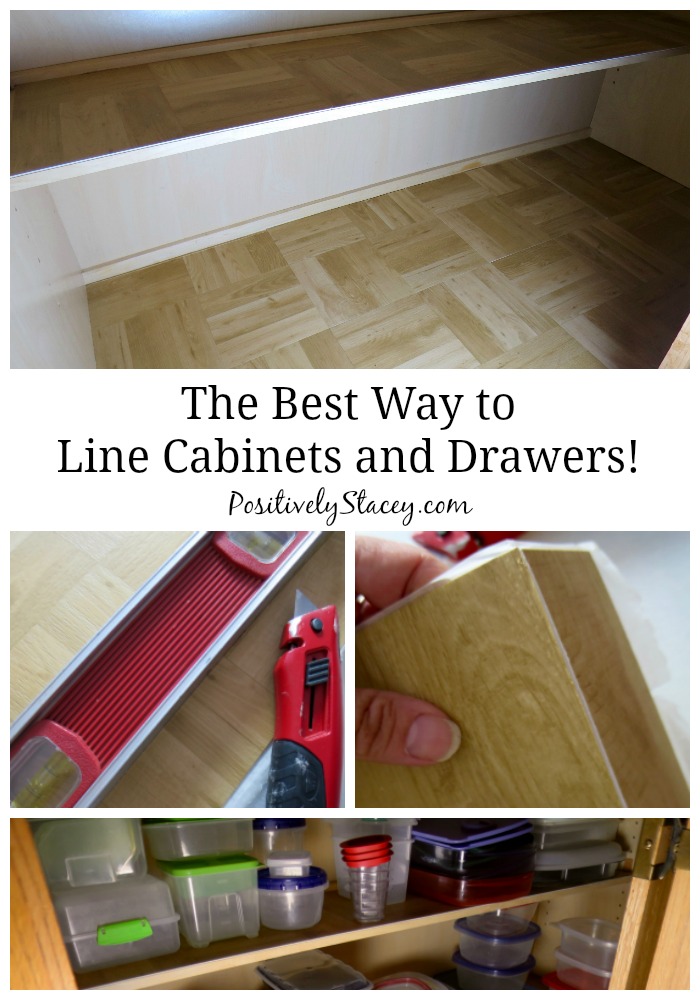
Image Source: positivelystacey.com
Why Line Your Kitchen Cabinets?
Why should you line your kitchen cabinets? It does many good things.
* It keeps spills from soaking into the wood.
* It stops scratches from pots and pans.
* It makes cleaning easier.
* It adds a nice touch of color or pattern.
* It helps stop things from sliding around.
Think about your cabinets now. Are there water rings? Are there marks from cans? Cabinet liners stop these problems. They act like a shield. They protect kitchen cabinets. This keeps them looking new longer.
Cleaning becomes very easy. If something spills, it stays on the liner. You just wipe the liner. Or you can take the liner out. Wash it off. Then put it back. This is much easier than scrubbing inside a cabinet. Using an easy clean cabinet liner saves you time.
Liners can also make cabinets quieter. Putting dishes away is softer. Things don’t clatter as much. Some liners have a soft feel. This adds a little cushion.
They also help things stay in place. An anti-slip cabinet liner is great for this. Glasses won’t slide when you open a drawer. Stacks of plates feel more stable. This makes your cabinets more orderly.
Finally, liners look good. You can pick colors and patterns. They match your kitchen style. It’s a small change. But it makes a big difference inside the cabinets. Lining kitchen shelves gives them a finished look.
Different Kinds of Shelf Liner
There are many types of shelf liner. They are made for different jobs. Knowing the types helps you choose.
Non-Adhesive Liners
This type of liner does not stick. It just lays flat on the shelf.
* How it works: Its own weight holds it down. Sometimes, the bottom surface is a little grippy. This helps it stay in place.
* Good points: It is very easy to put in. You just cut it and lay it down. It is easy to take out. You can wash it. You can move it. It does not leave sticky stuff behind. This is good if you rent your home. Or if you change your mind often. This is the most common non-adhesive shelf liner used.
* Bad points: It might move a little. If you pull heavy things out, it could shift. It does not seal the surface fully. Liquids could still get under the edges.
Adhesive Liners
This type of liner sticks to the shelf. It has glue on the back. You peel off a paper cover. Then you press it down. People often call this contact paper for shelves.
* How it works: The sticky back holds it firmly. It becomes part of the shelf surface.
* Good points: It stays put very well. It offers good protection against spills. It gives a smooth look. It won’t bunch up or slide.
* Bad points: Putting it in takes more care. You have to smooth out bubbles. Taking it off can be hard. It might leave sticky stuff. It could even harm some cabinet finishes when removed. It is not easy to move or wash separately.
Materials Used for Liners
Cabinet liners come in many materials. Each has its own feel and use.
* Vinyl/Plastic: This is very common. It is easy to clean. It stops water well. It is often inexpensive. It comes in many colors and patterns. Some are clear. Some have a textured top for grip. Many easy clean cabinet liner types are made from vinyl. Many anti-slip cabinet liner types are also made from this.
* Rubber: This type is very grippy. It stops things from sliding a lot. It is often used as an anti-slip cabinet liner. It can be a bit thicker. It is good for heavy items.
* Fabric: Some liners are made from cloth. They might have a rubber or plastic backing. This gives a soft feel on top. The backing stops spills and adds grip. They can add a cozy look. They are not always as easy to wipe clean directly.
* Cork: Cork is a natural material. It looks nice. It offers some grip. It is soft. It is not as good at stopping water as plastic. It is often used for a specific look.
* Foam: Soft and thick. Good for protecting delicate items. Adds cushion. Not always the best for spills. Often used in kitchen drawer liner for utensils.
Choosing the right shelf liner depends on what you need. Do you want easy change? Go non-adhesive. Do you need it to never move? Go adhesive. Do you worry about spills? Pick vinyl or plastic. Do you need grip? Look for anti-slip cabinet liner types.
Picking the Best Liner for You
Selecting the right cabinet liners means thinking about your kitchen.
* What goes in the cabinet? Heavy pots need a strong liner. Glasses need cushion or good grip. Food items need something easy to clean.
* How often do you clean? If spills happen often, an easy clean cabinet liner is a must. Vinyl is usually best for this.
* Do you want to change it later? If yes, non-adhesive is better. It comes out easily.
* What is your style? You can pick colors and patterns. Or choose a clear liner to let the cabinet color show.
* What is your budget? Prices for shelf liner vary. Simple plastic is cheap. Specialty materials cost more.
Think about drawers too. Kitchen drawer liner is often important. Drawers get a lot of sliding. Utensils move. An anti-slip cabinet liner is great for drawers. It keeps forks and spoons in place. Foam liners work well for delicate items in drawers.
Let’s look at some common needs and good liner types.
| Need | Best Liner Type | Material Often Used | Key Benefit |
|---|---|---|---|
| Easy to remove/change | Non-adhesive shelf liner | Vinyl, Plastic, Fabric | No sticky mess, quick change |
| Stays put firmly | Adhesive shelf liner | Vinyl, Contact Paper | Won’t shift, good spill barrier |
| Stops items from sliding | Anti-slip cabinet liner | Rubber, Textured Vinyl | Items stay in place |
| Simple to wipe clean | Easy clean cabinet liner | Vinyl, Plastic | Spills wipe right off |
| Protects from scratches | Any liner | All materials | Adds layer between items and wood |
| Cushions delicate items | Thicker non-adhesive, Foam | Foam, Fabric with back | Soft surface, reduces noise |
| Looks decorative | Adhesive or Non-adhesive | Patterned Vinyl, Fabric | Adds color/design |
So, if you want to protect kitchen cabinets from daily use, any liner helps. But think about the specific problems you want to solve. Do you hate things sliding? Get an anti-slip cabinet liner. Do you spill sugar often? Get an easy clean cabinet liner. Do you love changing your kitchen look? Get a non-adhesive shelf liner you can swap easily.
Tools and Materials You Will Need
Getting ready is the first step. You need a few things to line kitchen shelves the right way.
* Your chosen shelf liner: Make sure you buy enough. It is better to have too much than too little.
* Measuring tape or ruler: To find the size of your shelves.
* Scissors or a craft knife: To cut the liner neatly. A craft knife and a straight edge make very clean cuts, especially for adhesive types.
* Pencil or marker: To mark measurements on the liner.
* Cleaning supplies: Soap, water, cloth, maybe a brush or vacuum. Cabinets must be clean first.
* A straight edge: Like a ruler or level. Good for cutting straight lines.
* For adhesive liner: A smoothing tool. A credit card, a putty knife, or a special liner smoothing tool works. This gets rid of air bubbles.
* For non-adhesive liner: Sometimes, double-sided tape or small sticky dots are helpful. Just to keep corners from lifting if needed. But usually, the liner lays flat on its own.
Gather everything before you start. This makes the job go faster and smoother. Having the right tools makes how to install shelf liner much simpler.
Getting Your Cabinets Ready
You must prepare your cabinets first. Do not skip this step. Clean cabinets help the liner work better. They also stop dirt from getting trapped under the liner.
Step 1: Empty Everything Out
Take everything out of the cabinets and drawers. Remove all dishes, food, pots, pans, and utensils. Set them aside safely. This gives you a clear workspace.
Step 2: Clean the Surfaces
Now clean the inside of the cabinets and drawers.
* Wipe down all surfaces. Use a damp cloth with a little soap.
* Get into the corners. Use a brush if needed for stuck-on grime.
* Clean spills, crumbs, and dust.
* For sticky spots, you might need a stronger cleaner. Check if the cleaner is safe for your cabinet finish.
* Vacuum up any loose dirt or crumbs, especially in corners and along edges.
Step 3: Let It Dry
Let the cabinet insides dry completely. Water or dampness under the liner is bad. It can cause mold or damage the cabinet wood over time. Use a dry cloth to help speed this up. Make sure corners are dry too.
Now your cabinets are ready for the new liners. This clean start is important for protecting kitchen cabinets properly.
Installing Shelf Liner: Step-by-Step
Here is how to install shelf liner the right way. The steps are a bit different for adhesive and non-adhesive types.
Steps for Non-Adhesive Shelf Liner
This is the easier type to install. Perfect for lining kitchen shelves quickly.
Step 1: Measure the Space
* Measure the depth of the shelf or drawer. Measure from the front edge to the back.
* Measure the width of the shelf or drawer. Measure from side to side.
* Write these numbers down. Measure each shelf or drawer separately. They might be slightly different sizes.
Step 2: Mark and Cut the Liner
* Lay your non-adhesive shelf liner flat. The side that faces up in the cabinet should be facing you.
* Use your measuring tape and pencil to mark the size on the back of the liner. Most liners have grid lines on the back. This makes measuring and cutting easy.
* If using grid lines, follow them. If not, use your ruler and draw straight lines.
* Cut along your lines. Cut carefully. Straight lines look best.
* It is okay to cut slightly smaller than the exact shelf size. A gap of about 1/4 inch around the edges is fine. It makes the liner easier to fit. It also lets air move a little.
Step 3: Place the Liner
* Take your cut piece of liner.
* Put it into the cabinet or drawer.
* Place it gently on the shelf surface.
* Push it into place. Make sure it lays flat.
* Smooth it with your hands. Get rid of any wrinkles or bumps.
* Check the fit. If it is too big, pull it out and trim it slightly. If it’s too small, check your measurement for the next piece.
Step 4: Repeat
* Do this for all your shelves and drawers. Measure, mark, cut, and place.
* Lining kitchen shelves with non-adhesive liner is fast.
Steps for Adhesive Shelf Liner (Contact Paper)
Using contact paper for shelves takes a bit more care. But it gives a very smooth, secure finish.
Step 1: Measure Carefully
* Measure the depth and width of the shelf or drawer space exactly.
* Write down the numbers. Measure each space.
Step 2: Mark and Cut (Add Extra)
* Lay the adhesive liner flat, paper side up.
* Mark your measurements on the paper backing using the grid lines or ruler and pencil.
* Important: Add about an inch extra to both the length and width measurements before cutting. This extra will be trimmed later for a perfect fit. Cutting slightly bigger is easier than cutting too small.
* Cut the liner piece using your scissors or craft knife and straight edge.
Step 3: Start Laying the Liner (Peel Slowly)
* Peel back only a few inches of the paper backing from one edge (usually the back edge of the shelf).
* Line up this exposed sticky edge with the back edge of your cabinet shelf.
* Press the sticky edge down carefully onto the shelf surface. Make sure it is straight. This is your starting line.
Step 4: Smooth as You Go
* Slowly pull more of the paper backing off with one hand.
* With your other hand (or your smoothing tool), press the liner down onto the shelf. Start from the center and move outwards towards the edges.
* This pushes out any air and makes the liner stick smoothly.
* Keep peeling and smoothing. Work your way from the back of the shelf to the front.
* If you see a bubble, gently lift the liner near the bubble and press it back down, smoothing the air out.
Step 5: Trim the Edges
* Once the liner is fully stuck down, you will have extra material hanging over the front and side edges.
* Use your craft knife and the straight edge of the shelf as a guide.
* Carefully trim away the extra liner right against the edge of the shelf. This gives a clean, finished look.
* Be careful with the knife.
Step 6: Handle Corners and Obstacles
* For inside corners, you might need to make a relief cut in the liner so it can fold smoothly into the corner.
* If there are screws or shelf pins, you can usually press the liner down over them and then use the tip of your knife to make a small cut over the top. The liner will stick around it.
Step 7: Repeat
* Continue this process for all your cabinets and drawers.
* Lining kitchen shelves with adhesive liner takes patience but gives a very solid layer of protection. Using contact paper for shelves makes them very durable.
Troubleshooting Common Problems
Putting in shelf liner is mostly easy. But sometimes small problems happen. Here is how to fix them.
Wrinkles or Bumps
- Non-adhesive: This usually means the liner wasn’t laid flat enough. Lift the section with the wrinkle. Smooth it down again from the center outwards. Make sure the piece isn’t cut too big for the space.
- Adhesive: This is often an air bubble or the liner wasn’t smoothed well. If it’s a small bubble, you might be able to push the air to the nearest edge. For bigger bubbles or wrinkles, gently lift the liner back to where it is smooth. Then re-lay it, smoothing firmly as you go. A smoothing tool helps a lot here. If a bubble won’t go away, you can poke a tiny hole in it with a pin and push the air out.
Liner Not Lying Flat (Non-Adhesive)
- Sometimes edges lift. This can happen if the liner roll was very tight. Roll the piece the opposite way before putting it in. This helps it flatten out.
- Make sure the surface underneath is clean and dry.
- For stubborn corners, a tiny piece of double-sided tape under the corner can help it stay down without being fully stuck.
Crooked Cuts
- Cut carefully! Use the grid lines if your liner has them. Always use a straight edge and a sharp blade for adhesive liner.
- If a cut is a bit off, you can often trim it more carefully once it is in place. For adhesive, trim the extra material along the shelf edge. For non-adhesive, take it out and trim the messy edge straighter.
Not Enough Liner
- Measure twice, buy once! Always measure all your spaces first. Add a little extra to your total need just in case.
- If you run out, you might need to buy more. Try to get the same batch or pattern if possible.
- You can sometimes use smaller pieces. For non-adhesive, just lay them side-by-side. For adhesive, overlap the edges slightly (about 1/2 inch) and press them down firmly. Make sure the overlap is neat.
Taking your time helps avoid many of these issues. Being patient is key, especially with adhesive types like contact paper for shelves.
Keeping Your Liners Clean
One great thing about cabinet liners is easy cleaning. Here is how to keep them looking good.
- Regular Wiping: Wipe down the liners often. Use a damp cloth with mild soap and water. This stops dirt and spills from building up. This is why an easy clean cabinet liner is so popular.
- Spot Cleaning: Clean up spills right away. Liquids can sometimes seep under non-adhesive liners if left for a long time. Wipe them up quickly.
- Sticky Messes: For sticky spots on vinyl or plastic liners, a little rubbing alcohol on a cloth can help. Test it in a small hidden spot first.
- Washing Non-Adhesive Liners: If a non-adhesive shelf liner gets very dirty, you can take it out. Wash it in the sink with soap and water. Rinse it well. Let it dry fully before putting it back.
- Washing Fabric Liners: Check the product label. Some fabric liners can be machine washed. Others need hand washing. Make sure the backing gets dry too.
- Cleaning Adhesive Liners: Since these are stuck down, you just wipe them clean like the cabinet surface itself. Avoid harsh scrub brushes that could scratch the surface.
Clean liners mean clean cabinets. This helps protect kitchen cabinets from smells and dirt.
Protecting Your Kitchen Cabinets Long-Term
Lining your cabinets is a smart move for protecting kitchen cabinets for many years.
- Stain Prevention: Liners stop liquid spills like oil, wine, or sauces from marking the wood. This is especially important in base cabinets where spills are more likely.
- Scratch Prevention: Heavy pots, pans, dishes, and utensils can scratch the bottom of cabinets and drawers. A layer of shelf liner acts as a cushion and barrier. This saves the cabinet finish.
- Moisture Barrier: While not waterproof at the edges, liners stop small spills from soaking into the wood right away. This is very important around sinks. Using a good quality, possibly adhesive, shelf liner in sink cabinets is extra helpful.
- Wear and Tear: The constant sliding of items in and out of drawers causes wear. A kitchen drawer liner takes this wear instead of the drawer bottom. This keeps the drawer looking better and lasting longer. An anti-slip cabinet liner in drawers reduces sliding, which also reduces wear.
- New Cabinets: If you have new cabinets, lining them helps keep them looking new for a very long time. It prevents the first scratch or stain from happening to the bare wood.
- Older Cabinets: If your cabinets are already stained or worn, liners cover these marks. They give the cabinet a fresh, clean look inside. They also protect the old finish from getting worse.
So, cabinet liners are not just for looks or easy cleaning. They are a key part of maintaining your kitchen cabinets. They help protect your home’s value.
Other Uses for Shelf Liner
Shelf liner is handy stuff. You can use it in many places besides kitchen cabinets.
- Bathroom Cabinets: Protect under the sink from leaks or spilled products. Line shelves for toiletries.
- Laundry Room: Protect shelves from detergent spills.
- Linen Closets: Keep towels and sheets tidy and snag-free. Add a fresh scent if using scented liners.
- Pantries: Line pantry shelves to catch crumbs and spills from food items. An easy clean cabinet liner is great here.
- Toolboxes: Line drawers to stop tools from rolling around and scratching the box. An anti-slip cabinet liner works well.
- Craft Areas: Protect surfaces from paint or glue spills.
- Under Appliances: Place a piece under small appliances like coffee makers. This catches drips and makes the appliance easier to slide.
- Refrigerators: Line shelves to catch spills. Makes cleaning the fridge much faster. Use an easy clean cabinet liner here.
These are just a few ideas. Anywhere you need to protect a surface, add grip, or make cleaning easier, shelf liner can probably help. Non-adhesive shelf liner is very useful for temporary protection or places you clean often, like fridge shelves.
Putting It All Together
Lining your kitchen cabinets is a simple project. It has big benefits. You protect your cabinets from damage. You make cleaning much easier. You add a touch of style.
It starts with choosing the right shelf liner. Think about adhesive vs. non-adhesive. Think about the material like vinyl for easy clean cabinet liner, or rubber for anti-slip cabinet liner. Consider where you will use it, like kitchen drawer liner.
Then, you prepare the cabinets. Empty them. Clean them well. Let them dry.
Next, you install the liner. Measure the space. Cut the liner carefully. Place non-adhesive liner down. Smooth adhesive liner as you peel the backing. Trim the edges for a neat finish. Follow the steps for how to install shelf liner correctly.
Keep your liners clean by wiping them often. Wash non-adhesive types if needed.
Doing this helps protect kitchen cabinets for years. It is a small job that makes a big difference in your kitchen’s function and look. Lining kitchen shelves is a great weekend project. It makes your home nicer and easier to care for.
Frequently Asked Questions (FAQ)
Q: Can I use non-adhesive shelf liner in drawers?
A: Yes, you can. Non-adhesive shelf liner works well in drawers. An anti-slip cabinet liner type that is non-adhesive is great. It helps things stay put without sticking to the drawer itself. It is easy to take out and clean.
Q: How do I get bubbles out of adhesive shelf liner?
A: The best way is to smooth the liner as you put it down. Use a tool like a credit card. If you see a bubble after, gently lift the liner edge closest to the bubble. Then press it back down, pushing the air towards the edge. For small stubborn bubbles, you can poke a tiny hole with a pin and push the air out.
Q: Is contact paper for shelves the same as adhesive shelf liner?
A: Yes, usually. “Contact paper” is a common name for adhesive shelf liner. It is paper or vinyl with a sticky back, used for lining shelves, drawers, or even decorating surfaces.
Q: How often should I change my cabinet liners?
A: You can change them whenever you like! There is no set rule. You might change them if they get very worn, stained, or if you want a new look. Easy clean cabinet liner types might last longer before needing a change. Non-adhesive types are the easiest to swap out.
Q: Can I put shelf liner over old shelf liner?
A: It is best not to. Always remove old liner first. This lets you clean the cabinet surface properly. Putting new liner over old might not stick well (if adhesive) or might not lay flat (if non-adhesive). It is better to start fresh.
Q: Does shelf liner help with bugs in cabinets?
A: Shelf liner itself does not kill bugs. But lining cleaned cabinets helps keep them cleaner. This removes food crumbs that attract bugs. If you have a bug problem, you need to clean thoroughly and maybe use pest control. Liner can be added after the bug issue is gone and the cabinet is cleaned.