Does a nasty smell come from your kitchen drain? You are not alone. This common problem usually happens because of food bits, grease, and other gunk stuck inside the pipes. This stuff breaks down over time. When it breaks down, it makes bad smells. Getting rid of this kitchen sink smell safely is important. You don’t want to use harsh chemicals that can hurt your pipes or the environment. Luckily, there are many simple, safe ways to tackle drain odor removal. This guide will walk you through them. We will show you how to clean a drain safely.
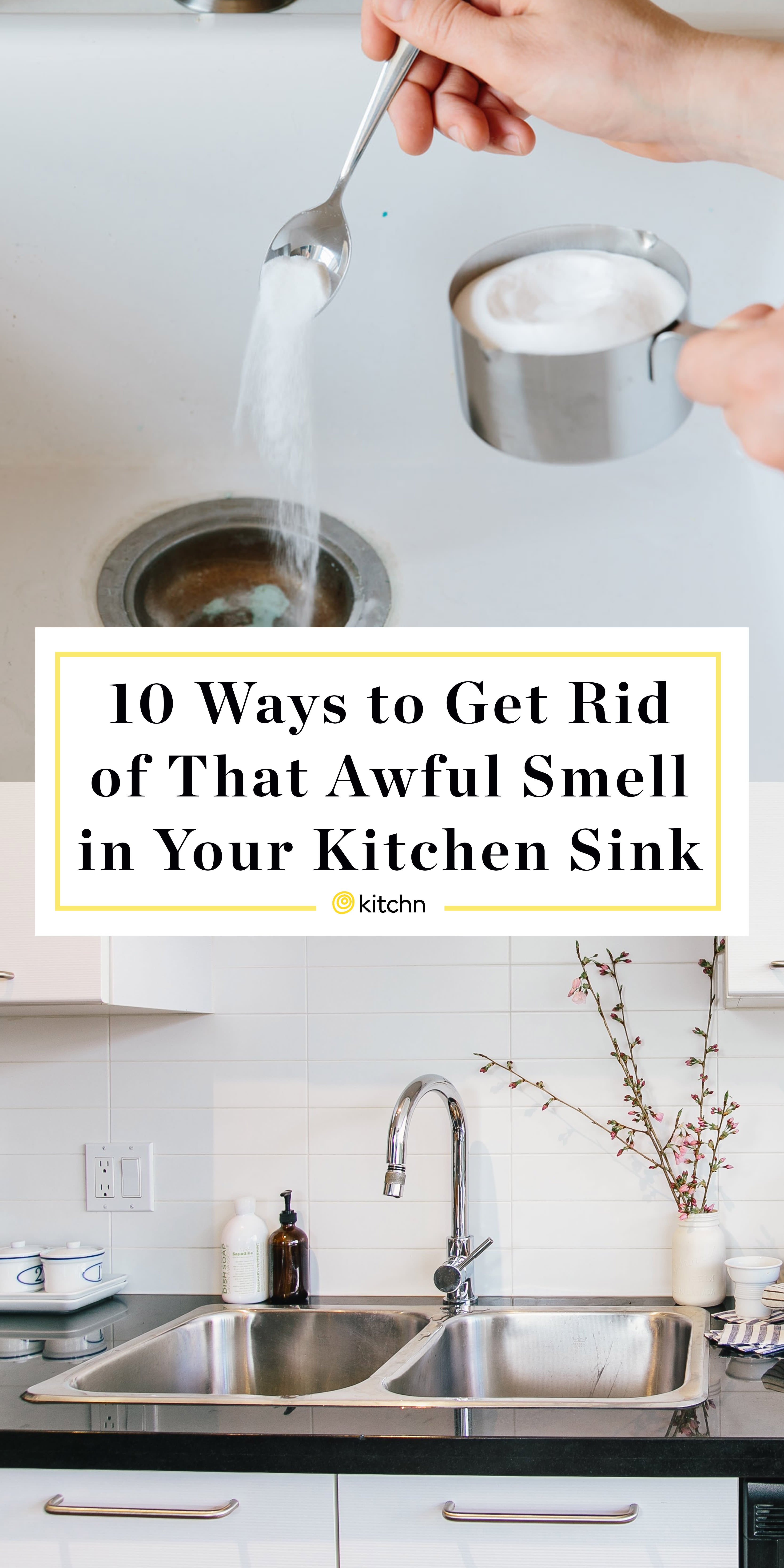
Image Source: cdn.apartmenttherapy.info
Why Kitchen Drains Get Smelly
Let’s figure out why that bad smell is there. Knowing the cause helps you fix it right. The kitchen drain is a busy place. It handles water, soap, and all sorts of food waste. Over time, tiny bits build up inside the pipes.
Bits of Food and Organic Stuff
Small food pieces go down the drain. Even if you scrape plates, tiny bits escape. These bits get stuck to the sides of the pipes. They also settle in the P-trap. This stuck food starts to rot. When food rots, it smells bad. This is a big reason for that Smelly drain remedies search.
Grease and Fat Buildup
Pouring grease or fat down the drain is a major problem. Even small amounts add up. When hot grease cools in the pipes, it turns solid. This sticky grease traps food bits. It creates a perfect place for germs to grow. This Grease buildup in drain is a tough mess. It makes the Clogged drain smell even worse.
Bacteria and Germs
Where there is food and moisture, germs will grow. Bacteria love damp, dark places like drains. They eat the food bits and grease. As they eat, they make smelly gases. These gases travel up the pipe. That’s the bad smell you notice from your kitchen sink.
The Job of the P-Trap
Every sink has a P-trap pipe under it. It looks like a U or S shape. This trap holds a little water. The water creates a seal. This seal stops sewer gases from coming up into your house. If the P-trap dries out or is dirty, you might smell sewer gas. This gas smells very bad. Sometimes, the problem is not just rotting food. It could be this seal failing. Cleaning this P-trap can help.
When the Drain Gets Clogged
A Clogged drain smell is often stronger. A partial or full clog means more stuff is stuck. Water might drain slowly. The blockage traps more food and grease. This gives germs more to feed on. A clog makes smells worse and harder to get rid of.
Safe Ways to Get Rid of Drain Smell
Now that we know why drains smell, let’s fix it. We will look at safe Drain odor removal methods. These methods use common household items. They are much better for your pipes and the planet than harsh chemicals.
Hot Water Rinse
This is the simplest step. It can help with minor smells.
Pour a kettle of boiling water down the drain. Do this carefully to avoid splashes.
Hot water can melt some grease. It can wash away loose food bits.
Do this regularly to help prevent smells from starting. It’s a quick habit to form.
Baking Soda and Vinegar
This is a very popular and safe method. Baking soda and vinegar drain cleaner is effective for many clogs and smells.
Baking soda (sodium bicarbonate) is a mild cleaner. It helps absorb smells.
Vinegar (acetic acid) is an acid. When mixed with baking soda, it fizzes. This fizzing helps loosen gunk.
Here is how to use Baking soda and vinegar drain cleaner:
h5 Step-by-Step: Baking Soda and Vinegar
- Get Ready: Gather baking soda and white vinegar. Get a plug or stopper for your sink.
- Pour Baking Soda: Pour about half a cup of baking soda down the drain. Try to get it right into the drain opening.
- Pour Vinegar: Slowly pour one cup of white vinegar down the drain.
- Cover the Drain: Quickly put the plug in the drain. This traps the fizzing action inside the pipe. You will hear bubbling.
- Let it Sit: Let the mixture work for at least 10-15 minutes. Letting it sit longer, like 30 minutes or even overnight, can be better for tough smells.
- Flush with Hot Water: After the waiting time, boil water in a kettle or pot. Pour the hot water carefully down the drain to rinse everything away.
- Repeat if Needed: For bad smells, you might need to do this several times.
This method is great for general drain cleaning solutions. It helps with Grease buildup in drain and trapped food.
Using Salt and Baking Soda
Salt can add extra scrubbing power.
Mix half a cup of salt with half a cup of baking soda.
Pour the dry mix down the drain.
Then pour one cup of white vinegar.
Follow steps 4-7 above.
The salt helps scrape the sides of the pipe a little.
Lemon or Citrus Peels
Citrus fruits have a nice smell. The acid in them can also help.
This method works well for Garbage disposal smell.
Cut up lemon, lime, or orange peels into small pieces.
Put them down the drain (especially if you have a garbage disposal).
Run cold water. Turn on the garbage disposal for a few seconds.
The peels grind up and clean the disposal blades. The citrus oil leaves a fresh smell.
You can also just boil citrus peels in water. Let the water cool a bit. Pour the citrus water down the drain.
Handling Garbage Disposal Smell
Garbage disposals are very helpful. But they can trap food bits easily. This leads to a bad Garbage disposal smell. Cleaning the disposal is key to getting rid of the smell.
h4 How to Clean a Garbage Disposal
- Safety First: Make sure the disposal is turned off. Never put your hand inside.
- Ice Cubes: Put a cup or two of ice cubes into the disposal. You can add a handful of rock salt or a little baking soda to the ice.
- Run Disposal and Cold Water: Turn on cold water. Turn on the disposal. Let it run until the ice is gone. The ice helps scrape the blades and sides clean. The salt or baking soda adds cleaning power.
- Citrus Peels: After the ice, put a handful of citrus peels (lemon, lime, orange) into the disposal.
- Run Disposal and Cold Water Again: With cold water running, turn on the disposal. Let it run until the peels are ground up. This cleans and freshens.
- Rinse: Let the cold water run for about 30 seconds after turning off the disposal.
You can also buy special garbage disposal cleaners. Look for ones that are enzyme-based. These are safer than harsh chemicals.
More Smelly Drain Remedies
Besides baking soda and vinegar, other simple items can help.
- Boiling Water: As mentioned, a simple flush can make a difference, especially done often.
- Ice: Like for disposals, ice can push out some blockages or buildup in a regular drain. Pour a cup of ice cubes down the drain. Flush with cold water. The cold can help harden grease bits making them easier to move.
- Salt and Hot Water: Pour half a cup of salt down the drain. Follow with a kettle of hot water. The salt acts as a mild scrub.
- Enzymatic Cleaners: These cleaners use natural enzymes. The enzymes break down food, grease, and soap scum. They take longer to work than chemicals. But they are much safer for pipes and the environment. Look for enzymatic drain cleaning solutions at the store. Use them overnight for best results.
h4 Table of Quick Smelly Drain Fixes
| Remedy | What it Uses | How it Helps | Good For | Frequency Suggestion |
|---|---|---|---|---|
| Boiling Water | Hot Water | Melts grease, washes loose bits | Minor smells, prevention | Daily or Weekly |
| Baking Soda & Vinegar | Baking Soda, White Vinegar | Loosens gunk, absorbs smells | Food bits, mild grease | Monthly or As Needed |
| Salt & Baking Soda & Vinegar | Salt, Baking Soda, White Vinegar | Scrapes sides, loosens gunk, absorbs smells | Tougher buildup | Monthly or As Needed |
| Citrus Peels (Disposal) | Lemon, Lime, Orange Peels | Cleans blades, freshens smell | Garbage disposal smell | Weekly |
| Ice Cubes (Disposal) | Ice, optional Salt/Baking Soda | Scrapes blades, pushes small blockages | Garbage disposal smell | Weekly |
| Enzymatic Cleaners | Natural Enzymes | Breaks down organic matter over time | Ongoing maintenance, buildup | Monthly or Quarterly |
Deeper Drain Cleaning Solutions
Sometimes, the smell is from a bigger problem. A serious Grease buildup in drain or a deep Clogged drain smell needs more work. The methods above are for general cleaning and mild smells. If the smell is really bad or the drain is very slow, you might need different steps.
Using a Drain Snake or Augur
A drain snake is a long, flexible tool. It goes into the pipe. It can break up clogs that are further down.
You can buy small hand-held snakes. They are easy to use for sinks.
Push the snake into the drain opening. Gently feed it down the pipe.
When you hit a blockage, twist the snake. This helps break up the gunk.
Pull the snake out slowly. It will bring some of the clog with it.
Clean the snake after using it.
This method is good for removing physical blockages. These blockages cause Clogged drain smell.
Taking Apart the P-Trap
Sometimes, the P-trap is the source of the problem. It can fill with thick sludge. Cleaning the P-trap itself might be necessary.
The P-trap is usually under the sink. It’s the curved pipe.
Before you start, put a bucket under the trap. It will catch water and gunk.
There are usually two nuts holding the trap in place. Use pliers or a wrench to loosen these nuts.
Carefully remove the trap. Water will drain into the bucket.
Clean out the inside of the trap. You can use a brush, a coat hanger, or paper towels. Get all the gunk out.
Rinse the trap with hot water.
Put the trap back together. Make sure the nuts are tight. Don’t overtighten plastic nuts.
Run water into the sink to check for leaks.
h5 When to Clean the P-Trap
- You have a persistent smell that other methods don’t fix.
- You know you’ve put a lot of food or grease down the drain.
- You suspect the smell is from trapped sludge, not just the pipe walls.
P-trap cleaning is a key part of thorough Drain odor removal when simpler steps fail.
Using Wet/Dry Vac (Shop Vac)
A wet/dry vacuum can sometimes pull out a clog.
Put the hose tightly over the drain opening. You might need an old towel to make a tight seal.
Turn the vacuum on to the “wet” setting. It can create strong suction.
This can sometimes pull the clog up the pipe. This is a non-chemical way to clear blockages causing Clogged drain smell.
Enlisting Professional Help
If safe home remedies don’t work, the clog or smell might be severe. It could be deeper in the main pipe.
In this case, it’s best to call a plumber.
Plumbers have special tools. They can clear stubborn clogs safely. They can also figure out if there is a bigger plumbing issue.
Tell the plumber you prefer safe methods. Ask them if they use enzymatic cleaners or hydro-jetting (using high-pressure water).
Preventing Kitchen Drain Smell
Stopping the smell before it starts is the best plan. Good habits keep your drain fresh.
Be Careful What Goes Down
This is the most important rule.
Never pour grease, oil, or fat down the drain. Let it cool. Put it in a container. Throw the container in the trash.
Use a drain screen or strainer. This catches food scraps, coffee grounds, and other bits. Empty the strainer into the trash often.
Avoid putting starchy foods like pasta and rice down the drain. They swell in water.
Avoid putting fibrous foods like celery stalks or potato peels into a garbage disposal.
Avoid pouring coffee grounds down the drain. They clump up.
Regular Hot Water Flushes
Make it a habit to pour hot water down the drain. Do this after washing dishes.
It helps wash away mild Grease buildup in drain and loose food particles.
Monthly Baking Soda and Vinegar Rinse
Even if there is no smell, do a Baking soda and vinegar drain cleaner treatment once a month.
This helps keep the pipes cleaner. It prevents buildup from getting bad.
Clean the Garbage Disposal Often
Use the ice and citrus method weekly for your garbage disposal. This prevents Garbage disposal smell.
Use Enzymatic Cleaners for Maintenance
Pour an enzymatic cleaner down the drain once a month or every few months. Do this usually before bed.
These cleaners slowly eat away at buildup. They are a good part of Drain cleaning solutions for upkeep.
Run Water Regularly
If you don’t use a sink often, the P-trap can dry out. This lets sewer gases enter.
Run water in the sink for a minute every week. This keeps the P-trap full.
Deep Dive into Safe Drain Cleaning Solutions
Let’s look closer at the types of cleaning solutions. We want safe ones for your Kitchen sink smell problem.
Chemical Drain Cleaners: Use with Caution (or Not at All)
You see strong chemical drain cleaners in stores. They promise fast results.
These cleaners often use harsh chemicals like lye or sulfuric acid.
They work by creating heat or dissolving grease quickly.
But they have big downsides:
* Dangerous Fumes: They release toxic fumes. These are bad to breathe.
* Pipe Damage: The heat and chemicals can harm pipes, especially older ones or plastic pipes. Repeated use can cause cracks or leaks.
* Environmental Harm: They are bad for water systems and the environment.
* Safety Risk: They can cause severe burns if they touch skin or eyes.
For getting rid of kitchen drain smell safely, these are not the best choice. The methods we discussed earlier are much safer. Baking soda and vinegar drain cleaner is a good example of a safe alternative.
Enzymatic and Bacterial Cleaners
These are very different from harsh chemicals.
They contain helpful bacteria or enzymes.
The bacteria eat the organic waste (food, grease, soap scum). The enzymes break down the waste into smaller pieces for the bacteria.
They work slowly. You usually pour them in and leave them overnight. They don’t create heat or harsh fumes.
They are safe for all types of pipes. They are better for the environment.
They are best used for maintenance or clearing mild buildup. They are not for instant clog removal.
Look for products labeled “enzymatic” or “bacterial” drain cleaner. They are a recommended part of safe Drain cleaning solutions.
Other Natural Options
Besides baking soda, vinegar, and salt, some other natural things can help a little.
* Borax: Borax is a mineral salt. It’s a cleaning booster. You can mix a few tablespoons of Borax with hot water. Pour it down the drain. It helps clean and deodorize. It’s safer than strong chemicals, but still use gloves.
* Washing Soda (Sodium Carbonate): This is stronger than baking soda. It can help cut grease. Use carefully. Mix half a cup of washing soda with a gallon of hot water. Pour slowly down the drain.
Always use caution with any cleaning product. Read labels. Wear gloves if needed.
Checking for a Clog
Is your drain just smelly, or is it also slow? A slow drain means a partial clog. A clog makes smells worse.
Signs of a clog:
* Water drains slowly.
* Water backs up in the sink.
* Gurgling sounds from the drain.
* Stronger Smelly drain remedies needed often.
* Persistent Clogged drain smell.
If you have a clog, focusing on removing the clog is the first step to remove the smell. Methods like the drain snake, wet/dry vac, or P-trap cleaning are for clogs. After clearing the clog, use Baking soda and vinegar or enzymatic cleaners to clean the pipes and remove leftover smells.
When Smells Come Back Quickly
You cleaned the drain. The smell went away. But it came back fast. Why?
* The Buildup is Bad: The Grease buildup in drain might be very thick. A simple rinse didn’t get it all.
* The Clog Wasn’t Fully Cleared: A piece of the clog is still there. It keeps trapping new stuff.
* Garbage Disposal Issue: The smell might be mostly from the disposal, not the pipes below. Clean the disposal very well.
* P-Trap Problem: The P-trap might still have gunk, or the water seal is breaking. Check the P-trap.
* Vent Pipe Problem: Drains have vent pipes. They let air into the system. This helps water flow. They also let sewer gases escape through the roof. If a vent pipe is blocked (like with a bird’s nest), sewer gases can come up the drain instead. This needs a plumber.
* Main Sewer Line: A clog in the main sewer line affects all drains in the house. This is a serious issue needing a plumber right away.
If smells return fast, it usually means the problem is bigger than simple surface buildup. You need a more thorough cleaning method or professional help.
Putting Together a Cleaning Plan
To keep your kitchen sink smell-free safely, make a plan.
h4 Weekly Drain Care:
- Use a drain strainer always. Empty it after each use.
- Flush drain with hot water after washing dishes.
- Clean your garbage disposal with ice and citrus peels.
h4 Monthly Drain Care:
- Use Baking soda and vinegar drain cleaner method.
- Or use an enzymatic drain cleaner overnight.
h4 As Needed:
- If drain is slow or smell is bad, try baking soda/vinegar/salt again.
- Use a drain snake for suspected clogs.
- Clean the P-trap if smells are persistent and other methods fail.
h4 Yearly or When Needed:
- Consider a professional drain cleaning service if buildup is severe or clogs happen often. Ask about hydro-jetting or safe methods.
This plan uses different safe Smelly drain remedies. It focuses on prevention and tackling buildup before it gets bad. It uses gentle, effective Drain cleaning solutions.
More Details on DIY Cleaning Methods
Let’s give even more detail on how to clean a drain using the safe home methods. This makes sure you do it right for the best results.
Detailed Steps for Baking Soda and Vinegar
This is the most common safe method. Let’s make it super clear.
- Step 1: Heat Water. Boil a pot or kettle of water. Let it sit for a minute or two. Don’t use water straight from the tap, even hot tap water. It’s not hot enough.
- Step 2: Pour Hot Water. Pour about half the hot water down the drain. Be careful! This helps warm up the pipe and loosen some gunk.
- Step 3: Add Baking Soda. Wait a minute or two. Pour 1/2 cup of baking soda directly into the drain opening.
- Step 4: Add Vinegar. Pour 1 cup of white vinegar down the drain. Slowly is good.
- Step 5: Watch and Plug. You will see fizzing and bubbling. This is the reaction. Quickly put a plug in the drain to keep the fizzing action inside the pipe where it works on the gunk.
- Step 6: Let it Sit. Let the mixture work for at least 15 minutes. Longer is often better, like 30 minutes or even overnight if the smell is bad or you suspect a clog.
- Step 7: Final Hot Water Flush. Boil the rest of the hot water. Pour it carefully down the drain to wash away the loosened stuff and the baking soda/vinegar mix.
- Step 8: Run Tap Water. After the hot water, run hot tap water for a minute to make sure everything is flushed through.
This process helps break down fatty acids into soap and glycerol. It helps lift gunk from pipe walls. It neutralizes some smells. This is a powerful, safe way for Drain odor removal.
Detailed Steps for Cleaning the P-Trap
This job can be a bit messy but is very effective for bad smells trapped right there.
- Step 1: Get Tools and Supplies. You need a bucket, pliers or a wrench (often adjustable), maybe an old toothbrush or wire hanger, and old towels or rags.
- Step 2: Prepare the Area. Clear out anything under the sink. Put your bucket directly under the P-trap. Lay down towels around the bucket in case of spills.
- Step 3: Locate the Nuts. Find the two slip nuts that hold the P-trap in place. One is where the trap connects to the tailpiece (the pipe coming down from the sink drain). The other is where it connects to the pipe going into the wall.
- Step 4: Loosen the Nuts. Use your pliers or wrench to loosen the nuts. Turn them counter-clockwise. Be careful, they might be stiff. If they are plastic, don’t squeeze too hard or you can crack them.
- Step 5: Remove the Trap. Once nuts are loose, you should be able to lower the P-trap. Water and gunk will fall into the bucket.
- Step 6: Clean the Trap. Take the P-trap outside or hold it over the bucket. Use a brush, wire hanger, or even just paper towels to scrape out all the sludge and trapped stuff. It will likely be slimy and smelly.
- Step 7: Rinse the Trap. Rinse the inside and outside of the clean trap with hot water.
- Step 8: Check Pipes. Look up into the tailpiece coming from the sink and into the pipe going into the wall. Are there any obvious blockages right there? If so, try to remove them carefully.
- Step 9: Reassemble. Put the P-trap back in place. Hand-tighten the nuts first. Then use pliers or a wrench to tighten them just until snug. Don’t overtighten, especially on plastic pipes, as this can cause leaks or cracks.
- Step 10: Check for Leaks. Run water in the sink for a minute or two. Watch closely for any drips around the nuts. If you see a drip, tighten that nut a little more.
This can clear a significant amount of old, smelly buildup that other methods can’t reach. It’s a key step in solving some tough Smelly drain remedies challenges.
Considering Different Pipe Materials
Most safe Drain cleaning solutions mentioned here are fine for common pipe materials.
* PVC Pipes: Most modern homes use PVC plastic pipes. Baking soda, vinegar, salt, hot water, enzymatic cleaners, and drain snakes are generally safe for PVC. Harsh chemical drain cleaners can soften or warp PVC over time.
* Metal Pipes (Copper, Brass, Cast Iron): These older pipes are generally durable. Safe home remedies like baking soda/vinegar and enzymatic cleaners are fine. Strong acids or bases in chemical cleaners can corrode some metal pipes over time. Drain snakes are generally safe but be careful not to scratch older, weaker pipes.
Always know what type of pipes you have if possible. When in doubt, stick to the gentlest methods first.
Beyond the Kitchen Sink
While this guide focuses on the kitchen, drain smells can happen in bathrooms too. The causes are similar (hair, soap scum, germs). Many of the same safe methods, like Baking soda and vinegar drain cleaner, work for bathroom drains. P-trap cleaning is also relevant for bathroom sinks.
Environmental Note
Choosing safe methods for Drain odor removal is better for our water systems. Harsh chemicals go down the drain and end up in water treatment plants. They are hard to remove. Using natural remedies like baking soda and vinegar or enzymatic cleaners reduces the chemical load on the environment. It’s a small step but an important one.
Frequently Asked Questions (FAQ)
h4 Q: How often should I clean my kitchen drain?
A: It’s good to do regular prevention. A weekly flush with hot water and a monthly treatment with baking soda and vinegar or an enzymatic cleaner can help prevent smells from starting. Clean the garbage disposal weekly.
h4 Q: Can I use baking soda and vinegar in my garbage disposal?
A: Yes! It’s safe and effective for cleaning the disposal and the pipe below it. Follow the steps for using Baking soda and vinegar drain cleaner, making sure the disposal is off when you add the ingredients.
h4 Q: Will baking soda and vinegar harm my pipes?
A: No, baking soda and vinegar are very mild. The reaction is gentle fizzing, not harsh heat or chemical breakdown that damages pipes. They are safe for all common pipe types, unlike strong chemical drain cleaners.
h4 Q: My drain smells like rotten eggs. What is that?
A: A rotten egg smell is usually hydrogen sulfide gas. This can come from bacteria breaking down organic matter in the drain, or it can be sewer gas. First, try cleaning the drain and P-trap thoroughly. If the smell continues and other drains also smell, it could be a sewer gas issue or a problem with your plumbing vent pipe. This might require calling a plumber.
h4 Q: I poured a chemical drain cleaner down, but the smell is still there and now the drain is clogged! What do I do?
A: This is a tricky situation. Chemical cleaners can make clogs worse or create a gooey mess. Do not pour more chemicals or try other home remedies immediately, as mixing cleaners can be dangerous. If you must work on it yourself, wear heavy-duty gloves and eye protection. Try to gently snake the drain. Often, calling a plumber is the safest option in this case. Tell them you used a chemical cleaner so they can take proper safety steps.
h4 Q: Are enzymatic drain cleaners safe for septic systems?
A: Yes! Enzymatic and bacterial cleaners are generally considered safe and even beneficial for septic systems. They help break down waste naturally. Harsh chemical cleaners, on the other hand, can kill the beneficial bacteria needed in a septic tank.
h4 Q: How can I prevent grease buildup in my drain?
A: The best way to prevent Grease buildup in drain is to simply never pour grease, oil, or fat down the sink. Wipe greasy pans with paper towels before washing them. Collect larger amounts of grease in a container and throw it in the trash. Using hot water after doing dishes helps move smaller amounts of grease along before it cools and hardens.
h4 Q: When should I call a plumber for a smelly drain?
A: Call a plumber if:
* The smell is very strong and smells like sewer gas, and basic cleaning doesn’t help.
* The drain is completely clogged, and you can’t clear it with a snake or plunger.
* The smell comes back very quickly after cleaning.
* Multiple drains in your home are slow or smelly.
* You are uncomfortable trying DIY methods like P-trap cleaning.
Dealing with a Kitchen sink smell doesn’t have to be unpleasant or unsafe. By understanding the causes and using simple, natural methods, you can achieve effective Drain odor removal. Regular cleaning and prevention are your best tools for keeping your kitchen drain smelling fresh and clean, safely.