You can easily learn how to crochet kitchen towels, even if you are just starting out! These make great projects for beginners. They work up fast and are super useful. Plus, they make really nice gifts.
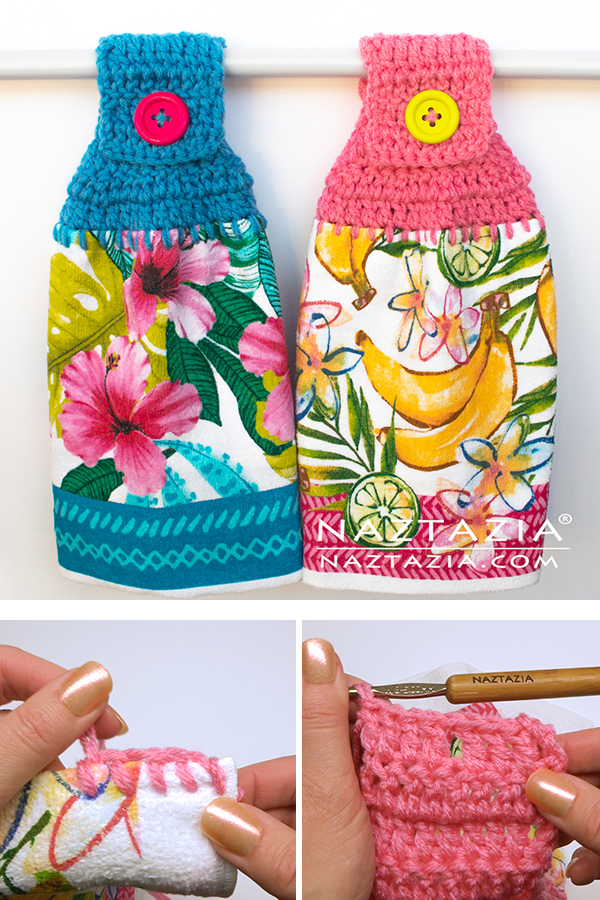
Image Source: peg.kwk.mybluehost.me
Why Make Your Own Kitchen Towels?
Crocheting kitchen towels is a fun and rewarding craft. It lets you make something pretty and useful for your home. Here are some reasons to try it:
- You Pick the Look: You choose the colors and style that fit your kitchen perfectly.
- Good for the Earth: Making your own items can cut down on waste. You can use long-lasting materials.
- Practice Your Skills: Towels are simple shapes, often just a rectangle. This is great practice for new crocheters. You can work on keeping your edges straight.
- Wonderful Gifts: A set of handmade kitchen towels is a thoughtful gift for anyone. They are perfect for housewarmings or holidays.
- They Really Work: With the right yarn, a crochet kitchen towel is very absorbent and lasts a long time.
What You Need to Start
Getting started with crochet kitchen towels is easy. You don’t need a lot of fancy tools.
You will need:
- Yarn: This is the most important thing.
- Crochet Hook: This tool makes the loops that create the fabric.
- Scissors: To cut your yarn.
- Yarn Needle: Also called a tapestry needle or darning needle. You use this to weave in the ends of your yarn.
That’s it! Just these few items.
Picking the Best Yarn
Choosing the right yarn is key for a good kitchen towel. You want yarn that soaks up water well. You also want it to be strong so you can wash it a lot.
The best choice is cotton yarn for dish towels. Why cotton?
- It Soaks Up Water: Cotton loves water. This makes it great for drying dishes or wiping up spills.
- It’s Strong: Cotton yarn holds up well, even with lots of washing and using. It gets softer over time.
- It Can Handle Heat: You can wash and dry cotton towels on warm settings.
- It Doesn’t Melt: Unlike acrylic yarn, cotton won’t melt if it touches a hot pot or pan by accident.
Look for 100% cotton yarn. You can find it in many colors. Some common types are:
- Mercerized Cotton: This yarn is smoother and has a bit of a shine. It’s strong but might be a little less absorbent than regular cotton at first.
- Unmercerized Cotton: This is often called “craft cotton” or “kitchen cotton.” It’s not shiny and is very absorbent. This is usually the best choice for an absorbent crochet towel.
Think about the yarn weight too. Medium weight (also called Worsted Weight or Aran) is a great choice for beginner crochet kitchen towel patterns. It’s easy to work with and makes a nice fabric for towels.
You will often see this weight labeled as ‘4’ on the yarn label.
Choosing Your Hook Size
Crochet hooks come in different sizes. The size of the hook affects how big your stitches are. It also changes how the fabric feels.
- A larger hook makes bigger, looser stitches. This creates a soft, flexible fabric. It might be less dense.
- A smaller hook makes smaller, tighter stitches. This creates a firm, dense fabric.
For crochet cotton dish towel projects, a good starting point is a hook size suggested on the yarn label. For medium weight cotton, this is often around size H-8 (5mm) or I-9 (5.5mm).
You can use the hook size given in a specific crochet dish towel pattern. Or, you can try a few sizes with your yarn. See what feels best to you and makes a fabric you like. Do you want a more solid towel or one with a bit more drape? The hook size helps decide this.
Here is a simple guide for medium weight cotton yarn:
| Hook Size | Fabric Feel | Good For… |
|---|---|---|
| H-8 (5mm) | Fairly dense | Sturdy towels |
| I-9 (5.5mm) | A bit softer, absorbent | General kitchen tasks |
| J-10 (6mm) | Softer, more flexible | Very absorbent, less structure |
Note: These are just suggestions. The best size depends on your yarn and how tightly you crochet.
Getting to Know Basic Stitches
Before you make a towel, let’s look at a few simple crochet stitches. Most easy crochet kitchen towel patterns use just one or two basic stitches.
Chain Stitch (ch)
This is the first stitch you learn. It makes the starting line for most projects.
Single Crochet (sc)
This is a very common stitch. It makes a dense, sturdy fabric. It’s short and compact.
Double Crochet (dc)
This stitch is taller than single crochet. It works up faster and creates a softer, more open fabric.
Moss Stitch (also called Linen Stitch or Granite Stitch)
This stitch is made by working single crochet stitches and chain stitches together. It makes a lovely textured fabric that is slightly stretchy and drapes well. A moss stitch kitchen towel is very popular because the texture helps with scrubbing, and the fabric is absorbent.
- How it works: You often skip a stitch and chain 1, then single crochet in the next stitch. This creates little spaces. In the next row, you work into the chain spaces.
We will use one of these stitches in our easy pattern.
Interpreting Crochet Patterns
A crochet dish towel pattern tells you how to make the towel. It uses a kind of shorthand. Here are some common terms:
- ch: chain
- sc: single crochet
- dc: double crochet
- st(s): stitch(es)
- sk: skip
- sp: space
- rnd: round (you usually work rounds for things like hats, not flat towels)
- row: A line of stitches you make when working back and forth (like for a towel).
- rep: repeat
- * … * or [ … ]: Repeat the instructions between the symbols.
Most patterns will tell you:
- What yarn to use: Type and weight.
- What hook size to use.
- Gauge: This is a test square. It tells you how many stitches and rows fit into a small area (like 4 inches by 4 inches) using the given yarn and hook. Gauge is important for clothing, but for a towel, it’s less critical. If your towel is a little bigger or smaller, it’s usually fine!
- The instructions: Step-by-step for each row or section.
You can find many free crochet kitchen towel patterns online. They often give you a list of what you need and then the row-by-row guide.
Let’s Make an Easy Towel: The Simple Texture Towel
Here is a basic beginner crochet kitchen towel pattern. It uses simple stitches and makes a nice, absorbent towel. We will use single crochet stitches worked into the back loop only to create a simple ribbed texture that helps with drying.
This will be your first handmade kitchen towel!
Materials:
- About 200-250 yards of 100% cotton yarn (medium weight, size 4). Pick your favorite color!
- Crochet Hook size I-9 (5.5mm) or J-10 (6mm). Try both and see what you like! We will use I-9 (5.5mm) for this pattern.
- Scissors
- Yarn needle
Finished Size (approximate):
About 12 inches wide and 18-20 inches long. Crochet tension varies, so your size might be slightly different. That’s okay!
Notes:
- We will work in rows.
- The turning chain (ch 1 at the start of a row) does NOT count as a stitch.
- We will work single crochet stitches into the back loop only (BLO) of the stitch from the row below. This makes a nice rib texture.
Instructions:
Row 1: Foundation Row
- Make a slip knot.
- Put the slip knot on your crochet hook.
- Chain 45 stitches. (This will be the width of your towel. If you want a wider towel, chain more. If you want it narrower, chain less. Try to chain an even number of stitches, or just adjust later).
- Now, turn your chain over. You will see little bumps on the back.
- Work 1 single crochet into the second chain from your hook (the hook does not count as a chain). Working into the back bumps makes a nicer edge.
- Work 1 single crochet in each chain across the row.
- You should have 44 single crochet stitches. (If you chained 45, you work into the 2nd chain from the hook, leaving 44 stitches).
Row 2:
- Chain 1 (this is your turning chain, it does not count as a stitch).
- Turn your work over so you can start crocheting the new row.
- Find the first stitch from the row below. You will see the top of the stitch looks like a little ‘V’.
- We will work into the back loop only of each stitch.
- Insert your hook under the back loop of the first stitch.
- Work a single crochet stitch.
- Work 1 single crochet in the back loop only of each stitch across the row.
- You should have 44 single crochet stitches.
Rows 3 and Beyond:
- Repeat Row 2 for every row.
- Chain 1 at the start of each row.
- Turn your work.
- Work 1 single crochet in the back loop only of each stitch across the row.
- Keep repeating Row 2 until your towel is as long as you want it. A good length is around 18-20 inches.
- For our example size (12×18 inches), you will likely need to make about 60-70 rows, depending on your hook size and tension. Don’t count rows, just measure!
Finishing:
- When your towel is the length you want, make the last stitch of your final row.
- Cut your yarn, leaving a tail about 6-8 inches long.
- Pull the tail through the loop on your hook and pull it tight. This ties off your yarn.
- Thread the yarn tail onto your yarn needle.
- Weave the tail back and forth through the stitches on the back of your towel. Go one way, then change direction and go back. This locks the tail in place so it doesn’t come undone. Do this for both the tail at the end and the tail at the beginning.
- Trim any extra yarn.
Congratulations! You made your first absorbent crochet towel!
Exploring Other Stitches and Ideas
Once you have made a simple towel, you might want to try different stitches or add special touches.
Try Different Stitches
You can use other simple stitches for kitchen towels:
- All Single Crochet: Just work single crochet into both loops instead of just the back loop. This makes a solid, dense fabric.
- All Double Crochet: Use double crochet stitches. This works up faster and makes a softer towel.
- Half Double Crochet (hdc): A stitch in between sc and dc. Creates a nice texture and density.
- Moss Stitch: As mentioned before, the moss stitch makes a great texture. Let’s look at how to do that for a towel.
How to Make a Moss Stitch Kitchen Towel
The moss stitch pattern for a towel is simple:
- Foundation Row: Chain an even number of stitches for your desired width.
- Row 1: Single crochet in the 2nd chain from hook, *chain 1, skip next chain, single crochet in next chain*; repeat from * across the row until the last chain. Work 1 single crochet in the last chain. Chain 1, turn.
- Row 2: Single crochet in the first single crochet (it will be next to the turning chain). *Chain 1, skip next single crochet, single crochet in the next chain-1 space*; repeat from * across the row. The last stitch will be a single crochet in the last chain-1 space. Chain 1, turn.
- Row 3 and Beyond: Repeat Row 2 until your towel is the length you want.
This pattern creates a lovely speckled texture and is very absorbent. It’s another great easy crochet kitchen towel option.
Adding Stripes
You can easily add stripes to your towel. To change color:
- Work the last stitch of a row until you have the last two loops on your hook.
- Drop the old color.
- Pick up the new color yarn.
- Pull the new color yarn through the last two loops on the hook. This finishes the stitch with the new color.
- Cut the old yarn (leave a tail to weave in later).
- Chain 1 with the new color and turn.
- Work the next row with the new color.
- Weave in the yarn ends neatly when you are done.
You can make thin stripes, thick stripes, or use lots of different colors!
Adding a Border
A simple border can make your towel look more finished. A single crochet border is easy.
- After finishing your last row, chain 1 (does not count as a stitch).
- Turn your work so you can crochet along the edge.
- Work single crochet stitches evenly all around the outside edge of the towel. Work 3 single crochet stitches in each corner stitch to make the corner turn nicely.
- When you get back to where you started, join with a slip stitch to the first single crochet.
- Cut yarn and weave in the end.
Making a Hanging Loop
You can add a loop so you can hang your towel on a hook.
- Option 1 (Simple Loop): When you are finishing, chain about 10-15 stitches from one corner. Slip stitch back into the same corner stitch to form a loop. Fasten off.
- Option 2 (Built-in Loop): You can add a loop to the top center of your towel. After finishing, find the center stitch. Join new yarn there. Chain about 15-20 stitches. Slip stitch back into the same center stitch (or nearby stitches to make it stronger). Fasten off.
A crochet dishcloth pattern is often very similar to a towel pattern, just smaller! You can use these same stitches and ideas to make matching dishcloths.
Caring for Your Handmade Towel
Your handmade kitchen towel will work best after its first wash. Washing helps cotton yarn shrink slightly and become more absorbent.
- Wash your towel in the washing machine with like colors.
- You can use your regular laundry detergent.
- Tumble dry on medium heat.
Cotton is strong, but try not to use fabric softener. Fabric softener can make cotton less absorbent over time.
If you use your towel for tough cleaning jobs, you might need to wash it in hotter water or with a special cleaner to get stains out.
Common Questions About Crocheted Towels
H4. Why use cotton yarn?
Cotton yarn is the best for kitchen towels because it is very absorbent. It soaks up water well. It is also strong and can handle being washed a lot. It doesn’t melt like acrylic yarn can near hot things.
H4. How do I make my towel bigger or smaller?
To change the width, change the number of chains you make at the very start. For most patterns, adding more chains makes it wider, taking away chains makes it narrower. To change the length, just crochet more or fewer rows.
H4. My edges are wobbly, what am I doing wrong?
Uneven edges are very common for beginners! It usually means you are adding extra stitches or missing stitches at the start or end of rows.
- Make sure you are chaining exactly the number the pattern says at the start.
- Make sure you are working your last stitch into the correct place (often the top of the turning chain from the row before, or the very last stitch).
- Count your stitches in each row for the first few rows. This helps you see if you are keeping the number correct.
- Remember if your turning chain counts as a stitch or not (in our simple pattern, it did not).
Practice makes perfect! Your edges will get straighter with time.
H4. Can I use acrylic yarn?
You can use acrylic yarn, but it is not the best choice for kitchen towels. Acrylic yarn does not soak up water well. It tends to push water around instead of absorbing it. Acrylic can also melt if it touches something very hot. Cotton is a much better choice for an absorbent crochet towel.
H4. How long does it take to crochet a kitchen towel?
This depends on how fast you crochet and the pattern you use. A simple single crochet or double crochet towel might take a beginner a few hours. A more complex pattern or thicker yarn might take longer. They are usually quick projects!
H4. Where can I find more free patterns?
There are tons of free crochet kitchen towel patterns online! Look on craft blogs, Pinterest, YouTube, and websites like Ravelry (a large community site for knitters and crocheters). Search terms like “crochet dish towel pattern” or “cotton kitchen towel free pattern”.
More Ways to Explore Towels
You don’t have to stop with just one basic towel. Here are ideas:
- Color Blocking: Use two or three solid colors in big blocks.
- Stripes: Make stripes of different widths and colors.
- Textures: Mix simple stitches in one towel. Do a few rows of single crochet, then a few of double crochet.
- Eyelets: Add rows with chain spaces to create a lacy look. This might make it less absorbent in those spots, but it looks pretty!
- Different Sizes: Make smaller ones for dishcloths or bigger ones for hand towels. A crochet dishcloth pattern is a great way to try new stitches on a smaller scale.
Making a crochet cotton dish towel is a flexible project. You can change the pattern to fit what you like.
Grasping Yarn Weights
Yarn weight is how thick the yarn is. It’s important because it affects how your finished item looks and feels. For kitchen towels, medium weight cotton is popular, but you could use others.
- Thinner Yarn (like size 3, DK or Light Worsted): You would need a smaller hook. The fabric would be thinner and maybe a little less sturdy, but could be very soft. You would also need to chain more stitches to get the same width.
- Thicker Yarn (like size 5, Bulky): You would use a larger hook. The fabric would be thick and maybe a bit stiff, but very quick to make. You would chain fewer stitches for the same width.
Most beginner crochet kitchen towel patterns call for medium weight (size 4) cotton because it’s a good balance of easy to work with, fabric density, and absorbency.
Deciphering Gauge (And Why It’s Less Scary for Towels)
Gauge is usually given in patterns to help you make sure your finished item is the right size. It tells you, for example, “15 sc and 17 rows = 4 inches” using a specific hook and yarn.
To check gauge, you crochet a small square (often 4×4 inches or 10×10 cm) using the stitch and yarn called for in the pattern. Then you count your stitches and rows in that square.
- If you have more stitches than the pattern says, your stitches are too small. Your fabric is too tight. Use a larger hook.
- If you have fewer stitches than the pattern says, your stitches are too big. Your fabric is too loose. Use a smaller hook.
For a towel, gauge is not as critical as it is for clothing. If your towel is a little smaller or bigger than the pattern says, it doesn’t usually matter. It will still work as a towel!
So, while a crochet dish towel pattern might list a gauge, you can often skip making a separate gauge swatch if you don’t want to. Just start making the towel. If the fabric feels way too stiff (hook is too small) or way too loose (hook is too big), you can pull it out and start again with a different size hook. Don’t stress about gauge for your first towel!
Interpreting the Moss Stitch Pattern More Closely
Let’s look again at the Moss Stitch Kitchen Towel pattern idea to make sure it’s clear.
Remember, it uses single crochet (sc) and chain (ch).
Row 1:
* Start with your chain of an even number. Let’s say you chained 40.
* Go into the 2nd chain from the hook. Do a single crochet (sc). (Now you have 39 chains left).
* Chain 1. (This is your first ‘space’).
* Skip the next chain.
* Single crochet in the chain after the one you skipped.
* Now you repeat: chain 1, skip the next chain, single crochet in the chain after the one you skipped.
* Keep doing this until you get to the very last chain in your starting row.
* Work a single crochet in this last chain.
* Chain 1 to get ready for the next row. Turn your work.
Row 2 (and all other rows):
* Look at the first stitch. It’s a single crochet. Work a single crochet right into the top of this first sc.
* Now you will see a chain-1 space from the row below (the space you made when you chained 1 and skipped a stitch).
* Work a single crochet into this chain-1 space. This is where the pattern shifts – you work into the spaces.
* Chain 1.
* Now skip the next stitch (which will be a single crochet from the row below).
* Find the next chain-1 space. Work a single crochet into it.
* Repeat: chain 1, skip the next single crochet, single crochet in the next chain-1 space.
* Keep going across the row. Your last stitch will be a single crochet worked into the very last chain-1 space from the row below.
* Chain 1 to get ready for the next row. Turn your work.
You keep repeating Row 2. This makes a pretty pattern of sc stitches nested in chain spaces. A moss stitch kitchen towel looks more complex than it is!
More on Finding Free Patterns
Finding free crochet kitchen towel patterns is easy! Here are some places to look:
- Blogging Websites: Many crafty people write blogs and share their patterns for free. Search for “crochet kitchen towel pattern free” on Google or Pinterest.
- Yarn Company Websites: Big yarn companies (like Lion Brand, Red Heart, Yarnspirations) often have a section on their website with lots of free patterns using their yarns.
- Crafting Websites: Sites like Ravelry, LoveCrafts, and AllFreeCrochet are big databases of patterns. You can filter by item (dishcloth/towel), yarn type (cotton), and skill level (beginner).
- YouTube: Many people make video tutorials showing you step-by-step how to crochet a towel. This can be very helpful if you are a visual learner. Search “crochet towel tutorial beginner”.
When looking at different crochet dish towel pattern options, read through the instructions first. See if they use stitches you know or are willing to learn. Look at the photos to see if you like the look of the finished towel.
Remember to check what yarn they suggest. If they use a different weight or type, your towel might turn out a different size or feel. Cotton is still the best for absorbency, so stick to cotton yarn for dish towels if you want a truly functional towel.
Understanding Crochet Terms and Symbols (Optional for Beginners)
While most beginner patterns just write out the steps, some patterns use charts or symbols. This is less common for simple towels, but it’s good to know.
- Symbol Charts: These show you a picture of the pattern using little symbols for each stitch (like a T for hdc, a + for sc, an oval for chain). You read flat rows from right to left on one row, then left to right on the next.
- Written Patterns: This is what we used earlier. They list the stitches and steps row by row.
For your first beginner crochet kitchen towel, written patterns are usually the easiest to follow.
Final Thoughts
Crocheting kitchen towels is a fantastic project for beginners. It’s simple, useful, and lets you practice basic skills while making something you can use every day.
With just some cotton yarn for dish towels, a hook, scissors, and a needle, you can create beautiful and absorbent crochet towels. You can follow a simple pattern like the one above, or find many free crochet kitchen towel patterns online. Try different stitches like single crochet, double crochet, or the lovely moss stitch kitchen towel.
Each handmade kitchen towel you make will be unique. Don’t worry about being perfect. The goal is to enjoy the process and make something functional. Your first easy crochet kitchen towel might not be perfect, but it will be made with your own hands!
Keep your stitches loose enough to make an absorbent crochet towel, but not so loose that it’s flimsy. Cotton yarn for dish towels gets softer with washing, so your towels will get better over time.
Enjoy making your own crochet cotton dish towel collection!
Frequently Asked Questions (FAQ)
H4. Can I use scrap yarn to make towels?
Yes, absolutely! Kitchen towels are great for using up leftover cotton yarn. You can make striped towels or towels with different color blocks using scraps. Just make sure the yarn is 100% cotton for the best results.
H4. My towel is curling up at the sides. How do I fix that?
Some curling can happen, especially with certain stitches or if your tension is very tight.
* Block It: After you finish and weave in ends, you can wet the towel and gently shape it with your hands on a flat surface. Let it dry completely. This is called blocking and can help even out edges and reduce curling.
* Border: Adding a single crochet border around the edge can also help flatten the towel and give it a neater look.
* Check Tension: Try using a slightly larger hook if your fabric is very stiff and curled. This can loosen your stitches.
H4. How much yarn do I need for one towel?
This varies based on yarn thickness, hook size, stitch pattern, and the final size of your towel. For a medium weight cotton yarn (size 4) and a towel around 12×18 inches, you will likely need between 150 and 300 yards. Many patterns will tell you the yardage needed. Buying one standard skein of cotton yarn (often around 180-250 yards) is usually enough for one towel.
H4. Are crochet towels sanitary?
Yes, as long as you wash them regularly, just like any other kitchen towel. Cotton can be washed in warm or hot water and dried in a dryer, which helps keep them clean. The texture of a crochet towel can actually be helpful for scrubbing!
H4. What other items can I make with cotton yarn?
Cotton yarn is also great for making dishcloths (crochet dishcloth pattern are very common), market bags, coasters, placemats, and even some garments like tops or sweaters (though garment patterns are more complex and gauge is critical).
H4. How do I make my crochet work look neat?
- Consistent Tension: Try to make all your loops and stitches the same size. This comes with practice. Don’t pull the yarn too tight or leave it too loose.
- Counting Stitches: Count your stitches at the end of each row, especially when starting out. This helps you catch mistakes like adding or missing stitches early on.
- Weaving in Ends Well: Use a yarn needle and weave the tails back and forth through the stitches on the back of your work. This hides the ends and makes sure they don’t pop out later.
Making an easy crochet kitchen towel is a perfect project to practice these skills!