Do you want a simple way to organize your kitchen cabinets? This guide shows you how. We will give you clear steps and layout ideas to make your cabinets neat. You can make your kitchen work better with these easy plans.
Keeping kitchen cabinets in order makes cooking easier. It saves you time and stops waste. When things have a home, you know where to find them. No more searching! Let’s look at how to get your cabinets in shape.
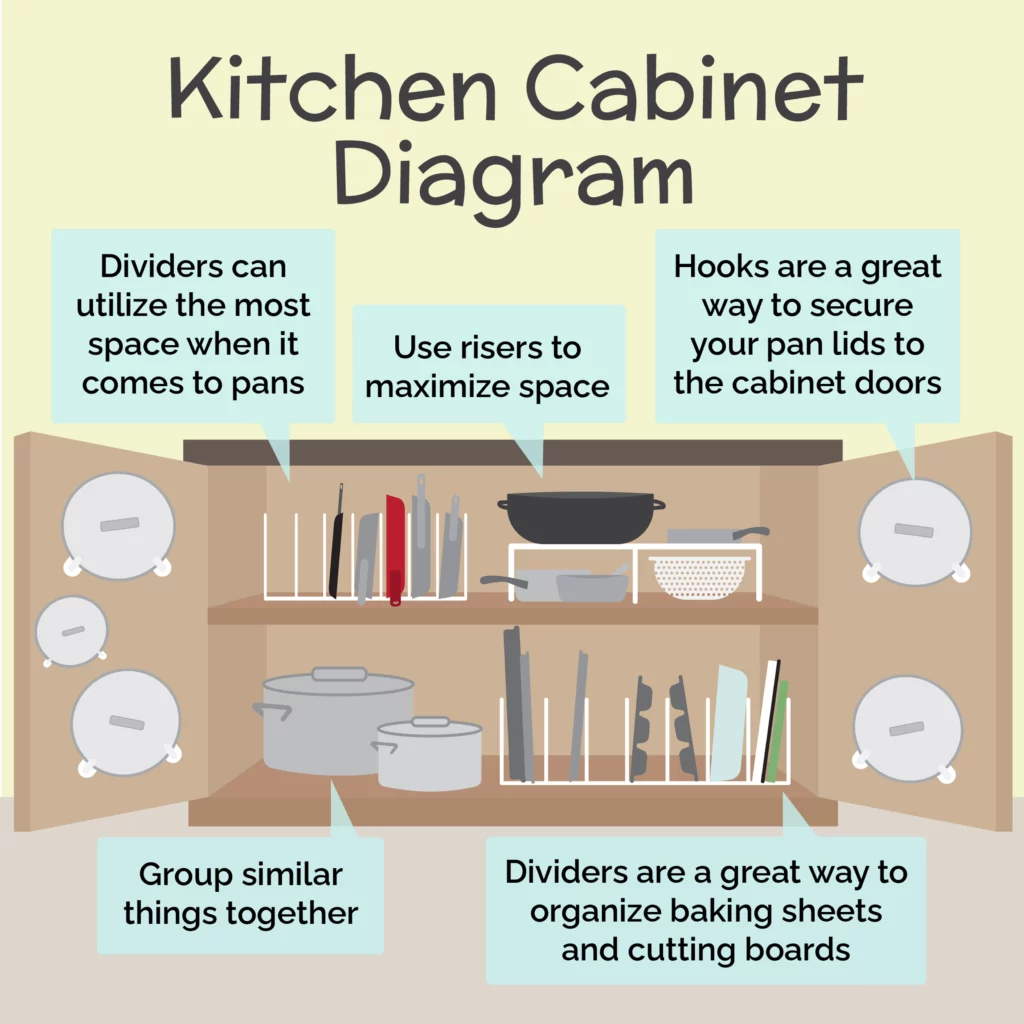
Image Source: netpayadvance.com
Grasping the Benefits of Orderly Kitchen Cabinets
Why should you spend time fixing your cabinets?
* Find Things Fast: You grab what you need quickly.
* Save Money: You see what you have. You don’t buy doubles.
* Save Space: You use all the space you have well.
* Feel Better: A tidy space feels calm and good.
* Clean Easier: It is simple to wipe down shelves.
Organized cabinets are key to a happy kitchen. They are part of good kitchen storage solutions.
Beginning Your Cabinet Cleanup Plan
First, you need a plan. Don’t try to do it all at once. Maybe start with one cabinet or one shelf.
Here are the first steps:
* Choose a cabinet to start with.
* Get cleaning supplies ready.
* Have boxes or bags for things you don’t need.
This planning makes the job less big. It is the start of good kitchen cabinet organization tips.
Step 1: Empty Everything Out
This is a big first step. Take everything out of the cabinet.
Put it on your counter or table.
See everything you have.
This helps you know what is there.
Step 2: Clean the Empty Space
Now the cabinet is empty. Wipe it clean.
Use a damp cloth.
Clean spills or crumbs.
Let it dry well.
Starting with a clean space is nice.
Decluttering Kitchen Cabinets: Getting Rid of Extra Stuff
This is a very important step. Look at each item you took out.
Ask yourself:
* Do I use this?
* Do I need this?
* Is it broken or chipped?
* Do I have too many of these?
Make three piles:
* Keep: Things you use and need.
* Give Away/Sell: Things in good shape you don’t need.
* Throw Away: Broken things, old food, extra lids with no match.
Be strong! Let go of things you don’t use. This is key to decluttering kitchen cabinets. Less stuff means less mess.
Organizing Kitchen Essentials: Grouping Items
Now look at the “Keep” pile. Put like things together.
This helps you see how much you have of each thing.
Make groups such as:
* Plates, bowls, cups
* Pots and pans
* Baking stuff (flour, sugar, pans)
* Spices
* Food items (cans, boxes)
* Cleaning supplies (keep these separate and safe!)
* Small tools (gadgets)
* Storage containers
Putting similar items together is smart. It makes it easy to find things later. This is a main part of organizing kitchen essentials.
Cabinet Organization Layout: Making a Plan
Before putting things back, think. Where should each group go?
Put things you use most often in easy spots. This means:
* Front of shelves.
* Cabinets you open a lot.
* Eye level shelves.
Things you use less can go:
* Higher shelves.
* Back of shelves.
* Lower cabinets (heavy items often go here).
Think about how you use your kitchen.
Where do you make coffee? Keep mugs near there.
Where do you prep food? Keep mixing bowls and tools near there.
This thinking is your cabinet organization layout. It is like a simple kitchen cabinet design plan for one cabinet.
Thinking About Cabinet Types
Kitchens have different kinds of cabinets.
* Upper Cabinets: These are good for dishes, glasses, and food items you grab often. They are usually at eye level.
* Lower Cabinets: These are good for heavy things like pots and pans. They can also hold mixing bowls or small tools. Pull-out shelves work well here.
* Drawers: These are best for flat things like utensils, dish towels, or spices.
Your layout plan should fit the cabinet type.
Simple Layout Ideas (Conceptual Diagrams)
Let’s think about how different cabinets could look inside. This is a simple visual idea, not a drawing.
Idea 1: Upper Cabinet for Dishes
Imagine this cabinet:
* Bottom shelf: Plates you use every day. Stack them neatly.
* Middle shelf: Bowls and smaller plates.
* Top shelf: Glasses or mugs. Maybe things you don’t use daily.
* Add shelf dividers for cabinets to make tall stacks more stable.
This layout puts the most used things easy to reach.
Idea 2: Lower Cabinet for Pots and Pans
Imagine this cabinet:
* Bottom: Largest pots and pans. Maybe stack them carefully.
* Shelf above: Smaller pots and lids.
* Using pull-out shelves here is great. It lets you reach the back.
* Use a pot lid organizer to keep lids standing up.
This layout keeps heavy items low. It stops you from bending too much.
Idea 3: Drawer for Utensils
Imagine this drawer:
* Use a tray with sections.
* One section for forks.
* One for spoons.
* One for knives.
* One for larger serving spoons.
* Maybe a section for small gadgets like peelers.
This layout keeps small items from mixing up.
These simple pictures in your mind help plan. They are your visual guide or “diagrams.”
Kitchen Storage Solutions: Choosing Tools
Now you have your clean cabinets and your groups of items. You have a plan for where things go.
It is time to put things back.
This is where kitchen storage solutions help a lot. There are many tools you can use.
Using Shelf Dividers for Cabinets
Shelf dividers are simple but helpful. They stand on the shelf. They keep stacks of things from falling over.
Use them for:
* Plates
* Cutting boards
* Baking sheets
* Lids (some types)
They make stacks tidy and safe. They are great shelf dividers for cabinets.
Other Helpful Storage Systems
Many things can make cabinets work better. These are cabinet storage systems.
* Pull-Out Shelves or Baskets: These fit in lower cabinets. They bring items from the back to you. No more lost items in the deep cabinet corners.
* Stackable Shelves: These add an extra level on a shelf. You can put things under and on top. Great for cans or mugs.
* Lazy Susans (Turntables): These round trays spin. Put them in corner cabinets or deep shelves. Good for spices, bottles, or small jars. Spin to find what you need.
* Door Organizers: Baskets or racks that hang on the inside of the cabinet door. Good for spices, foil, wrap, or cleaning supplies (if kept separately).
* Drawer Dividers: Like the utensil tray, but for any drawer. Use them for tea bags, small gadgets, or spices laid flat.
* Pot and Pan Organizers: Racks that hold pots or pans on their side or lid holders. This stops you from unstacking everything to get one pan.
* Container Lid Organizers: Special racks to hold all those lids for your food storage containers. This is a big help!
These tools help you use vertical space and keep items easy to see. They are key kitchen storage solutions.
Putting Things Back: Following Your Layout
Now, put your grouped items back into the cleaned cabinets. Place them based on your layout plan.
* Heaviest items low.
* Most used items easy to reach.
* Group like items together.
* Use your storage tools (dividers, pull-outs, etc.).
Don’t just stuff things in. Place them with care. This makes your layout work.
Deeper Dive: Specific Cabinet Areas
Let’s look closer at some common cabinet types and what works well there.
Upper Cabinets: Focus on Reach
Upper cabinets are for items you need often and are not too heavy.
* Dishes and Glasses: Put everyday plates, bowls, and glasses here. Stack them safely. Put glasses upside down if you like. Use shelf dividers for tall stacks of plates or maybe cutting boards.
* Food Items: Cans, boxes, jars you use daily or weekly. Group them by type (pasta, soup, cereal). Use stackable shelves for cans.
* Baking Supplies: If you bake often, keep flour, sugar, and small baking things together in an upper cabinet. Put flour and sugar in clear containers.
Remember, put the things you grab every day on the lowest shelf in the upper cabinet.
Lower Cabinets: Heavy Lifting and Deep Storage
Lower cabinets are stronger and hold more weight.
* Pots and Pans: This is a common spot. Use pull-out shelves. Use pot racks or lid organizers. Put smaller pans inside larger ones if they fit well.
* Mixing Bowls: Stack them neatly. If you have many, pull-out shelves are great.
* Small Appliances: Blenders, toasters, food processors you don’t keep on the counter. Put them in a lower cabinet. Make sure they are easy to pull out.
* Cleaning Supplies: Important: Keep these in a lower cabinet, but add a child lock if you have kids or pets. Use a tall container or caddy to hold sprays and bottles upright. Keep them separate from food items.
Using the back of the door for cleaning cloths or brushes is also a good idea here.
Drawers: The Flat Space Masters
Drawers are best for flat things or small items in trays.
* Utensils: Use a good tray with sections. Forks, knives, spoons, and other tools.
* Spices: If you have a lot, a drawer can work well. Lay spice jars flat in rows. Use a drawer insert that angles them up so you can read the labels.
* Dish Towels and Cloths: Fold them neatly. Keep them in a drawer near the sink.
* Food Wraps and Bags: Keep foil, plastic wrap, and storage bags here. Use drawer dividers to keep rolls separate.
Drawers stop things from getting buried behind others.
Pantry Cabinet Organization: A Special Case
If you have a tall pantry cabinet, it needs its own plan. This is pantry cabinet organization.
Pantry cabinets hold food items, often a lot of them.
* High Shelves: Light things you use sometimes, like extra paper towels or rarely used serving dishes.
* Middle Shelves (Eye Level): Food you use daily – cereal, snacks, canned goods, pasta. Use containers for open bags (rice, pasta). Use stackable bins for snacks.
* Lower Shelves: Heavy items like drinks or large bags of pet food. Baskets or pull-out bins are good for potatoes or onions.
* Door Racks: Great for small jars, spices, or narrow boxes.
Think zones in your pantry: baking zone, snack zone, breakfast zone. This is part of a pantry cabinet organization layout.
Use clear containers for dry goods like flour, sugar, rice, pasta, and cereals. They look nice, keep food fresh, and you see how much is left. Label them!
Maintaining Your Organized Cabinets
Putting in the work to organize is great. Keeping it that way is the next step.
* Put Things Back Right Away: When you take something out, put it back in its spot after you use it. Don’t let it sit on the counter.
* Quick Fixes: If a cabinet gets a little messy, take 5 minutes to fix it. Don’t wait until it’s a big problem.
* Regular Quick Declutter: Once every few months, quickly check cabinets for things you don’t use or need. Get rid of them.
* Clean Spills Fast: Wipe up messes as soon as they happen so they don’t become hard to clean later.
These small habits keep your cabinets tidy.
Thinking About Kitchen Cabinet Design Plan
If you are getting new cabinets or changing your kitchen, think about organization from the start. This is a kitchen cabinet design plan.
* Pull-Outs: Add pull-out shelves or drawers in lower cabinets. They cost more but are very useful.
* Dividers: Think about built-in dividers for drawers (for utensils or spices).
* Cabinet Size: Plan cabinet sizes based on what you need to store. Maybe you need a tall cabinet for baking sheets or a wide drawer for pots.
* Corner Cabinets: These can be tricky. Lazy Susans are often the best way to use the space well.
Planning storage when designing saves trouble later.
Recap: Simple Steps for Organized Cabinets
Let’s look back at the steps for neat cabinets.
1. Empty: Take everything out.
2. Clean: Wipe the cabinet inside.
3. Declutter: Get rid of things you don’t need.
4. Group: Put like items together.
5. Plan: Decide where each group goes (your layout/diagram). Put often-used items where they are easy to get.
6. Use Tools: Add organizers like shelf dividers, pull-outs, or trays.
7. Put Back: Place items in their spots based on your plan.
8. Keep It Up: Put things away right after use. Do small cleanups often.
Following these steps helps you make good use of your kitchen cabinet storage ideas.
Making It Visual (Without Complex Pictures)
Imagine your cabinets having clear zones. This is the “diagram” idea.
* Zone 1: Everyday Dishes Cabinet: Lower shelves = Plates, Bowls. Upper shelves = Glasses, Mugs. Add a divider for plates.
* Zone 2: Cooking Cabinet: Lower pull-out shelf = Big Pots. Shelf above = Smaller Pots, Lids in organizer.
* Zone 3: Food Storage Cabinet: Lower = Cans (on stackable shelves). Middle = Cereal boxes, Pasta (in containers). Upper = Snacks (in a basket).
* Zone 4: Drawer for Tools: Sections for different tools – spatulas, whisks, etc.
This simple visual idea for each space makes putting things away easy. Everyone in the house can follow the “plan.”
Table Idea: What Goes Where?
Here is a simple table idea. It is like a mini-plan for common items.
| Item Group | Best Cabinet Type | Best Shelf/Drawer | Helpful Organizer | Why Here? |
|---|---|---|---|---|
| Plates, Bowls | Upper Cabinet | Lower to Middle Shelf | Shelf Divider | Easy to reach for daily use |
| Glasses, Mugs | Upper Cabinet | Middle to Upper Shelf | Stackable Shelf (for mugs) | Easy to reach |
| Pots, Pans | Lower Cabinet | Any, esp. Pull-out | Pot Rack, Lid Organizer | Heavy items low, easy access with pull-out |
| Spices (Jars) | Upper or Drawer | Eye Level Shelf/Drawer | Lazy Susan, Drawer Insert, Racks | Easy to read labels |
| Food Cans/Jars | Upper or Pantry | Any shelf | Stackable Shelf, Small Bins | Keep similar items together |
| Baking Supplies | Upper or Pantry | Any shelf | Containers, Small Bins | Group items needed together |
| Utensils | Drawer | Any drawer | Utensil Tray | Flat items in flat space |
| Cleaning Supplies | Lower Cabinet (Safe!) | Any shelf | Caddy, Door Rack | Keep away from food, upright |
| Storage Containers | Lower or Drawer | Any shelf/drawer | Lid Organizer, Stackable Bins | Keep containers and lids together |
This table helps visualize the layout for different kitchen essentials. It is part of your cabinet organization layout thinking.
More Kitchen Cabinet Organization Tips
- Label Shelves: Put a small label on the shelf where items belong. This helps everyone know the plan.
- Use Clear Containers: For pantry items or small things, clear containers help you see what is inside.
- Vertical Space: Use stackable shelves or racks to use the height inside cabinets.
- Door Space: Don’t forget the back of the cabinet doors for flat items or small things.
- Keep Like with Like: This is the simplest and best rule. All the soup cans together, all the cups together.
- Rotate Food: Put new food items at the back. Bring older items to the front. Use them first. This stops waste.
These are simple but powerful kitchen cabinet organization tips.
Cabinet Storage Systems: Making Life Easier
We talked about some tools. Let’s think more about cabinet storage systems. These are items you buy to help.
* Base Cabinet Pull-Outs: These turn a messy lower cabinet into smooth-gliding drawers. They are a top cabinet storage system.
* Corner Cabinet Systems: Pull-out or spinning systems that make corner cabinets useful.
* Under-Sink Organizers: Racks or drawers designed to fit around pipes under the sink. Great for cleaning supplies (remember safety!).
Choosing the right systems depends on your cabinets and what you store. Start simple with dividers and containers. Add more systems as you need them. Good kitchen storage solutions make a big difference.
Finishing Up Your Cabinet Project
Once you finish one cabinet, feel good about it! It might take time to do all of them.
Go cabinet by cabinet. Or maybe drawer by drawer.
The goal is to make your kitchen work better for you.
A well-organized kitchen with clear spots for everything makes cooking and cleaning less work. It is all about making your cabinet organization layout simple and useful. It is your own kitchen cabinet design plan in action!
Keep the process simple. Keep the language simple. Keep the “diagrams” (your plans) clear.
Soon, finding that one pot or that needed spice will be easy.
Frequently Asked Questions (FAQ)
h4. How often should I organize my kitchen cabinets?
It’s good to do a full clear-out and organize once or twice a year. But, do quick tidy-ups every week or two. Put things back where they belong every day.
h4. I have very deep cabinets. How can I use the back space?
Pull-out shelves are best for deep cabinets. They bring items forward. You can also use deep bins or baskets that you can pull out like drawers.
h4. What is the best way to store food storage container lids?
This is hard for many people! Use a lid organizer rack that stands lids up. You can also use a small bin or box just for lids. Keep it next to the containers.
h4. Should I buy storage containers before I start organizing?
It’s better to declutter and group your items first. See how much you have of each thing. Then buy containers or organizers that fit your things and your cabinet space. Measure your cabinets before you buy anything!
h4. Where should I store heavy items like appliances or large pots?
Store heavy items in lower cabinets. These cabinets are stronger. Put them on sturdy shelves or, even better, on pull-out shelves in lower cabinets.
h4. My cabinets are small. How can I fit everything?
Use vertical space. Add stackable shelves or risers. Use door organizers. Get rid of things you don’t use often. Make sure every item has a clear home.
h4. Is it okay to store cleaning supplies in the kitchen cabinets?
Yes, but keep them separate from food. Store them in a lower cabinet, maybe under the sink. Always use a child safety lock if you have kids or pets in the home. Put sprays in a caddy so they don’t tip over.
These simple steps and ideas help you get started. Make your kitchen cabinets work well for you!