Building a commercial kitchen involves many steps. It’s not just about putting equipment in a room. You must follow rules, get permits, and plan carefully. This guide helps you see the main things you need to do. It covers everything from ideas to opening day. Getting a commercial kitchen ready is a big job. It takes time, money, and lots of planning. But doing it right means your kitchen will be safe, work well, and follow the law.
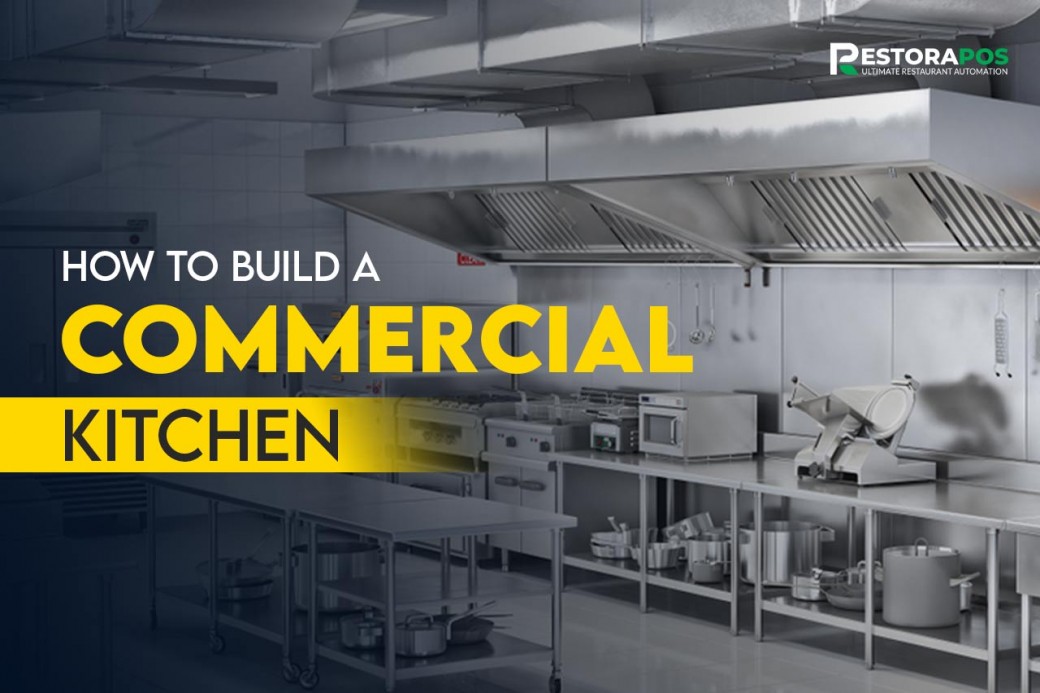
Image Source: restorapos.com
Planning Your Food Service Kitchen
Every great kitchen starts with a good plan. This is the most important step. You need to think about what kind of food you will make. How much food will you make? How many staff will work at one time? These questions help you plan the space.
Initial Steps in Food Service Kitchen Planning
Think about the flow of food. It goes from delivery, to storage, to prep, to cooking, to serving, and finally to cleanup. Your food service kitchen planning should make this flow smooth. No crossing paths or wasted steps.
- Know Your Menu: What food needs what equipment? This decides your layout.
- Guess Your Volume: How busy will you be? More customers mean you need more space and bigger machines.
- Figure Out Staff: How many cooks and helpers? Give them enough room to work without bumping into each other.
- Think About Workflow: Plan where things like food delivery, storage, prep areas, cooking lines, and dishwashing go.
Sketching Your Commercial Kitchen Layout Design
Drawing a plan is key. This is your commercial kitchen layout design. You can sketch it yourself first. Then, you might need an expert. An expert can help you use the space best. They know about rules you must follow.
Your layout should show:
- Where food comes in.
- Where you store food (dry goods, fridges, freezers).
- Where you wash hands and food prep.
- Where you cook food.
- Where finished food waits to go out.
- Where dishes get washed.
- Where trash goes.
Put these areas in order. This creates a good workflow. A good layout makes the kitchen fast and safe. A bad layout causes delays and mistakes.
Deciphering Health Code Requirements
Health codes are very important. They keep people safe from bad food. You must follow health code requirements commercial kitchen. These rules cover many things. They tell you about materials, cleaning, and how you handle food.
Key Areas for Health Code Compliance
Local health departments check your kitchen. They have lists of rules. You need to know these rules early. They affect your commercial kitchen layout design and what materials you use.
- Surfaces: Walls, floors, and ceilings must be smooth. They must be easy to clean. No cracks where dirt can hide.
- Flooring: We will talk more about this later. But floors must be non-slip and easy to wash.
- Handwashing Sinks: You need sinks just for washing hands. They must be in handy spots. They need hot and cold water, soap, and paper towels.
- Prep Sinks: You need sinks for washing food. These are separate from hand sinks and dish sinks.
- Dishwashing: You need a way to wash and sanitize dishes. This could be a machine or a three-compartment sink.
- Temperature Control: Fridges and freezers must keep food at safe temperatures. Cooking must reach high enough temperatures.
- Ventilation: Proper air flow is a must. This helps keep the kitchen clean and safe.
- Pest Control: The building must keep pests like mice and bugs out.
- Trash: You need covered trash cans. They must be emptied often.
Check with your local health department before you start building. They can give you their rulebook. This saves time and money later. You don’t want to build something and find out it’s against the rules.
Navigating Building Permits
Building a commercial kitchen is a big change to a building. You will need building permits for commercial kitchen. Permits are official okay’s from your city or county. They make sure the work is safe and meets building laws.
The Permit Application Process
Getting permits takes time. Start this process early. You will likely need detailed plans. These plans show your layout, plumbing, electrical, and ventilation systems.
Steps often include:
- Drawings: Get detailed drawings of your planned kitchen. An architect or engineer might be needed. These drawings must show how you meet all codes (building, fire, health, zoning).
- Submit Application: Give your plans and filled-out forms to the building department.
- Plan Review: Experts at the city check your plans. They look for problems with codes. This step can take weeks or months.
- Get Permits: If plans are okay, you get your permits. You can now start building.
- Inspections: During construction, inspectors will visit. They check that the work matches the approved plans. They look at framing, plumbing, electrical, and more.
- Final Inspection: When work is done, you get a final check. If everything is good, you get a Certificate of Occupancy. This means you can open for business.
Do not start work before you have permits. Doing so can cause big problems. You might have to tear down work. You could pay big fines. Always get permits first.
Comprehending the Cost to Build
How much does it cost to build commercial kitchen? There is no single answer. The cost changes a lot. It depends on many things.
Factors Affecting Kitchen Construction Costs
- Size: A bigger kitchen costs more.
- Location: Building costs vary by city and state.
- Condition of Building: Starting with an empty shell costs more than using a space that was already a kitchen.
- Your Design: A complex layout with custom parts costs more than a simple one.
- Equipment Choices: New, high-end equipment costs much more than used or basic items.
- Structural Changes: Moving walls or adding windows costs extra.
- Plumbing and Electrical: If you need to bring in new water lines or upgrade power, it costs more.
- Ventilation System: A big, strong hood system is needed and costs a lot.
- Permit Costs: Fees for permits add up.
- Labor Costs: How much workers charge in your area.
Estimating Your Commercial Kitchen Budget
It’s hard to give exact numbers. But you can break down the costs.
- Build-Out/Construction: This includes changing walls, adding floors, putting in insulation, etc. This is a big part of the cost.
- Plumbing: All the pipes, drains, sinks, and grease traps.
- Electrical: All the wiring, outlets, and power panels for your equipment.
- Ventilation: The hood, fans, and make-up air unit. This is often one of the most expensive single systems.
- Finishes: Paint, wall coverings, ceiling tiles.
- Equipment: All the stoves, ovens, fridges, prep tables, mixers, dishwashers. This is another very large cost.
- Permits & Fees: Money paid to the city and other agencies.
- Design Fees: Paying architects or kitchen designers.
- Unexpected Costs: Always have extra money set aside (10-20%) for things you didn’t plan for.
Some sources say a small kitchen build-out can be $100,000 or more. A large, complex kitchen can cost $500,000, $1 million, or even more. Get quotes from contractors and suppliers to get a real idea for your project.
Selecting Commercial Kitchen Flooring Options
Flooring is very important in a commercial kitchen. It must be safe and meet health codes. You have different commercial kitchen flooring options. Each has good and bad points.
Popular Kitchen Flooring Types
Health rules say floors must be smooth, durable, and easy to clean. They must not let water soak in. They should also be non-slip.
- Quarry Tile: This is a common choice. It is tough and lasts a long time. It is resistant to water and grease. But the grout lines between tiles can be hard to keep clean. Grout can stain and hold germs if not sealed well. It can also be slippery when wet.
- Epoxy Flooring: This is poured on as a liquid. It hardens into a tough, seamless surface. It’s very durable and easy to clean. It does not have grout lines. You can add grit to make it non-slip. It can be more expensive to put in at first.
- Polished Concrete: Existing concrete can be polished and sealed. It’s very durable and cost-effective if you already have a concrete slab. It needs to be sealed well to be food-safe. Can be hard underfoot for staff standing all day.
- Sheet Vinyl (Commercial Grade): This comes in large rolls. It can be laid down with few seams. It is easier on feet than tile or concrete. It must be a strong commercial type. Seams must be welded to be waterproof.
Consider the health department rules in your area. They might prefer or require certain types of flooring. Your commercial kitchen layout design should also think about where spills are most likely.
Plumbing Needs Commercial Kitchen
Water and drainage are critical. Plumbing requirements commercial kitchen are strict. You need water for cooking, cleaning, handwashing, and equipment. You need drains for sinks, dishwashers, and floor cleaning.
Essential Plumbing Fixtures and Requirements
- Hand Sinks: Required in prep areas, cooking areas, and near exits. Must have hot and cold water (using a mixer or separate taps), soap, and paper towels. Hands-free taps are often preferred or required.
- Food Prep Sinks: Usually a single or double sink for washing fruits, vegetables, etc.
- Three-Compartment Sink: Required for washing, rinsing, and sanitizing dishes by hand if you don’t have a dish machine. Each sink must be big enough for your largest pot or pan.
- Mop Sink: A low sink for filling and emptying mop buckets. Keeps dirty water out of food prep sinks.
- Floor Drains: Needed in areas that get wet often (near sinks, dishwashers, cooking lines) so you can wash down the floor.
- Hot Water: You need a lot of hot water. The water heater must be big enough. Water temperature for sanitizing might need to be very hot (160°F or higher for some methods).
- Grease Trap/Interceptor: This is a tank in the drain line. It catches grease and food bits before they go into the sewer. This stops pipes from clogging. Health and sewer rules almost always require one. The size needed depends on your kitchen size and type of food.
- Backflow Prevention: Devices to stop dirty water from flowing back into the clean water supply. Required on many fixtures and connections.
Planning your plumbing requirements commercial kitchen early saves big problems later. Make sure drain lines slope correctly. Make sure pipes are sized right for the water flow needed.
Outfitting Your Restaurant Kitchen Equipment List
Once the building is ready, you need the tools. Making a restaurant kitchen equipment list is fun but complex. You need the right machines for your menu and volume.
Creating Your Equipment Inventory
Divide equipment into types based on their job.
- Cooking Equipment: Stoves, ovens (range, convection, deck, pizza), grills, fryers, griddles, steam kettles, tilting skillets, microwaves.
- Refrigeration: Reach-in fridges and freezers, walk-in fridges and freezers, prep tables with refrigeration.
- Prep Equipment: Mixers, food processors, slicers, meat grinders, work tables, cutting boards.
- Warewashing: Dishwashers (high-temp or chemical), three-compartment sinks, pre-rinse sprayers.
- Storage: Shelving (wall-mounted, free-standing), food storage containers.
- Ventilation: Hood system (we’ll cover this more).
- Serving/Holding: Heat lamps, warming drawers, steam tables.
- Safety Equipment: Fire extinguishers (must be K-class for kitchens), first-aid kit.
- Smallwares: Pots, pans, knives, spoons, spatulas, ladles, thermometers.
Table: Example Restaurant Kitchen Equipment List (Partial)
| Category | Item | Purpose | Need (Example) |
|---|---|---|---|
| Cooking | 6-Burner Range w/ Oven | Stovetop cooking, baking | 1 |
| Cooking | Deep Fryer (40 lb) | Frying foods | 1 |
| Cooking | Flat Top Griddle | Grilling items like burgers, eggs | 1 |
| Refrigeration | 2-Door Reach-In Fridge | Storing ingredients | 1 |
| Refrigeration | Walk-In Freezer | Bulk frozen storage | 1 |
| Prep | Stainless Steel Work Table | Food preparation surface | 2 |
| Prep | Commercial Mixer (20 qt) | Mixing dough, batters | 1 |
| Warewashing | 3-Compartment Sink | Manual dishwashing | 1 |
| Warewashing | Commercial Dishwasher | Washing and sanitizing dishes fast | 1 |
| Storage | Wire Shelving Units | Storing food and supplies | Several |
| Ventilation | Commercial Range Hood | Capturing smoke, grease, heat | 1 |
| Safety | K-Class Fire Extinguisher | Putting out grease fires | 1-2 |
| Smallwares | Assorted Pots & Pans | Cooking on stovetop | Various |
| Smallwares | Knife Set | Cutting and chopping | 1 set |
This is just a small sample. Your list will be much longer.
Insisting on NSF Standards Kitchen Equipment
When buying equipment, look for the NSF mark. NSF standards kitchen equipment means it meets strict rules for public health. NSF International is a group that tests products.
Grasping the Importance of NSF Certification
Equipment with the NSF mark is designed to be easy to clean. It uses materials that won’t harm food. It is built in a way that reduces places where germs can hide.
- Easier Cleaning: Smooth surfaces, rounded corners, and simple designs make cleaning faster and more effective.
- Safe Materials: NSF checks that materials used won’t put chemicals into food.
- Proper Construction: NSF checks how parts fit together. No tiny cracks or seams that you can’t clean.
- Health Department Approval: Health inspectors look for the NSF mark. It shows you care about safety. Using NSF equipment helps pass inspections.
Buying NSF-certified items might cost a bit more. But it’s worth it for safety, easy cleaning, and passing inspections. Check if your local health department requires NSF on certain items.
Designing the Commercial Kitchen Ventilation System
A good commercial kitchen ventilation system is a must. It pulls smoke, grease, heat, and steam out of the kitchen. It also brings in fresh air. This keeps the kitchen safer and more comfortable.
Components of a Ventilation System
A typical system has three main parts:
- Hood: Placed over cooking equipment (stoves, fryers, grills). It catches grease, smoke, and heat rising from the cooking surface.
- Exhaust Fan: Usually on the roof. It pulls the air from under the hood and pushes it outside.
- Make-Up Air Unit: As the exhaust fan pulls air out, new air must come in. The make-up air unit brings in fresh outside air. This stops the kitchen from having negative pressure (where outside air is pulled in through doors and cracks). Make-up air can be heated or cooled.
Why Ventilation is Critical
- Safety: Removes flammable grease vapors. Helps clear smoke in case of a small fire.
- Health: Pulls out cooking fumes and improves air quality.
- Comfort: Removes heat and steam, making it cooler and more comfortable for staff.
- Cleanliness: Removes grease before it settles on surfaces, making cleaning easier.
- Code Compliance: Health and fire codes strictly require proper ventilation.
Designing and installing the right system needs experts. An HVAC (Heating, Ventilation, and Air Conditioning) company with kitchen experience is best. The size and type of hood and fans depend on the cooking equipment you have.
The Build-Out: Putting It All Together
With plans approved and permits in hand, construction begins. This phase brings your commercial kitchen layout design to life.
Construction Steps
- Demolition: Taking out anything that isn’t staying.
- Framing: Building new walls or changing existing ones.
- Plumbing Rough-in: Putting in the pipes for water supply and drains inside the walls and under the floor.
- Electrical Rough-in: Running the wires for lights, outlets, and equipment power.
- HVAC Installation: Putting in ductwork for heating/cooling and the ventilation system hood and fans.
- Wall and Ceiling Finishes: Putting up drywall, wall panels, or ceiling tiles.
- Flooring Installation: Laying down your chosen commercial kitchen flooring options.
- Plumbing Fixture Installation: Putting in sinks, faucets, and connecting equipment to water/drains.
- Electrical Fixture Installation: Putting in lights, outlets, switches. Wiring equipment.
- Final Finishes: Painting, sealing floors, installing baseboards (coved base is required by health code where floors meet walls).
Inspectors will visit during this phase to check the work.
Finalizing and Getting Ready
Once construction is done, it’s time for the final touches and getting ready to open.
Equipment Installation and Setup
Bring in your restaurant kitchen equipment list items. Place them according to your commercial kitchen layout design. Connect them to power, gas, and water lines. Make sure everything is level and stable.
Final Inspections
This is a big step. The city or county building inspector will do a final walk-through. The health department inspector will do a detailed check. The fire department might also inspect.
They will check:
- Did you build according to the approved plans?
- Does the kitchen meet all health code requirements commercial kitchen?
- Is the commercial kitchen ventilation system working right?
- Are fire safety systems (extinguishers, maybe sprinklers) in place?
- Are NSF standards kitchen equipment being used where required?
- Are plumbing requirements commercial kitchen met (grease trap, sinks, backflow)?
- Are building permits for commercial kitchen all signed off?
Pass these inspections, and you get your Certificate of Occupancy and Health Permit.
Ongoing Costs and Maintenance
Building the kitchen is one cost. Keeping it running is another.
Long-Term Considerations
- Utilities: Energy for equipment, water usage, gas.
- Maintenance: Cleaning, repairs for equipment, plumbing, HVAC. Regular cleaning of the commercial kitchen ventilation system is very important (and often required by fire code).
- Inspections: Regular health and fire inspections will continue.
Keeping up with cleaning and maintenance helps equipment last longer. It helps you pass future inspections. It keeps your staff and customers safe.
Frequently Asked Questions
Q: How long does it take to build a commercial kitchen?
A: It takes a long time. Planning and getting building permits for commercial kitchen can take months. Construction itself can take 2-6 months or more, depending on the size and work needed. Don’t rush the process.
Q: Can I use residential equipment in a commercial kitchen?
A: No, usually not. Commercial kitchens have different rules. Equipment needs to be much stronger and built for heavy use. It also needs to meet NSF standards kitchen equipment and fire safety rules that home appliances don’t. Health codes require commercial-grade equipment.
Q: Do I need a designer for my commercial kitchen layout?
A: It is highly recommended. Experts know the codes and how to make a kitchen work well. They can help with the commercial kitchen layout design and make sure you meet health code requirements commercial kitchen and plumbing requirements commercial kitchen. This can save you big problems and costs later.
Q: Is used equipment okay to buy?
A: Yes, but be careful. Check its condition very well. Make sure it still meets NSF standards kitchen equipment if needed. Factor in possible repair costs. Sometimes new is better in the long run.
Q: How often do I need to clean the ventilation hood system?
A: This depends on how much you cook and what kind of cooking you do (frying creates lots of grease). Fire code often requires professional cleaning of the commercial kitchen ventilation system every 3, 6, or 12 months. Check your local fire department rules.
Building a commercial kitchen is a big project. But with careful food service kitchen planning, attention to detail, and following all the rules, you can create a safe, efficient, and successful space. Focus on your commercial kitchen layout design, meet all health code requirements commercial kitchen, get the right building permits for commercial kitchen, manage the cost to build commercial kitchen, choose suitable commercial kitchen flooring options, handle plumbing requirements commercial kitchen, make a smart restaurant kitchen equipment list, select NSF standards kitchen equipment, and install a solid commercial kitchen ventilation system. Taking these steps will set you up for success.