Ants come into your kitchen mostly because they are looking for food and water. They find tiny crumbs, spills, or even just moisture, and these attract them. To stop ants coming into your house, you must take away what they want and block their way in.
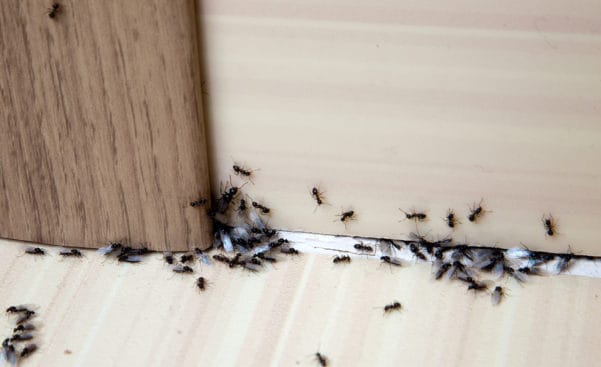
Image Source: www.callnorthwest.com
Why Ants Love Your Kitchen So Much
Ants need food, water, and shelter. Your kitchen is like a treasure chest for them. It has all three!
What Attracts Ants to Kitchen Spaces?
Ants are always searching for food. Your kitchen is a prime spot. Even tiny bits are a big meal for an ant colony.
- Food Crumbs: Tiny pieces of food left on counters or the floor are like a buffet.
- Sugar Spills: Sweet spills ants attractant is very strong. A drop of juice or honey calls them quickly.
- Grease Spots: Ants eat grease too. Spots near the stove or on the floor draw them in.
- Left-Out Food: Open food containers or food left on the counter are easy targets.
- Pet Food: Pet food ants kitchen is a common problem. Dry food left in bowls overnight is tempting.
- Water: Ants need water. Leaky pipes, damp spots, or standing water in sinks give them a drink.
- Trash Cans: Open trash cans have lots of food scraps. This is a major draw.
Ants send scouts to look for food. When a scout finds something good, it goes back to the nest. It leaves a scent trail. Other ants follow this trail. This is why you often see them marching in a line. They are following the scent left by the scout. This scent trail helps them find the food source again and again. It also tells others where to go. So, one ant can quickly lead to many ants. They work together to bring food back to their home.
How Ants Get Into Your House
Ants are very small. They can fit through tiny openings you might not even notice. Knowing how they get in is key to stopping them.
Where Ants Come Inside
Ants follow their scent trails. These trails often lead right into your home.
- Cracks in Walls: Ants can crawl through tiny cracks in the foundation or walls.
- Gaps Around Windows and Doors: Small spaces around frames are easy entry points.
- Holes for Pipes and Wires: Gaps where pipes or electrical wires go through walls are common paths.
- Vents: Dryer vents or other outside vents can be ways in.
- Openings in the Roof: Sometimes, they find ways in through attics or roofs.
Seal entry points ants use is a very important step. Think like an ant. Look for tiny holes around the edges of your house. Ants can squeeze through incredibly small spaces. A crack as thin as a credit card can be an open door for them. They will explore the outside of your home looking for these weak spots. Once they find a way in, they mark it with their scent. This makes it easy for the rest of the colony to follow. Blocking these paths stops new ants from coming inside.
Decoding Which Ants Are Visiting
Knowing what kind of ants you have can help you get rid of them. Small ants in kitchen identification is useful. Different types of ants like different foods and need different methods to get rid of them.
Common Small Kitchen Ants
Many small ants look alike. But knowing a bit about them helps.
- Odorous House Ants: These are very common. They are small and brown or black. When you squish them, they smell like rotten coconuts. They like sweet things but will eat almost anything. They often nest in walls or soil.
- Argentine Ants: These are small and brown. They live in huge colonies. They like sweet things. They often make trails many ants wide. They can be hard to get rid of because their colonies are so large.
- Pavement Ants: These are small and dark brown or black. They like sweets, meats, and grease. You often see them near sidewalks or driveways outside. They get into houses looking for food.
- Thief Ants: These are tiny, yellow or light brown ants. They are very small, making them hard to see. They steal food from other ant nests. They like greasy foods. They can be hard to get rid of because they are so small and nest in hidden places.
- Pharaoh Ants: These are small, yellow or red ants. They are a big problem in buildings, especially hospitals. They like sweet things, grease, and dead insects. They can spread germs. They are hard to kill with sprays because spraying makes them spread into new nests.
Spotting the size and color helps. Also, watch what they are eating and where they are coming from. This gives clues. If you see tiny yellow ants near greasy food, they might be Thief Ants. If you see small brown ants smelling bad when squished, they are likely Odorous House Ants. Observing their behavior helps you choose the right method to get rid of them.
Getting Rid of Kitchen Ants
Once ants are inside, you need a plan to remove them. Getting rid of kitchen ants needs more than just killing the ants you see. You need to get rid of the nest.
First Steps When You See Ants
Don’t just grab a spray right away. Do these things first:
- Clean Up: Find what they are eating. Clean it up completely. Wash the area with soapy water. This removes the food and the scent trail.
- Follow the Trail: Watch where the ants are going. Try to find where they are coming in. This helps you find the entry points and maybe the nest location.
- Don’t Just Squish: Squishing ants kills the ones you see. But it can make some ants, like Pharaoh ants, split into new groups. This makes the problem worse. It also leaves a scent telling others there was danger here, maybe making them change routes but not leave.
Using Ant Baits
Baits are a good way to kill the whole colony. Baits are food mixed with a slow-acting poison.
- How Baits Work: Ants eat the bait. They carry it back to the nest. They share it with other ants, including the queen. The poison kills the colony over time.
- Placing Baits: Put baits near the ant trails, but not right on them. Put them where pets or kids cannot reach them.
- Types of Baits: Some baits are gels. Some are small stations. Some are sweet. Some are for grease-eating ants. Use the right type for the ants you have. If they are eating sugar, use a sweet bait. If they are eating grease, use a protein or grease bait.
- Be Patient: Baits work slowly. It might take a few days or a week to see fewer ants. You might see more ants at first as they take the bait back. Do not spray around baits, as this stops ants from reaching the bait.
Using Ant Sprays (Carefully)
Sprays kill ants quickly, but they don’t usually solve the main problem.
- Killing on Contact: Sprays kill the ants they hit.
- Not Killing the Nest: Sprays usually don’t reach or kill the queen or the rest of the colony.
- Disrupting Trails: Sprays can mess up scent trails. This might make ants look for a new way in.
- Use as a Barrier: Some sprays can be used outside around entry points to stop ants from coming in.
- Read Labels: Always read and follow the directions on the spray can. Use sprays safely. Do not spray near food.
Other Ways to Kill Ants
There are other products and methods.
- Ant Dusts: These powders can be put in cracks and voids where ants travel or nest. They kill ants that walk through them. Use these carefully in hidden spots.
- Liquid Ant Killers: Some liquids are used to kill ants outside or along paths.
- Professional Help: If the problem is very bad or you cannot get rid of them, call a pest control expert. Ant infestation remedies often need professional help for large or hard-to-kill colonies like Pharaoh ants.
Choosing the right method depends on the type of ant and how bad the problem is. Baits are often best for getting rid of the whole colony. Sprays are for quick kills but don’t solve the source.
Natural Ways to Kill Kitchen Ants
Many people want to avoid harsh chemicals. There are natural ways to kill kitchen ants and keep them away.
Using Common Household Items
Several things you already have can help.
- Vinegar: Mix equal parts white vinegar and water. Use it to clean counters and floors. The smell repels ants. It also wipes away their scent trails. Ants hate the smell of vinegar.
- Lemon Juice: Like vinegar, lemon juice can be used to wipe down surfaces. Ants don’t like the acid. It also helps hide their scent trails.
- Cinnamon: Ants do not like cinnamon. Put cinnamon powder or sticks near entry points. It can act as a barrier.
- Peppermint Oil: Ants hate strong smells like peppermint. Mix a few drops of peppermint oil with water in a spray bottle. Spray it along entry points and trails. This also makes your kitchen smell nice.
- Coffee Grounds: Used coffee grounds can be placed in the garden or near entry points outside. Ants avoid them.
- Chalk: Drawing a line with chalk is said to stop ants from crossing. The chalk dust messes up their scent trails.
- Cornstarch: You can cover a group of ants with cornstarch. Then add water. This will kill them. You can then sweep up the remains. This is more for killing ants you see, not the nest.
Creating Natural Baits
You can make simple baits at home.
- Borax and Sugar: Mix borax (found in laundry aisles) with sugar and a little water or syrup. Ants are attracted to the sugar. They eat the mix and take the borax back to the nest. Borax is toxic to ants. Use this carefully, away from kids and pets. A ratio like 1 part borax to 3 parts sugar works well. Place small amounts on flat lids or wax paper near trails.
- Borax and Peanut Butter/Grease: For ants that like grease (like Thief Ants or Pavement Ants), mix a small amount of borax with peanut butter or grease.
Natural methods can be effective, especially for smaller problems or as part of a prevention plan. They are generally safer around food prep areas, kids, and pets than chemical sprays. However, they may take longer to work, or you might need to repeat them often.
Keeping Ants Out: Prevention is Key
The best way to deal with ants is to stop them from coming in at all. Ant prevention tips kitchen focus on removing attractants and blocking access.
Cleanliness is Your First Defense
A clean kitchen is less inviting to ants. This is the most important step.
- Wipe Spills Immediately: Clean up any spilled food or drinks right away. Don’t let sweet spills ants attractant sit on the counter or floor.
- Sweep and Mop Often: Regularly clean floors to remove crumbs and sticky spots.
- Wash Dishes Promptly: Don’t leave dirty dishes in the sink. Food residue is a big attractant.
- Clean Under Appliances: Crumbs and grease often build up under the stove and refrigerator. Pull them out and clean underneath.
- Empty Trash Regularly: Take out the kitchen trash often, especially if it has food scraps. Use a trash can with a tight lid.
- Store Food Properly: Keep food in airtight containers. Don’t leave open boxes or bags of food on counters or in pantries. Pay special attention to sugar, honey, syrup, and baked goods.
- Clean Pet Bowls: Wash pet food bowls daily. Don’t leave pet food ants kitchen sitting out overnight if possible. Store pet food in sealed containers.
By keeping your kitchen spotless, you remove the main reasons ants come looking around. No food, no water, no reason to visit.
Blocking Their Entrance
Remember where ants get in? Block those paths. Seal entry points ants use.
- Seal Cracks and Gaps: Use caulk to seal cracks around baseboards, windows, door frames, and where pipes enter walls. This closes off their highways into your home.
- Repair Damaged Screens: Fix holes in window and door screens.
- Check Foundation: Look for cracks in the foundation of your house and seal them.
- Trim Plants: Trim bushes and trees so branches do not touch your house. Ants can use branches as bridges to get onto your roof or into windows.
- Check Outside: Look around the outside of your home for ant trails leading towards the house.
Sealing up these entry points makes it much harder for ants to find a way inside. Even if they are attracted to something inside, they cannot get to it.
Stopping Ants Outside
Sometimes, dealing with ants outside helps prevent them from getting inside.
- Find and Treat Outdoor Nests: If you can find the ant nest outside near your house, you can treat it directly with an appropriate ant killer or boiling water (for some types of nests).
- Create Outdoor Barriers: Use ant sprays or granular products designed for outdoor use around the foundation of your home. This creates a barrier they don’t want to cross. Again, use according to label directions and consider safety for pets and wildlife. Natural barriers like cinnamon or peppermint oil around the outside could also help.
- Deal with Aphids: Ants sometimes farm aphids on plants because aphids produce a sweet liquid called honeydew that ants eat. If you have plants with aphids near your house, ants might be visiting those plants and then finding their way inside. Getting rid of the aphids (using insecticidal soap or other methods) can reduce the ant activity outside.
Ant prevention tips kitchen are about being proactive. Cleanliness removes attraction. Sealing removes access. Dealing with outside activity reduces the problem before it gets to your door.
Ant Infestation Remedies
Sometimes, despite your best efforts, you can get a large ant problem. Ant infestation remedies might need stronger steps.
When the Problem is Big
If you have thousands of ants or they keep coming back, it’s more than just a few scouts.
- Serious Cleaning: You might need to do a very deep clean. Move everything, clean inside cabinets, clean walls. Leave no crumb or sticky spot behind.
- Multiple Bait Stations: Use more bait stations in different spots where you see ants. Make sure you are using a bait that the ants are eating. If they ignore one type, try another (sweet vs. protein/grease).
- Consider Combination Methods: You might use baits to kill the colony and a barrier spray (outside only) to stop new ants from coming in.
- Find the Nest: For a big infestation, trying to find the nest is important. Sometimes the nest is inside a wall or under the house. This is hard to find.
- Cut Off Water: Fix any leaks. Dry up any damp spots. This removes a vital resource for the ants.
Calling a Professional
If you have tried everything and the ants are still a major problem, a pest control professional can help.
- Expert Knowledge: They can identify the type of ant and know the best methods for that specific type. Some ants, like Pharaoh ants, are very hard for homeowners to get rid of.
- Stronger Products: Professionals have access to stronger or different types of products that are not available to the public.
- Finding Hidden Nests: They have tools and experience to find nests hidden inside walls or other difficult places.
- Long-Term Plans: They can offer plans for ongoing prevention and treatment.
Getting rid of a large ant infestation can be tough. It requires persistence and often a mix of methods. Don’t get discouraged. Keep cleaning, baiting, and sealing. If it’s too much, professional help is a good option.
Specific Attractants in Detail
Let’s look closer at two big reasons ants visit: sweet things and pet food.
Sweet Spills Ants Attractant
Ants, especially many common types like Odorous House Ants and Argentine Ants, have a strong sweet tooth.
- Sugar: Any form of sugar is highly attractive. Spilled sugar, honey, syrup, jam, juice, soda, candy.
- How to Deal: Clean spills immediately and thoroughly with hot, soapy water. Store all sweet foods in sealed containers. Wipe down containers after use if they get sticky. Pay attention to places where sugar might be stored or used often, like pantries and baking areas.
Pet Food Ants Kitchen Problem
Pet food is a very common source of ants in the kitchen. Dry kibble is easy for ants to carry.
- Leaving Food Out: Leaving pet food in bowls all day or overnight is a direct invitation.
- How to Deal: Feed pets at set times. Remove any uneaten food after about 30 minutes. Store pet food in airtight containers. Clean the pet food bowls daily. If you must leave food out (e.g., for cats), try placing the pet food bowl in a slightly larger dish filled with a little water. This creates a moat that most ants cannot cross. This simple trick is an effective pet food ants kitchen solution.
Addressing these specific attractants directly can greatly reduce your ant problem. They are often the first things scouts find.
A Summary of Action
To stop ants in your kitchen:
- Figure out why they are there (food, water).
- Find out how they are getting in (entry points).
- Try to figure out what kind of ants they are.
- Clean up everything that attracts them.
- Seal entry points ants use.
- Use baits to kill the colony.
- Use sprays carefully, mostly outside.
- Try natural methods if you prefer.
- Practice ant prevention tips kitchen by keeping things clean and sealed.
- Consider professional ant infestation remedies for big problems.
It might take time and effort, but you can take back your kitchen from ants.
Table: Ant Control Methods Compared
Let’s look at different ways to get rid of ants and prevent them.
| Method | How it Works | Pros | Cons | Best Use Case |
|---|---|---|---|---|
| Cleaning/Sanitation | Removes food & water sources, trails | Safe, prevents problem, removes attractants | Doesn’t kill nest already present | First step, ongoing prevention |
| Sealing Entry Points | Blocks physical access | Long-term prevention | Can be time consuming, doesn’t kill nest | Essential for long-term control |
| Ant Baits (Chemical) | Ants eat poison, take to nest | Kills the colony | Takes time, must be placed safely | Killing established indoor problem |
| Ant Sprays (Chemical) | Kills on contact, some act as barrier | Fast kill (on contact) | Doesn’t kill nest, can scatter ants, chemicals | Killing visible trails, creating outdoor barriers |
| Natural Cleaners (Vinegar, Lemon) | Wipes trails, repels ants | Safe, uses common items, smells nice | Doesn’t kill nest, needs frequent use | Cleaning up spills, wiping trails, prevention |
| Natural Repellents (Cinnamon, Peppermint) | Ants avoid the smell | Safe, pleasant smell (for us) | Doesn’t kill nest, barriers can be broken | Stopping ants crossing a line, deterring |
| Natural Baits (Borax Mix) | Ants eat poison, take to nest (like chemical baits) | Uses common ingredient | Borax is toxic if eaten by pets/kids, takes time | Killing established indoor problem with natural approach |
| Finding/Treating Outdoor Nests | Kills source before they get inside | Gets to the root of the problem | Hard to find nests, might need outdoor products | Stopping large numbers of ants coming from outside |
| Professional Pest Control | Expert methods, stronger products | Effective for big problems, finds nests | Costs money | Severe or ongoing infestations |
A good plan often uses a mix of these methods. Always start with cleaning and sealing. Then choose treatment methods based on the type of ant and how bad the problem is.
Frequently Asked Questions About Kitchen Ants
Here are some common questions people ask about ants in the kitchen.
h5 Why do I only see a few ants at first?
These are usually scout ants. Their job is to find food and water. If they find something good, they go back and tell the others by leaving a scent trail. That’s when you see many more ants appear. Getting rid of scout ants quickly and cleaning up what they found can stop the larger group from coming.
h5 Will killing the ants I see fix the problem?
No, not usually. Killing the ants you see only gets rid of the workers that are out looking for food. It does not kill the queen or the rest of the colony back in the nest. More ants will just come out to replace the ones you killed. To fix the problem, you need to kill the nest. This is why baits are often better than sprays for getting rid of the whole colony.
h5 How long does it take to get rid of kitchen ants?
It depends on the size of the colony and the method you use. If you use baits, it might take several days or even a week or two to see the number of ants really go down. Baits work slowly so the ants carry the poison back to the nest. If you are just cleaning and sealing, it might take a few days to see if the new ants stop coming. For large infestations, it can take longer. Persistence is key.
h5 Are the ants in my kitchen dangerous?
Most common kitchen ants (like Odorous House Ants, Pavement Ants) are not dangerous. They don’t spread diseases or bite people. Pharaoh ants can spread germs, which is a concern, especially in places where food is prepared or in healthcare settings. Fire ants or carpenter ants are different types usually found outside or causing structural damage, not typically looking for crumbs in the kitchen like the small pantry pests. If you have ants that bite or seem unusual, it’s best to identify them correctly or call a professional.
h5 Can ants eat through anything to get to food?
Ants cannot chew through solid metal or thick plastic. But they can find or make their way through weak points. They can chew through cardboard, paper, plastic bags, and find small gaps in containers. This is why storing food in hard, airtight containers is important.
h5 How do I get rid of ant trails?
Cleaning the trail with soapy water or a vinegar/water mix is the best way to remove the scent trail that ants follow. Simple cleaning breaks down the pheromones. This confuses the ants and makes it harder for others to follow.
h5 Why are ants in my kitchen in the winter?
Ants are usually less active in winter. But if they have found a warm place inside your heated home with access to food and water, they can stay active all year round. This means the colony is likely nesting inside or very close to your house.
Getting rid of ants takes effort. But with regular cleaning, sealing entry points, and using the right methods, you can make your kitchen an ant-free zone.