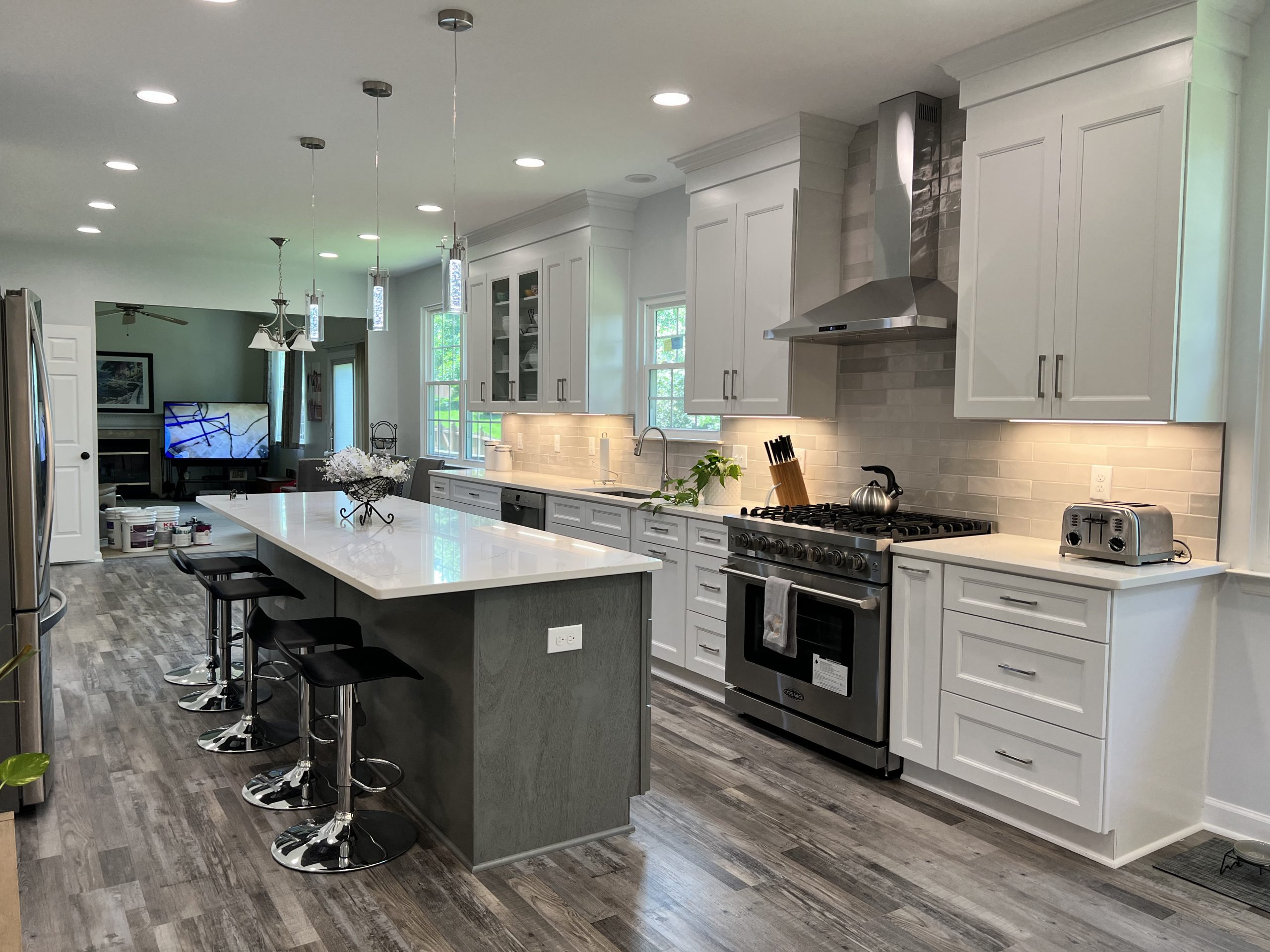
Image Source: virginiakitchenandbath.com
Planning Your Budget: How Much To Add A Kitchen Island
Thinking about adding an island to your kitchen? It is a great idea. An island gives you more space. It helps with cooking. It can be a place to eat. How much does it cost? Adding a kitchen island can cost from about \$1,000 to over \$20,000. It depends on what kind you want. It depends on the materials. It depends on if you add things like a sink or power outlets. This guide helps you figure out the price. We will look at different costs. You can plan your budget better.
Figuring Out the Cost
Many things change the final price. The size of the island matters. Bigger islands cost more. The materials used for the top and the sides are important. Fancy stone tops cost a lot. Simple laminate tops cost less. Do you need a sink or power on the island? These add to the price. Who puts it in? Doing it yourself costs less. Hiring someone costs more. Let’s look at the parts of the cost.
The Island Itself
This is the main part of the price. Islands come in different types.
* Portable or Cart Islands: These are small. You can move them. They are the cheapest.
* Stock or Ready-Made Islands: You buy these from a store. They come in set sizes. You put them together or they come built. They cost more than carts.
* Semi-Custom Islands: These are made from parts you pick. You choose the size. You pick the style and color. They cost more than stock ones.
* Custom Islands: These are made just for you. They fit your kitchen perfectly. They have special features. They cost the most money.
Let’s see the cost range for each type.
| Island Type | Typical Cost Range | What You Get |
|---|---|---|
| Portable/Cart | \$100 – \$1,000 | Small size, often on wheels, simple materials |
| Stock/Ready-Made | \$500 – \$4,000 | Fixed sizes, basic options, ready to install |
| Semi-Custom | \$3,000 – \$10,000 | Pick size, style, color; fits space better |
| Custom/Built-in | \$7,000 – \$20,000+ | Made for your space, special features, high-end |
This table shows rough costs. Prices change based on where you live. Prices change based on the store.
Materials Matter for Price
The stuff your island is made of changes the cost a lot. This is true for the countertop and the cabinet parts.
Countertop Materials
The top surface gets used a lot. It needs to be strong. It needs to look nice.
- Laminate: This is plastic pressed onto wood. It costs the least. It comes in many colors. It can scratch or burn.
- Butcher Block: This is wood pieces glued together. It looks warm. It is good for cutting. It needs sealing. It costs more than laminate.
- Solid Surface: This is man-made. It feels like stone. It does not show seams easily. It can scratch. It costs more than butcher block.
- Granite: This is natural stone. Each piece is different. It is very strong. It needs sealing. It costs more than solid surface.
- Quartz: This is man-made stone. It is very hard. It does not need sealing. It looks like natural stone. It costs about the same as granite or more.
- Marble: This is natural stone. It looks very fancy. It costs a lot. It can stain easily. It needs sealing often.
Think about how you use your kitchen. Think about how much care you want to give the top. This helps you pick the right material. It also helps with the cost.
Cabinet Materials
The boxes and doors of the island matter too.
- Particleboard/MDF: These are engineered woods. They are cheap. They are often covered in laminate or veneer. They can swell if they get wet.
- Plywood: This is stronger than particleboard. It holds screws better. It costs more.
- Solid Wood: This is the most durable. It looks the best. It costs the most. Different woods cost different amounts. Oak and maple are common. Cherry and walnut cost more.
The finish on the cabinets also affects the price. Paint costs more than stain. A fancy finish costs more than a simple one.
Adding Features to Your Island
Kitchen islands can be simple boxes. Or they can have many helpful features. Each feature adds to the cost.
Cost to Add Kitchen Island with Sink
Adding a sink is a big job. You need pipes for water going in. You need pipes for water going out (a drain). This is plumbing work.
- Plumbing: Running new water lines costs money. Running a drain line costs money. You might need to cut into your floor or ceiling below. This adds cost.
- The Sink: Sinks come in many prices. A simple stainless steel sink costs less. A fancy farm sink costs more.
- The Faucet: Faucets also have many prices.
- Installation: A plumber needs to hook it all up. This is the kitchen island labor cost for plumbing.
Adding a sink can add \$1,000 to \$3,000 or even more. It depends on how far the pipes are. It depends on the sink and faucet you pick. The total cost to add kitchen island with sink is higher than for an island without one.
Kitchen Island Electrical Cost
Do you want power outlets on your island? This is very useful. You can plug in mixers or charge phones. This needs electrical work.
- Wiring: An electrician needs to run wires to the island. This might mean opening walls or running wires under the floor.
- Outlets: The price of the outlets is small.
- Installation: The electrician’s time is the main cost. This is part of the kitchen island installation cost.
Adding electrical outlets can add \$300 to \$1,000 or more. It depends on how far the power source is. It depends on how hard it is to run the wires. The kitchen island electrical cost is something to plan for if you want power.
Kitchen Island with Seating Cost
Many people want seating at their island. It makes the kitchen a social place. Adding seating affects the design.
- Overhang: You need counter space that hangs over the base. This gives space for knees. A bigger overhang might need supports. This adds to the material cost and the building cost.
- Size: An island with seating needs to be longer or wider. More size means more materials. This increases the main island cost.
- Stools: You need chairs or stools. The price of these changes a lot. Simple stools are cheap. Fancy stools cost more. Stools are not always included in the island price itself, but they are part of the total cost for a seating area.
An island made for seating will cost more than one that is just a work surface. It needs to be bigger. It might need stronger support. The kitchen island with seating cost is usually higher because of these needs.
Built-in Kitchen Island Cost
A built-in island feels like it is part of the house. It is fixed to the floor. It matches the kitchen cabinets. This is often a custom or semi-custom island.
- Design Work: Someone needs to design it to fit your space.
- Construction: It is built in place or brought in and secured. This takes skill.
- Matching: It needs to match your current cabinets. This can cost more if your cabinets are special.
The built-in kitchen island cost is generally higher than a portable or stock island. It is a permanent part of the kitchen. It adds value. The built-in kitchen island cost is usually in the \$5,000 to \$20,000+ range, including installation. This is often part of a larger kitchen remodel price.
Custom Kitchen Island Price
A custom island is made exactly how you want it. You choose the size. You pick the shape. You add special features. You choose the materials.
- Designer: You might work with a designer. This costs money.
- Craftsmanship: A skilled cabinet maker builds it. Good work costs more.
- Unique Materials/Features: If you want a special wood, a unique shape, or hidden parts, this costs more.
The custom kitchen island price is the highest. It can be anywhere from \$7,000 to \$30,000 or even more. It depends on the complexity and materials. You get exactly what you want. It fits your kitchen perfectly. The custom kitchen island price reflects this personal touch and quality.
Kitchen Island Installation Cost
Getting the island into your kitchen and ready to use has costs. This is the installation part.
- Delivery: Getting the island to your house costs money, especially for big or heavy ones.
- Assembly: Some islands need to be put together. You can do this. Or pay someone.
- Placing and Securing: The island needs to be put in the right spot. It often needs to be fixed to the floor. This is important for safety, especially for built-in islands or those with heavy tops.
- Hookups: If you add a sink or power, a plumber and electrician are needed. Their work is part of the installation cost.
The total kitchen island installation cost depends on the type of island and what needs to be done.
* Putting in a portable island is free if you do it.
* Installing a stock island might cost a few hundred dollars for assembly and placing.
* A built-in or custom island installation with hookups can cost \$1,000 to \$5,000 or more. This is mostly the kitchen island labor cost.
Kitchen Island Labor Cost
Who does the work matters for the price. You can do some tasks yourself. Or you can hire experts.
- General Contractor: If your island is part of a bigger kitchen update, a contractor might manage it. They hire the different workers. They charge a fee for this.
- Cabinet Installers: These are skilled workers who put the island base in place. They fix it to the floor. This is a main part of the kitchen island labor cost for built-in types.
- Countertop Fabricators/Installers: If you get a stone or solid surface top, different people make it and put it on. They charge for measuring, making, and putting it in place. This is a big part of the kitchen island installation cost.
- Plumbers: Needed if you add a sink or dishwasher to the island.
- Electricians: Needed if you add outlets, lights, or an appliance like a microwave or cooktop.
- Handyman: For simpler tasks like assembling a ready-made island.
Each person charges for their time and skill. Plumbers and electricians often charge more per hour than general laborers. The total kitchen island labor cost can be a large part of the project, often 30% to 60% of the total cost, especially for custom or built-in islands with features.
DIY vs. Hiring a Pro
Can you save money by doing it yourself? Yes, you can. The diy kitchen island cost is usually lower than hiring someone. But it depends on the island type and your skills.
Doing It Yourself (DIY Kitchen Island Cost)
- Portable Island: You can buy a cart and roll it in. Very easy. Very low diy kitchen island cost.
- Stock Island: You can buy one in a box. You need tools to put it together. You can place it yourself. This saves the assembly labor cost. The diy kitchen island cost is mostly the price of the island kit.
- Building from Scratch: If you are skilled, you can build an island base. You can add a top. This requires woodworking skills. You buy the materials. The diy kitchen island cost is the materials plus your time.
- Adding Features DIY: Doing your own plumbing or electrical work is very risky. It needs special knowledge. In many places, you need a license for this work. You could cause leaks, fires, or get hurt. It is often best to hire a pro for these parts.
The diy kitchen island cost is lowest if you do all the work you can safely do. But be honest about your skills. A poorly built or installed island is not safe. It might look bad. It might need fixing later.
Hiring a Professional
Hiring pros costs more upfront. But it gives you peace of mind.
* Skill: Pros know how to do the job right.
* Tools: They have the right tools.
* Safety: They know how to work safely. This is very important for plumbing and electrical.
* Quality: The finished job usually looks better and lasts longer.
* Warranty: Their work might have a guarantee.
For built-in or custom islands, hiring pros is almost always needed. Especially if you want a sink, power, or a heavy countertop. The kitchen island installation cost paid to pros includes their skill and experience.
Average Kitchen Island Cost Estimates
Let’s put some numbers together. The average kitchen island cost can be hard to say. It changes so much based on choices. But we can give rough ranges.
- Basic Island (Portable/Small Stock): \$100 – \$1,500. This is a simple cart or a small, ready-to-assemble island without hookups.
- Mid-Range Island (Larger Stock/Semi-Custom): \$1,500 – \$7,000. This might be a bigger stock island or a semi-custom one. It might have seating space but likely no sink or power. Installation might be DIY or simple.
- High-End Island (Built-in/Custom with Features): \$7,000 – \$20,000+. This is a custom island designed for the space. It likely has a stone top. It might include a sink, dishwasher, or power outlets. This cost includes design, materials, and professional labor for cabinets, countertop, plumbing, and electric.
The average kitchen island cost most people pay for something more than a simple cart is probably in the \$3,000 to \$10,000 range. This often covers a good-sized semi-custom island with a decent countertop and possibly basic seating. Adding complex features pushes the average up quickly.
Finding Budget Kitchen Island Ideas
What if your budget is small? You can still add an island! There are many budget kitchen island ideas.
- Go Portable: A kitchen cart or a small, ready-made island is much cheaper than a built-in one. You can find these at furniture stores or home improvement stores. This is a low average kitchen island cost.
- Refurbish Old Furniture: Find an old dresser, desk, or table. Paint it. Add a new top (like butcher block from a home store). This is a great diy kitchen island cost project. You save a lot on the base.
- Use Stock Cabinets: Buy standard kitchen cabinets from a store. Put them together to form an island base. Add a countertop. This is cheaper than custom cabinets. You can often find good deals on stock cabinets.
- Choose Cheaper Materials: Pick laminate or butcher block for the top. Use less expensive woods or finishes for the base.
- Keep it Simple: Do not add a sink or power. These features add a lot to the kitchen island installation cost. A simple work surface and storage area is still very useful.
- DIY Installation: If you are able, install a stock island yourself. This cuts down on the kitchen island labor cost.
These budget kitchen island ideas help you get the function of an island without the high price tag of a custom, built-in unit.
Other Costs to Think About
Besides the island itself and the work to put it in, there can be other costs.
- Flooring: Putting in an island might mean you see the floor under your old table. You might need to fix or replace flooring in that area.
- Lighting: You might want new lights over the island. This needs electrical work and the cost of lights.
- Moving Things: If you move an appliance or cabinets to make space for the island, that adds cost.
- Permits: Some major changes, like adding plumbing or electrical, need permits from your town. This costs money and time for inspections.
These are smaller costs usually. But they add up. Always have a little extra money ready for unexpected things.
Will an Island Add Value?
Adding a kitchen island is popular. Many buyers look for them. A nice island can make your kitchen better. This can make your home more attractive if you sell it. A well-done, built-in island adds more value than a simple cart. The value added is not just money. It is also how you use and enjoy your kitchen every day.
Putting Together Your Budget
Here is a simple way to plan your money for a kitchen island.
- Know What You Want: What size? What style? Do you need a sink? Power? Seating? Storage?
- Pick the Island Type: Portable, stock, semi-custom, or custom? This sets the main cost range.
- Choose Materials: What kind of countertop and cabinets?
- Decide on Installation: Will you DIY parts? Or hire pros for everything? Get quotes for the kitchen island labor cost.
- Get Quotes: Talk to island suppliers, cabinet shops, contractors, plumbers, and electricians. Get prices for the island, materials, and installation. Ask for a detailed breakdown of the kitchen island installation cost.
- Add Extra Costs: Think about flooring, lighting, permits, and a buffer for surprises.
- Total It Up: Add all the costs together. This gives you an idea of the total kitchen island installation cost including all parts.
Remember the average kitchen island cost is just a starting point. Your final price will be based on your specific choices.
Getting Quotes Helps
Do not just guess the price. Talk to different companies.
* Ask cabinet shops about built-in kitchen island cost or custom kitchen island price.
* Ask contractors for a full price including all labor. This covers the total kitchen island installation cost.
* Talk to plumbers and electricians for the cost to add kitchen island with sink and kitchen island electrical cost.
Getting three quotes for each major part is a good idea. This helps you see what is a fair price.
Final Thoughts
Adding a kitchen island is a great way to make your kitchen better. It can be a small change or a big project. The cost changes a lot. It can be as low as a few hundred dollars for a simple cart. It can be tens of thousands for a custom, fully-featured island.
Think carefully about what you need and want. Look at budget kitchen island ideas if money is tight. Plan for the island itself, materials, and the kitchen island installation cost, which includes the kitchen island labor cost for different pros. If you want a sink or power, remember the extra cost to add kitchen island with sink and kitchen island electrical cost.
By planning and getting quotes, you can add a great island to your kitchen without spending too much money. You will know what to expect for your average kitchen island cost.
Frequently Asked Questions (FAQ)
How much space do I need for a kitchen island?
You need enough space to walk around it easily. Most experts say you need at least 3 feet (about 1 meter) of clear space around the island. This is for walking and opening cabinet doors. If your kitchen is small, a big island might not fit well. Measure your space carefully.
Can I put a stove or cooktop on an island?
Yes, you can. But this adds a lot to the cost. You need electrical or gas lines run to the island. You also need a range hood above it. This hood needs to vent outside, which can be hard in the middle of the kitchen. This makes the kitchen island electrical cost (or gas cost) and installation much higher. It is a complex job.
How long does it take to install a kitchen island?
It depends on the type.
* A portable island takes minutes.
* A stock island you assemble might take a few hours to a day.
* A built-in or custom island takes longer. The build time can be weeks. The installation itself might take 1-3 days for the base and countertop. If you add plumbing and electric, it takes longer. It could be a week or two total for all the work.
Does adding a kitchen island require a permit?
Maybe. If you are adding plumbing for a sink or electrical for outlets or appliances, you will likely need a permit. This is to make sure the work is safe and meets building rules. Check with your local town or city office.
Is a mobile island stable enough?
Mobile islands (carts) are not fixed to the floor. They are okay for light work and storage. If you plan to do heavy chopping or put heavy things on it, make sure it is sturdy and the wheels can lock firmly. A built-in island is much more stable and safer for heavy use.
What is the most expensive part of adding a kitchen island?
Often, the most expensive parts are:
* Custom Cabinetry: If you get a unique, high-quality custom island base.
* Countertop: High-end natural stone like marble or thick custom quartz.
* Plumbing and Electrical Work: Adding a sink, dishwasher, cooktop, or many outlets requires skilled labor and changing your home’s systems. This significantly increases the kitchen island installation cost.
These choices can raise the total price quickly.