Is replacing a kitchen drawer something you can do yourself? Yes, absolutely! Many people wonder if they can replace their kitchen cabinet drawers or fix them when something breaks, like broken drawer slides. Replacing a kitchen drawer is a job you can often do yourself, even if you are new to DIY projects. This guide will show you how to remove an old drawer, pick new parts like drawer slides, and put everything back together. It’s easier than you might think to get your kitchen drawers working like new again.
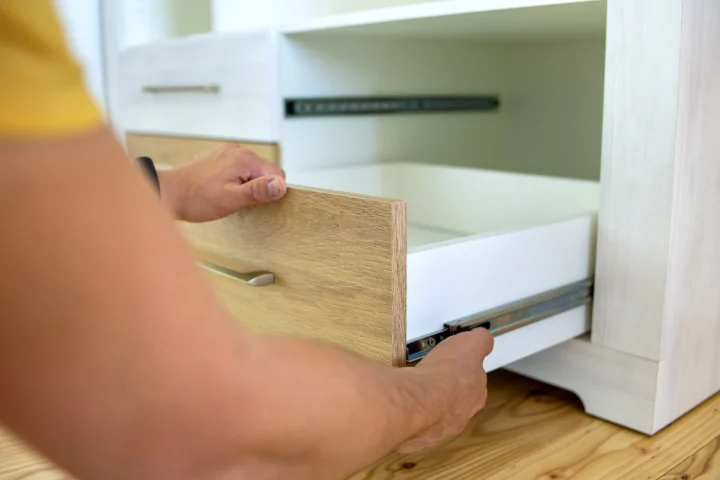
Image Source: www.shelfgenie.com
Why a New Drawer Might Be Needed
Kitchen drawers get used a lot. They hold heavy things. Over time, parts can wear out or break. Here are some common reasons you might want to replace one:
- It doesn’t open or close well: Maybe it sticks, grinds, or falls off track. This is often because of
broken drawer slides. - Parts are broken: The bottom might be falling out. The sides could be split. The
drawer slidesordrawer runnersmight be bent or missing pieces. - Old and worn out: Drawers can just look bad after many years. They might be stained or scratched.
- Wanting better function: Older drawers might not open all the way. You might want new
drawer slidesthat let the drawer pull out completely. - Style update: Maybe you are changing the look of your kitchen. New drawers can be part of that change.
Replacing a drawer or its parts can make your kitchen work better. It can also make it look nicer. DIY drawer replacement is a good way to save money compared to hiring someone.
Grasping the Task
Taking on a DIY drawer replacement project means you will handle a few main parts. You will deal with the drawer box. This is the part that holds your things. You will also work with drawer slides or drawer glides. These are the metal or plastic parts that let the drawer move in and out of the cabinet. Sometimes, you only need to replace the broken drawer slides. Other times, you might need a full drawer box replacement. The steps are simple if you take your time.
Tools and Parts Needed
Before you start, get everything ready. This saves trips later.
Basic Tools:
- Screwdriver (Phillips head is common, maybe flathead too)
- Drill (Optional, but makes removing and putting in screws faster)
- Measuring tape
- Pencil
- Level (Small one is good)
- Safety glasses
- Work gloves (Optional)
- Marker or labels (Helpful for keeping track of parts)
Materials:
- New
drawer slides(Make sure they are the right size and type) - Replacement screws (Sometimes come with new slides)
- Wood glue (If you need to
repair kitchen drawerbox) - Clamps (For glue, if needed)
- Sandpaper (If smoothing wood for repair)
- Touch-up paint or finish (If repairing drawer box)
- New
drawer box replacement(If the old box is too damaged)
Choosing the right drawer slides is important. We will talk more about that soon. Getting the correct size is key. Measure the old slides or the space in the cabinet.
Safety First
Always think about safety.
- Wear safety glasses. Screws can fly out. Wood chips can get in your eyes.
- Be careful with tools. Use them the right way.
- Lift heavy drawers carefully. Ask for help if needed.
- Keep your work area clean. This stops trips and falls.
- Turn off power if working near outlets, though this is rare for drawers.
Taking a few safety steps makes the job go smoothly and keeps you safe.
Step 1: Empty and Remove the Old Drawer
This is the first step. It’s simple but important.
- Empty everything out. Take all items from the drawer. It will be lighter and easier to handle.
-
Look at the slides.
Kitchen cabinet drawersattach to slides in different ways.- Roller slides (epoxy slides): These often have a plastic roller at the back of the drawer and a metal piece in the cabinet. To
remove kitchen drawer, you usually lift the front slightly and pull hard. Some might have a small lever you push down or up. - Ball-bearing slides: These metal slides are stronger. They usually have a lever or clip on the side of the drawer member (the part attached to the drawer). You push or pull this lever (often colored black or blue) on both sides at the same time. Then you pull the drawer straight out.
- Undermount slides: These are hidden under the drawer box. They often have levers or clips underneath the front of the drawer. You might need to reach under to find them and push them to release the drawer.
- Roller slides (epoxy slides): These often have a plastic roller at the back of the drawer and a metal piece in the cabinet. To
-
Gently pull the drawer out. Once you find the release method for your type of
drawer slides, use it. Pull the drawer straight out from the cabinet. - Put it aside. Place the removed drawer on a stable surface. You will work on it next.
Knowing how to properly remove kitchen drawer parts without forcing them helps prevent damage to the cabinet or the drawer itself.
Step 2: Check What’s Broken
Now that the drawer is out, look closely.
- Examine the drawer box. Is the wood split? Is the bottom sagging or detached? Are the corners coming apart? If the box is in bad shape, you might need a
drawer box replacement. If it’s just loose joints or small cracks, you mightrepair kitchen drawerinstead. - Look at the old
drawer slides. Are they bent? Are pieces broken off? Is the lubrication gone? Are the rollers or ball bearings missing or damaged? Often,broken drawer slidesare the main problem. - Check the cabinet slides. Look at the parts of the
drawer glidesleft in the cabinet. Are they straight? Are they firmly attached? Is the cabinet wood where they attach damaged?
Deciding whether to repair kitchen drawer or replace it depends on how bad the damage is. Fixing might be cheaper if the box is okay. Replacing the whole drawer and slides might be better if it’s very old or badly broken.
Step 3: Take Off the Old Parts
You need to remove the old drawer slides or any other broken parts.
- Remove slides from the drawer. The slides are usually held on with screws. Use your screwdriver or drill to take these screws out. Keep the screws in a small cup or bag in case you need them later (though new slides often come with screws). Note how the old slides were placed on the drawer.
- Remove slides from the cabinet. The parts in the cabinet are also screwed in. Find all the screws holding the
drawer glidesto the inside walls of the cabinet. Take them out carefully. - Clean the area. Once the old hardware is off, clean the sides of the drawer and the inside of the cabinet. Remove dust, old grease, or wood bits. This helps the new parts sit flat.
Taking the old parts off is a good chance to see how they were attached. This helps when you install drawer glides later.
Step 4: Picking New Hardware
Choosing the right new drawer slides is key. They need to fit the drawer and cabinet space.
Types of Drawer Slides:
- Roller Slides (Epoxy Slides): These are simple and cheap. They have a roller on one part and a channel on the other. They are good for light to medium loads. They don’t extend fully, so some of the back of the drawer stays in the cabinet.
- Ball-Bearing Slides: These are stronger and smoother. They use small metal balls to glide. They can hold more weight. Most extend fully, giving you access to the whole drawer. They are a popular choice for
kitchen cabinet drawers. - Undermount Slides: These attach to the bottom of the drawer box and the cabinet. They are hidden from view when the drawer is open. They provide a clean look. They are often full extension and may have soft-close features.
Things to Consider When Choosing:
- Length: Measure the old slides. New slides should be the same length. This length usually matches the depth of the drawer box.
- Weight Capacity: How much weight will the drawer hold? Pantry drawers need stronger slides than utensil drawers. Check the weight rating on the new
drawer slides. Ball-bearing slides usually hold more weight. - Extension: Do you want the drawer to open all the way (full extension) or only partly (partial extension)? Full extension slides give you more access.
- Mounting Type: Are the old slides side-mount (on the sides of the drawer and cabinet), center-mount (one slide under the middle), or undermount? Replace with the same type unless you are changing the system. Side-mount is most common for
kitchen cabinet drawers. - Cabinet Opening Width: This is very important for side-mount and undermount slides. The slides take up space between the drawer box and the cabinet wall. Measure the gap on both sides with the old slides removed. New slides specify the required gap (often 1/2 inch per side). Make sure your drawer box fits with the new
drawer slides.
Buying the correct drawer slides makes the rest of the job much easier. Take your time picking them out.
Step 5: Preparing the Drawer Box
Depending on your earlier check, you will either fix the old drawer box or get a new one ready.
If Repairing the Old Drawer Box:
- Tighten loose joints. If corners are wobbly, you might add wood glue. Take the box apart slightly if needed, apply glue, then put it back together. Use clamps to hold it tight while the glue dries.
- Fix a sagging bottom. If the bottom is thin plywood or particle board, it might sag. You can add a support piece underneath or replace the bottom with thicker material.
- Patch cracks or holes. Use wood filler for small issues. Sand it smooth once dry.
- Sand and finish. If needed, lightly sand the repaired areas. You might touch up paint or stain to match the rest of the drawer.
If Using a New Drawer Box Replacement:
- Assemble the new box. New drawer boxes often come flat-packed. Follow the instructions to put it together. This usually involves putting sides together with glue and screws or special fasteners.
- Make sure it’s square. Use a measuring tape to check diagonal measurements from corner to corner. They should be equal if the box is square. A square box is needed for
drawer slidesto work right.
Whether repaired or new, the drawer box needs to be strong and square before you attach drawer runners.
Step 6: Attach Drawer Runners to the Drawer
The part of the drawer slides that goes on the drawer is called the drawer member or drawer runners.
- Identify the drawer runners. For side-mount slides, there are usually two parts for each slide: one for the cabinet, one for the drawer. The drawer member is usually thinner or has rollers/bearings on the outside.
- Position the runners. Place the
drawer runnerson the sides of the drawer box. The runners should be flush with the front edge of the drawer box. For some slides, they might be set back slightly. Check the instructions that came with your newdrawer slides. - Mark screw holes. Use a pencil to mark where the screws will go. Most
drawer runnershave a row of holes. Use at least two or three screws spaced along the runner for strength. Use the elongated holes if available, as they allow for slight adjustments later. - Drill pilot holes (Optional but Recommended). For hardwood, drilling small pilot holes first can prevent the wood from splitting. Make the hole smaller than the screw threads.
- Screw on the runners. Use the screws provided with the new
drawer slides. Drive the screws firmly but don’t overtighten, as this can strip the wood or bend the slide.Attach drawer runnerson both sides of the drawer box. Make sure they are parallel to the bottom of the drawer and each other.
Getting the drawer runners on straight and even is important for the drawer to slide smoothly.
Step 7: Install Drawer Glides in the Cabinet
This is often the trickiest part: putting the cabinet members (or drawer glides) into the cabinet. Getting these straight and level is very important.
- Identify the cabinet glides. These are the parts of the
drawer slidesthat stay inside the cabinet. They usually attach to the cabinet side walls. - Determine the correct height. The position of the cabinet glides depends on where you put the
drawer runnerson the drawer box and the type of slides.- Using old screw holes: If the new slides match the old ones exactly, you might be able to use the old screw holes in the cabinet. Clean them first.
- Measuring: If using new positions or different slides, you’ll need to measure.
- Place the drawer (with runners attached) on a stable surface.
- Place the cabinet glide next to its corresponding runner on the drawer, as if it were installed.
- Measure the distance from the bottom of the drawer box to the bottom edge of the cabinet glide. This measurement tells you how high up from the bottom of the cabinet opening the glides need to be.
- Alternatively, measure from the top or center line. Consistency is key.
- Mark the position in the cabinet. Use your measurement and a pencil. Draw a light line on the inside wall of the cabinet where the bottom edge of the
drawer glidesshould sit. Do this on both sides. Use a level to make sure the lines are perfectly straight and level with each other across the cabinet opening. This step is vital toinstall drawer glidescorrectly. - Position the cabinet glides. Line up the bottom edge of the glide with your pencil line. For many slides, the front edge of the glide should be flush with the front edge of the cabinet face frame (if your cabinets have one) or the inside edge of the cabinet opening. Check the slide instructions for the exact setback.
- Mark screw holes. Use the holes on the
drawer glidesto mark where the screws will go on the cabinet wall. Mark at least two or three points along the length. Again, use elongated holes if available for small adjustments. - Drill pilot holes (Optional). Just like with the drawer, drilling pilot holes can help, especially in hard cabinet wood.
- Screw in the glides.
Install drawer glidesusing the provided screws. Make sure the glide stays perfectly aligned with your pencil line as you screw it in. Do this on both sides of the cabinet. Double-check that both glides are level and parallel to each other. Using a level on the glide itself after putting in the first screw is a good idea.
Spending time to accurately install drawer glides straight and level will save you headaches later when trying to adjust cabinet drawer.
Step 8: Putting the Drawer Back In
Now it’s time to put the drawer with its new drawer runners back into the cabinet with its new drawer glides.
- Extend the cabinet glides. Pull the movable part of the
drawer glides(the one that slides out) fully forward. - Align the runners and glides. Hold the drawer with the
drawer runnersattached. Carefully line up thedrawer runnerson the sides of the drawer with the extendeddrawer glidesin the cabinet. - Slide the drawer in. Gently push the drawer into the cabinet. You might feel a slight click or resistance as the parts connect. Push it all the way closed.
- Test the movement. Open and close the drawer a few times. Does it slide smoothly? Does it go in and out without sticking or rubbing? Does it close flush with the cabinet front?
If it slides smoothly and closes properly, great! You are almost done. If not, you might need to adjust cabinet drawer.
Step 9: Adjust Cabinet Drawer
Sometimes, even with careful installation, a drawer might not be perfect. It might sag, rub, or not close evenly. You can often adjust cabinet drawer position slightly.
- Check for rubbing: Open the drawer slowly. Watch where it might be hitting the cabinet opening or other drawers.
- Look at the gaps: When the drawer is closed, look at the space around it. Are the gaps even? Is it level with nearby drawers or cabinet doors?
- Use elongated screw holes: If the
drawer slideswere screwed in using elongated holes, you can slightly loosen the screws. This lets you shift the slide up or down, or left or right, a small amount. - Adjust height: If the drawer sags, the cabinet glides might be too low in the front or back. If it rubs at the top, the glides might be too high. Loosen screws in the elongated holes and gently shift the glide position. Tighten screws once adjusted.
- Adjust side-to-side: If the drawer rubs on one side or the gaps are uneven, you might need to shift one or both cabinet glides slightly left or right. Loosen screws, move the glide, and retighten.
- Adjust depth (how far it sits in/out): Most slides have some play where they connect. Make sure the drawer runners are fully seated in the cabinet glides. Check that the cabinet glides are installed at the correct setback from the front.
Making small adjustments can make a big difference in how smoothly the kitchen cabinet drawers work. Take your time and make small changes until the drawer moves freely and sits correctly when closed.
Fixing Common Issues
What if things don’t go perfectly? Here are some fixes for common problems:
- Drawer sticks or is hard to open/close:
- Check if the
drawer slidesare aligned. Are the cabinet glides parallel? Are the drawer runners parallel? - Is something in the cabinet blocking the drawer?
- Are the slides rated for the weight in the drawer? Overloading can cause issues.
- Check for screws that are sticking out inside the cabinet or drawer, hitting something.
- Check if the
- Drawer doesn’t close all the way:
- Is something in the back of the cabinet blocking it?
- Are the slides installed too far forward in the cabinet? They might hit the back of the cabinet box before the drawer is fully closed.
- Check the front edge of the cabinet glides; they should be correctly set back according to instructions.
- Drawer rubs on the top or bottom:
- The
drawer glidesin the cabinet might not be level. Use the elongated holes to adjust their height. - The drawer box itself might not be square or might be warped. You might need a
drawer box replacement.
- The
- Drawer falls out easily:
- Are the slides full extension? If so, check that the release levers (if any) are not accidentally being engaged.
- Are the slides damaged? Are ball bearings or rollers missing?
Broken drawer slideswill cause this. - Make sure the slides are fully connected when the drawer is inserted.
Troubleshooting involves going back to the steps. Check alignment, level, and proper connection of the drawer slides.
When to Get Help
Most DIY drawer replacement jobs are doable. But sometimes, you might face bigger issues.
- Major cabinet damage: If the cabinet frame or walls are badly split or rotten where the
drawer glidesattach, you might need a cabinet repair specialist or cabinet maker. - Complex slide systems: Some modern or custom cabinets use complex slide systems that are hard to work with without special tools or knowledge.
- Lack of confidence: If you feel unsure or uncomfortable at any point, it’s okay to ask for help. A handyman or cabinet professional can step in.
For most kitchen cabinet drawers with standard drawer slides, following these steps should lead to success.
Caring for Your Kitchen Drawers
Once you have replaced or repaired your drawer, a little care helps it last.
- Don’t overload: Stay within the weight limit of the
drawer slides. - Keep them clean: Wipe away spills inside the drawer box.
- Keep slides clean: Dust and grime can affect how slides work. Wipe down the visible parts of the
drawer slidesinside the cabinet now and then. - Lubricate slides (if needed): Some metal slides benefit from a light spray lubricant made for drawers. Check the slide maker’s advice. Don’t use too much, as it can attract dirt.
Simple care helps prevent broken drawer slides and other issues.
Summary
Replacing a kitchen drawer or its drawer slides is a practical DIY drawer replacement task. You start by emptying and knowing how to remove kitchen drawer parts. Then, you check if you need to repair kitchen drawer or do a drawer box replacement. You remove old parts, pick new drawer slides or drawer glides of the right size and type, and attach drawer runners to the drawer. The most important part is to accurately install drawer glides in the cabinet, making sure they are level and parallel. Finally, you put the drawer back in and adjust cabinet drawer as needed for smooth movement. With the right tools and steps, your kitchen cabinet drawers can work like new.
Frequently Asked Questions (FAQ)
Q: How do I know what size drawer slides to buy?
A: Measure the length of the old slides. Also, measure the depth of your drawer box. The new slides should match this length. For side-mount slides, check the gap between the drawer box and the cabinet wall; most require about 1/2 inch on each side.
Q: Can I replace roller slides with ball-bearing slides?
A: Yes, often you can. But you must make sure the ball-bearing slides are the correct length. Also, check the width needed. Ball-bearing slides usually need a precise gap (like 1/2 inch per side) between the drawer box and the cabinet wall. Your existing drawer box might be too wide if it was made for different slides. You might need a narrower drawer box replacement or shims.
Q: My drawer slides are still good, but the drawer box is broken. Can I just replace the box?
A: Yes, if your drawer slides and drawer glides are in good condition and properly installed, you can often just get a drawer box replacement. Make sure the new box is the same size as the old one and that your existing drawer runners or hardware can be attached to it correctly.
Q: My drawer seems to fall off the tracks often. What causes this?
A: This is usually caused by broken drawer slides or slides that are not properly aligned. Check if the slides are bent or missing parts. Also, verify that the cabinet glides are installed level and parallel to each other. The drawer runners must be fully seated in the cabinet glides when inserted.
Q: Do I need special tools to install drawer glides?
A: No, basic tools like a screwdriver, measuring tape, pencil, and possibly a drill and level are usually enough. Some people find special mounting jigs helpful for install drawer glides perfectly straight, but they are not required for a successful DIY drawer replacement.
Q: How do I adjust cabinet drawer if it’s crooked?
A: If your drawer slides have elongated screw holes, loosen the screws slightly in the cabinet glide. This lets you gently shift the glide up, down, or sideways. Use a level to make sure the glide is straight before tightening the screws again. Adjust both sides if needed until the drawer is level and centered.
Q: Is it possible to repair kitchen drawer box instead of replacing it?
A: Yes, if the damage is small, like loose joints or minor cracks, you can often repair kitchen drawer box using wood glue, clamps, and possibly wood filler. If the wood is badly split, warped, or the bottom is falling out completely, a drawer box replacement might be more practical and longer-lasting.
Q: The drawer runners are hard to attach drawer runners because the wood is old. What can I do?
A: If the wood is splitting or the screws aren’t holding, you can try using slightly larger screws (make sure they fit the slide holes). You can also fill the old screw holes with wood glue and toothpicks or wood filler, let it dry, then drill new pilot holes nearby. Make sure the new holes don’t interfere with the slide’s function.
Q: My kitchen cabinet drawers are very old. Should I just replace all the slides at once?
A: If one drawer’s slide broke, others might follow soon. Replacing all the drawer slides in a set of kitchen cabinet drawers at the same time can be efficient. It ensures all drawers will operate smoothly and consistently. It’s also easier to buy hardware in bulk.
Q: How much weight can standard drawer slides hold?
A: Weight capacity varies by slide type and quality. Basic roller slides might hold 25-50 pounds. Standard ball-bearing slides often hold 75-100 pounds. Heavy-duty slides can hold much more (100+ pounds). Check the product description for the drawer slides you buy to make sure they meet your needs. Using slides with enough capacity prevents broken drawer slides from overloading.