Kitchens are busy places. We chop, slice, and dice every day. But this work can be risky. Cuts are a common kitchen injury. They can be painful. They can take time to heal. Luckily, most cuts can be stopped. By knowing simple safety rules, you make your kitchen much safer. This guide shares easy ways to prevent cuts. Follow these tips for happy, safe cooking. It is about keeping your hands safe while you prepare food.
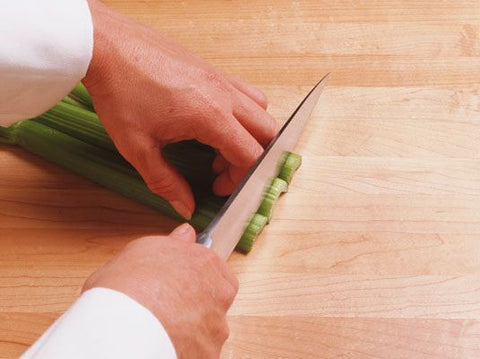
Image Source: cdn.shopify.com
Basic Steps for Kitchen Safety
Being safe in the kitchen starts with simple habits. Think before you act. Look around you. These small steps help prevent many kitchen injuries.
Getting Ready to Work
Before you even pick up a knife, do a quick check.
* Clear your space. Move things off your cutting board area. Water glasses, towels, and food packages should be out of the way. A messy space is a dangerous space.
* Stand strong. Make sure you have good footing. Don’t stand on anything wobbly. Wear shoes with good grip.
* Focus. Pay attention to what you are doing. Don’t cook when you are very tired or upset. Distractions like phones or TV can lead to accidents.
* Check your tools. Look at your knives and cutting boards. Are they clean? Are they in good shape?
Grasping Knife Safety Tips
Knives are the main tools for cutting. They are also the main cause of cuts. Knowing how to use them right is key. Following good knife safety tips makes a big difference.
Picking the Right Knife
Use the right knife for the job.
* A small paring knife is for peeling small fruits.
* A large chef’s knife is for chopping big vegetables.
* A bread knife with teeth is for slicing bread.
* Using the wrong knife can make cutting harder. This makes you push too hard. Pushing hard raises the chance of a slip.
The Sharp Knife Benefits
It might seem strange, but sharp knives are safer than dull ones.
* A sharp knife cuts easily. It slides through food with little effort.
* A dull knife needs force. You have to push and push.
* When you push hard, the knife can slip. A slipping dull knife can cause a bad cut.
* A sharp knife is more predictable. It goes where you want it to go. This is a core idea in preventing kitchen injuries.
Keeping Your Knife Sharp
Make sure your knives stay sharp.
* Use a honing steel often. This straightens the blade edge. Do this almost every time you use a knife.
* Sharpen your knives less often. Sharpening creates a new edge. How often depends on how much you use them. Maybe every few months for home cooks.
* You can sharpen them yourself or have a pro do it.
Deciphering Proper Cutting Technique
How you hold the knife and the food matters. The right way to cut is safer. It also makes your food look better. This is a big part of kitchen knife handling.
Holding the Knife Right
Hold the knife handle firmly.
* Your thumb should be on one side of the blade near the handle.
* Your pointer finger should be on the other side, resting on the blade’s back (spine).
* Wrap your other three fingers around the handle. This is often called a “pinch grip.”
* This grip gives you good control. It makes the knife feel like part of your hand.
Holding the Food (The Claw)
Protect your fingers by holding the food like a claw.
* Curl your fingertips inward. Hide them under your knuckles.
* Use your knuckles as a guide for the knife. The knife blade rests against your knuckles as you cut.
* Move your hand back slowly as you cut.
* Your bent fingers are safe behind the knuckles. This hand shape looks like a claw. Practice this every time you chop.
Cutting Motions
Use a rocking motion for many tasks.
* Keep the knife tip on the cutting board.
* Lift the back of the blade up and down.
* Push the knife forward slightly with each rock.
* This smooth movement is controlled. It is safer than chopping straight down hard.
Implementing Cutting Board Safety
Your cutting surface is just as important as your knife. Cutting board safety helps keep the knife stable. It also protects your countertops.
Picking the Right Board
Choose a good cutting board.
* Wood or plastic boards are common.
* Avoid glass or stone boards. They are hard on knives. They make knives dull faster. They can also be slippery.
* Make sure the board is big enough for what you are cutting. Food should not hang off the edge.
Keeping the Board Still
A slipping cutting board is dangerous. Stop it from moving.
* Put a damp paper towel or cloth under the board.
* This makes the board stick to the counter. It stops it from sliding around while you cut.
* Special non-slip mats are also available. This is a simple but very important step in kitchen accident prevention.
Cleaning the Board
Wash your cutting board well after each use.
* Use hot, soapy water.
* This removes food bits that can cause sickness.
* Clean boards also help prevent knives from getting stuck or slipping on old food residue.
Ensuring Safe Knife Storage
Where you keep your knives when you are not using them is key. Safe knife storage protects the knives. It also protects you from touching a sharp blade by mistake.
Good Storage Options
There are several good ways to store knives.
* Knife Block: This is a common choice. Knives slide into slots. Make sure the block is stable. Put knives in handle first or with the sharp edge away from the slot opening.
* Magnetic Strip: A strip on the wall holds knives by magnets. Place it away from where people might bump it. Attach knives carefully, spine first, then let the magnet grab the blade. Remove them spine first too.
* In-Drawer Tray: Special trays fit inside kitchen drawers. They have shaped slots for knives. This keeps knives separate and edges covered. Make sure the drawer does not slam shut.
Bad Storage Options
Never store knives in a drawer without a tray.
* Loose knives in a drawer bang into each other. This damages the blades.
* Reaching into a drawer of loose knives is very dangerous. You can easily cut your hand.
* Don’t leave knives lying on counters or in sinks.
Deciphering Washing Knives Safely
Cleaning your knives needs care. Washing knives safely means avoiding cuts while cleaning.
Washing By Hand
Wash knives right after using them. Don’t leave them in a sink full of soapy water.
* Someone might reach into the sink and not see the knife. This is a common cause of cuts.
* Wash one knife at a time.
* Use hot, soapy water.
* Hold the knife by the handle. Keep the sharp edge away from you.
* Use a cloth or sponge carefully. Move it away from the blade edge, not towards it.
* Wash both sides of the blade.
* Rinse well under running water.
Drying Knives Safely
Dry your knives right after washing.
* Use a clean, dry towel.
* Hold the knife by the handle. Place the towel flat on a surface.
* Put the knife blade flat on the towel.
* Carefully fold the towel over the blade.
* Hold the spine (back) of the knife blade. Pull the blade through the folded towel, keeping your fingers away from the edge.
* Dry both sides.
* Make sure the knife is completely dry before storing it. This stops rust.
Dishwashers and Knives
Avoid putting good kitchen knives in the dishwasher.
* The heat and strong soap can harm the blade and handle.
* Knives can shift during the wash cycle. The sharp edge can hit other items or the dishwasher racks. This makes them dull.
* A knife sticking out of the dishwasher rack is a hazard. Someone could get cut while loading or unloading.
* Always wash quality knives by hand.
Thinking About Safety Gloves for Cutting
For some tasks, using safety gloves for cutting can add an extra layer of protection. These are not like washing gloves. They are made to resist cuts.
Types of Cut-Resistant Gloves
Cut-resistant gloves are made from special materials.
* Materials like high-performance polyethylene, wire mesh, or tough fabric blends are used.
* They come in different levels of cut resistance. A higher level means more protection.
* They can look like regular gloves or have a wire-mesh look.
When to Use Them
Cut-resistant gloves are good for:
* Beginners learning knife skills.
* When cutting tricky foods like slippery fish or hard squash.
* When using extra-sharp tools like mandolines or graters (these are very dangerous).
* When you are tired or feeling distracted.
* If you have had cuts before and want extra safety.
How They Help
These gloves don’t make you completely cut-proof.
* They greatly reduce the chance of a cut.
* They can stop minor nicks and scrapes.
* They might lessen the depth of a serious cut.
* Remember, they are a backup. You still need to use proper cutting technique.
Other Important Kitchen Accident Prevention Steps
Preventing cuts is part of overall kitchen safety. Many things can cause accidents. Being aware helps stop them. Kitchen accident prevention is about making smart choices all the time you are cooking.
Deal with Broken Glass Safely
If something glass breaks, be very careful.
* Never pick up broken glass pieces with your bare hands.
* Use gloves if you have them.
* Use a broom and dustpan to sweep up larger pieces.
* Use a damp paper towel or a piece of bread to pick up tiny shards.
* Wrap the broken glass well before putting it in the trash. Use newspaper or put it in a separate bag. This protects people handling the trash.
Be Careful with Hot Things
Burns are another common kitchen injury.
* Use oven mitts for hot pots and pans. Make sure they are dry. Wet mitts let heat through.
* Turn pot handles inward on the stove. This way, they won’t be knocked over.
* Lift lids away from you to avoid steam burns.
* Be careful when pouring hot liquids.
Clean Up Spills Fast
Wet floors are a slipping danger.
* Clean up spills as soon as they happen.
* Use paper towels or a cloth.
* Dry the floor completely.
* Put up a sign if needed in bigger kitchens.
Use Appliances Right
Read instructions for new appliances.
* Don’t stick forks or metal into toasters.
* Keep fingers away from moving parts in mixers or food processors.
* Unplug appliances before cleaning them.
Summing Up Preventing Kitchen Injuries
Preventing kitchen injuries, especially cuts, is mainly about being mindful. It’s about creating good habits.
- Start with a clean, clear workspace.
- Always use sharp knives and the right knife for the job.
- Hold the knife and the food using safe techniques like the claw grip.
- Use a stable cutting board.
- Store knives safely away from reach and damage.
- Wash and dry knives carefully by hand.
- Think about using safety gloves for extra protection sometimes.
- Be aware of other dangers like spills and hot surfaces.
Making your kitchen a safe place lets you focus on the fun part: cooking delicious food. These simple rules help protect your hands and yourself. Practice them until they feel normal. Soon, these safety steps will be automatic. You will cut faster and safer. You will enjoy your time in the kitchen more.
Table: Quick Safety Checklist
Here is a simple list to help you remember the key points.
| Safety Area | Action Steps | Benefit |
|---|---|---|
| Workspace | Clear area, firm footing, focus | Stops accidents from mess/distraction |
| Knife Sharpness | Keep knives sharp (hone often, sharpen when needed) | Cuts easily, less force, less slipping |
| Knife Grip | Pinch grip on handle | Gives control |
| Food Hold | Claw grip (fingers tucked, knuckles guide) | Protects fingertips |
| Cutting Board | Use wood/plastic, non-slip mat underneath | Stops board movement, saves knives |
| Storage | Knife block, magnetic strip, in-drawer tray | Stops accidental contact, protects blades |
| Washing | Wash by hand, dry carefully | Stops sink cuts, keeps knives sharp |
| Extra Protection | Use cut-resistant gloves for tricky tasks/learners | Adds protection against cuts |
| Other Hazards | Clean spills, handle hot things safely | Prevents slips and burns |
Frequently Asked Questions (FAQ)
What if I get a small cut?
If you get a small cut, first, wash it with soap and water. Press a clean cloth or bandage on it to stop the bleeding. If it’s deep or won’t stop bleeding, get help from a doctor.
Can children help in the kitchen?
Yes, children can help! Start with tasks away from knives. Let them wash vegetables, stir things, or mix ingredients. When they are ready to learn cutting, teach them with small, safe tools and always watch them closely. Use proper cutting technique from the start.
Are ceramic knives safer?
Ceramic knives are very sharp. They can stay sharp a long time. But they are also brittle. They can chip or break more easily than steel knives. If they break, the pieces can be very sharp. Handle them with extra care.
Do safety gloves work for mandolines?
Yes, safety gloves are especially helpful with mandolines! Mandolines are very dangerous. They can slice fingers very quickly. Always use the food holder that comes with a mandoline. For even more safety, wear a cut-resistant glove on the hand holding the food or guiding it.
How often should I sharpen my knife?
How often depends on how much you use your knife. If you cook a lot, you might need to sharpen every few months. If you cook less, maybe once or twice a year is fine. Honing (using the steel rod) should be done much more often, even every time you use the knife. This helps the edge stay good between sharpenings. Remember, sharp knife benefits are real!
My cutting board slides. What can I do?
Put a damp paper towel or a damp dishcloth under your cutting board. This creates a little suction and stops the board from moving. Special non-slip mats also work well. This is a quick fix for better cutting board safety.
Why shouldn’t I leave knives in the sink?
Leaving knives in a sink full of water is very dangerous. You or someone else might reach into the water and accidentally grab the sharp blade, causing a serious cut. Always wash knives right away and put them away safely. This is a key part of washing knives safely.
What is the “claw grip” again?
The “claw grip” is how you hold the food you are cutting. You curl your fingertips under your hand so they are hidden. Your knuckles stick out. You rest the side of the knife blade against your knuckles as you cut. Your knuckles guide the knife, and your fingertips are safe inside the “claw”. This is a crucial proper cutting technique.