How much does it cost to replace kitchen counters? The average cost to replace kitchen countertops usually falls between $2,000 and $4,000. But this can change a lot. Some jobs cost as little as $500. Others can cost $10,000 or even more. The price you pay depends on many things, like the kind of material you choose and how big your kitchen is.
Kitchen counters get a lot of use. They can get old, scratched, or just look out of style. Putting in new counters can make your kitchen look fresh and new. It can also make your kitchen work better. But before you start, it’s good to know the cost. This guide will help you figure out how much you might pay to put in new kitchen counters in 2024.
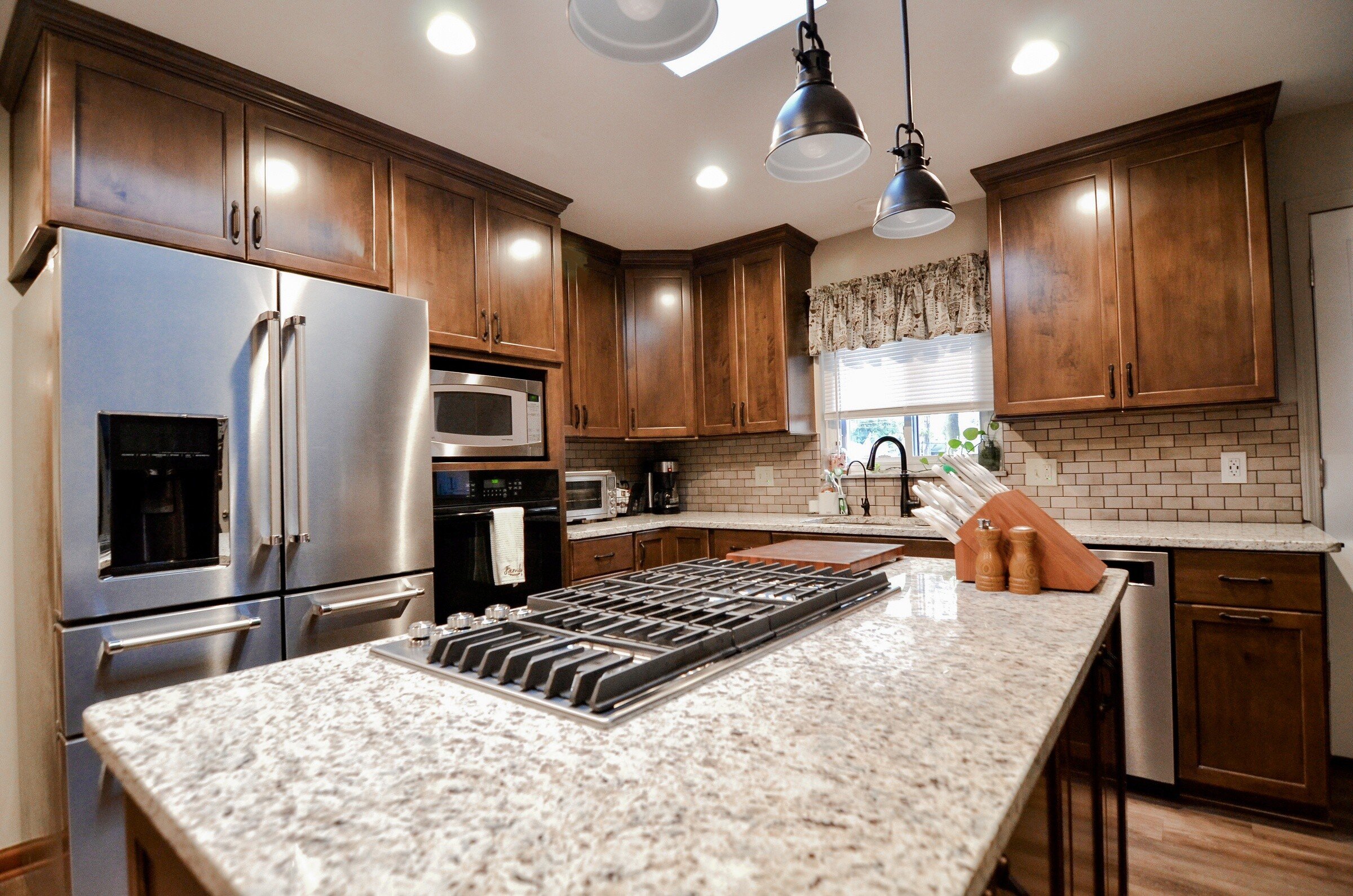
Image Source: www.jsbhomesolutions.com
Figuring Out the Cost of New Counters
The total cost to install new countertops is not just one number. It is made of different parts. Think about what goes into the job.
- You need to buy the new counter material. This is a big part of the cost.
- You need to take out the old counters. This costs money or time.
- You need to cut and shape the new counters. This is called fabrication.
- You need workers to put the new counters in. This is the labor cost.
- You might need other small things, like a new sink or faucet.
All these things add up. Knowing what affects the price helps you plan.
What Makes the Price Go Up or Down?
Many things can change how much you pay for new kitchen counters. Let’s look at the main ones.
Checking Out Different Counter Materials
The material you pick is the biggest cost factor. Some materials cost a lot per square foot. Others cost less.
h4> Countertop Material Prices: What They Are
Here are some common materials and what they might cost. Remember, these are just guide prices. They can be different where you live.
- Laminate: This is the cheapest option. It is made from layers pressed together with a plastic coating. It is easy to clean. But it can scratch or burn. Laminate countertop replacement cost is low.
- Butcher Block: This is made of wood pieces glued together. It looks warm and natural. You can cut on it. But you must seal it often. It can get scratches or water marks. Butcher block countertop cost is in the middle range.
- Solid Surface: This material looks like stone but is made by man. It has no seams you can see. It is easy to clean. It can scratch but you can fix it. It costs more than laminate but less than natural stone or quartz.
- Granite: This is natural stone. Each piece is unique. It is very strong and heat resistant. You must seal it sometimes. The price of granite countertops per square foot can be different for different colors and patterns. Some granite is rare and costs a lot.
- Quartz: This is also made by man. It uses crushed quartz stone and glue. It looks like stone but does not need sealing. It is very strong and easy to clean. Quartz countertop installation cost is often similar to or more than granite.
- Marble: This is natural stone. It looks very nice and fancy. But it is soft and can stain easily. It costs a lot.
- Other Materials: You can also find counters made of concrete, stainless steel, recycled glass, or tile. These have different costs and looks.
h4> A Look at Material Costs Per Square Foot
Here is a simple table showing rough costs per square foot for just the material.
| Material Type | Typical Material Cost Per Square Foot | Notes |
|---|---|---|
| Laminate | $10 – $30 | Cheapest option, many colors/patterns |
| Butcher Block | $20 – $50 | Wood, needs care, warm look |
| Solid Surface | $30 – $60 | Seamless look, easy repair |
| Granite | $40 – $100+ | Natural stone, unique, needs sealing |
| Quartz | $50 – $150+ | Man-made, low care, lots of colors |
| Marble | $50 – $150+ | Natural stone, beautiful, needs lots of care |
| Tile | $5 – $30+ | Material cost is low, but labor adds up |
| Concrete | $60 – $150+ | Made on site or in shop, custom look |
| Stainless Steel | $70 – $200+ | Modern look, good for cooking, can scratch |
Remember, these are just for the material. The total cost will be higher when you add labor and other things.
How Much Counter Space You Have
This is simple: more counter space means you need more material. It also means workers have more to install. Kitchen size matters a lot.
Think about your kitchen shape too. A straight kitchen needs less cutting and seaming than a kitchen with many corners or an island.
The Shape of Your Counters
Simple, straight counters are easier and cheaper to make and put in. Counters with lots of turns, angles, or shapes cost more. An island with a special shape will cost more than a simple rectangle.
Fancy Edge Styles
The edge of your counter is the part you see most often. A simple straight edge costs less. Fancy edges, like bullnose (round), ogee (S-shape), or waterfall (drops down the side of a cabinet), take more work to make. They will add to the cost.
Holes for Sinks and Cooktops
You need holes cut in your new counter for your sink and cooktop. Cutting these holes takes time and special tools, especially for stone or quartz. Each hole adds to the labor cost. If you choose a special sink, like an undermount sink (where the counter edge goes over the sink), it needs more careful cutting and polishing. This costs more than a simple drop-in sink.
Taking Out the Old Counters
Before new counters go in, the old ones must come out. This is called demolition. The cost to remove old kitchen countertops depends on what they are made of and how hard they are to remove.
- Laminate counters are usually easy to take out.
- Tile counters can be harder to remove.
- Stone counters are very heavy and need several people to lift and carry out safely.
Workers will charge for their time to do this. They also have to take the old material away and get rid of it. This can add $150 to $500 or more to your total cost. You could do this yourself to save money, but be careful, especially with heavy or sharp materials.
Labor Cost: The Price for the Work
The labor cost to replace kitchen counters is a big part of the total price. It is often 30% to 50% of the whole job. What does labor include?
- Coming to your house to measure your old counters and cabinets to make a template for the new ones. This must be very exact.
- Cutting and shaping the new material in a workshop (fabrication). This is done based on the template. This takes skilled workers and special machines, especially for stone or quartz.
- Bringing the new counters to your house. Stone and quartz pieces are very heavy and can break. This needs care.
- Putting the new counters in your kitchen. This means lifting the pieces, putting glue on them, joining seams so they look good, and making sure everything fits right.
- Putting in the sink and cooktop (sometimes).
- Cleaning up the work area.
The labor cost is usually charged per hour or as a flat fee for the whole job based on the square footage and material. It can range from $30 to $100 per hour per worker, or $20 to $50 per square foot for the installation part alone.
Other Possible Costs
Sometimes you might need other work done.
- Plumbing: If you get a new sink, a plumber will need to connect the water and drain pipes. This is a separate cost.
- Electrical: If you move a cooktop or add an outlet on an island, you might need an electrician.
- Sink/Faucet: The price of a new sink or faucet is extra.
- Backsplash: If you are also replacing the tile behind the counter (the backsplash), that’s another cost for material and labor.
Average Cost of Kitchen Countertop Replacement
Let’s put it together. The average cost of kitchen countertop replacement is around $2,000 to $4,000. But this covers a big range.
- A small kitchen with simple laminate counters might cost $500 to $1,500.
- A medium kitchen with solid surface or basic granite/quartz might cost $2,000 to $5,000.
- A large kitchen with high-end granite or quartz, fancy edges, and an island could cost $5,000 to $10,000 or more.
The total cost to install new countertops includes everything: taking out the old, buying the new material, cutting it, and putting it in.
Looking Closer at Costs by Material Type
Let’s check the costs again, but this time with installation included. These are just examples. Get local quotes for real prices.
Laminate Countertop Replacement Cost
Laminate is the most budget-friendly option.
* Material Cost: $10 – $30 per square foot
* Labor Cost (Removal, Fabrication, Install): $10 – $30 per square foot
* Total Cost: $20 – $60 per square foot installed
For a typical kitchen (around 30-40 square feet of counter space), laminate replacement might cost $600 to $2,400. It’s a good choice if you need to save money or want a quick update.
Butcher Block Countertop Cost
Butcher block is a warm option.
* Material Cost: $20 – $50 per square foot
* Labor Cost (Removal, Fabrication, Install): $20 – $50 per square foot
* Total Cost: $40 – $100 per square foot installed
A kitchen with 30-40 square feet of butcher block might cost $1,200 to $4,000. You need to oil and seal it often.
Price of Granite Countertops Per Square Foot
Granite is popular and comes from the earth. Prices change a lot based on the granite type.
* Material Cost: $40 – $100+ per square foot
* Labor Cost (Removal, Fabrication, Install): $30 – $60 per square foot
* Total Cost: $70 – $160+ per square foot installed
For 30-40 square feet, basic granite could cost $2,100 to $6,400. High-end granite could be much more. The price of granite countertops per square foot goes up for rare colors.
Quartz Countertop Installation Cost
Quartz is man-made and very strong.
* Material Cost: $50 – $150+ per square foot
* Labor Cost (Removal, Fabrication, Install): $30 – $60 per square foot
* Total Cost: $80 – $210+ per square foot installed
For 30-40 square feet, quartz installation might cost $2,400 to $8,400 or more. Quartz countertop installation cost is often higher than basic granite but can be lower than high-end granite or marble.
Other Material Costs
- Solid Surface: $60 – $120 per square foot installed.
- Marble: $80 – $250+ per square foot installed.
- Concrete: $70 – $180 per square foot installed.
- Stainless Steel: $100 – $250+ per square foot installed.
- Tile: $20 – $60+ per square foot installed (material is cheap, but labor for setting many tiles and grout adds up).
These numbers help show the big difference material makes in the average cost of kitchen countertop replacement.
Breaking Down the Costs: A Simple Example
Let’s imagine a small kitchen with 30 square feet of counter space. We want to replace old laminate with new, basic quartz.
h4> Cost to Remove Old Kitchen Countertops
- Taking out old laminate: $150 – $300
h4> Cost of New Countertops
- New Quartz Material (basic, $50/sq ft): 30 sq ft * $50/sq ft = $1,500
h4> Labor Cost to Replace Kitchen Counters
- Labor (Template, Fabrication, Install @ $40/sq ft): 30 sq ft * $40/sq ft = $1,200
h4> Total Estimated Cost
- Removal: $200 (average)
- Material: $1,500
- Labor: $1,200
- Total: $2,900
This fits within the average cost of kitchen countertop replacement range ($2,000 – $4,000). But remember, changing any part of this – a bigger kitchen, a more expensive quartz, a complex shape, or a fancy edge – would change the total price.
Here is another example for a medium kitchen, 40 square feet, going from old tile to mid-range granite.
- Cost to Remove Old Kitchen Countertops (tile is harder): $300 – $600 ($450 average)
- New Granite Material (mid-range, $70/sq ft): 40 sq ft * $70/sq ft = $2,800
- Labor Cost to Replace Kitchen Counters (stone takes more work, $50/sq ft): 40 sq ft * $50/sq ft = $2,000
- Total: $450 + $2,800 + $2,000 = $5,250
This example shows how factors affecting countertop replacement cost add up.
Figuring Out Your Countertop Area
To get a better idea of your cost, you need to know your counter area.
- Use a tape measure.
- Measure the length and width of each section of your counter.
- Multiply length by width for each section to get its square footage (Length in feet * Width in feet = Square Feet).
- Add up the square footage of all sections.
- For islands, measure the length and width of the top.
- Get the total square feet.
Example:
* Section 1: 8 feet long, 2 feet wide = 16 sq ft
* Section 2: 5 feet long, 2 feet wide = 10 sq ft
* Island: 6 feet long, 3 feet wide = 18 sq ft
* Total Area: 16 + 10 + 18 = 44 square feet
Now you can use this number with the per-square-foot costs to estimate material and labor.
Tips to Save Money on Countertop Replacement
If the cost seems high, here are some ways to save.
- Choose a Cheaper Material: Laminate and butcher block are much cheaper than stone or quartz. Solid surface is a good middle ground. This is the biggest way to save.
- Pick a Simpler Edge: Go with a basic eased or straight edge instead of a fancy one.
- Keep Your Sink and Faucet: If your sink and faucet are in good shape, you might be able to use them again. This saves you the cost of buying new ones and possibly plumbing labor.
- Do the Demolition Yourself: If you are able, safely taking out the old counters can save you $150 – $500 or more on the cost to remove old kitchen countertops. Be careful with heavy materials like stone.
- Buy Material from a Wholesaler: Sometimes you can buy the slab of granite or quartz yourself from a stone yard and then pay a fabricator/installer only for their work. This can sometimes save money, but it takes more effort on your part.
- Use Remnants: For small areas, like a bathroom vanity or a small kitchen island, you might find leftover pieces (remnants) from bigger jobs at a stone yard or fabricator. These are often sold at a lower price per square foot.
- Get Multiple Quotes: Always contact at least three different companies that install countertops. Show them your kitchen layout or measurements. Get a written quote from each. Prices for the same material and job can be very different. This helps you find the best price.
- Think About Tile: While labor for tile can add up, the material itself is very cheap per square foot. If you are good at DIY, tiling yourself can be very low cost.
Saving money means making choices. Think about what is most important to you: the look, the cost, how long it lasts, or how much care it needs.
Doing It Yourself vs. Hiring Pros
Can you replace kitchen counters yourself?
- Laminate: Yes, replacing laminate with new laminate is a job many people can do. You can buy pre-formed sections that are easier to install. You need basic tools.
- Butcher Block: Yes, this is also possible for a handy person. You need good saws to cut it and you must be careful with sealing.
- Solid Surface, Granite, Quartz, Marble, Concrete, Stainless Steel: No, these materials are very hard to work with for most people.
- They are very heavy. Lifting and moving them safely needs several strong people and special equipment.
- They need special tools to cut and shape. Stone and quartz cutting makes a lot of dust and needs water cooling.
- Making seams look good takes a lot of skill and special glue.
- If you break a piece, a whole new piece is very expensive.
For most materials other than laminate or simple butcher block, hiring a professional is almost always needed. The labor cost to replace kitchen counters with stone or quartz includes the special skills and tools needed for fabrication and installation. Trying to do it yourself could cost you more if you make mistakes or hurt yourself.
Professional installers do this work every day. They can handle heavy pieces, cut tricky shapes, make seams almost disappear, and deal with problems that come up.
Finding a Good Countertop Installer
- Ask friends, family, or neighbors for names of companies they used and liked.
- Look for companies online. Check their reviews.
- Look for companies that specialize in the material you want (like a stone yard that also fabricates and installs).
- Ask to see examples of their work.
- Get detailed written quotes from several companies. Make sure the quote includes everything: removal, material, fabrication, installation, edge style, cutouts, and cleanup.
- Check if they are licensed and insured. This protects you if something goes wrong.
- Ask about their timeline. How long will the job take from start to finish?
Getting multiple quotes is important. The cost to install new countertops can vary from one company to another, even for the same material.
The Process of Getting New Counters
What happens when you hire someone?
- First Visit/Estimate: The company comes to your home to look at your kitchen, discuss materials and edge styles, and take basic measurements to give you a first idea of the cost.
- Material Selection: You go to their showroom or a stone yard to pick the exact color and piece of material (especially for granite or marble, where each slab is different).
- Templating: Once you decide and pay a deposit, a worker comes back to make a precise pattern (template) of your cabinets. They use this to cut the stone exactly right. You need to have your sink and cooktop on hand so they can measure them exactly for the cutouts.
- Fabrication: The company cuts and shapes your counter pieces based on the template at their shop. They cut the holes for the sink and cooktop and make the edges.
- Removal: The old counters are taken out, usually right before the new ones are put in. This is the cost to remove old kitchen countertops part.
- Installation: The new counter pieces are brought in and put into place. They are glued down and seams are joined. The sink and cooktop are usually set in place (but not connected by plumbing/electrical unless that’s agreed upon).
- Final Steps: The workers clean up. You check the job. You pay the rest of the cost.
The whole process can take from a few days (for laminate) to 2-3 weeks (for stone or quartz, from templating to installation).
Why Costs Can Differ (More Factors)
We talked about the main factors affecting countertop replacement cost, but here are a few more smaller things:
- Your Location: Costs for materials and labor are different in different parts of the country or even different towns. Cities are usually more expensive than rural areas.
- Time of Year: Sometimes contractors are busier at certain times of the year (like spring and summer). They might charge more or have longer wait times.
- Plumbing/Electrical Work: As mentioned, if you need to move pipes or wires for a new sink or cooktop setup, these extra costs add up.
- Old Cabinet Condition: If your cabinets are not level or strong enough to hold a heavy new counter like stone, they might need repairs or changes. This adds cost.
Thinking about all these factors helps you understand why the average cost of kitchen countertop replacement has such a wide range. The total cost to install new countertops really depends on your specific kitchen and your choices.
Getting Ready for New Counters
Before the installers come:
- Empty your old counters. Take everything off.
- Clear out the cabinets under the sink and cooktop. Workers will need to get in there.
- Clear a path from your door to the kitchen. Heavy counter pieces need room.
- Protect your floors and nearby furniture if the installers don’t do it.
- Arrange for plumbing and electrical disconnect/reconnect if needed.
Being ready helps the job go smoothly and on time.
Is It Worth the Cost?
Replacing kitchen counters is a big expense for most people. Is it worth it?
- Looks: New counters can make your kitchen look much better. This makes you feel happier in your home.
- Use: New counters can be easier to clean or more durable.
- Home Value: Updating your kitchen, including counters, can increase the value of your home if you plan to sell later. Buyers like updated kitchens.
Deciding if it’s worth the cost depends on your budget, how long you plan to live in your home, and how much you want a fresh kitchen look. For many people, the improved look and function are well worth the investment. Getting new counters is one of the top ways to upgrade a kitchen without doing a full remodel.
Remember the average cost of kitchen countertop replacement, but focus on getting specific quotes for your kitchen and the material you like. This will give you the best idea of your real cost.
Frequently Asked Questions (FAQ)
h4> How long does it take to replace kitchen counters?
Taking out the old counters and putting in the new ones usually takes one day. But the whole process, from choosing the material to finishing the job, can take from a few days to 2-3 weeks, mostly depending on how long it takes to make (fabricate) the new counters.
h4> Do I need to replace my sink when I replace counters?
You don’t always need to, but it is often a good time to do it. If you change from a drop-in sink to an undermount sink, you must replace the counter because the hole is cut differently. If you keep your old sink, make sure it is in good shape and works with the new counter material and thickness.
h4> Can I use my kitchen while waiting for new counters?
Once the old counters are removed, your kitchen sink and possibly your cooktop will not work. You might have a few days or a week between removal and installation, especially with stone or quartz. Plan to cook outside or use a different sink during this time.
h4> How much does the labor cost compare to the material cost?
The labor cost to replace kitchen counters is usually a large part of the total price, often 30% to 50%. For some materials, like tile or thin laminate, the labor might cost more than the material itself. For expensive stone slabs, the material cost per square foot might be higher, but the labor for cutting and fitting is still a big expense.
h4> Does the number of seams affect the cost?
Yes. Each seam where two pieces of counter meet takes extra time and skill to make it look good. More seams, especially in complex layouts, can increase the labor cost. Stone and quartz pieces are heavy, so limiting seams is also about making pieces that can be safely carried and installed.
h4> What is included in the Quartz countertop installation cost?
Quartz countertop installation cost usually includes measuring (templating), cutting and shaping the quartz (fabrication), getting the pieces to your home, putting them in place, joining the seams, and cutting holes for your sink and cooktop. It often includes taking away the old counters too, but always ask to be sure.
h4> Is the price of granite countertops per square foot the only cost for granite?
No. The price of granite countertops per square foot is just for the stone slab itself. You must add costs for:
* Taking out old counters.
* Making the template.
* Cutting and shaping the granite (fabrication).
* Polishing edges and sink cutouts.
* Bringing the heavy pieces to your kitchen.
* Putting them in (installation).
* Any sink, faucet, or plumbing work.
The total cost is much higher than just the material price per square foot.
Getting new kitchen counters is a big step that can change the heart of your home. Knowing the costs and what goes into them helps you plan your budget and make smart choices. Get quotes, compare materials, and get ready to enjoy your updated kitchen!