How much weight can kitchen cabinets hold safely? This is a common question for many homeowners. The simple answer is that it varies greatly. Most wall cabinets can safely hold between 50 and 100 pounds per linear foot. Base cabinets, which sit on the floor, can hold much more weight because they are supported from below. Their capacity often depends more on the strength of the shelves inside. Understanding these limits helps keep your kitchen safe and your cabinets from failing.
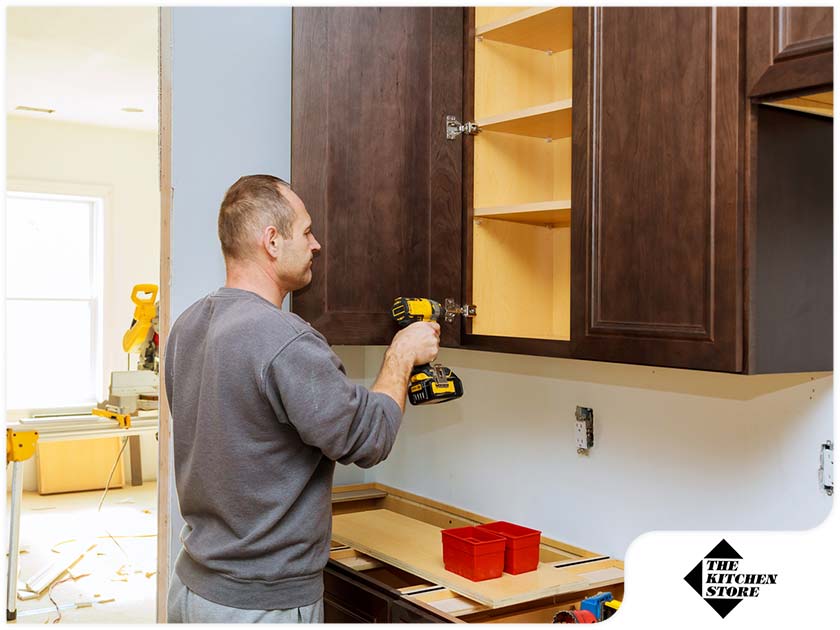
Image Source: www.thekitchenstore.net
Grasping Kitchen Cabinet Strength
Knowing the kitchen cabinet weight capacity is key. It stops accidents. It protects your kitchen. Cabinets hold many things. Dishes, glasses, food, small tools. Heavy items need strong cabinets.
The weight limit is not a single number for all cabinets. It changes based on many things. These things include how the cabinet was made. They include what materials were used. They include how the cabinet is put up.
Things That Change Weight Limits
Many things affect how much weight a cabinet can hold.
Materials Used
Cabinets are made from different materials. The material greatly affects strength.
- Solid Wood: Strongest choice. Holds weight very well. Lasts a long time.
- Plywood: Very strong too. Made of thin wood layers glued together. Holds screws well. Good for shelves and cabinet boxes.
- Particleboard: Made from wood chips and glue. Not as strong as solid wood or plywood. Can break if it gets wet. Does not hold screws as tightly. Holds less weight than plywood.
- MDF (Medium-Density Fiberboard): Made from wood fibers and glue. Smooth surface. Heavier than particleboard. Stronger than particleboard but not as strong as plywood. Does not hold screws as well as wood or plywood. Swells if it gets wet.
A cabinet made mostly of plywood will hold more weight than one made of particleboard. This is a key difference impacting standard kitchen cabinet weight limit.
How the Cabinet Was Built
How parts are joined matters. Stronger joints mean a stronger cabinet.
- Dovetail Joints: Very strong. Often used for drawers.
- Mortise and Tenon: Also very strong. Wood pieces fit together.
- Dado and Rabbet: Wood pieces fit into grooves. Strong when glued well.
- Butt Joints: Simplest joint. Wood ends meet. Needs screws or nails and glue to be strong.
Good glue is important too. Strong glue makes joints hold better. Screws hold better than nails for strength.
How the Cabinet Is Put Up
This is super important for wall cabinet weight limit. How the cabinet is fixed to the wall decides if it stays up.
- Fixing to Studs: Wall studs are strong wood parts inside the wall. Cabinets must be screwed into these studs. This is the best way to hang heavy things. It spreads the weight to the house frame.
- Using Anchors: If you cannot hit a stud, you might use wall anchors. But anchors are not as strong as studs. They should only be used for lighter loads. Heavy cabinets must be fixed to studs.
- Number of Screws: Using enough screws matters. Screws should go through the cabinet back and into the studs. More screws spread the weight.
- Level and Square: Cabinets must be hung level and square. If they twist or tilt, it puts stress on the joints and screws. This can make them fail over time.
Poor installation is a main reason cabinets fall. Even a strong cabinet can fail if not hung right. Knowing how to hang heavy kitchen cabinets the right way is vital.
Type of Cabinet
Base cabinets and wall cabinets hold weight differently.
- Base Cabinets: Sit on the floor. Their weight goes down to the floor. They can hold very heavy items inside. The strength limit is mostly about the shelves inside.
- Wall (Upper) Cabinets: Hang on the wall. All their weight pulls down on the screws and the wall structure. These have a much lower weight limit than base cabinets. The upper cabinet load capacity is a major safety point.
Specific Cabinet Weight Limits
Let’s look at typical weight limits for different cabinet types. Remember, these are general guides. Actual limits can be lower or higher.
Wall Cabinet Weight Limit
Wall cabinets hang high up. They must hold themselves and their contents against gravity.
- Typical Range: 50 to 100 pounds per linear foot.
- What this means: A cabinet 2 feet wide might hold 100 to 200 pounds total. A cabinet 3 feet wide might hold 150 to 300 pounds total.
- Factors influencing this:
- Cabinet Material: Plywood boxes hold more than particleboard boxes.
- Back Panel: A thick plywood back panel is best. It helps connect to the wall studs strongly. Thin particleboard backs are not as good for support.
- Installation: Are screws going into studs? How many screws? Are they spaced well? This is the biggest factor for wall cabinet failure.
- Weight Distribution: Putting heavy items near the sides where the cabinet is screwed into studs helps. Don’t pile all the weight in the middle.
The wall cabinet weight limit is the most important one to watch for safety. Falling upper cabinets cause serious harm.
Base Cabinet Weight Capacity
Base cabinets rest on the floor. They are very stable.
- Overall Strength: The main box can hold a huge amount of weight from above (like a countertop). The limit is rarely about the box failing downwards.
- Internal Limit: The weight capacity of kitchen cabinet shelves inside base cabinets is the main concern.
- What they hold: Heavy pots, pans, small appliances, canned goods.
Shelf Weight Capacity Kitchen Cabinets
Shelves inside cabinets hold the actual items. Their strength is key for both base and wall cabinets.
- Typical Range: 15 to 35 pounds per square foot is a common guide for adjustable shelves. Fixed shelves (built into the cabinet) can often hold more.
- Factors influencing this:
- Shelf Material:
- Plywood: Very strong. ¼ inch thick is okay for light loads. ½ inch or ¾ inch is much better for heavy items.
- Particleboard/MDF: Weaker than plywood. ¼ inch will sag quickly. ½ inch or ¾ inch is needed, but can still sag over time, especially if wet. Often used in cheaper cabinets.
- Solid Wood: Very strong. Thick solid wood shelves hold a lot.
- Shelf Thickness: Thicker shelves hold more weight.
- Shelf Depth: Deeper shelves can hold more weight overall, but the weight is spread out. A narrow shelf might hold more per linear inch if it’s thick.
- Shelf Width (Span): This is critical. The wider the shelf is between supports (like the cabinet sides or shelf clips), the less weight it can hold before bending or breaking. A 3-foot wide shelf will hold much less than a 1-foot wide shelf of the same material and thickness.
- Shelf Supports:
- Shelf Clips (Pegs): Small metal or plastic pegs fit into holes. The number and strength of clips matter. Using 4 clips per shelf is standard and better than 2.
- Cleats: A strip of wood fixed to the cabinet side that the shelf rests on. Very strong support, often used for fixed shelves.
- Full-Length Supports: The shelf slides into grooves or rests on supports along its whole length. Very strong.
- Load Type: Weight spread evenly is best. Heavy items placed only in the middle of a wide shelf will cause it to sag faster than the same weight spread out.
- Shelf Material:
Knowing the maximum load for kitchen shelves means you don’t overload a single shelf, even if the cabinet box itself is strong. Putting heavy cans or stacks of plates on a thin, wide particleboard shelf is risky.
Plywood vs Particleboard Cabinet Strength
This is a common question when buying cabinets. Does the material really make that big a difference? Yes, it does, especially for long-term use and weight capacity.
- Plywood:
- Made of thin wood layers (veneers) glued criss-cross.
- Stronger per inch than particleboard.
- Holds screws much better. Screws are less likely to pull out.
- More stable. Less likely to warp or sag, especially in changing humidity.
- Much more resistant to water damage. Water can cause particleboard to swell and crumble.
- Costs more than particleboard.
- Particleboard:
- Made from wood scraps, chips, and sawdust glued under pressure.
- Not as strong as plywood.
- Screws do not hold as tightly and can loosen or strip the hole more easily.
- Prone to sagging over time, especially under weight or if moisture is present.
- Very vulnerable to water. Absorbs water easily and swells, losing all strength.
- Less expensive than plywood.
- Often has a laminate or veneer coating.
For cabinet boxes and especially shelves, plywood vs particleboard cabinet strength means plywood cabinets have a higher kitchen cabinet weight capacity. They are more durable and better suited for holding significant weight over many years. Particleboard is often used in lower-cost cabinets. They can be fine for lighter loads or in base cabinets where the floor takes the weight, but their shelves and overall structure are not as robust.
Interpreting Standard Kitchen Cabinet Weight Limit
There isn’t one official standard weight limit that all cabinets must meet. Different manufacturers will rate their cabinets differently based on their construction.
- High-End Cabinets: Often use mostly plywood boxes and shelves. These will have higher weight limits, likely hitting the 75-100 pounds per linear foot range for uppers and offering strong shelves.
- Mid-Range Cabinets: Might use a mix – plywood boxes with particleboard shelves, or particleboard boxes with plywood fronts. Their capacity will be somewhere in the middle.
- Budget Cabinets: Often use particleboard for boxes and shelves. Their limits will be lower, possibly closer to the 50 pounds per linear foot range for uppers, and their shelves will sag more easily.
Look for product specifications from the manufacturer if possible. They might list tested weight limits. If not, assume the lower end of the typical range (50 lbs/linear foot for uppers) for safety, especially for cabinets made of particleboard.
How to Hang Heavy Kitchen Cabinets Safely
Proper installation is key to achieving the full upper cabinet load capacity and preventing disaster. Even the strongest cabinet material will fail if not hung correctly.
Here are the main steps for how to hang heavy kitchen cabinets safely:
- Find the Studs: This is the most important step. Use a good stud finder. Mark the center of each wall stud where the cabinets will hang. Wall studs are usually spaced 16 or 24 inches apart.
- Draw a Level Line: Use a level to draw a straight, level line on the wall where the bottom of the cabinets will sit. This ensures all cabinets hang straight and line up.
- Use a Ledger Board (Optional but Recommended): Screw a temporary, straight piece of wood (like a 1×3 or 1×4) to the wall, with its top edge on your level line. Make sure it’s screwed into studs. This board acts as a temporary shelf to rest the cabinet on while you work, making it much easier and safer, especially for heavy cabinets.
- Lift the Cabinet: With help from another person, lift the first cabinet onto the ledger board. Hold it in place.
- Drill Pilot Holes: Drill holes through the thick hanging rail at the back of the cabinet, aiming for the center of the studs you marked. Use a drill bit slightly smaller than your screw thickness.
- Screw to Studs: Drive strong cabinet screws through the pilot holes and into the wall studs. Use screws long enough to go through the cabinet back, drywall, and well into the stud (at least 1.5 inches into the stud).
- Use Enough Screws: Use at least two screws per stud that the cabinet crosses. For heavier cabinets, use more screws. Don’t rely on just one screw per stud.
- Check for Plumb and Level: Use a level to check if the cabinet is straight up-and-down (plumb) and side-to-side (level). Use shims (small pieces of wood) behind the cabinet frame where needed to make it perfectly straight before tightening the screws fully.
- Connect Adjacent Cabinets: If hanging multiple cabinets, connect them to each other using cabinet connection screws through the face frames after they are screwed to the wall studs. This makes the whole run of cabinets stronger as a unit.
- Repeat: Continue with the next cabinets. Always screw into studs.
- Remove Ledger Board: Once all wall cabinets are hung and secured to studs and each other, remove the temporary ledger board.
Skipping the stud-finding or using only wall anchors (that don’t go into studs) for heavy wall cabinets is dangerous. Always screw into the studs.
Strengthening Existing Kitchen Cabinets
Maybe your cabinets are older or made of weaker materials. You might want to increase their kitchen cabinet weight capacity. Here are some ways to how to strengthen kitchen cabinets:
- Strengthen Shelf Supports:
- Replace weak plastic shelf clips with strong metal ones.
- Add more shelf clips along the back edge of the shelf for extra support, especially for wide shelves.
- Install wooden cleats (strips) on the sides of the cabinet for shelves to rest on. This is stronger than clips.
- Replace Shelves:
- If shelves are sagging (likely particleboard), replace them with thicker plywood (¾ inch is best for strength). Cut new shelves to fit.
- Add Center Supports for Wide Shelves:
- For shelves wider than 30-36 inches, add a vertical support piece under the middle of the shelf, going down to the cabinet bottom or a shelf below. This stops sagging.
- Reinforce Cabinet Backs (Wall Cabinets):
- If the cabinet back is thin, you can screw a piece of thicker plywood to the inside of the back panel. This makes it stronger where you screw into the wall studs.
- Add Nailing Blocks (Wall Cabinets):
- Screw wood blocks inside the top and bottom back corners of wall cabinets if they are missing a solid hanging rail. This gives you a thick area to screw into studs.
- Check Wall Screws:
- If wall cabinets feel shaky, check the screws holding them to the wall. Are they long enough? Are they in studs? Add more screws into studs if needed. If you missed studs initially, you might need to move items out, potentially take the cabinet down (carefully!), find studs, and rehang it correctly.
- Reinforce Joints:
- If cabinet joints feel loose, you can add screws or angle brackets to reinforce them. This is harder and may require emptying the cabinet.
Simple steps like changing shelf materials or adding supports can greatly increase the maximum load for kitchen shelves and the overall usefulness of the cabinet.
Signs Your Cabinets Are Overloaded
Your cabinets will often tell you if they are holding too much weight. Pay attention to these signs:
- Sagging Shelves: This is the most common sign of overloaded weight capacity of kitchen cabinet shelves. The shelf bows down in the middle. This is a clear warning that the shelf might break. Particleboard shelves sag easily.
- Cabinet Box Warping: The sides or bottom of the cabinet box might start to bow out. This is less common than shelf sag for base cabinets but can happen if contents are excessively heavy.
- Cabinet Pulling Away from Wall (Wall Cabinets): This is very serious. You might see gaps between the back of the cabinet and the wall. Screws might be visible pulling out of the wall. This means the installation is failing or the back of the cabinet is breaking.
- Loose or Cracked Joints: The places where the cabinet pieces connect might show gaps or cracks. This means the structure is weakening.
- Doors Don’t Close Right: If the cabinet box is warping or tilting, the doors might not line up or close properly.
- Squeaking or Groaning Sounds: Cabinets under stress might make noises when you open doors or put things in.
If you see any of these signs, remove the heavy items immediately. Figure out if the problem is the shelf, the cabinet box, or the installation. Then fix it. Ignoring these signs can lead to cabinet failure, damage to contents, and possible injury.
Safety Tips and Best Practices
- Know Your Cabinets: If possible, find out what materials they are made from. This helps you guess their strength.
- Heavy Items Down Low: Store your heaviest items (cast iron pots, stacks of heavy plates, cans) in base cabinets. The floor supports the weight.
- Lighter Items Up High: Wall cabinets are best for lighter items like glasses, mugs, small bowls, spices.
- Distribute Weight: Spread weight out on shelves and inside cabinets. Don’t stack all the heaviest items in one small spot, especially in the middle of a wide shelf or cabinet.
- Don’t Overfill: Don’t cram cabinets so full that they are bulging or shelves are bending.
- Check Regularly: Look at your shelves now and then. Are they starting to sag? Check wall cabinets visually to see if they are tight against the wall.
- Proper Installation is Key: If installing new cabinets or rehanging old ones, always screw into wall studs. Use appropriate screws.
- Use Strong Shelving: If your shelves are weak, upgrade them to thicker plywood.
- Consider Weight: Before putting something heavy in a cabinet, think about its weight. Is this item better stored in a base cabinet or pantry?
By following these tips, you can make sure your cabinets hold weight safely and last longer. Overloading cabinets is a common mistake that can be easily avoided.
Frequently Asked Questions (FAQ)
h4: How much weight can a standard kitchen cabinet shelf hold?
A standard adjustable kitchen cabinet shelf, especially if made of particleboard, might hold between 15 to 35 pounds per square foot. A thick plywood shelf can hold significantly more, perhaps 50 to 100 pounds per square foot or more, depending on its width and support. Wide shelves hold less weight than narrow ones before bending.
h4: Can particleboard cabinets hold heavy dishes?
Particleboard cabinets can hold heavy dishes, but their shelves are prone to sagging, especially if the dishes are stacked high or cover a wide shelf. It’s safer to store heavy dishes on thicker plywood shelves or in base cabinets.
h4: What is the difference between wall cabinet weight limit and base cabinet weight capacity?
Wall cabinets hang on the wall, so their limit is about the strength of the connection to the wall studs and the cabinet box’s ability to hold weight without breaking or pulling away. Base cabinets sit on the floor, so their main limit is the strength of the internal shelves, as the cabinet box itself is fully supported from below.
h4: How can I tell if my kitchen cabinets are made of plywood or particleboard?
Look at the edges of the cabinet box and shelves. Plywood edges show distinct layers of wood veneer. Particleboard edges look like compressed wood chips or sawdust. Often, the edges are covered with a band (edge banding), but you might find an exposed edge somewhere, like the top edge of a wall cabinet before installation, or cutouts for plumbing in base cabinets.
h4: Is it safe to put a microwave in an upper kitchen cabinet?
It depends greatly on the cabinet’s construction and installation. Microwaves are heavy. Putting a microwave in an upper cabinet requires a cabinet specifically designed and reinforced for that purpose (like an over-the-range microwave cabinet or a deep, strong upper cabinet with a reinforced shelf). A standard upper cabinet may not be strong enough, especially its shelf. Check the manufacturer’s guide for the specific cabinet. It’s often safer to place microwaves on countertops or in base cabinets.
h4: My shelves are sagging. What should I do?
Immediately remove the heavy items from the sagging shelf. The shelf is overloaded and at risk of breaking. You can try to flip the shelf over (though it might still sag later). The best solution is to replace the sagging shelf with a thicker, stronger material, like ¾ inch plywood. You should also check the shelf supports; replace weak plastic clips with metal ones or add more clips. For wide shelves, add a center support.
h4: How important is it to screw wall cabinets into studs?
It is extremely important. Wall studs provide the necessary strength in the wall frame to hold the weight of the cabinet and its contents. Relying only on drywall anchors, even heavy-duty ones, for kitchen wall cabinets is risky and likely to fail under load over time. Always locate and screw into studs for safety.
Wrapping Up
Knowing how much weight your kitchen cabinets can hold keeps your kitchen safe. It depends on many things: materials, how they are built, and how they are hung. Wall cabinets hold less than base cabinets. Shelves inside cabinets have their own weight limits, based on what they are made of and how wide they are. By picking strong materials, installing cabinets correctly into wall studs, and not overloading shelves, you can enjoy a safe and working kitchen for many years. Pay attention to signs like sagging shelves. Fix problems early. This guide gives you the main points to help you understand kitchen cabinet weight capacity and keep your home safe.