Image Source: cdn.apartmenttherapy.info
How to Clean Your Wood Kitchen Table Safely & Properly
Can you use soap and water to clean a wood kitchen table? Yes, but only with mild soap and a damp cloth, and you must dry it immediately. This guide will show you the best ways to clean your wood kitchen table safely and properly.
A beautiful wood kitchen table is the heart of many homes. It’s where families gather for meals, homework happens, and memories are made. Keeping it clean and well-maintained is key to its longevity and appearance. But wood is a natural material, and it requires a bit more care than other surfaces. Using the wrong cleaning products or methods can damage the finish, leading to dullness, discoloration, or even permanent harm. This in-depth guide will walk you through everything you need to know about wood kitchen table care, from everyday cleaning to tackling tough stains and even how to restore a wood table. We’ll explore the best wood cleaner options, including natural wood cleaner choices, and discuss essential tips for cleaning wooden surfaces effectively and safely.
Daily Cleaning: Keeping Your Table Tidy
The simplest way to keep your wood table looking its best is through regular, gentle cleaning. This prevents dirt and grime from building up and becoming harder to remove.
Wiping Down After Meals
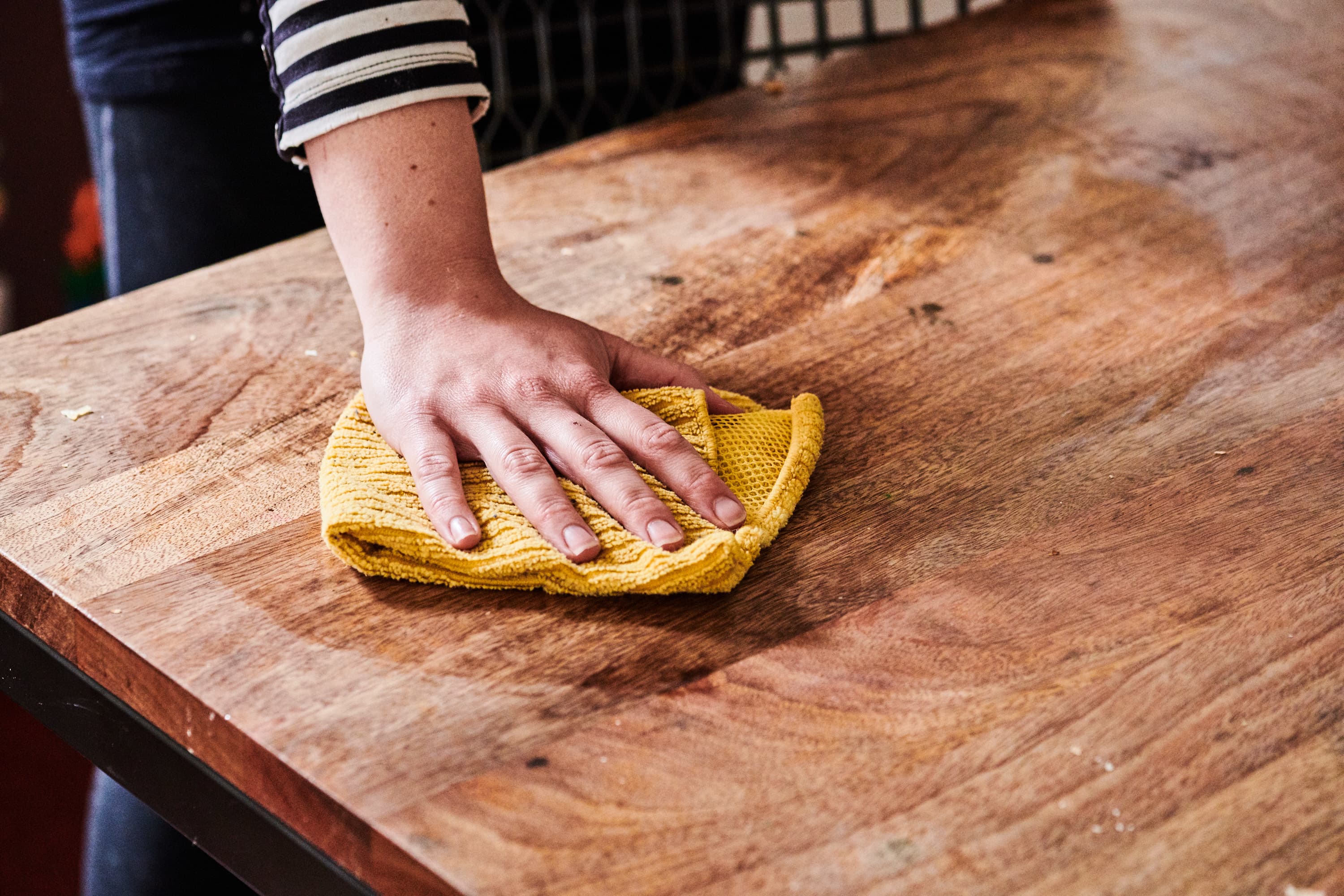
- What to do: After each meal, wipe down the table with a soft, clean cloth. A microfiber cloth is ideal because it’s absorbent and won’t scratch the wood.
- Why it works: This removes crumbs, spills, and food residue before they have a chance to set in or attract pests.
- What to avoid: Never use abrasive sponges, scouring pads, or paper towels, as these can scratch the wood’s finish.
Dealing with Spills Immediately
- What to do: Address spills as soon as they happen. Blot the liquid with a clean, dry cloth. If a sticky residue remains, use a slightly damp cloth with a tiny amount of mild dish soap.
- Why it works: Prompt action prevents liquids from soaking into the wood, which can cause staining or warping.
- Important note: Always follow up by wiping the area with a dry cloth to remove any excess moisture.
Deep Cleaning: Refreshing Your Wood Table
Beyond daily tidying, periodic deep cleaning is necessary to remove accumulated dirt and maintain the table’s shine. This is where choosing the right wood table cleaner becomes important.
Choosing Your Wood Table Cleaner
When selecting a wood cleaner, it’s crucial to consider the type of finish your table has. Most modern wood tables have a sealed finish (like polyurethane or varnish), which is more durable. Older tables might have an oil or wax finish, which requires gentler methods.
- For sealed finishes: Most general-purpose wood cleaners are safe. A mild solution of dish soap and water is often sufficient.
- For unsealed or oiled/waxed finishes: Opt for specialized natural wood cleaner products designed for these finishes, or a very diluted solution of mild soap. Always test in an inconspicuous area first.
The Mild Soap and Water Method
This is a go-to method for most sealed wood tables.
- Preparation: Mix a few drops of mild dish soap (like Dawn) into a bowl of warm water. Avoid harsh detergents or abrasive cleaners.
- Dampen, Don’t Soak: Dip a soft cloth into the soapy water and wring it out thoroughly. The cloth should be damp, not wet. Excess water is the enemy of wood.
- Wipe Down: Gently wipe the surface of the table, working in the direction of the wood grain. Don’t scrub.
- Rinse (Carefully): If you used soap, wipe the table again with a clean cloth dampened with plain water to remove any soap residue. Again, ensure the cloth is only slightly damp and wring it out well.
- Dry Thoroughly: Immediately dry the table with a clean, dry microfiber cloth. Ensure no moisture is left on the surface.
Using a Dedicated Wood Furniture Cleaner
There are many excellent commercial wood furniture cleaner products available.
- How to use: Follow the product’s instructions carefully. Typically, you spray the cleaner onto a soft cloth, not directly onto the table, and then wipe the surface.
- Benefits: These cleaners are formulated to be safe for wood finishes and often contain ingredients that help to nourish and protect the wood.
Exploring Natural Wood Cleaner Options
For those who prefer a chemical-free approach, several natural options work well for cleaning wooden surfaces.
- Vinegar Solution: Mix equal parts white vinegar and water. Vinegar is acidic and can help cut through grease and grime.
- Caution: Use this sparingly and always ensure you dry the table thoroughly afterward, as prolonged exposure to acid can damage some finishes. It’s best for tougher spots on sealed finishes.
- Lemon Juice and Olive Oil: For a gentle polish and cleaner, mix a 1:2 ratio of lemon juice to olive oil.
- How to use: Apply to a cloth and rub into the wood. This can help lift dirt and add a slight sheen. Wipe away excess with a clean cloth. This is particularly good for reviving dull finishes.
Removing Stains from Your Wood Table
Stains are a common problem for kitchen tables. Different types of stains require different approaches for removing stains from wood table.
Water Rings and Heat Marks
These usually appear as white rings or cloudy spots on the surface.
- The Baking Soda Paste Method:
- Mix baking soda with a little water to form a paste.
- Gently rub the paste onto the stain with a soft cloth, following the wood grain.
- Wipe clean with a damp cloth and dry thoroughly.
- The Toothpaste Method (Non-Gel White Toothpaste):
- Apply a small amount of non-gel white toothpaste to the stain.
- Gently rub with a soft cloth in the direction of the grain.
- Wipe clean with a damp cloth and dry immediately.
- The Iron Method (for White Marks):
- Place a clean, dry cloth or a paper towel over the stain.
- Set an iron to a low, dry setting (no steam).
- Briefly press the iron onto the cloth over the stain. Lift the iron and cloth to check. Repeat if necessary, allowing the wood to cool between applications.
- This method works by gently drawing the moisture out of the finish.
Grease and Oil Stains
- The Cornstarch or Baking Soda Method:
- Sprinkle cornstarch or baking soda generously over the fresh grease stain.
- Let it sit for several hours, or overnight, to absorb the oil.
- Gently brush away the powder and wipe the area clean with a slightly damp cloth. Dry immediately.
- For tougher grease stains: A few drops of mild dish soap on a damp cloth can help break down the grease. Rinse and dry thoroughly.
Ink or Food Stains
- Mild Soap and Water: Start with the basic soap and water method described earlier.
- Rubbing Alcohol (Isopropyl Alcohol): For stubborn ink stains, you can try a small amount of rubbing alcohol.
- Dip a cotton swab or the corner of a soft cloth in rubbing alcohol.
- Gently dab the stain. Work from the outside of the stain inward to avoid spreading it.
- Wipe the area with a clean, damp cloth and dry thoroughly. Test this in an inconspicuous area first, as alcohol can sometimes affect certain finishes.
Dark Stains or Scratches
Dark stains might indicate that the finish has been compromised and the stain has penetrated the wood itself. Light scratches can often be buffed out.
- For light scratches: You can try specialized scratch repair products or even furniture polish. Sometimes, rubbing a walnut or pecan meat over a light scratch can also help disguise it.
- For deep scratches or dark stains: These might require more involved refinishing or restoration. If you’re unsure, consult a professional furniture restorer.
How to Polish a Wood Table
Polishing adds a protective layer and enhances the luster of your wood table. It’s a crucial part of wood kitchen table care.
Choosing a Polish
- Paste Wax: This is an excellent choice for providing a durable, protective, and lustrous finish. Look for paste wax specifically designed for furniture.
- Liquid Polish: Many furniture polishes are available. Choose one that is designed for wood and free from silicone, as silicone can build up over time and make future refinishing difficult.
- Natural Options: As mentioned earlier, a mixture of lemon juice and olive oil can provide a gentle, natural polish.
The Polishing Process
- Ensure the Table is Clean: Polish only on a clean surface. Dust or debris can be trapped under the polish, creating a dull finish.
- Apply Sparingly: Apply a small amount of polish to a clean, soft cloth. Never spray polish directly onto the wood.
- Rub In: Rub the polish onto the wood surface in a thin, even layer, following the direction of the wood grain.
- Buff: Let the polish sit for a few minutes (check product instructions), then use a separate clean, dry cloth to buff the surface until it shines.
- Frequency: Polish your table every 3-6 months, or as needed, to maintain its protection and appearance.
How to Restore a Wood Table
If your wood table has significant damage, like deep scratches, fading, or a dull, worn finish, you might need to consider restoration. This can range from simple touch-ups to a full refinishing.
Minor Restoration: Touch-Ups and Buffing
- Filling Small Scratches: For minor scratches, you can use wood filler pencils or crayons in a matching color.
- Rubbing Compound: For removing minor scuffs and dullness, a fine-grit rubbing compound (specifically for wood finishes) can sometimes revive the surface. Always test in a hidden spot first and follow with a polish.
Major Restoration: Refinishing
Refinishing involves removing the old finish and applying a new one. This is a more involved process.
- Step 1: Stripping the Old Finish:
- Use a chemical paint and varnish remover or a sanding block.
- If using chemicals, work in a well-ventilated area and wear protective gear (gloves, eye protection). Apply the stripper, let it work, and then scrape off the old finish with a plastic scraper.
- If sanding, start with a medium-grit sandpaper (e.g., 120-grit) and work your way up to finer grits (e.g., 220-grit) until all the old finish is removed and the wood is smooth.
- Step 2: Sanding:
- After stripping or if you’re just sanding down to bare wood, sand the entire table surface smooth. Always sand in the direction of the wood grain.
- Begin with a coarser grit (like 120 or 150) if there are imperfections, and finish with a finer grit (like 220).
- Wipe away all dust with a tack cloth or a slightly damp cloth.
- Step 3: Staining (Optional):
- If you want to change the color or even out the tone, apply wood stain.
- Apply stain with a cloth or brush, working in the direction of the grain. Wipe off excess stain with a clean cloth after the recommended time (check stain instructions).
- Step 4: Applying a New Finish:
- This is the most critical step for protecting your wood kitchen table. Common finishes include polyurethane, varnish, lacquer, or oil. Polyurethane is very durable and a good choice for kitchen tables.
- Apply thin, even coats using a high-quality brush or foam applicator.
- Allow each coat to dry completely according to the product instructions.
- Lightly sand between coats with very fine-grit sandpaper (e.g., 320 or 400 grit) and wipe away dust. This creates a smoother final finish.
- Apply at least two to three coats for good protection.
Protecting Your Wood Kitchen Table
Prevention is key to wood kitchen table care. Simple habits can extend the life and beauty of your table.
Using Coasters and Trivets
- Why: These protect the wood from moisture rings, heat damage, and scratches from mugs and hot dishes.
- What to use: Cork, felt, or wooden coasters and trivets are excellent choices.
Using Placemats and Tablecloths
- Why: Placemats and tablecloths provide a barrier against spills, scratches, and general wear and tear during everyday use.
- Consideration: For everyday use, durable vinyl or oilcloth placemats can be very practical. For special occasions, fabric options are lovely.
Avoiding Harsh Chemicals
- What to avoid: Never use abrasive cleaners, ammonia-based cleaners, bleach, or excessive amounts of water. These can strip the finish, discolor the wood, or cause irreparable damage.
Proper Placement
- Sunlight: Avoid placing your wood table in direct sunlight for extended periods, as UV rays can cause fading and drying.
- Heat Sources: Keep tables away from radiators or heating vents, as extreme heat can dry out and crack the wood.
Regular Maintenance
- Dusting: Dust your table regularly with a soft, dry cloth.
- Checking the Finish: Periodically inspect the finish for any signs of wear or damage, and address them promptly.
Specific Wood Types and Their Care
While the general principles apply to most wood tables, some wood types have specific needs.
- Oak: Durable and often features prominent grain patterns. Generally handles moisture better than softer woods, but still requires prompt drying.
- Maple: A hard wood known for its smooth, dense grain. Resists scratches well but can be prone to water stains if not sealed properly.
- Pine: A softer wood that is more susceptible to dents and scratches. It’s also more porous, meaning spills can penetrate more easily if not wiped up quickly. It often has a more rustic charm.
- Mahogany/Cherry: These woods are known for their rich color and beauty. They can be more sensitive to sunlight and may require more frequent polishing to maintain their luster.
Table of Common Wood Kitchen Table Issues and Solutions
| Issue | Cause | Solution |
|---|---|---|
| White Rings/Marks | Moisture trapped in the finish | Baking soda paste, toothpaste (non-gel), or careful application of low heat (iron method). |
| Dark Stains | Spills soaked into wood, mold/mildew | For surface stains: mild soap, or a diluted vinegar solution. For deep stains: may require sanding and refinishing. |
| Scratches (light) | Daily wear, moving objects | Walnut/pecan rubbing, furniture polish, scratch repair sticks. |
| Scratches (deep) | Sharp objects, heavy impact | Wood filler, sanding and refinishing. |
| Grease Stains | Food spills | Cornstarch or baking soda to absorb; mild dish soap for tougher stains. |
| Dull Finish | Lack of polish, residue buildup | Clean thoroughly, then polish with paste wax or appropriate furniture polish. |
| Fading | Prolonged sun exposure | Move table away from direct sun, use protective coverings, or consider refinishing with UV-protective topcoat. |
| Sticky Residue | Sugary spills, certain cleaning products | Wipe with a slightly damp cloth, followed by a dry cloth. If stubborn, use a very mild soap solution and dry thoroughly. |
| Water Damage/Warping | Prolonged exposure to moisture | Minor warping might correct itself once dried. Severe warping may require professional assessment or repair. Prompt drying is crucial. |
Frequently Asked Questions (FAQ)
Q1: Can I use all-purpose cleaners on my wood kitchen table?
A1: It’s generally not recommended. All-purpose cleaners can be too harsh for wood finishes, potentially stripping the sealant, causing dullness, or even damaging the wood itself. Stick to cleaners specifically designed for wood or mild soap and water.
Q2: How often should I polish my wood table?
A2: Most wood tables benefit from polishing every 3 to 6 months. However, if you notice the finish looking dull or dry, you can polish it more frequently.
Q3: Is it safe to use baby wipes to clean my wood table?
A3: Baby wipes can contain alcohol or other chemicals that might not be suitable for wood finishes. It’s best to avoid them and use a damp cloth with mild soap or a dedicated wood cleaner.
Q4: What should I do if I spill nail polish remover on my table?
A4: Nail polish remover is typically acetone-based and is a powerful solvent that will likely remove the finish. If it’s a fresh spill, blot it immediately and then clean with a mild soap and water solution, drying thoroughly. For dried spills, you may need to touch up or refinish the affected area.
Q5: My table has a sticky film. What’s the best way to remove it?
A5: A sticky film is often caused by residue from sprays or too much polish. Try wiping the table with a cloth dampened with a solution of equal parts water and white vinegar. This should help break down the sticky residue. Follow up by wiping with a clean, damp cloth and then dry thoroughly.
By following these guidelines, you can ensure your wood kitchen table remains a beautiful and functional centerpiece in your home for years to come. Regular, gentle care and the right cleaning products are your best tools for wood kitchen table care and longevity.