Can you put out a small kitchen fire yourself? Yes, if it’s small and contained, and you have the right tools and knowledge. However, always prioritize your safety and the safety of others. If a fire is spreading rapidly, is too large to manage, or you feel unsafe, evacuate immediately and call emergency services.
Kitchen fires are a common household hazard, but knowing how to react can make all the difference. Fires can start in many places within a kitchen, from a forgotten pot on the stove to a malfunction in the oven. This guide provides clear, actionable steps to help you tackle a kitchen fire safely and effectively, covering everything from a small grease fire to a more concerning oven fire. Kitchen fire safety is paramount, and preparedness is key to safe fire removal.
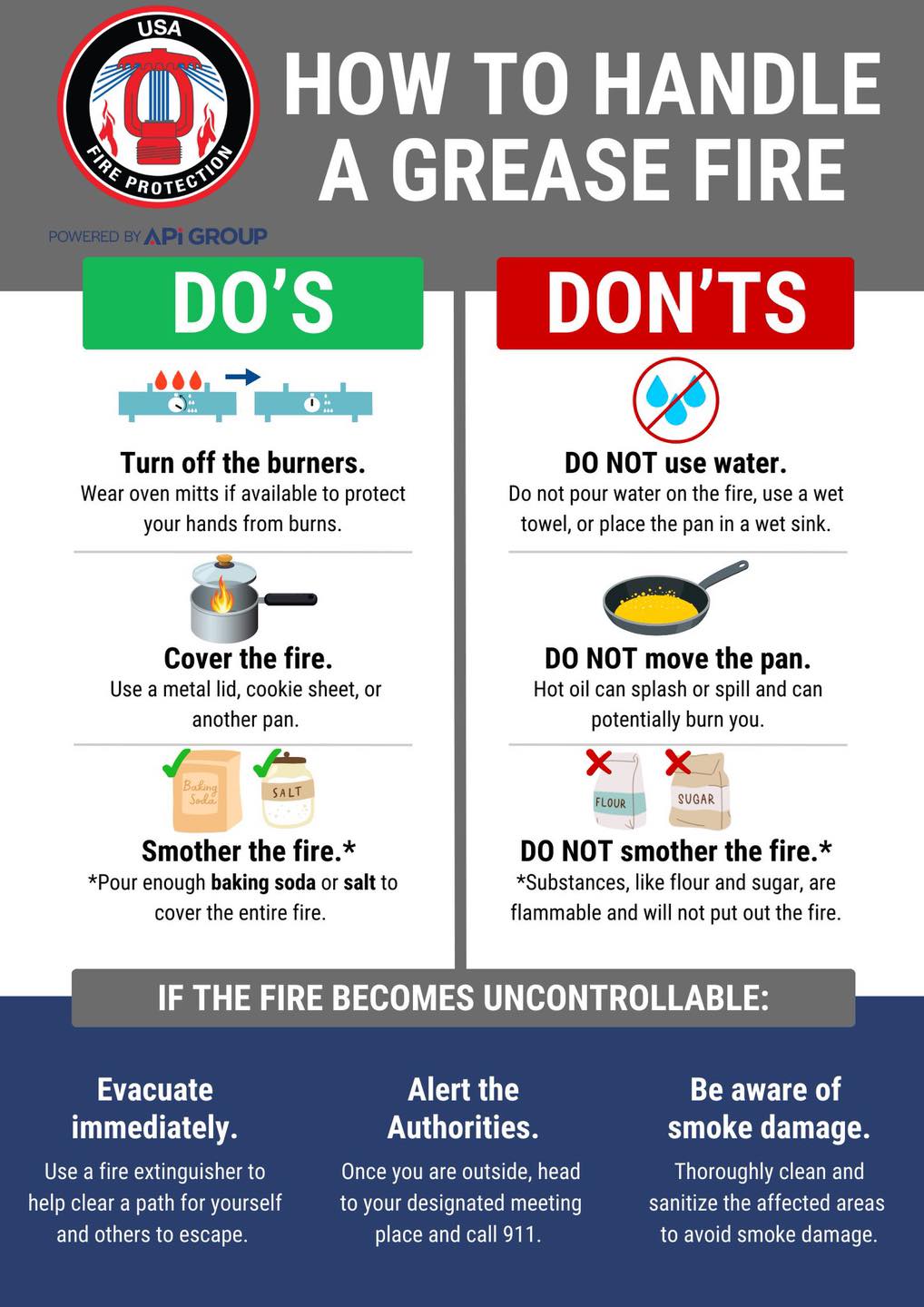
Image Source: www.houmatimes.com
Identifying Fire Hazards in Your Kitchen
Before we dive into extinguishing techniques, it’s crucial to recognize what causes kitchen fires. Understanding these common culprits helps in prevention and quick identification of a developing blaze.
Common Causes of Kitchen Fires:
- Unattended Cooking: This is the leading cause of kitchen fires. Leaving cooking food unattended, especially when frying, grilling, or broiling, can quickly lead to a fire.
- Flammable Materials Near Heat: Placing dishcloths, oven mitts, paper towels, or curtains too close to a stovetop or other heat sources can ignite them.
- Grease Buildup: Accumulated grease on stovetops, in ovens, or in exhaust vents is highly flammable and can easily catch fire.
- Electrical Malfunctions: Faulty wiring, damaged cords, or overloaded outlets can spark and ignite nearby materials.
- Children Playing with Fire: Matches or lighters left within reach of children can lead to accidental fires.
- Open Flames: Candles left burning unattended can be a fire hazard.
Responding to a Stove Top Fire Safely
A stove top fire is perhaps the most frequent type of kitchen fire. Often, this involves cooking oil or grease. Swift and correct action is vital.
What to Do if You Have a Stove Top Fire:
- Stay Calm: The most important first step is to not panic. Panicking can lead to poor decisions.
- Turn Off the Heat Source: If it’s safe to do so, immediately turn off the burner. Do NOT try to move the pot or pan.
- Smother the Flames:
- Cover the Pan: If it’s a pan fire, try to slide a metal lid or a baking sheet over the flames. This cuts off the oxygen supply.
- Use Baking Soda: For very small grease fires, dumping a large amount of baking soda fire suppressant directly onto the flames can work. Baking soda releases carbon dioxide, which smothers the fire. Never use flour or other powders, as they can be combustible.
- Use a Fire Blanket: A fire blanket is an excellent tool for extinguishing kitchen fires. Quickly and carefully spread the blanket over the flames, ensuring it covers the entire pan or pot. Once the fire is out, leave the blanket in place until it cools down.
- Do NOT Use Water: Water can spread a grease fire. The water droplets will sink below the oil and rapidly turn to steam, causing the burning oil to splatter and spread the fire.
- Do NOT Use a Wet Towel: A wet towel can also spread the fire for the same reason as water.
- If the Fire Spreads: If the fire is small and contained to the pan, the above steps should work. However, if the fire is spreading to cabinets or walls, leave the kitchen immediately, close the door behind you if possible to contain the fire, and call emergency services.
Addressing an Oven Fire Safely
An oven fire can be more intimidating, but with the right approach, it can often be managed.
Steps for Dealing with an Oven Fire:
- Keep the Oven Door Closed: The most critical action is to keep the oven door shut. This deprives the fire of oxygen, which is essential for it to burn.
- Turn Off the Oven: Immediately turn off the oven. If it’s an electric oven, unplug it if you can do so safely. If it’s a gas oven, turn off the gas supply if you know how and it’s safe.
- Wait for the Fire to Go Out: Allow the oven to cool completely with the door closed. Most internal oven fires will extinguish themselves once the heat and oxygen are removed.
- Observe for Re-ignition: Once the oven has cooled, carefully open the door. Be prepared for any lingering embers or smoke. If the fire appears to be out and there’s no significant smoke or heat, you can proceed with cleaning.
- If the Fire Persists or Spreads: If the fire doesn’t go out, or if smoke is escaping from the oven, do not open the oven door. Evacuate the area immediately and call the fire department. Do not attempt to fight a fire that is growing.
Using a Fire Extinguisher: When and How
A fire extinguisher kitchen specific, or a multi-purpose ABC extinguisher, is a valuable tool for extinguishing kitchen fires. However, it’s crucial to know how and when to use one.
When to Use a Fire Extinguisher:
- Only use a fire extinguisher on small, contained fires that are not spreading rapidly.
- Ensure you have a clear escape route behind you.
- You have a fire extinguisher kitchen rated for grease fires (Class K) or a multi-purpose (Class ABC) extinguisher.
How to Use a Fire Extinguisher (PASS Method):
- Pull the Pin: Pull the pin at the top of the extinguisher. This breaks the tamper seal and allows the extinguisher to be operated.
- Aim at the Base of the Fire: Aim the nozzle or hose at the base of the flames, not at the flames themselves. This is where the fuel source is.
- Squeeze the Lever: Squeeze the operating lever slowly and evenly to discharge the extinguishing agent.
- Sweep Side to Side: Sweep the nozzle from side to side, covering the base of the fire until it appears to be out.
Important Considerations for Fire Extinguishers:
- Type of Extinguisher: For kitchens, Class K extinguishers are specifically designed for cooking oils and fats. Class ABC extinguishers are versatile and can be used on most common fires, including grease fires, but may be messier.
- Maintenance: Ensure your fire extinguisher is regularly inspected and maintained. Check the pressure gauge to make sure it’s in the green zone.
- After Use: Even if the fire appears to be out, call the fire department to inspect the area and ensure there’s no chance of re-ignition.
The Role of a Fire Blanket in Safe Fire Removal
A fire blanket is an essential piece of kitchen fire safety equipment. It’s a simple yet highly effective tool for extinguishing kitchen fires, particularly those involving cooking oil or fabric.
How a Fire Blanket Works:
A fire blanket is typically made of fire-resistant material, such as fiberglass. When draped over a fire, it cuts off the oxygen supply, suffocating the flames.
Using a Fire Blanket Safely:
- Deploy Quickly: When a fire starts, grab the fire blanket. Most are stored in a readily accessible pouch.
- Cover the Flames: Carefully and quickly spread the blanket over the burning object, ensuring it completely covers the flames. If it’s a pan fire, drape it over the pan.
- Leave it in Place: Once the flames are out, leave the blanket in place until the area has cooled completely. This prevents re-ignition.
- Don’t Throw It: Avoid throwing the blanket onto the fire, as this can disrupt the flames and potentially spread them.
Dealing with Other Kitchen Fire Scenarios
While stove top and oven fires are common, other situations can arise.
Microwave Fires:
- Keep Door Closed: Similar to oven fires, if a fire starts in the microwave, keep the door shut.
- Unplug the Microwave: Unplug the appliance if it’s safe to do so.
- Wait and Observe: Allow the fire to extinguish itself.
- Evacuate and Call: If the fire doesn’t go out or spreads, evacuate and call emergency services.
Electrical Fires:
- Never Use Water: Water conducts electricity and can spread the fire.
- Unplug the Appliance: If safe, unplug the appliance or shut off power at the breaker.
- Use a Class C or ABC Extinguisher: These extinguishers are designed for electrical fires.
What NOT to Do When Faced with a Kitchen Fire
Making the wrong move can escalate a small problem into a major disaster.
Actions to Avoid:
- Never Use Water on a Grease Fire: This is the most critical “do not.” Water will cause the burning grease to splatter, spreading the fire rapidly.
- Do Not Move a Burning Pan: Attempting to carry a burning pan can cause you to spill the burning oil, spreading the fire to yourself or other surfaces.
- Do Not Use Flour or Sugar: These can be combustible and worsen the fire. Stick to baking soda for smothering small grease fires.
- Do Not Fan the Flames: Avoid waving items like towels or aprons at the fire, as this can provide more oxygen and spread the flames.
- Do Not Hesitate to Evacuate: If a fire is out of control or you feel unsafe, prioritize your safety and get out.
Preparing Your Kitchen for Fire Safety
Prevention is always better than cure. Having the right tools and knowledge readily available can significantly improve your response to a fire.
Essential Kitchen Fire Safety Measures:
- Keep a Fire Extinguisher: Have a multi-purpose (ABC) or Class K fire extinguisher easily accessible in your kitchen. Ensure everyone in the household knows where it is and how to use it.
- Invest in a Fire Blanket: A fire blanket is a small, inexpensive item that can be life-saving for extinguishing kitchen fires.
- Install Smoke Detectors: Ensure you have working smoke detectors in or near your kitchen. Test them regularly.
- Clean Regularly: Keep your stovetop, oven, and exhaust hoods free of grease buildup.
- Keep Flammables Away: Store dishcloths, oven mitts, paper towels, and other flammable items away from heat sources.
- Supervise Cooking: Never leave cooking unattended. If you must leave the kitchen, turn off the stove.
- Teach Children: Educate children about fire safety and the dangers of playing with fire.
Frequently Asked Questions (FAQ)
Q1: What is the best way to put out a small grease fire?
A: For a small grease fire, the best methods are to smother it by sliding a metal lid or baking sheet over the pan, or by dumping a large amount of baking soda fire suppressant onto the flames. A fire blanket is also highly effective. Never use water.
Q2: Can I use baking soda on any kitchen fire?
A: Baking soda is primarily effective on small grease fires. It works by releasing carbon dioxide, which smothers the flames. It is not effective on other types of fires, such as electrical or paper fires.
Q3: What is a Class K fire extinguisher?
A: A Class K fire extinguisher is specifically designed for fires involving cooking oils and fats in commercial kitchens, but it is also highly recommended for home kitchens. It uses a wet chemical agent that cools the oil and creates a barrier to prevent re-ignition, making it ideal for grease fire situations.
Q4: My oven is on fire. What should I do?
A: If your oven fire starts, keep the oven door closed and turn off the oven. This deprives the fire of oxygen. Do not open the door until the oven has cooled completely. If the fire does not go out or spreads, evacuate and call emergency services.
Q5: Is it safe to use water to put out a stove top fire?
A: Absolutely not. Never use water on a grease fire. Water causes burning grease to vaporize rapidly and splatter, spreading the fire.
Q6: What if the fire is too big to handle?
A: If the fire is spreading rapidly, is too large to manage with the tools available, or you feel unsafe in any way, evacuate immediately. Close doors behind you to slow the fire’s spread, and call emergency services from a safe location. Your life is more important than property.
Q7: How often should I check my smoke detectors?
A: You should test your smoke detectors monthly and replace the batteries at least once a year, or when the detector chirps to indicate low battery. Replace the entire smoke detector unit every 10 years.
Q8: What is the difference between a stove top fire and an oven fire?
A: A stove top fire typically involves cooking oil or food left on the burners. An oven fire can be caused by food debris or grease buildup inside the oven cavity, or by malfunctions. The immediate response differs slightly, with keeping the oven door closed being paramount for an oven fire.
Q9: What does “safe fire removal” mean in this context?
A: Safe fire removal refers to the process of safely extinguishing or containing a fire, and then ensuring the area is free from hazards or the possibility of re-ignition. This includes proper cleanup after the fire is out and having the fire department check the scene.
Q10: What is a fire blanket used for?
A: A fire blanket is used for extinguishing kitchen fires, especially those involving cooking oils or fats. It’s also useful for wrapping around a person whose clothes are on fire to smother the flames. It’s a vital tool for safe fire removal of smaller fires.
By following these guidelines, you can significantly improve your ability to handle a kitchen fire safely and effectively, protecting yourself, your family, and your home. Remember, prevention and preparedness are your greatest allies in kitchen fire safety.