Can you separate a kitchen and living room without building walls? Yes, absolutely! You can create distinct zones in your home using a variety of methods, from simple furniture arrangements to more elaborate room divider ideas, effectively achieving space separation even in an open concept living layout.
In today’s homes, especially those embracing an open concept living style, the kitchen and living room often blend seamlessly into one large space. While this promotes a feeling of togetherness and spaciousness, it can sometimes lead to a lack of definition. The aroma of cooking might drift into your relaxation area, or the visual clutter of the kitchen might detract from the ambiance of your living space. This is where the art of creating zones comes into play, transforming a unified area into a series of functional and aesthetically pleasing “rooms” within a room. This guide will explore practical and stylish ways to achieve this crucial space separation, making your home feel more organized and intentional.
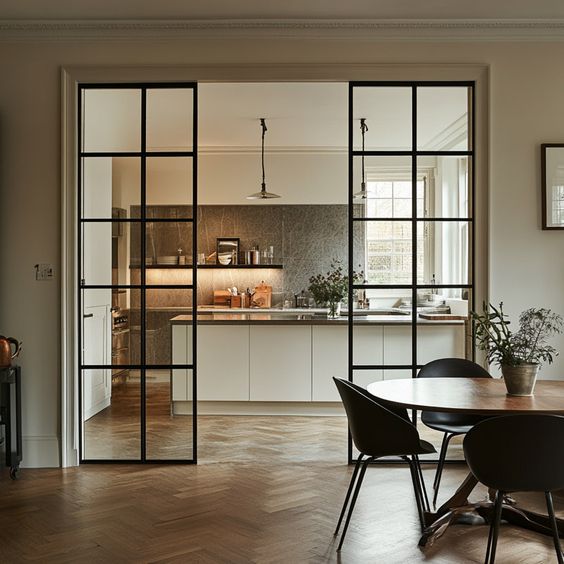
Image Source: andorwillow.com
Why Create Zones?
Before diving into the “how,” let’s briefly touch on the “why.” Creating zones in an open-plan space offers several benefits:
- Defines Functionality: Each zone clearly indicates its purpose – cooking, dining, relaxing, entertaining.
- Enhances Organization: By visually separating areas, you can better manage the placement of furniture and decor, leading to a tidier feel.
- Improves Ambiance: Different activities often require different moods. Zoning allows you to tailor lighting, color, and decor to suit each area.
- Adds Visual Interest: A well-zoned space is more dynamic and engaging than a single, undefined expanse.
- Provides Semi-Private Spaces: Even without solid walls, zones can offer a sense of personal space within a shared environment.
Clever Room Divider Ideas for Space Separation
The beauty of creating zones lies in the diverse range of solutions available. You don’t need to undertake major renovations to partition living room areas or create a distinct kitchen space. Many methods are simple, cost-effective, and can even add a touch of personality to your home.
Furniture as a Natural Divider
Furniture arrangement is one of the most accessible and impactful ways to define zones. Strategically placed pieces can act as subtle yet effective barriers.
Sofa Placement
- The Back of the Sofa: Placing the back of your sofa towards the kitchen area is a classic approach. It creates a clear visual and physical separation between the living room’s seating area and the kitchen’s activity zone. This instantly defines the living room as a distinct space for relaxation.
- Anchoring the Living Area: A sofa, particularly a larger sectional, can anchor the living room zone, drawing a boundary for where the conversation or relaxation space begins and ends.
Bookcases and Shelving Units
- Open or Closed Back Bookcases: A strategically placed bookcase can serve as an excellent room divider ideas. An open-back bookcase allows light to pass through, maintaining a sense of openness while still providing a visual cue. A closed-back unit offers more substantial separation and can be used for storage or display.
- Modular Shelving: These units offer flexibility. You can arrange them to create a low-level divider, a taller partition, or even incorporate them with plants for a living wall effect. This is a fantastic way to add vertical interest and create semi-private spaces.
Console Tables and Sideboards
- Behind the Sofa: A slim console table placed behind a sofa can create a functional surface for lamps, decor, or even a small bar area, subtly demarcating the living room from the adjacent space.
- As a Dining Transition: A sideboard or buffet can act as a beautiful transitional piece between a kitchen and a dining area, which is often situated between the kitchen and living room.
Stylish Room Dividers: Beyond Furniture
When furniture arrangement isn’t quite enough, or you’re looking for a more intentional design element, dedicated room dividers are the answer. These can range from the purely decorative to the highly functional.
Screens and Folding Dividers
- Portable and Versatile: Freestanding screens are incredibly versatile. They come in various materials, from wood and rattan to fabric and metal, and can be folded away when not in use. This makes them ideal for temporary space separation or for rooms where flexibility is key.
- Adding Texture and Style: A beautifully crafted screen can be a statement piece, adding texture, color, and artistic flair to your space. Consider patterned screens for a bolder look or natural materials for a more relaxed vibe.
Curtains and Drapes
- Soft and Elegant Separation: Hanging floor-to-ceiling curtains can create a dramatic and elegant way to partition living room areas. They offer a soft visual barrier and can be drawn closed for increased privacy or opened fully to merge the spaces.
- Material Matters: The choice of fabric is crucial. Sheer curtains offer a light, airy feel, maintaining some visual connection, while heavier fabrics provide more substantial separation and can help with acoustics. Consider tracks that allow curtains to be easily opened and closed.
Plants as Natural Dividers
- Bringing the Outdoors In: A collection of potted plants, arranged artfully, can create a beautiful, living screen. Taller plants like snake plants or fiddle-leaf figs can create a more pronounced separation, while a mix of heights adds depth and interest.
- Air Purifying Benefits: Beyond aesthetics, plants improve air quality, adding a functional benefit to your space separation.
Architectural and Semi-Permanent Solutions
For those seeking more defined and perhaps more permanent separation, consider these options.
Partial Walls and Half-Walls
- Defining without Isolating: A partial wall or half-wall offers a substantial sense of separation without completely closing off the space. This can be a stylish architectural feature, often incorporating shelves or display niches.
- Creating Defined Alcoves: A half-wall can create a cozy alcove for a reading nook or a small dining area, effectively separating it from the main living space.
Sliding Doors and Barn Doors
- Flexible Functionality: Sliding doors, especially glass or slatted varieties, provide a contemporary and adaptable way to divide spaces. They can be opened to create a large, flowing area or closed to offer distinct rooms, complete with noise reduction.
- Rustic Charm: Barn doors offer a more rustic or industrial aesthetic and are excellent for creating a sliding partition between the kitchen and living room, especially if you have the wall space to accommodate them.
Room Dividers with Built-in Features
- Multi-Functional Design: Consider room dividers that incorporate shelving, lighting, or even a small desk. This maximizes the utility of the divider and helps to further define the purpose of the zone it creates.
Creating Zones Through Color and Lighting
Beyond physical dividers, color and lighting are powerful tools for creating distinct zones within your open concept living space.
Color Blocking
- Visual Cues: Use different paint colors on the walls to delineate zones. For example, a warmer, more vibrant color for the dining area can signal a space for social interaction, while a calming neutral for the living room promotes relaxation.
- Accent Walls: An accent wall in the living room can draw attention to that area and visually separate it from the kitchen.
Lighting Strategies
- Task Lighting: In the kitchen, bright, focused task lighting over countertops and the stove is essential.
- Ambient Lighting: In the living room, softer, diffused ambient lighting (e.g., floor lamps, table lamps) creates a cozy atmosphere.
- Accent Lighting: Highlighting specific features in each zone with accent lighting can further enhance their definition. Think about pendant lights over a kitchen island or a statement chandelier in the dining area.
- Dimmers: Installing dimmers on living room lights allows you to adjust the mood and intensity, further defining the space for different activities.
Layout and Furniture Arrangement Strategies
The way you arrange your furniture is fundamental to creating functional zones.
The “L” Shape Layout
- Defining the Living Area: Often, placing your sofa and chairs in an “L” shape creates a natural focal point and a clear boundary for the living room. The back of the sofa then naturally divides the space.
Creating a “Room” Within a Room
- Rug Placement: A large area rug can anchor the living room furniture, visually pulling it together and creating a defined “room” within the larger open space. The rug acts as a physical and visual cue for where the living area begins.
- Strategic Furniture Groupings: Group seating arrangements together to form a conversation pit or a cozy reading nook. This creates a distinct zone for its intended purpose.
The Dining Area as a Buffer
- Transitional Space: Placing the dining table and chairs between the kitchen and the living room can act as a natural buffer zone. This area bridges the gap between the active kitchen and the relaxed living space.
Practical Considerations for Space Separation
When planning your zoning strategy, keep these practical aspects in mind.
Flow and Circulation
- Easy Movement: Ensure that your chosen method of space separation does not impede the natural flow of movement through the space. You should be able to move easily from the kitchen to the living area and vice versa.
- Clear Pathways: Maintain clear pathways to doors, windows, and other essential areas.
Light and Airflow
- Preserving Natural Light: Opt for solutions that don’t block natural light entirely if possible. This keeps the space feeling open and airy.
- Ventilation: Consider how your chosen dividers might affect airflow, especially in the kitchen area.
Acoustics
- Sound Dampening: In open concept living, noise can travel easily. Some room divider ideas, like thicker curtains or upholstered furniture, can help to absorb sound and create more peaceful zones.
- Partial Walls: Partial walls can offer a greater degree of sound dampening than open shelving or screens.
DIY Room Divider Ideas to Inspire
Creating your own room dividers can be a rewarding and cost-effective way to personalize your space.
Repurposed Doors
- Upcycled Charm: Old doors, painted or left with their natural patina, can be hinged together to create unique and rustic room dividers.
- Adding Glass Panes: Doors with glass panels can allow light to pass through, creating a brighter and more connected feel.
Pallet Wood Dividers
- Rustic and Trendy: Pallet wood can be used to construct simple, rustic dividers. You can create freestanding panels or even a more solid structure.
- Adding Shelving: Integrate shelves into your pallet wood divider for extra storage and display space.
Fabric Wall Dividers
- Simple and Cost-Effective: A sturdy frame (e.g., PVC pipes, wood) can be used to create a frame onto which you can stretch and attach fabric. This is a lightweight and easily customizable option.
- Pattern and Texture: Choose fabrics that complement your decor to add color and texture.
Crate or Box Shelving Units
- Modular and Customizable: Wooden crates or repurposed boxes can be stacked and secured to create modular shelving units that act as room dividers.
- Open or Closed Storage: You can choose to leave the front of the crates open for display or add backing for closed storage.
Table: Popular Room Divider Ideas and Their Characteristics
| Divider Type | Key Characteristics | Best For |
|---|---|---|
| Sofa Placement | Subtle, functional, defines seating area. | Creating a clear boundary for the living room. |
| Bookcases/Shelving | Versatile, storage, display, can be open or closed. | Adding visual separation and functional storage. |
| Folding Screens | Portable, decorative, flexible separation. | Temporary zoning, adding an artistic touch. |
| Curtains/Drapes | Soft, elegant, adjustable privacy, sound absorption. | Creating a luxurious feel, adjustable visual separation. |
| Plants | Natural, air-purifying, adds life and color. | Soft separation, improving indoor environment. |
| Partial Walls/Half-Walls | Architectural, significant separation, can incorporate features. | Creating more defined semi-private spaces, adding structure. |
| Sliding/Barn Doors | Functional, modern or rustic, significant separation, sound reduction. | Creating distinct rooms that can be opened or closed as needed. |
| DIY Crate Dividers | Modular, customizable, storage and display options. | Budget-friendly, adaptable zoning with added functionality. |
Frequently Asked Questions (FAQ)
What is the best way to separate a kitchen from a living room in an open concept home?
The “best” way depends on your specific needs and style. However, common and effective methods include using the back of a sofa to define the living area, placing a large rug to anchor the living room furniture, or utilizing a well-placed bookcase or screen as a room divider. These methods create visual separation without completely closing off the space.
Can I partition my living room without spending a lot of money?
Absolutely! You can create effective zones with budget-friendly options like strategic furniture arrangement (using your sofa or bookcases), DIY room dividers made from crates or repurposed doors, or by using plants. Even smart lighting choices can help define areas without significant cost.
How do I maintain a sense of openness while still creating zones?
To maintain openness, opt for dividers that are not solid walls. Think about open-back bookcases, slatted screens, sheer curtains, or a strategically placed sofa. These solutions provide visual separation without blocking light or completely obscuring the view, allowing the space to still feel connected and airy.
How can lighting help in creating zones?
Lighting is a powerful tool for zoning. Use brighter, task-oriented lighting in functional areas like the kitchen. In the living room, opt for softer, ambient lighting from floor and table lamps to create a cozy atmosphere. Accent lighting can highlight specific features in each zone, further defining their purpose and mood.
What are some stylish room dividers I can consider?
Stylish room dividers include decorative folding screens in various materials (wood, rattan, metal), floor-to-ceiling curtains made from luxurious fabrics, modern slatted panels, or even living plant walls. The key is to choose a divider that complements your overall decor and enhances the aesthetic of your home.
By employing these various strategies, you can transform your open-plan living space into a series of well-defined, functional, and beautiful zones, enhancing both the usability and the appeal of your home.