Deciding to replace your kitchen cabinets is a big step, and a common question is: How much would it cost to replace kitchen cabinets? The answer varies greatly, but generally, you can expect to spend anywhere from $5,000 to $25,000 or more for a full replacement, depending on the size of your kitchen, the materials you choose, and whether you hire professionals.
This guide will help you navigate the complexities of kitchen cabinet replacement costs. We’ll break down the factors that influence pricing, explore different options, and offer tips for staying within your budget.
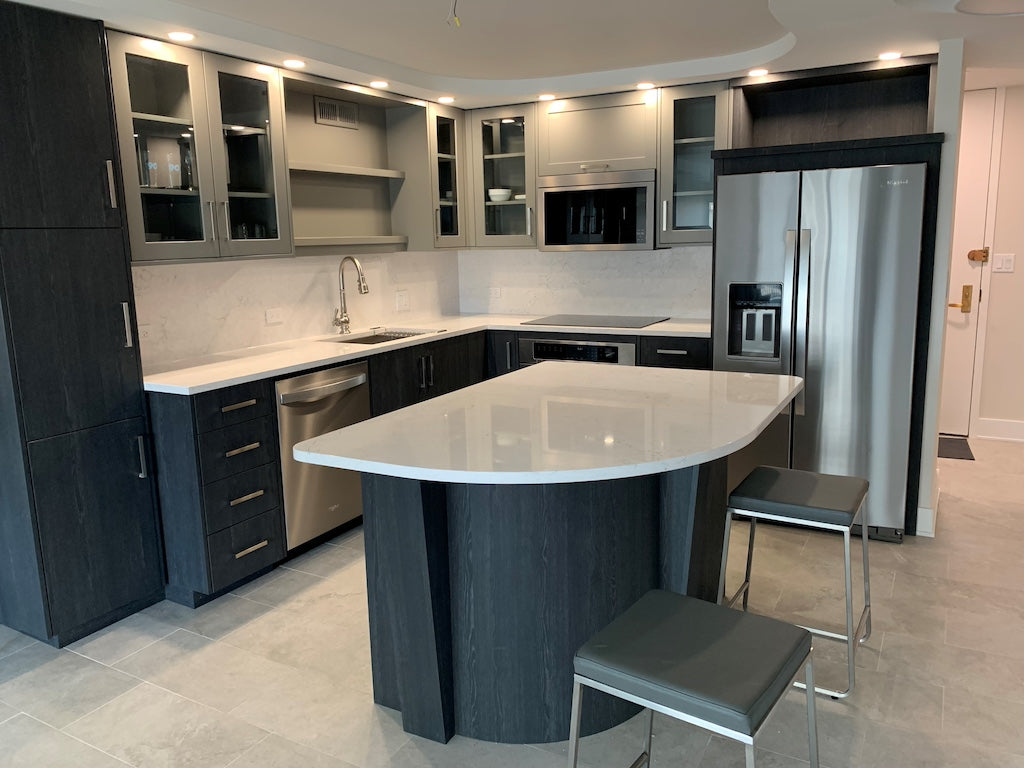
Image Source: homecarpetone.com
Factors Affecting Your Kitchen Cabinet Replacement Cost
Several key elements contribute to the overall kitchen cabinet replacement cost. Understanding these will help you make informed decisions and get a more accurate estimate for your project.
Kitchen Size and Layout
The most obvious factor is the size of your kitchen. A larger kitchen with more cabinets will naturally cost more than a smaller one. The layout also plays a role. An L-shaped or U-shaped kitchen typically requires more cabinetry than a simple galley kitchen. Consider:
- Linear feet of cabinets: This is a common measurement professionals use. The more linear feet of cabinets you need, the higher the cost.
- Number of upper and lower cabinets: More cabinets mean more materials and more labor.
- Specialty cabinets: Corner cabinets, pull-out shelves, pantry units, and appliance garages can add to the complexity and cost.
Cabinet Materials
The kitchen cabinet material costs are a significant driver of the final price. Different materials offer varying levels of durability, aesthetics, and price points.
Solid Wood vs. Wood Veneers and Laminates
- Solid Wood: This is the most traditional and often the most expensive option. Woods like cherry, maple, oak, and walnut are prized for their beauty, durability, and ability to be stained or painted.
- Pros: Durable, beautiful, can be refinished, adds resale value.
- Cons: Can be susceptible to humidity changes, generally the most expensive.
- Wood Veneers: These consist of thin layers of real wood glued over a less expensive core, often particleboard or MDF (Medium-Density Fiberboard).
- Pros: Offers the look of solid wood at a lower price, more stable than solid wood.
- Cons: Can be damaged more easily than solid wood, cannot be refinished as extensively.
- Laminates and Thermofoils: These are synthetic materials applied over a core board. Laminates are a printed paper or plastic layer, while thermofoils are a vinyl film heated and applied under pressure.
- Pros: Very affordable, easy to clean, wide range of colors and patterns, resistant to moisture.
- Cons: Can chip or peel over time, cannot be repaired or refinished, less premium feel.
Medium-Density Fiberboard (MDF) and Particleboard
These engineered wood products are common cores for veneers and laminates.
- MDF: Denser and smoother than particleboard, making it excellent for painted finishes and intricate detailing.
- Particleboard: The least expensive option, made from wood chips and shavings. It is less durable and more susceptible to moisture damage than MDF or solid wood.
Cabinet Construction and Quality
Beyond the surface material, the way cabinets are constructed also impacts cost and longevity.
- Framed vs. Frameless Cabinets:
- Framed Cabinets: These have a solid wood frame attached to the front of the cabinet box. They are traditional in North America.
- Frameless Cabinets (European-style): These lack a face frame, providing wider access to the interior and a more modern look. They are often more expensive due to their precision engineering.
- Joinery: Dovetail drawers, solid wood drawer boxes, and full-extension drawer glides are signs of higher quality and will increase the cabinet installation prices.
- Door Styles: Simple flat-panel doors are typically less expensive than raised-panel, inset, or specialty doors (like glass-front or beadboard).
Hardware and Finishes
The small details can add up.
- Hinges and Drawer Glides: Soft-close mechanisms and heavy-duty glides are more expensive but offer a better user experience.
- Knobs and Pulls: These can range from a few dollars to hundreds of dollars per piece.
- Finishes: Stains, paints, glazes, and specialty finishes (like distressed or antique looks) can all add to the cost.
Labor Costs and Installation
This is a significant portion of the overall kitchen cabinet remodel cost.
- DIY vs. Professional Installation: Doing it yourself can save money on labor, but it requires time, skill, and the right tools. Professional cabinet installation prices vary based on your location and the complexity of the job.
- Complexity of Installation: Unusual angles, existing plumbing or electrical issues, and the need for custom modifications will increase labor time and cost.
- Removal of Old Cabinets: If your old cabinets need to be removed and disposed of, factor in those costs.
Options for Replacing Kitchen Cabinets
You don’t always need a full replacement. Here are the common approaches and their associated costs:
1. Full Kitchen Cabinet Replacement
This involves completely removing your old cabinets and installing new ones. This is the most impactful option, offering a completely new look and functionality.
What is the average cost kitchen cabinets when replacing them entirely? The average cost kitchen cabinets for a full replacement can range from $5,000 for budget-friendly options in a small kitchen to upwards of $25,000 or more for high-end, custom cabinetry in a larger space.
Typical Cost Breakdown for Full Replacement:
| Cost Component | Estimated Percentage | Typical Range (for a $15,000 project) |
|---|---|---|
| Cabinet Boxes | 40-60% | $6,000 – $9,000 |
| Cabinet Doors & Drawers | 15-30% | $2,250 – $4,500 |
| Hardware (Hinges, Glides) | 5-10% | $750 – $1,500 |
| Installation Labor | 20-40% | $3,000 – $6,000 |
| Design/Consultation | 0-5% | $0 – $750 |
| Removal/Disposal of Old | 2-5% | $300 – $750 |
| Total Estimated Cost | 100% | $12,300 – $22,500 |
Note: These are estimates and can vary significantly.
2. Cost to Refacing Kitchen Cabinets
Refacing involves keeping your existing cabinet boxes and replacing only the doors, drawer fronts, and visible hardware. The exterior surfaces of the cabinet boxes are then covered with a veneer or laminate that matches the new doors.
What is the cost to refacing kitchen cabinets? The cost to refacing kitchen cabinets is generally 40-60% less than a full replacement. You can expect to pay anywhere from $3,000 to $10,000 for a refacing project, depending on the size of your kitchen and the materials chosen.
When is Refacing a Good Option?
- Your existing cabinet boxes are structurally sound and in good condition.
- You like the current layout of your kitchen.
- You are on a tighter budget but want a significant visual upgrade.
- You want to minimize disruption, as refacing is typically faster than a full replacement.
Pros of Refacing:
- More affordable than full replacement.
- Faster project completion time.
- Less waste generated.
- Provides a fresh, updated look.
Cons of Refacing:
- You are limited by the existing cabinet box structure and layout.
- The interior of the cabinets remains the same.
- It may not be suitable if the cabinet boxes are damaged or outdated in their construction.
3. Cabinet Refinishing/Repainting
This is the most budget-friendly option. It involves sanding down existing cabinet doors and frames, then repainting or restaining them.
What does cabinet refinishing cost? The cost can be as low as $1,000 to $4,000 for DIY, or $3,000 to $7,000+ if you hire professionals.
Pros of Refinishing:
- Most budget-friendly.
- Can dramatically change the look of your kitchen.
- Good for structurally sound cabinets.
Cons of Refinishing:
- Labor-intensive if done DIY.
- Requires meticulous preparation for a professional look.
- May not hide damage to the underlying wood.
- The finish may not be as durable as factory finishes.
New Kitchen Cabinet Prices: What Influences Them?
The new kitchen cabinet prices are a complex calculation. Let’s delve deeper into the different types of cabinets available and their cost implications.
Stock Cabinets
These are pre-manufactured cabinets sold in standard sizes and configurations.
- Pros: Most affordable option, readily available, quick installation.
- Cons: Limited style and size options, may not fit your kitchen perfectly, often made with lower-quality materials.
- Typical Cost: $100 – $400 per linear foot.
Semi-Custom Cabinets
These offer more flexibility than stock cabinets. You can choose from a wider range of door styles, finishes, and add some specialized features or modify standard sizes.
- Pros: More design choices, better quality than stock, can fit most spaces well.
- Cons: More expensive than stock, longer lead times.
- Typical Cost: $150 – $700 per linear foot.
Custom Kitchen Cabinet Pricing
These cabinets are built to your exact specifications and design preferences. They offer the highest level of customization in terms of size, style, material, and features.
- Pros: Perfect fit for any kitchen, unlimited design possibilities, highest quality craftsmanship, can incorporate unique features.
- Cons: Most expensive option, longest lead times, requires precise planning.
- Typical Cost: $300 – $1,000+ per linear foot. Custom kitchen cabinet pricing can easily push the total project cost into the higher end of the spectrum.
Budget Kitchen Cabinet Replacement Strategies
If your budget is a concern, there are ways to make a budget kitchen cabinet replacement feasible without sacrificing too much quality or aesthetics.
Prioritize and Plan
- What’s most important? Do you need more storage? A specific look? Focus your budget on the elements that matter most to you.
- Measure accurately: Precise measurements prevent costly mistakes and ensure you order the right amount of cabinetry.
- Get multiple quotes: Don’t settle for the first estimate you receive. Compare pricing from different suppliers and installers.
Smart Material Choices
- Opt for veneers or laminates: These can offer a high-end look at a fraction of the cost of solid wood.
- Choose simpler door styles: Flat-panel or Shaker-style doors are generally less expensive than intricately carved or raised-panel doors.
- Consider painted finishes: While painting can add cost, a simple painted finish on MDF or a less expensive wood can be very attractive and more affordable than complex stains or glazes.
DIY Savvy
- DIY Installation: If you have carpentry skills, installing cabinets yourself can save a significant amount on cabinet installation prices. Be realistic about your abilities and the time commitment.
- DIY Refinishing: Sanding and painting cabinet doors can be a weekend project if you’re organized and have the right tools.
Consider “Good Enough”
- Stock cabinets: While not fully customizable, stock cabinets can be a great starting point, especially if you can find sizes that fit your kitchen well.
- Phased approach: If a full renovation is too much at once, consider replacing just the doors and drawer fronts first, and tackle other updates later.
The DIY Kitchen Cabinet Replacement Cost
A DIY kitchen cabinet replacement cost can vary wildly based on your existing kitchen and your skill level. If you’re starting with a blank slate or very basic cabinets and doing all the work yourself, your primary expenses will be:
- New cabinet boxes: $100-$400 per linear foot for stock cabinets.
- Doors and drawer fronts: $50-$200+ per door/drawer front.
- Hardware (hinges, glides, knobs): $10-$50+ per cabinet.
- Tools and supplies: Sandpaper, paint, primer, caulk, screws, level, saw, etc. (can be $100 – $500+ depending on what you already own).
- Delivery: If you’re not picking them up yourself.
DIY Estimated Savings: You could potentially save 20-50% on the total project cost compared to hiring professionals for both the cabinets and installation. However, factor in the value of your time and the risk of errors that might require professional correction.
When to Consider Professional Installation
While DIY can save money, there are instances where hiring professionals for cabinet installation prices makes more sense:
- Lack of Time: If you have a demanding job or family commitments, the time required for DIY installation might not be feasible.
- Lack of Skills/Tools: Improper installation can lead to uneven cabinets, doors that don’t align, and potential structural issues.
- Complex Layouts: Kitchens with odd angles, non-standard walls, or intricate designs often benefit from experienced installers.
- Warranty Considerations: Many cabinet manufacturers require professional installation to validate their warranties.
- Desire for a Flawless Finish: Professional installers have the experience and precision to ensure a perfect, seamless look.
Custom Kitchen Cabinet Pricing: What You’re Paying For
Custom kitchen cabinet pricing reflects the bespoke nature of the product. You’re paying for:
- Design Consultation: Working with a designer to create a plan tailored to your space and needs.
- Material Selection: Access to a wider range of premium woods, finishes, and specialty materials.
- Precision Craftsmanship: Cabinets built to exact measurements by skilled woodworkers.
- Unique Features: Built-in organizers, specialty storage solutions, specific dimensions.
- Higher Quality Hardware: Often includes premium soft-close glides and hinges.
- Delivery and Installation: Usually included in the overall custom quote, ensuring a professional fit.
When you’re looking at custom kitchen cabinet pricing, always ensure the quote clearly details what’s included, from design to installation.
Kitchen Cabinet Material Costs Breakdown
To give you a clearer picture of kitchen cabinet material costs, here’s a general price comparison per linear foot for common materials and construction types (excluding installation):
| Material/Type | Low-End Estimate (per linear foot) | Mid-Range Estimate (per linear foot) | High-End Estimate (per linear foot) |
|---|---|---|---|
| Stock Cabinets | |||
| Laminate/Thermofoil | $100 | $150 | $200 |
| Veneer over Particleboard | $120 | $180 | $250 |
| Semi-Custom Cabinets | |||
| Veneer over MDF/Plywood | $150 | $250 | $400 |
| Solid Wood (Oak, Maple) | $200 | $350 | $500 |
| Custom Cabinets | |||
| Solid Wood (Oak, Maple) | $300 | $500 | $700 |
| Premium Woods (Cherry, Walnut) | $400 | $650 | $1,000+ |
| Specialty Finishes | +$50-150 | +$100-200 | +$200+ |
Important Considerations:
- These prices are for the cabinet boxes, doors, and drawer fronts.
- Hardware (hinges, glides, knobs) is usually an additional cost, ranging from $10-$50+ per cabinet.
- The number of drawers, type of hinges, and drawer glides will significantly impact the final cost.
- Contrasting door and cabinet box materials will affect pricing.
Kitchen Cabinet Remodel Cost: Beyond Cabinets
It’s crucial to remember that a kitchen cabinet remodel cost often extends beyond just the cabinets themselves. You might also need to budget for:
- Countertops: New cabinets might necessitate new countertops or adjustments to existing ones.
- Backsplash: A new backsplash can complement new cabinets.
- Appliances: You might want to upgrade appliances to match your new kitchen.
- Flooring: Consider if new flooring is part of the plan.
- Sink and Faucet: These might need to be replaced or reconfigured.
- Lighting: Improved lighting can showcase your new cabinets.
- Permits: Depending on your location, you might need permits for renovations.
- Contingency Fund: Always set aside 10-20% of your budget for unexpected issues.
Frequently Asked Questions (FAQ)
Q1: What is the cheapest way to replace kitchen cabinets?
The cheapest way is typically DIY cabinet refinishing or repainting. If you need new cabinets, opting for stock cabinets with laminate or thermofoil finishes, and performing the installation yourself, will be the most budget-friendly approach for a full replacement.
Q2: Can I just replace my kitchen cabinet doors?
Yes, this is known as refacing. You can replace just the doors and drawer fronts while keeping the existing cabinet boxes. This is a cost-effective way to update the look of your kitchen.
Q3: How long does it take to replace kitchen cabinets?
A full cabinet replacement typically takes 1-3 weeks, depending on the size of the kitchen, the complexity of the installation, and whether custom modifications are needed. Refacing can take 1-2 weeks, and DIY refinishing can take several weekends.
Q4: What is the difference between refacing and replacing kitchen cabinets?
Replacing kitchen cabinets means tearing out the old cabinet boxes and installing entirely new ones. Refacing involves keeping the existing cabinet boxes and replacing only the doors, drawer fronts, and visible exterior surfaces with new materials.
Q5: Are custom kitchen cabinets worth the extra cost?
Custom cabinets are worth it if you have a unique kitchen layout, specific storage needs, or desire a highly personalized aesthetic that standard or semi-custom options cannot provide. They offer superior quality and a perfect fit, which can add significant value to your home.
Q6: How do I get an accurate quote for cabinet replacement?
To get an accurate quote, measure your kitchen accurately, decide on your preferred cabinet style and material, research local installers or cabinet suppliers, and get at least three detailed quotes. Ensure the quotes include all costs: cabinets, hardware, delivery, installation, and disposal of old cabinets.
By carefully considering these factors and options, you can make an informed decision about how much it will cost to replace your kitchen cabinets and achieve the kitchen of your dreams within your budget.